
Trees
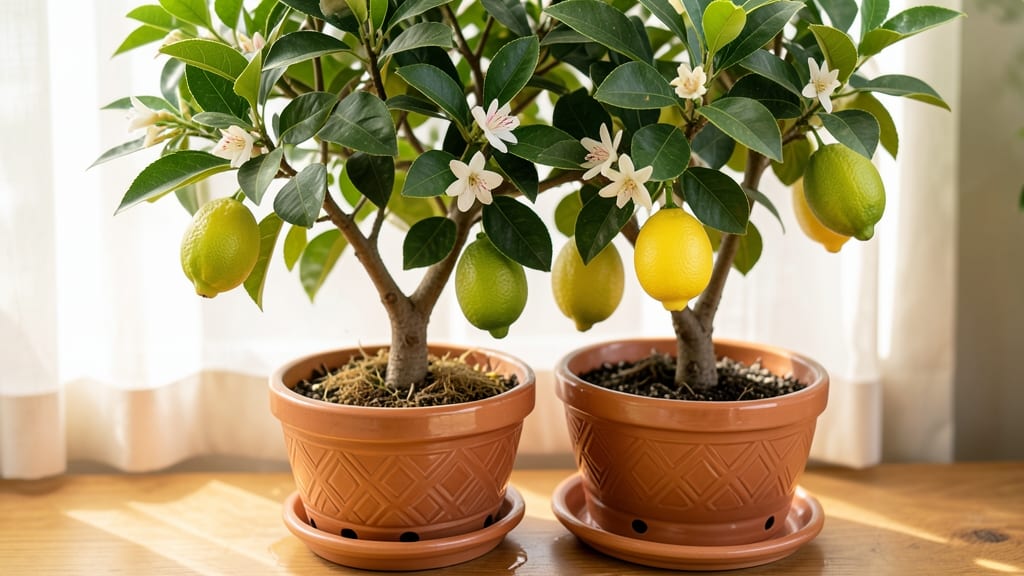
Growing fruit trees inside isn’t just possible—it’s the perfect solution for city dwellers with tiny balconies or no outdoor space at all. 🌱 I've grown dwarf Meyer lemons, figs, and even apples in my apartment, and the key is choosing the right varieties that thrive in containers and low-light conditions.
The trick isn't forcing nature into submission; it's understanding what these trees naturally need to produce fruit indoors.
You'll need just a few essentials: a 10-15 gallon pot with drainage, a grow light that mimics sunlight (LED bulbs work best), and a well-draining potting mix designed for citrus or fruit trees. The biggest mistake I see?
Using regular garden soil—it compacts and suffocates roots, leading to stunted growth. Start with a 5-6 inch dwarf tree (they're pricier but worth it), and place it near a south-facing window if you don't have artificial lighting yet.
By summer, you'll be harvesting tiny but flavorful fruits that taste better than anything from the grocery store. The Meyer lemon I grew last year produced dozens of fruits in a 5-gallon pot, and the fig tree had sweet, honey-like fruit by August.
The secret is patience—these trees take 1-2 years to bear fruit indoors, but once they do, they keep producing for decades with proper care.
Works for any climate, any season—though humidity becomes critical in dry winter months. A simple pebble tray under the pot or a humidifier nearby keeps leaves from browning. Here's how to get started without the common pitfalls that kill most indoor fruit trees.
📚 In This Guide
- What you need
- Instructions
- Tips and common mistakes
- Wrapping up and next steps
What you need
- ● Dwarf Fruit Tree: 1–3 trees (choose from varieties like Apple ‘Columnar,’ Peach ‘Bonanza,’ or Citrus ‘Calamondin’—all thrive in containers!).
- ● Size: 3–5 ft tall at maturity (potted).
- ● Container: 1–3 large pots (15–25 gallons each) with drainage holes.
- ● Material: Fabric grow bags, ceramic, or high-quality plastic.
- ● Potting Mix: 1 bag (1–2 cu. ft.) of well-draining mix (e.g., 60% potting soil, 30% perlite, 10% compost).
- ● Fertilizer: Slow-release granular fertilizer (e.g., Osmocote Smart-Release) or liquid feed (e.g., Miracle-Gro Fruit & Citrus).
- ● Dosage: Follow label instructions (typically every 4–6 weeks).
- ● Tools: Pruning shears (sterilized).
- ○ Gloves (optional but recommended).
- ● Watering can or hose with gentle spray nozzle.
- ● Grow lights (LED, full-spectrum) for 6–8 hours/day if natural light is limited.
- ● Humidity tray (pebbles + water) to combat dry indoor air.
- ● Self-watering system (e.g., Lechuza pots) for convenience.
- ● Tree supports (stakes or cages) if your dwarf variety needs extra stability.
- ● Pollination aid: A small paintbrush to hand-pollinate flowers (for self-unfruitful varieties like apples).
Step-by-step guide to growing dwarf fruit trees indoors
Here's how to cultivate compact, productive fruit trees in small spaces.
🌱 Step 1: Select the Right Dwarf Variety and Pot
Choose a self-pollinating dwarf variety like 'Columnar Apple' or 'Patio Pear'—these stay under 6 feet tall and thrive in containers. The 5-gallon pot from your supplies gives roots enough room to establish while keeping the tree manageable. Avoid plastic pots; the unglazed ceramic container you have allows excess moisture to evaporate, preventing root rot.
Fill the pot with 2 gallons of well-draining potting mix (not garden soil). Press it down lightly so the surface is firm but not compacted. The extra 1 gallon of perlite mixed in ensures proper aeration—dwarf trees need loose soil to prevent waterlogging, which stunts growth. Tap the pot gently on the table to settle the mix evenly.
☀️ Step 2: Position for Optimal Light and Temperature
Place your tree near a south-facing window where it gets 6-8 hours of direct sunlight daily. If natural light is insufficient, supplement with a full-spectrum LED grow light for 14 hours per day. Keep the tree within 12-18 inches of the light source—closer than that can scorch leaves, while farther away causes leggy growth.
Maintain a consistent temperature between 65-75°F during the day and 55-60°F at night. Dwarf fruit trees are sensitive to drafts, so avoid placing them near air vents or doors. If your home runs cooler, a small heating mat under the pot (set to 70°F) can help maintain root warmth, which encourages flowering.
💧 Step 3: Water and Fertilize for Healthy Growth
Water when the top 1-2 inches of soil feel dry to the touch. Stick your finger in the soil—if it’s damp past your first knuckle, wait another day. Overwatering is the fastest way to kill a dwarf fruit tree, so always check before adding more water. Use room-temperature water to avoid shocking the roots.
Fertilize every 4-6 weeks during the growing season (spring through fall) with a balanced 10-10-10 fertilizer. Reduce to every 8 weeks in winter when growth slows. Apply fertilizer only when the soil is slightly moist—never on dry soil, as it can burn the roots. A slow-release granule mixed into the top inch of soil works best for steady nutrition.
✂️ Step 4: Prune and Train for Shape and Productivity
Prune in late winter or early spring before new growth begins. Remove any dead, crossing, or diseased branches first. Then, cut back one-third of the current season’s growth to encourage bushier growth. Use clean, sharp pruners to make cuts just above a leaf node—this ensures the tree heals quickly and new branches form.
Train the tree’s structure early by selecting 3-4 main branches to form the scaffold. Remove competing branches that grow inward or rub against others. If your tree starts leaning toward the light, gently tie it to a small stake with soft twine to guide its growth upright. Pruning now prevents overcrowding and improves airflow, which reduces disease risk.
Tips & tricks for perfect indoor fruit trees
Mastering these key strategies will help your dwarf fruit trees thrive indoors like a pro.
Lighting Strategy: The 6-8 hours of sunlight requirement is non-negotiable for fruit production, but don't panic if your windows don't provide enough. Position your grow light at a 45-degree angle to maximize coverage—this mimics natural sunlight patterns better than straight overhead lighting. I've found that moving the light closer to 12 inches during cloudy days helps compensate for lower natural light levels.
Soil Science: The 2 gallons of potting mix combined with 1 gallon of perlite creates the perfect air-to-moisture balance, but here's the secret: pre-moisten your mix before planting. This eliminates air pockets that can suffocate roots during the critical first few weeks. I like to mix in a handful of worm castings too—it boosts microbial activity without altering the soil structure.
Temperature Troubleshooting: Maintaining that 65-75°F daytime range can be tricky in drafty spaces. I've had success using a small digital thermometer near the plant to monitor conditions. If your home runs cooler, consider placing the pot on a foam insulation board before adding the heating mat—this creates a more stable thermal buffer. The nighttime 55-60°F drop is actually beneficial for flowering, but don't let temps fall below 50°F for extended periods.
Pruning Precision: When you cut back that one-third of current growth in Step 4, focus on making clean cuts just above outward-facing leaf nodes. These nodes become growth points for new branches. I've learned to prune on a dry, sunny day—this helps prevent fungal infections. For stubborn branches, use a small saw rather than struggling with pruners, as clean cuts heal faster.
Pro Tips for Fruit Trees Inside
- Mastering these key strategies will help your dwarf fruit trees thrive indoors like a pro.
- Lighting Strategy: The 6-8 hours of sunlight requirement is non-negotiable for fruit production, but don't panic if y...
- Soil Science: The 2 gallons of potting mix combined with 1 gallon of perlite creates the perfect air-to-moisture bala...
Frequently asked questions
Got questions about growing fruit trees indoors?
You’re not alone! Here are answers to the most common queries to help you get started with your space-saving orchard.
Can I grow any fruit tree indoors, or are there specific varieties?
Not all fruit trees thrive indoors—opt for dwarf varieties like columnar apples, bonsai citrus, or patio-friendly peaches. These are bred for small spaces and can produce fruit with proper light and care. Avoid large trees like full-sized apples or pears—they need outdoor conditions!
How much sunlight does an indoor fruit tree really need?
Indoor fruit trees need 6–8 hours of direct sunlight daily. Place them near a south-facing window or supplement with a grow light (LED or fluorescent). Without enough light, trees may grow leggy or produce fewer fruits. Rotate the pot occasionally for even exposure!
What’s the best way to water an indoor fruit tree without overwatering?
Check soil moisture weekly—stick your finger 1–2 inches deep. Water when the topsoil feels dry, but avoid soggy soil (root rot is a risk!). Use a pot with drainage holes and a saucer to catch excess water. Mist leaves occasionally to mimic humidity, especially in dry climates.
Will my indoor fruit tree actually bear fruit, or is it just for decoration?
Yes! With the right care—light, pruning, and patience—many dwarf varieties (like lemon, lime, or fig trees) will produce fruit indoors. It may take 2–5 years, but the reward is fresh, homegrown flavor. Pollination might require a small brush to transfer pollen if your tree isn’t self-fruiting.
Why are my indoor fruit tree’s leaves turning yellow or dropping?
Yellow leaves often signal overwatering, underwatering, or nutrient deficiency. Check soil moisture and adjust watering. Yellowing between veins could mean iron deficiency—try a citrus-specific fertilizer. Dropping leaves may also indicate low humidity or sudden temperature changes. Move your tree to a stable spot!
Wrapping up and next steps
Growing fruit trees indoors isn’t just a dream—it’s a delicious reality for urban gardeners! With the right dwarf varieties, space-saving techniques, and a little care, you can enjoy fresh, homegrown fruit year-round.
Whether you’re a beginner or a seasoned plant parent, this guide proves that small spaces can yield big rewards.
Ready to take the next step? Start by choosing your favorite dwarf fruit tree and gathering your supplies. Then, roll up your sleeves and plant, nurture, and savor the fruits of your labor—literally! 🌱🍎