
Trees
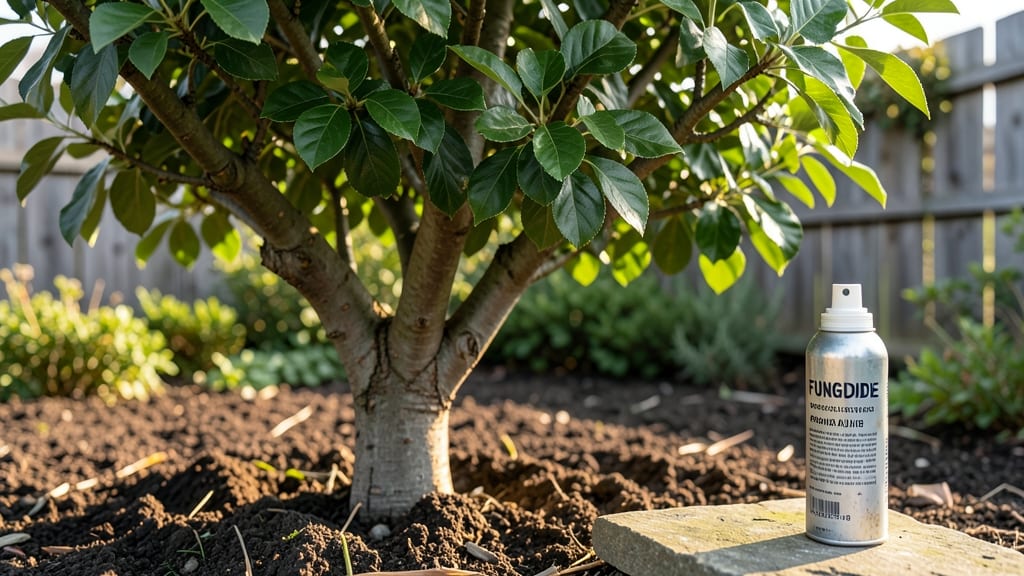
When cherry trees develop those unsightly brown spots or chalky white dust, fungicides for cherry trees become your best defense against diseases like leaf spot and powdery mildew. 🌿 I’ve seen firsthand how quickly these issues can turn a beautiful tree into a shadow of its former self—especially during those damp spring mornings when spores spread like wildfire.
The right fungicide can mean the difference between a healthy harvest and struggling branches. You’ll need to choose between organic options like neem oil or copper sprays and chemical solutions such as myclobutanil, depending on the severity of the infection.
Timing matters too—preventive sprays in early spring and after rain are key to stopping fungal growth before it starts.
With the right approach, your cherry tree can bounce back faster than you think. You’ll notice fewer spots on the leaves, stronger new growth, and even better fruit production next season. The key is consistency—don’t skip treatments just because the weather clears up.
Whether you’re dealing with brown rot or powdery mildew, the principles stay the same: act early, follow safety precautions, and keep an eye on your tree’s progress. Let’s get that canopy looking vibrant again!
📚 In This Guide
- What you need
- Instructions
- Tips and common mistakes
- Wrapping up and next steps
What you need
- ● Fungicide: Copper-based fungicide (e.g., Copper Sulfate or Copper Hydroxide) – 1-2 lbs per 100 gallons of water (organic option).
- ● Synthetic fungicide (e.g., Myclobutanil or Propiconazole) – Follow label instructions for dilution (typically 0.5-1 fl oz per gallon).
- ● Sprayer: Hose-end sprayer (1-3 gallons capacity) or
- ● Backpack sprayer (4-10 gallons capacity) for larger trees.
- ● Protective gear: Nitrile gloves (waterproof, chemical-resistant)
- ● Long sleeves and pants
- ● Safety goggles
- ● Face mask (if spraying near wind or sensitive areas)
- ● Cleaning supplies: Garden hose with nozzle
- ● Soft brush or cloth (for removing debris)
- ● Ladder (extendable, 12-20 ft) for tall trees.
- ● Pruning shears (to remove heavily infected branches).
- ● Weatherproof storage container (for leftover fungicide).
- ● pH test kit (to check water hardness before mixing chemicals).
- ● Spray shield (for windy days) to prevent drift.
Step-by-step guide to applying fungicides for cherry tree protection
Here's how I tackle fungal threats—keeping cherry trees healthy with precision timing and the right products.
🌿 Step 1: Identify the Problem and Choose Your Fungicide
First, confirm you're dealing with leaf spot or powdery mildew. Leaf spot shows as dark, irregular patches on leaves, while powdery mildew appears as white, powdery coatings. I grab my magnifying glass to check the undersides of leaves—fungi often start there.
For leaf spot, I reach for a copper-based fungicide like copper sulfate or copper hydroxide. These disrupt fungal cell membranes and work well as both preventive and curative treatments. For powdery mildew, a sulfur-based fungicide or neem oil solution (mixed with water) is my go-to—neem smothers fungal spores while being gentle on plants.
Always read the label carefully. Some fungicides require mixing with water, while others are ready to spray. I measure 1 tablespoon of fungicide per gallon of water for most applications, but double-check the recommended ratio on your specific product.
💧 Step 2: Prepare the Solution and Apply at the Right Time
Mix your fungicide solution in a clean sprayer or pump sprayer—never use old paint sprayers or containers that held chemicals. I fill a 1-gallon sprayer with water first, then add the measured fungicide. Attach the nozzle and shake gently to dissolve any solids. For neem oil, I stir in 1 teaspoon of mild liquid soap per gallon to help the solution stick to leaves.
Timing matters most. Apply fungicides early in the morning or late afternoon when temperatures are below 85°F. Fungicides work best when they have time to dry on leaves before the heat of the day. Start treatments before you see signs of infection—once fungi take hold, prevention is harder.
Shake the sprayer occasionally during application to keep the solution evenly distributed. Focus on the undersides of leaves, where fungi often hide, and spray until the leaves are glistening but not dripping. Avoid spraying when rain is forecast within 24 hours—it’ll wash the fungicide off before it can work.
☀️ Step 3: Schedule Applications for Maximum Protection
For leaf spot, I apply fungicide every 7-10 days during the growing season, starting when buds swell in early spring. Powdery mildew requires weekly applications once you spot the first signs. Consistency is key—skipping a week gives fungi a chance to regain a foothold.
I mark my calendar with reminders. Early spring and fall are critical times because temperature swings and moisture stress make trees more vulnerable. After a heavy rain, I reapply fungicide within 3-5 days to restore the protective layer.
Watch for new leaf growth—that’s when I schedule my next application. Fungi target tender, emerging leaves, so staying ahead of the game prevents outbreaks. If you see yellowing leaves or black spots, increase frequency to every 5-7 days until the problem clears.
✂️ Step 4: Clean Up and Prevent Future Outbreaks
After your final application of the season, remove and dispose of all fallen leaves—they’re fungal spore factories. I rake them into a sealed bag and toss them in the trash, not the compost. Prune any branches with heavy fungal growth, sterilizing your pruners with rubbing alcohol between cuts.
I also apply a 2-inch layer of mulch around the base of the tree to improve soil health and reduce splashing from rain, which spreads spores. Keep the mulch 6 inches away from the trunk to prevent rot. In late fall, I spray the tree with a dormant oil to smother overwintering fungal spores.
Here's the thing—fungicides work best as part of a bigger strategy. Healthy trees resist disease better. Water at the base of the tree (not overhead) and avoid overhead irrigation entirely during fungal outbreaks. Proper spacing between trees also improves airflow, reducing humidity that fuels fungal growth.
Tips & tricks for perfect fungicide application on cherry trees
Keeping cherry trees healthy starts with smart fungicide application—here's how to maximize effectiveness while protecting your trees.
Diagnosis First: Before spraying, confirm the type of fungus you're dealing with. Leaf spot appears as dark, irregular patches, while powdery mildew shows as white, powdery coatings. I always check the undersides of leaves first—this is where fungi often start. Grab a magnifying glass if needed; accurate diagnosis means you're using the right fungicide from the start.
Solution Mixing: When preparing your 1-gallon solution, I always fill the sprayer with water first, then add the measured fungicide. For neem oil solutions, that extra 1 teaspoon of mild liquid soap per gallon makes all the difference—it helps the solution cling to leaves instead of running off. Shake gently between uses to keep ingredients suspended evenly, especially with copper-based fungicides that can settle.
Timing is Everything: The 85°F temperature limit isn't arbitrary—fungicides work best when they can dry properly on leaves. I schedule applications for early morning or late afternoon to avoid the midday heat. Also, avoid spraying when rain is forecast within 24 hours—this gives the fungicide time to establish a protective layer before getting washed away.
Consistency Wins: The 7-10 day schedule for leaf spot prevention might seem frequent, but it works because fungi reproduce quickly. Mark your calendar with reminders, especially during early spring and fall when temperature swings make trees more vulnerable. After heavy rains, I always reapply within 3-5 days to restore that protective barrier.
Pro Tips for Fungicides For Cherry Trees
- Keeping cherry trees healthy starts with smart fungicide application—here's how to maximize effectiveness while protecting your trees.
- Diagnosis First: Before spraying, confirm the type of fungus you're dealing with.
- Solution Mixing: When preparing your 1-gallon solution, I always fill the sprayer with water first, then add the measured fungicide.
Frequently asked questions
Got questions about keeping your cherry trees healthy with fungicides? Here are answers to the most common concerns—so you can act with confidence!
When is the best time to apply fungicides to cherry trees?
Apply fungicides preventively in early spring (before buds swell) and again after harvest to stop fungal spores from settling. For active infections, treat at the first sign of symptoms—like purple spots on leaves—using a label-approved fungicide. Timing is key: morning applications reduce leaf burn from UV exposure.
Can I use the same fungicide year after year?
No—fungal resistance builds up over time! Rotate between copper-based, sulfur, and systemic fungicides (like myclobutanil) to keep pathogens guessing. Check your fungicide’s label for maximum annual use rates and alternate active ingredients seasonally for best results.
Are there organic alternatives to chemical fungicides?
Yes! Try baking soda spray (1 tbsp baking soda + 1 gallon water + a drop of dish soap) for powdery mildew, or neem oil (1% solution) for leaf spot. Compost tea or potassium bicarbonate (2.5 tbsp/gallon) are also effective. Reapply every 7–14 days during wet conditions for consistent protection.
Why are my cherry leaves still spotted after using fungicide?
Spots may persist if:
- Timing was off—fungicides need to coat leaves before spores land.
- Coverage was poor—spray both sides of leaves and until runoff occurs.
- Weather washed it off—reapply after heavy rain within 24 hours.
- It’s a bacterial or viral issue—fungicides won’t help; prune infected branches and sterilize tools.
How do I protect my cherry tree from fungicide drift?
To avoid harming nearby plants or yourself:
- Apply on calm days (wind <10 mph) to prevent drift.
- Use a shield or tarp to protect desirable plants.
- Wear gloves, long sleeves, and a mask when handling chemicals.
- Follow label instructions for dilution rates and reapplication intervals.
Do I need to treat cherry trees every year?
Not always! If your tree is healthy and your climate is dry, you might skip fungicides in low-risk years. Monitor for early signs of disease (like powdery mildew or leaf spot) and treat only when needed. Pro tip: Prune for airflow and clean up fallen leaves to reduce fungal pressure naturally.
Wrapping up and next steps
Choosing the right fungicides for cherry trees is key to keeping your fruit-bearing beauty thriving and disease-free! 🌿 Whether you’re battling leaf spot or powdery mildew, proactive care—like copper-based sprays, neem oil, or sulfur treatments—can make all the difference.
Remember, consistency is your best ally, and prevention starts with proper spacing, pruning, and monitoring.
Ready to take action? Start by inspecting your trees this week—catch early signs of trouble, and you’ll save time (and cherries!) down the road. Happy gardening!