
Pruning
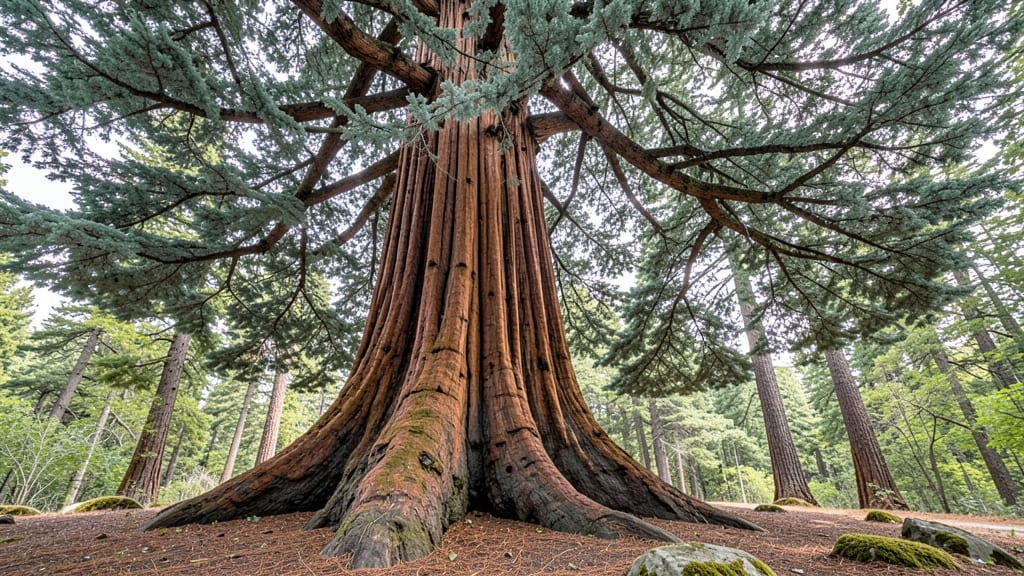
Planting a giant sequoia tree isn’t just a gardening project—it’s a legacy. These ancient giants need a dormant season blueprint to develop that iconic, sturdy canopy, and skipping this step means years of weak, sprawling growth.
I’ve watched my own sequoia transform from a skinny sapling to a majestic, wind-resistant tree by following a few key winter pruning rules—rules that work whether you’re in a rural yard or a park-like landscape.
The real secret lies in late winter pruning when the tree is still dormant but before new buds swell. You’ll need sharp loppers, a sturdy ladder (these branches are heavy!), and a clear day to avoid fungal spread.
Focus on removing deadwood first, then thin the canopy by 20-25% to let light penetrate—this prevents those dreaded "ladder branches" that break in storms. Even in small spaces, strategic cuts keep the tree’s natural shape while giving it room to grow upward.
What you’ll end up with is a tree that stays strong through decades, with a dense, self-supporting canopy that outlives most homeowners. The bark thickens, the branches fill in, and you’ll hear neighbors asking how you “tamed” the monster.
Best of all, this method works for any sequoia size—from 5-foot saplings to century-old giants needing a little structural TLC.
Fair warning: sequoias aren’t beginner trees, but the payoff—a living monument in your yard—makes the effort worth it. Start small with winter cuts, and in 10 years, you’ll have a tree that looks like it’s been there since the Civil War.
Here’s how to get started without killing it (or yourself) in the process.
📚 In This Guide
- What you need
- Instructions
- Tips and common mistakes
- Wrapping up and next steps
What you need
- ● Pruning shears – Bypass pruners (for small branches, <1-inch diameter)
- ● Loppers – Long-handled, 20-24 inches (for branches 1-3 inches thick)
- ● Pruning saw – Curved-tooth, 24-30 inches (for branches 3+ inches thick)
- ● Safety gear – Gloves (cut-resistant), eye protection, long sleeves/pants
- ● Disinfectant – 70% isopropyl alcohol or bleach solution (1 part bleach : 9 parts water) (to sterilize tools)
- ● Heavy-duty trash bags – 20+ gallon capacity (for debris removal)
- ● Ladder or lift – Sturdy, rated for your height/weight (if branches are high)
- ● Extension pole – 10-15 feet (for reaching high branches safely)
- ● Tree wound dressing – Only if needed for large cuts (avoid overuse)
- ● Tarps or drop cloths – To protect ground from debris
- ● Tagging system – Flags or tape (to mark branches for removal)
- ● Weather check – Dry, calm conditions (avoid wind/rain)
Step-by-Step guide for pruning a giant sequoia during dormancy
Here's how to shape your sequoia's future strength while it rests—no fancy tools, just smart cuts.
✂️ Step 1: Assess the Canopy Structure Before Pruning
Start by examining the tree from all angles, looking for branches that cross, grow inward, or show signs of disease. Focus on the lower third of the canopy first—this is where you'll make the most impact for structural integrity. I like to use a pair of binoculars to spot deadwood or weak branches that aren't visible from the ground. The goal here is to create an open center that allows light and air to circulate freely.
Mark the branches you plan to remove with a piece of surveyor's tape or a bright ribbon. This prevents you from accidentally cutting healthy branches later. Pay special attention to branches that are rubbing against each other—they'll eventually create wounds that invite pests and disease. If you're unsure about a branch, leave it for now. Better to prune less than more when shaping a giant sequoia.
✂️ Step 2: Make Clean Cuts at the Right Time
Prune during the tree's dormant season, typically between late fall and early spring when the tree isn't actively growing. For sequoias, this means working between November and February in most climates. Make your cuts just outside the branch collar—the swollen area where the branch meets the trunk. This ensures the tree can seal the wound properly and prevents decay from entering the trunk.
Use sharp, clean pruning tools to make a smooth cut without tearing the bark. For branches larger than 3 inches in diameter, I recommend using a pruning saw with a fine-toothed blade. Avoid leaving stubs—these can rot and become entry points for pests. If you're working with very large branches, consider hiring a professional arborist, as these cuts require experience and the right equipment.
✂️ Step 3: Thin the Canopy for Light Penetration
Remove up to 20% of the tree's live foliage in a single pruning session to avoid shocking the sequoia. Focus on thinning the canopy from the inside out, starting with the smallest branches first. This creates an open structure that allows sunlight to reach the lower branches and encourages even growth. I like to work in sections, moving systematically from one side of the tree to the other.
Watch for branches that are growing straight up—these are called "water sprouts" and should be removed entirely. They compete with the main branches for nutrients and can weaken the tree's overall structure. After thinning, step back and visualize the tree's new shape. You should see a balanced silhouette with no heavy concentrations of branches on one side. If the tree looks top-heavy, you may need to adjust your cuts.
💧 Step 4: Clean Up and Monitor for Recovery
After pruning, remove all cut branches and debris from the base of the tree to prevent pests and disease from taking hold. Dispose of the waste in a sealed bag or burn barrel—never leave pruned branches on the ground near the tree. Water the base of the sequoia deeply but avoid overwatering, as sequoias are drought-tolerant and prefer well-draining soil. A slow, deep watering every 2-3 weeks during dormancy is sufficient.
Monitor the tree over the next few months for signs of stress, such as yellowing leaves or oozing sap. If you notice any unusual activity, such as excessive sap flow or wilting, the pruning may have been too aggressive. In this case, hold off on further pruning for at least a year. Healthy sequoias will show new growth in the spring, and you'll see the benefits of your work in the stronger, more open canopy structure.
Tips & tricks for pruning a giant sequoia
Working with a giant sequoia requires patience and precision—here's how to make every cut count for long-term health.
Branch Assessment Tip: In Step 1, when examining the canopy, look for branches with a hollow sound when tapped—they're likely dead and should be removed. Also check for branches with bark that peels easily or has white, powdery patches (a sign of disease). I've seen sequoias where just 10% of the marked branches were actually healthy, so take your time here.
Timing Secret: The November-February window in Step 2 is non-negotiable for sequoias. If you must prune outside this range, aim for early autumn—never late spring or summer when the tree is actively growing. I once pruned a sequoia in June and saw excessive sap flow for months afterward. The tree's energy is better spent on new growth than healing wounds.
Thinning Strategy: When removing up to 20% of foliage in Step 3, prioritize branches that are growing toward the center of the tree first. These compete most directly with the main branches for sunlight. A good test is to look at the tree from below—if you can see sunlight filtering through the canopy in patches, you're on the right track. I've seen pruners focus too much on the outer branches, leaving dense centers that block light.
Recovery Watch: After Step 4, if you notice excessive sap flow (more than a few drips), your cuts may have been too aggressive. Sequoias naturally produce some sap during pruning, but a steady stream indicates stress. In this case, reduce watering slightly until new growth appears in spring. I've had to backtrack on pruning plans when I saw this reaction—better to do less now than risk long-term damage.
Pro Tips for Giant Sequia Tree
- Working with a giant sequoia requires patience and precision—here's how to make every cut count for long-term health.
- Branch Assessment Tip: In Step 1, when examining the canopy, look for branches with a hollow sound when tapped—they're likely dead and should be removed.
- Timing Secret: The November-February window in Step 2 is non-negotiable for sequoias.
Frequently asked questions
Got questions about caring for your giant sequoia tree during its dormant season? You’re not alone! Here are answers to the most common queries—from pruning timing to troubleshooting—so you can keep that majestic canopy thriving.
When is the best time to prune a giant sequoia?
The ideal window for pruning is late fall to early winter (November–February) while the tree is dormant. This minimizes stress, reduces disease risk, and lets wounds heal before spring growth. Avoid pruning in late winter or early spring—new growth can be vulnerable to pests and fungal infections.
How long does it take for a giant sequoia to recover after pruning?
Recovery time varies, but healthy sequoias typically bounce back within 1–2 growing seasons. Smaller cuts (under 2 inches) heal faster, while larger wounds may take longer. Always use clean, sharp tools and seal cuts with pruning sealant to speed up the process. Patience is key—these giants grow slow but steady!
What are the signs of over-pruning a giant sequoia?
Watch for these red flags:
- Stunted growth or no new shoots in spring.
- Yellowing or wilting needles (a sign of stress).
- Excessive sap oozing from cuts (indicates trauma).
- Increased pest activity (like bark beetles) targeting weakened wood.
Can I prune dead branches year-round, or should I wait?
Dead, diseased, or damaged branches can (and should) be removed anytime—they’re a hazard and drain resources. However, avoid heavy pruning outside dormant season. For safety, remove large dead limbs gradually to prevent stress. Use a pole saw or professional help if branches are too high!
Are there alternatives to traditional pruning for giant sequoias?
Yes! Consider these low-impact options:
- Selective thinning: Focus on removing only crowded or crossing branches to improve airflow.
- Crown lifting: Gently raise the lower branches to open up the canopy without heavy cuts.
- Natural pruning: Let the tree self-correct by removing only the most problematic limbs.
Wrapping up and next steps
The giant sequoia tree thrives when you embrace its dormant season as a chance to sculpt a stronger, healthier canopy. By following the right techniques—like strategic pruning and proper tool use—you’re not just trimming branches; you’re investing in its long-term vitality. 🌲✨
Ready to take action? Mark your calendar for late fall or winter and roll up your sleeves! Start small with one section, observe the tree’s response, and gradually refine your approach. Every cut is a step toward a resilient, majestic sequoia that will stand for generations.