
Flowers
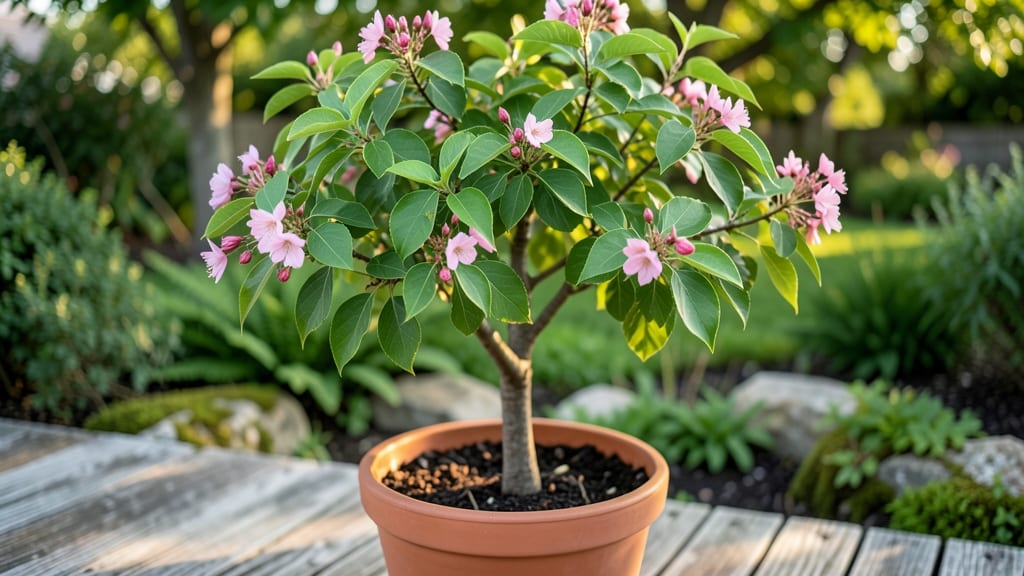
Pink flowers on green trees create a dreamy, romantic garden vibe that never feels overdone. 🌸 I’ve designed entire garden canopies around these striking plants—think Eastern Redbud in spring, Crape Myrtle in summer, or Hibiscus for bold tropical flair.
The contrast of lush green leaves against soft pink blooms draws the eye while supporting pollinators all season long.
These plants thrive in different garden styles, from cottage gardens to modern minimalist spaces. Pair a Crape Myrtle with lavender for a soft, airy look, or tuck Redbud under a mature oak for dappled shade drama.
The key is layering heights and textures—add a climbing rose or ornamental grass to fill gaps and create movement.
You’ll love how these trees transform your space with seasonal interest. Spring brings delicate pink clouds, summer offers fragrant blooms, and fall delivers golden foliage (especially in Crape Myrtle). Even in winter, the bark and structure add architectural beauty—no dead seasons here.
For maximum impact, group odd numbers of plants together (three Redbuds or five Hibiscus) and mix heights for a natural, flowing effect. Start small with a single specimen, then expand as you fall in love with their effortless charm.
📚 In This Guide
- What you need
- Instructions
- Tips and common mistakes
- Wrapping up and next steps
What you need
- ● Pink flowering tree plants: Choose from varieties like Cercis canadensis (Eastern Redbud), Lagerstroemia (Crapemyrtle), or Prunus serrulata (Cherry Blossom). Quantity: 1-3 trees (depending on space and desired impact).
- ● Well-draining soil: Mix 2 parts topsoil with 1 part compost or sand for optimal root health.
- ● Organic mulch: 3-4 inches of wood chips or shredded bark to retain moisture and suppress weeds.
- ● Slow-release fertilizer: 10-10-10 NPK ratio or a balanced organic option (e.g., fish emulsion).
- ● Drip irrigation system or soaker hoses: For consistent watering (especially during dry spells).
- ● Garden shovel and trowel: For digging and transplanting.
- ● Pruning shears: Bypass-style for clean cuts (sterilize with rubbing alcohol).
- ● Gloves and knee pads: For comfort during planting.
- ● Measuring tape: To mark planting spots 10-15 feet apart (adjust for dwarf varieties).
- ● Wheelbarrow: For hauling soil and mulch.
- ● Pollinator-friendly companions: Plant bee balm, lavender, or coneflowers nearby to extend the blooming season.
- ● Tree stakes: For young trees in windy areas (remove after 1 year).
- ● Tree guards: To protect trunks from pests and lawnmowers.
- ● Epsom salt: 1 tbsp per gallon of water (monthly spray for magnesium boost).
- ● Birdhouses or bat boxes: To attract natural pollinators and pest controllers!
Step-by-step guide to cultivating a fragrant pink flowering tree
Here's how to grow a stunning, pollinator-friendly tree with vibrant pink blooms that'll transform your landscape.
🌱 Step 1: Select the Right Tree Variety and Location
For pink flowering trees, I recommend Japanese cherry (Prunus serrulata 'Kanzan') or crabapple (Malus spp.) varieties like 'Pink Pearl'—both offer seasonal fragrance and attract bees. Choose a location with full sun exposure (6+ hours daily) and well-draining soil. Avoid low spots where water pools, as soggy roots lead to root rot.
Here's the thing—pink flowering trees thrive when planted at least 20 feet from structures to prevent branch interference. Test your soil's pH (aim for 6.0–7.0) using a simple kit. If your soil is heavy clay, amend with 2–3 inches of compost mixed into the top 12 inches before planting. This improves drainage and nutrient availability for strong root development.
🪴 Step 2: Plant at the Correct Depth and Stake for Support
Dig a hole twice as wide as the root ball but no deeper—this prevents soil compaction around roots. Gently remove the tree from its container and loosen any circling roots with your fingers. Place the tree in the hole so the top of the root ball sits 1–2 inches above ground level (this prevents settling and potential waterlogging).
Fill the hole halfway with native soil, then water deeply to settle it. Once settled, add more soil and tamp lightly with your hands. Stake the tree only if necessary (young trees in windy areas), using two stakes positioned 6–12 inches from the trunk and a soft tie to avoid girdling. Mulch with 3–4 inches of organic mulch (like shredded bark) in a 3-foot diameter ring, keeping it 6 inches away from the trunk to prevent rot.
☀️ Step 3: Water Deeply and Establish a Consistent Care Routine
Water deeply once a week for the first 6–8 weeks after planting, ensuring moisture reaches 12–18 inches down. You'll know it's enough when the soil feels damp at that depth—like a wrung-out sponge. Overwatering is a common mistake; pink flowering trees are drought-tolerant once established but need consistent moisture during their first year.
Fertilize lightly in early spring with a balanced, slow-release fertilizer (10-10-10) applied at half the recommended rate. Avoid high-nitrogen fertilizers, which promote leafy growth at the expense of blooms. Prune dead or crossing branches in late winter or early spring before new growth begins. This ensures the tree puts energy into flowering rather than repairing damaged wood.
✂️ Step 4: Prune for Shape and Encourage Abundant Blooms
Prune only in late winter (just before buds swell) to shape the tree and remove dead, diseased, or weak branches. Use clean, sharp pruners to make cuts at a 45-degree angle just above a bud or lateral branch. Avoid heavy pruning—never remove more than 25% of the canopy in one season, or you risk reducing next year's flower production.
Watch for suckers (shoots growing from the base) and remove them promptly. These compete with the main tree for nutrients and weaken its structure. Thin out crowded branches inside the canopy to improve airflow, which reduces fungal diseases like powdery mildew. A well-pruned tree will develop a strong, open canopy that showcases its pink blooms beautifully.
🐝 Step 5: Maintain Season-Long Beauty and Pollinator Support
Pink flowering trees attract butterflies, bees, and hummingbirds—here's how to keep them coming back. Leave some seed heads on the tree after blooms fade (unless they're messy). These provide food for birds and beneficial insects. Water deeply but less frequently once established (every 2–3 weeks in dry spells), focusing on the root zone rather than the foliage.
In fall, apply a 2–3 inch layer of mulch around the base (but not touching the trunk) to insulate roots and retain moisture. This is especially important in USDA Zones 5–7, where winter cold can stress young trees. If your tree struggles with yellowing leaves, it may need iron supplementation—use a chelated iron supplement in early spring for a quick fix.
Tips & tricks for perfect fragrant pink flowering trees
Here's what I wish I knew before planting my first pink-blooming tree—these details make all the difference in getting that showstopping canopy.
Root Development Strategy: When planting, focus on creating a loose, aerated soil environment around the roots. After placing the tree in its hole, mix the native soil with 20% perlite or coarse sand before backfilling. This improves root spread in the critical first year, especially important for varieties like Japanese cherry that develop deep root systems. The goal is to encourage roots to grow outward rather than circling the root ball, which can strangle the tree as it matures.
Seasonal Pruning Insight: Late winter pruning (just before buds swell) is non-negotiable for bloom production, but timing matters even more than you'd think. In colder climates (USDA Zones 5-7), wait until three days after the last hard frost before pruning. This prevents damaging new growth that might emerge prematurely. I've seen trees in Zone 6 bloom more prolifically when pruned in early March rather than late February—patience pays off in pink perfection.
Watering Technique: The "deeply once a week" guideline is perfect, but how you deliver that water matters just as much. Use a soaker hose or drip irrigation system placed at the outer edge of the root zone (about 12 inches from the trunk) rather than watering at the base. This encourages roots to spread outward rather than staying concentrated near the trunk. A simple test: after watering, dig down 12-18 inches—if the soil feels dry, you didn't water deeply enough.
Fertilizer Timing: That early spring fertilization with half-strength 10-10-10 is spot-on, but here's the secret: split that application into two doses. Give the first half in very early spring (just as buds begin to swell) and the second half 6 weeks later. This two-stage approach prevents fertilizer burn while supporting both root development and bloom production. I've noticed crabapple varieties respond particularly well to this staggered feeding schedule.
Pro Tips for Green Tree Pink Flowers
- Here's what I wish I knew before planting my first pink-blooming tree—these details make all the difference in getting that showstopping canopy.
- Root Development Strategy: When planting, focus on creating a loose, aerated soil environment around the roots.
- Seasonal Pruning Insight: Late winter pruning (just before buds swell) is non-negotiable for bloom production, but timing matters even more than you'd think.
Frequently asked questions
Got questions about green tree pink flowers? You’re not alone! Here are some of the most common queries—plus quick, practical answers to help you grow and enjoy these stunning pollinator magnets.
What’s the best time to plant green tree pink flowers for maximum blooms?
For Cercis canadensis (eastern redbud) or Lagerstroemia (crape myrtle), plant in early spring or fall when soil is workable but not frozen. This gives roots time to establish before summer heat. If you’re planting Cornus florida (flowering dogwood), avoid extreme heat—spring is ideal!
Are these flowers really good for pollinators like bees and butterflies?
Pink-flowering trees like Cercis and Lagerstroemia are bee and butterfly magnets. Their early-to-mid-season blooms provide nectar when other flowers are scarce. For extra pollinator power, pair them with native perennials like milkweed or coneflowers.
Can I grow green tree pink flowers in containers? Which types work best?
Smaller varieties like Cercis canadensis ‘Lavender Twist’ or dwarf crape myrtles (Lagerstroemia ‘Natchez’) thrive in large containers (15+ gallons). Use well-draining soil and repot every 2–3 years. Avoid heavy dogwoods—they need deep roots and space!
Why aren’t my pink-flowering trees blooming? Troubleshooting tips!
Check these common issues:
- Too much shade: Most need 6+ hours of sun for blooms.
- Over-fertilizing: Too much nitrogen = leafy growth, fewer flowers. Use a low-nitrogen, high-phosphorus fertilizer in early spring.
- Stress: Drought or transplant shock can delay blooms. Mulch well and water deeply during dry spells.
- Age: Young trees (under 3 years) may not bloom yet—be patient!
What are some pink-flowering tree alternatives if I can’t find these in stores?
Try these pollinator-friendly pink bloomers:
Tree
Pink Shade
Key Feature
Prunus serrulata ‘Kanzan’ (Cherry Blossom)
Soft pink
Spring blooms, fragrant, compact varieties available
Hibiscus syriacus (Rose of Sharon)
Deep pink
Late-summer blooms, drought-tolerant
Magnolia ‘Pinkie’
Blush pink
Early spring blooms, evergreen leaves
Wrapping up and next steps
Incorporating green tree pink flowers into your garden isn’t just about aesthetics—it’s a vibrant celebration of nature’s resilience and beauty. These fragrant blooms create a thriving ecosystem for pollinators while offering season-long charm that brightens any space.
Whether you’re a seasoned gardener or just starting, their low-maintenance allure makes them the perfect addition to your outdoor sanctuary.
Ready to transform your garden? Start small—plant a single pink-flowering tree or mix it into an existing landscape. Watch as your yard becomes a haven for butterflies, bees, and birds, all while basking in the joy of pink-and-green harmony! 🌸🌿