
Planting
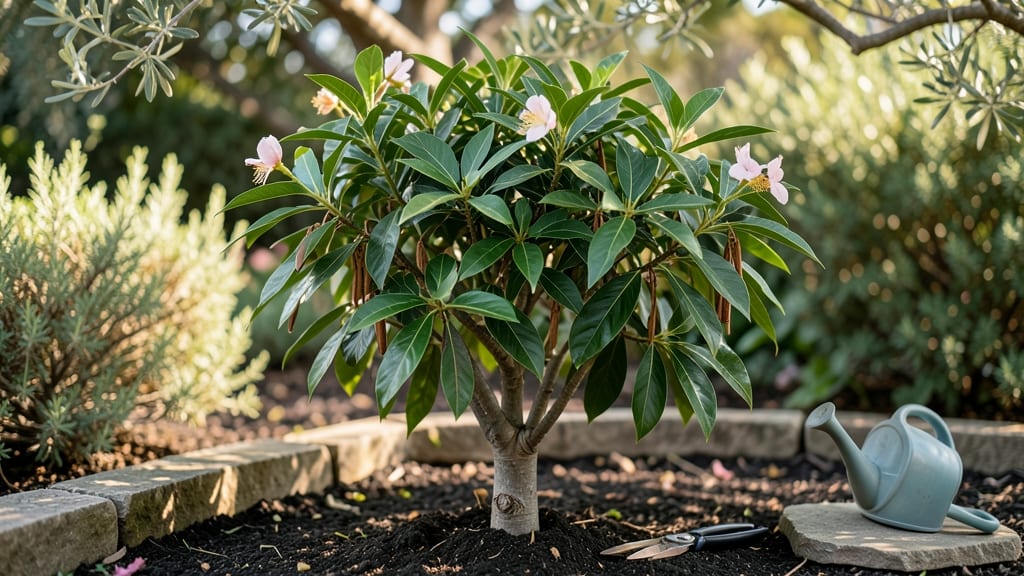
Growing a henna tree (Lawsonia inermis) means fragrant white blooms and a lush canopy that thrives in full sun—exactly what my backyard needed after years of struggling with shade-loving plants.
The key isn’t just sunlight; it’s matching the soil, water, and timing to this Mediterranean native’s exact needs, or you’ll end up with a stressed, slow-growing shrub instead of the bold statement plant it should be.
Start with well-draining soil mixed with compost, and plant in spring when temperatures stay above 50°F—this tree hates cold snaps. Water deeply once a week (more in summer heat), but avoid soggy roots, which lead to root rot.
Propagation from cuttings is easier than seeds, and pruning after flowering keeps the shape neat while encouraging more blooms next season.
By late summer, you’ll have a 6-10-foot-tall tree dripping with fragrant flowers, perfect for borders or as a standalone focal point. The leaves even produce natural dye, so it’s useful beyond just looks. Just watch for spider mites in dry weather—they’re the tree’s biggest nemesis.
Works best in USDA zones 9-11, but container growing extends its range to cooler climates. The secret to success? Patience—it takes 2-3 years to fully mature, but the payoff is worth every season of waiting.
📚 In This Guide
- What you need
- Instructions
- Tips and common mistakes
- Wrapping up and next steps
What you need
- ● Henna tree seeds or saplings: 1–3 (ensure they’re disease-free for best results).
- ● Well-draining potting mix: 5–10 gallons (blend equal parts cactus/succulent soil, perlite, and coarse sand).
- ● Pot or garden bed: Container: 15–20 gallon pot with drainage holes (terracotta or fabric grow bags work best).
- ● Garden bed: Full sun spot (6+ hours/day) with loose, rocky soil (amend with compost if needed).
- ● Watering can or hose with gentle nozzle: 1 (avoid overwatering—henna trees hate soggy roots!).
- ● Fertilizer: Balanced liquid fertilizer (10-10-10 or 20-20-20), diluted to half-strength.
- ● Pruning shears: Sharp, sterilized pair (for shaping or harvesting leaves).
- ● Mulch (gravel or pebbles): 1–2 inches (helps retain moisture and deter weeds).
- ○ pH tester kit: Optional but helpful (henna thrives in 6.0–7.5 pH).
- ● Drip irrigation system: For larger garden beds (automates watering in hot climates).
- ● Gloves: 1 pair (henna leaves can stain—better safe than sorry!).
Step-by-Step guide to growing a thriving henna tree
Here’s how to cultivate this fragrant, sun-loving tree with minimal fuss.
🌱 Step 1: Choose the Right Location and Soil
Henna trees (Lawsonia inermis) crave full sun—at least 6-8 hours daily—and well-draining soil. If your yard has heavy clay, mix in 2-3 inches of compost or sand to improve drainage. I always test soil moisture before planting: stick your finger 2 inches deep—if it feels damp, wait a few days. The tree’s roots hate soggy conditions, which lead to root rot.
Pick a spot with 6-8 feet of clearance around the base. Henna trees grow 10-15 feet tall and spread 10-15 feet wide, so crowding will stunt growth. If planting in a container, use a 15-gallon pot with drainage holes. The roots need room to expand, so avoid small pots—this is where many gardeners go wrong.
☀️ Step 2: Plant and Water for Initial Establishment
Dig a hole twice as wide as the root ball but only as deep—planting too deep suffocates the roots. Gently loosen the roots if they’re circling the pot, then place the tree in the hole. Backfill with native soil, tamping lightly to remove air pockets. Water deeply right after planting to settle the soil and encourage root contact.
Keep the soil evenly moist for the first 4-6 weeks, but avoid waterlogging. You’ll know it’s right when the top 1-2 inches of soil feel damp but not soggy. Mulch around the base with 2-3 inches of organic mulch (like shredded bark) to retain moisture and regulate soil temperature. This step is critical—skipping it means slower root growth and weaker plants.
💧 Step 3: Maintain Water and Fertilize for Optimal Growth
Once established, henna trees are drought-tolerant, but young plants need regular watering—about 1-2 inches per week during dry spells. Check the soil 1 inch deep before watering; if it’s dry, it’s time. Overwatering is the biggest mistake here—yellowing leaves signal root stress, not thirst.
Fertilize once in early spring with a balanced, slow-release fertilizer (10-10-10 ratio). Sprinkle ½ cup around the drip line, then water deeply to activate the nutrients. Avoid high-nitrogen fertilizers—they promote leafy growth at the expense of flowers and fragrance. Henna trees reward patience: with proper care, they’ll burst into fragrant blooms by mid-summer.
✂️ Step 4: Prune for Shape and Encourage Blooms
Prune late winter or early spring before new growth begins. Remove dead, diseased, or crossing branches first—this improves airflow and reduces pests. Then, shape the tree by cutting back overly long branches to maintain an open canopy. Henna trees bloom on new wood, so pruning in late winter encourages fresh growth and more flowers.
Never prune more than 25% of the tree at once—this stresses the plant. Use clean, sharp shears to make cuts just above a leaf node. After pruning, give the tree a light fertilizer top-dressing to support recovery. The goal is a full, airy canopy that lets sunlight reach the lower branches, promoting even growth and fragrance.
Tips & tricks for perfect henna tree plant growth
Here's what I've learned after nurturing my own fragrant henna trees to maturity—these tricks will help you avoid the most common pitfalls.
Location and Soil Prep: Don't rush the soil test! If you're unsure about your native soil's drainage, do a simple percolation test: Dig a 6-inch hole, fill with water, then time how long it takes to drain. If it takes more than 4 hours, you'll need to amend with sand or compost as the instructions suggest. I've seen too many gardeners skip this step and end up with root rot within months.
Planting Depth Secret: The "twice as wide but same depth" rule in Step 2 is crucial—planting too deep can strangle the roots. Here's my trick: After placing the root ball in the hole, mound a small ridge of soil around the edges to create a slight depression where the root ball sits. This ensures proper drainage while keeping the tree stable.
Watering Wisdom: Those first 4-6 weeks of even moisture are non-negotiable. I use a simple moisture meter to check the top 2 inches of soil daily—if it reads dry, water until it runs out the drainage holes. The key is consistency:: too much water causes rot, but too little causes stress that shows up as yellowing leaves later.
Pruning Precision: When shaping your henna tree in Step 4, focus on creating an open center rather than just trimming for shape. I make my cuts at a 45-degree angle just above a leaf node, which encourages faster healing. Always sterilize your shears with rubbing alcohol between cuts to prevent spreading disease—this is especially important for fragrant trees that attract pests.
Pro Tips for Henna Tree Plant
- Here's what I've learned after nurturing my own fragrant henna trees to maturity—these tricks will help you avoid the most common pitfalls.
- Location and Soil Prep: Don't rush the soil test!
- Planting Depth Secret: The "twice as wide but same depth" rule in Step 2 is crucial—planting too deep can strangle the roots.
Frequently asked questions
Got questions about growing your own henna tree plant? You’re not alone! Here are answers to the most common queries to help you nurture a fragrant, sun-loving beauty with confidence.
How fast does a henna tree grow?
A henna tree (Lawsonia inermis) grows at a moderate pace—expect 1 to 2 feet per year under ideal conditions. With full sun, well-draining soil, and regular watering, it can reach 10–15 feet tall within 5–7 years. Patience pays off for that lush, fragrant canopy!
When is the best time to plant a henna tree?
Plant your henna tree in early spring or late fall when temperatures are mild (ideally 60–80°F). Avoid extreme heat or frost, as young plants are sensitive. If planting in summer, water deeply daily for the first 2 weeks to help it establish roots.
Can a henna tree survive in partial shade?
While it thrives in full sun, a henna tree can tolerate partial shade (4–6 hours of sunlight daily), but growth and flowering may slow. If you’re in a hot climate, morning sun + afternoon shade works best. Avoid deep shade—it weakens the plant and reduces its signature fragrant blooms.
Why aren’t my henna tree leaves turning purple?
Healthy henna trees have green or yellow-green leaves—purple hues signal stress! Check for:
- Overwatering: Yellowing + soggy soil.
- Underwatering: Crispy edges + wilting.
- Nutrient deficiency: Pale leaves? Try a balanced fertilizer.
What’s a good alternative if I can’t grow a henna tree?
If your climate is too cold or dry, try these fragrant, sun-loving alternatives:
- Jasmine (Trachelospermum jasminoides) – Hardy, drought-tolerant, and ultra-scented.
- Lavender (Lavandula) – Thrives in poor soil, loves heat, and repels pests.
- Oleander (Nerium oleander) – Fast-growing but toxic; plant with caution.
Wrapping up and next steps
Growing a henna tree plant is a rewarding journey—whether you're drawn to its fragrant blossoms, sun-loving resilience, or dramatic canopy.
With the right soil, sunlight, and care, you’ll soon enjoy a thriving, aromatic centerpiece for your garden or patio. Don’t stop here! Experiment with pruning techniques or share your progress with fellow plant enthusiasts to inspire others. Your henna tree’s beauty is just beginning to bloom—let’s nurture it together! 🌿✨