
Pruning
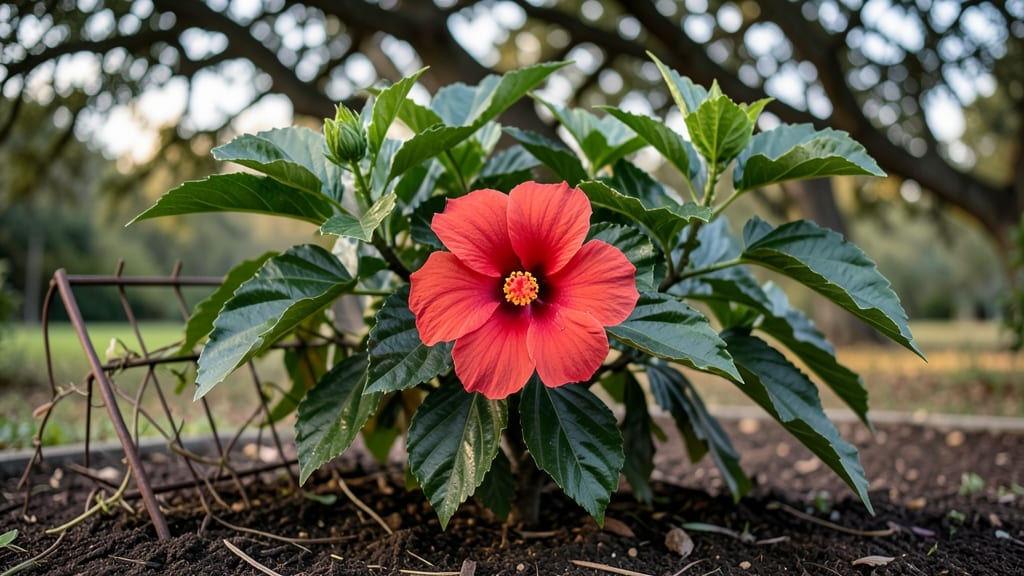
Florida’s hibiscus trees thrive when pruned year-round—the key to vibrant blooms and sturdy growth lies in timing and technique. I’ve learned the hard way that cutting too late in winter can stunt new shoots, while over-pruning in summer stresses the plant.
The secret is a balanced approach that keeps your hibiscus lush and flowering without sacrificing its natural strength.
You’ll need sharp pruning shears, a clean workspace, and a basic understanding of where to cut—just below a leaf node or bud. Florida’s warm climate means you can prune lightly almost year-round, but focus on late winter to early spring for the biggest impact.
This is when the tree naturally prepares for new growth, and a little strategic trimming encourages thicker branches and more flowers.
What you’ll end up with is a hibiscus that bursts with bold, tropical blooms from spring through fall, even in Florida’s heat. The flowers stay vibrant longer, the branches grow stronger, and you’ll notice fewer bare spots where pests or storms once took a toll.
Plus, the pruned branches make great cuttings for propagating new plants—free extra hibiscus for your yard!
This method works for both tropical hibiscus (hardy to 25°F) and hybrid varieties, though you’ll adjust timing slightly for frost-sensitive types. Whether you’re dealing with a mature tree or a young sapling, the same principles apply. Let’s get those shears ready and transform your hibiscus into a year-round showstopper.
📚 In This Guide
- What you need
- Instructions
- Tips and common mistakes
- Wrapping up and next steps
What you need
- ● Pruning shears: Sharp, bypass-style shears (for clean cuts on small branches). Quantity: 1 pair.
- ● Loppers: Heavy-duty, long-handled (for thicker branches, ½"–1" in diameter). Quantity: 1 pair.
- ● Pruning saw: Curved-blade saw for branches over 1" in diameter. Quantity: 1.
- ● Disinfectant: Rubbing alcohol (70%+) or hydrogen peroxide (3%) to sterilize tools between cuts. Quantity: Small bottle.
- ● Gloves: Heavy-duty, cut-resistant (to protect hands from thorns and sap). Quantity: 1 pair.
- ○ Pruning sealant: Optional but helpful for large cuts (e.g., Tree Seal or pruning wax). Quantity: Small tube.
- ● Trash bags: For collecting pruned branches. Quantity: 2–3 (depending on tree size).
- ● Ladder (if needed): Sturdy, extendable (for tall hibiscus trees, 6–12 ft). Quantity: 1.
- ● Hand sanitizer: For before/after pruning hygiene.
- ● Notebook & pen: To jot down notes on cuts made (e.g., "removed dead branch at 3 ft").
- ● Fertilizer: Balanced, slow-release (e.g., 10-10-10) to apply post-pruning. Quantity: Small bag.
- ● Mulch: Organic (pine bark or shredded leaves) to replenish after pruning. Quantity: 2–3 cubic feet.
Step-by-Step pruning guide for Florida hibiscus trees
Here's how I keep my tropical hibiscus blooming nonstop—year-round in Florida's heat.
Prune for Shape After Winter's Last Frost
Wait until after mid-February when nights stay above 50°F consistently. This is when new growth begins, and the plant can heal quickly. I start by removing any dead or crossing branches first—these compete for energy and block airflow, inviting fungal issues.
Use clean, sharp pruners to make cuts just above a leaf node or outward-facing bud. Avoid leaving stubs; hibiscus heal poorly from uneven cuts. Step back often to check your shape—Florida hibiscus grow fast, so a balanced form now prevents lopsided growth later.
Encourage Blooms by Pruning Old Wood in Spring
Once you see new green growth after the initial prune, focus on the older branches. Hibiscus bloom on new wood, so I cut back one-third of last year's growth in early March. This stimulates fresh shoots that will produce flowers by summer.
Never remove more than 30% of the plant at once—you'll shock it. Look for branches thicker than your thumb; these are mature enough to prune back by half their length. Thin out the center too—hibiscus need light to reach all parts of the canopy.
Light Maintenance Pruning Through Summer
During June through August, I do light pruning only—just removing spent blooms and any leggy growth. Pinch back new shoots to 4-6 inches to encourage bushier growth. This keeps the plant compact and prevents it from becoming top-heavy in Florida's summer storms.
Watch for yellowing leaves—this signals overwatering or poor drainage. If you see it, reduce watering and check the soil. Hibiscus in Florida need well-draining soil and weekly deep watering during dry spells, but soggy roots will kill blooms faster than anything.
Prepare for Fall with Strategic Cuts
By October, new growth slows. I do one final prune to remove any weak or diseased branches and shape the tree for winter. Cut back any overly long branches by one-quarter to prevent wind damage during fall storms.
Don't prune too late—hibiscus need 6-8 weeks before cold weather to recover. If you live in Zone 10 or warmer, you can prune lightly year-round, but avoid heavy cuts after November 1st. Florida's occasional cold snaps can't hurt a well-pruned hibiscus.
Tips & tricks for perfect Florida hibiscus pruning
Here's what nobody tells you about keeping your Florida hibiscus thriving year-round.
Timing is Everything: The mid-February timing in Step 1 is critical—waiting until nights stay above 50°F consistently ensures your hibiscus can heal quickly. I learned this the hard way after pruning too early and watching new growth get nipped by unexpected cold snaps. Use a weather app to track overnight lows, especially in Florida's unpredictable spring transitions.
Leaf Node Location: When making cuts in Step 1, look for the small bump where leaves attach—this is the leaf node. Cutting just above it encourages new growth in the right direction. I always test my pruners on a scrap branch first to ensure they're sharp enough to make clean cuts without tearing the bark, which invites disease.
Spring Pruning Strategy: The one-third reduction in Step 2 might sound arbitrary, but it's based on how hibiscus naturally regenerate. Focus on branches thicker than your thumb—these have stored energy for new growth. I mark these branches with a piece of twine before cutting to visualize the 30% rule and avoid over-pruning.
Summer Maintenance: During June through August, your light pruning in Step 3 isn't just about looks—it's about airflow. I use a small handheld fan to check for proper circulation after pruning. If you can't feel airflow through the center, you need to thin out more branches. This prevents fungal issues that can wipe out blooms during Florida's humid summer months.
Pro Tips for Hibiscus Tree Florida
- Here's what nobody tells you about keeping your Florida hibiscus thriving year-round.
- Timing is Everything: The mid-February timing in Step 1 is critical—waiting until nights stay above 50°F consistently ensures your hibiscus can heal quickly.
- Leaf Node Location: When making cuts in Step 1, look for the small bump where leaves attach—this is the leaf node.
Frequently asked questions
Got questions about keeping your Florida hibiscus tree thriving?
Here are answers to the most common ones—so you can prune with confidence and enjoy those stunning blooms all year!
When is the best time to prune a hibiscus tree in Florida?
The ideal time is late winter to early spring (February–March), just before new growth begins. This gives your hibiscus a fresh start for the blooming season. You can also do light pruning after heavy blooms to encourage more flowers!
How much can I trim back my hibiscus tree?
You can remove up to one-third of the plant’s height without stressing it. Focus on shaping, removing dead branches, and thinning out crowded growth. Avoid over-pruning—hibiscus trees recover well but need time to rebound!
Should I prune my hibiscus after a hurricane or storm?
Yes! Remove broken, diseased, or severely damaged branches as soon as it’s safe. Wait until the plant stabilizes before heavy pruning. Sterilize tools with rubbing alcohol to prevent infections.
What if my hibiscus isn’t blooming after pruning?
Check for these common issues: over-fertilizing with high nitrogen (use a bloom-boosting fertilizer), not enough sunlight (6+ hours daily), or underwatering. Hibiscus trees need balance—too much pruning or neglect can delay flowers!
Can I grow hibiscus in containers, and how does pruning differ?
Container hibiscus needs regular pruning every 3–4 months to control size and encourage blooms. Use well-draining soil, and repot every 2–3 years. Dwarf varieties like ‘Lilliput’ are great for small spaces!
Wrapping up and next steps
Pruning your hibiscus tree in Florida isn’t just about keeping it tidy—it’s the secret to stunning blooms and robust health year-round! 🌺 By mastering the right techniques (like deadheading, shaping, and seasonal trims), you’ll encourage lush foliage and vibrant flowers while preventing pests or diseases.
Whether you’re a gardening pro or just starting, consistency is key—so grab your shears and get ready to watch your hibiscus thrive!
Ready to take the next step? Pick a sunny day, gather your tools, and start pruning with confidence! Your hibiscus will thank you with gorgeous blooms that brighten up your Florida landscape.