
Pruning
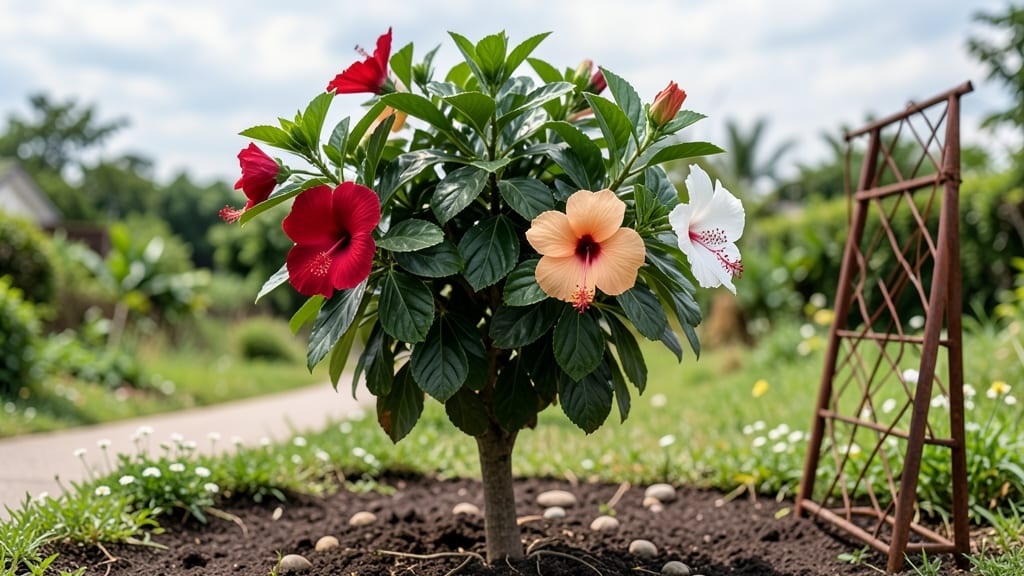
These stunning hibiscus tree pictures prove why their blooms feel like uncovering a secret garden—vibrant, bold, and impossible to ignore. 🌺 These trees thrive in small spaces when pruned correctly, transforming any yard into a tropical oasis without taking over.
The key isn’t just cutting branches; it’s sculpting their natural shape to fit your vision, whether that’s a lush hedge, a statement focal point, or a container centerpiece.
Pruning hibiscus year-round keeps them compact and encourages more blooms, but the real magic happens in how you shape them. A single tree can look completely different as a formal topiary, a wild cottage garden accent, or a structured tropical border.
The pictures you’ll see show how small adjustments—like pinching back new growth or thinning crowded branches—create dramatic changes in just a few months.
What you’ll get from this guide is a collection of real-world examples that prove hibiscus trees work anywhere.
Whether your space is sunny and Mediterranean or shaded and cottagecore, these images show how to style them with other plants—think pairing deep red blooms with silvery lavender or letting them spill over container edges with trailing ferns. The results? A garden that feels intentional, not just filled.
We’ll cover the pruning techniques behind each look, so you can recreate these styles in your own space. No matter your climate or yard size, hibiscus trees adapt—with the right cuts, they become the star of any design. Ready to see how a few strategic snips can change everything?
📚 In This Guide
- What you need
- Instructions
- Tips and common mistakes
- Wrapping up and next steps
What you need
- ● Pruning shears: Sharp, bypass-style shears (4–6 inches) for clean cuts on small branches.
- ● Loppers: Bypass or anvil type (8–12 inches) for thicker branches (½–1.5 inches in diameter).
- ● Pruning saw: Curved-tooth saw for branches over 1.5 inches thick.
- ● Rubbing alcohol (70%+) or bleach solution: 1 part bleach to 10 parts water (for sterilizing tools).
- ● Garden gloves: Heavy-duty, cut-resistant gloves (e.g., Mechanix or Filon).
- ● Disposable pruning bags or bucket: For collecting trimmings (5+ gallon capacity).
- ● Hand pruners with a ratchet mechanism for easier leverage on stubborn branches.
- ● Extension pole pruners (for tall hibiscus trees—look for 3–6 ft reach).
- ● Pruning sealant (e.g., Tanglefoot Tree Wound Pruning Seal) for large cuts (over ½ inch).
- ● Ladder or step stool (if your hibiscus is over 6 feet tall).
- ● Camera or smartphone (to capture before/after pruning pics for your hibiscus tree album!).
- ● Safety glasses (to protect from flying debris).
- ● Long sleeves/pants (hibiscus thorns can be sneaky!).
- ● Sharpie or permanent marker (for marking cuts before snipping).
- ● Hose or water spray bottle (to clean tools mid-pruning).
Step-by-step instructions for pruning hibiscus trees year-round
Here's how I keep my hibiscus trees thriving in tight spaces with minimal stress.
✂️ Step 1: Prune for Shape in Late Winter
Start your hibiscus pruning in late winter—right after the last frost but before new growth begins. This is when the tree is dormant, so it won’t bleed sap or stress from cuts. Grab your sharp pruning shears and examine the tree’s structure. Look for branches that cross, grow inward, or rub against each other—these are your first targets.
Make clean cuts just above a leaf node (the bump where leaves or branches grow). Angle the cut slightly downward to prevent water from pooling. I like to step back every few cuts to check the overall shape—hibiscus trees respond well to open, airy forms. Avoid cutting more than one-third of the tree’s height at once, or you’ll shock the plant.
🌿 Step 2: Encourage Bushiness in Early Spring
Once you see new buds forming in early spring (usually 2-3 weeks after your last frost), it’s time to shape the tree for fullness. Focus on the outer branches—these will form the tree’s silhouette. Trim back any overly long or leggy growth to encourage branching. Cut just above a set of leaves or a small side shoot to stimulate new growth.
Here’s the thing—hibiscus trees grow fast, so don’t be afraid to get hands-on. If a branch is growing straight up, cut it back to a side branch to redirect energy outward. You’ll notice the tree starts filling in within 4-6 weeks of this pruning. Water deeply after pruning to help the tree recover, but avoid overwatering—hibiscus roots need air too.
☀️ Step 3: Maintain and Deadhead Through Summer
Summer is all about light maintenance and keeping your hibiscus blooming. After each flower fades, deadhead it by snipping the stem just below the flower head. This prevents seed formation and encourages more blooms. I do this every 2-3 days during peak bloom season—it’s a quick habit that pays off with nonstop flowers.
Also, keep an eye out for weak or diseased branches. If you spot yellowing leaves, browning tips, or odd growths, prune those immediately with sterilized shears (wipe them with rubbing alcohol between cuts). Hibiscus trees are resilient, but removing damaged parts early stops problems from spreading. Prune lightly in summer—just enough to tidy up and encourage new growth.
⏰ Step 4: Light Pruning in Fall for Winter Prep
As temperatures drop in fall, shift to light pruning to clean up the tree and prep it for winter. Remove any dead, broken, or crossing branches first—these can harbor pests or diseases over the cold months. Then, trim back any overly long growth by about one-third to keep the tree compact. This helps it handle winter stress better.
Stop pruning 6-8 weeks before your first frost—you want the tree to harden off with its energy focused on root growth, not new shoots. Mulch the base with 2-3 inches of organic mulch (like shredded bark) to protect roots from freezing. Water deeply once more before the ground freezes, but reduce watering overall—hibiscus trees need less in winter.
Tips & tricks for perfect hibiscus tree pruning
Transforming your hibiscus into a thriving small-space showstopper takes more than just snipping branches. Here’s what nobody tells you about keeping your tree healthy and beautiful year-round.
The Timing Secret: Late winter pruning (right after frost but before buds swell) is your golden window—it’s when hibiscus trees are dormant and least stressed. I’ve learned this the hard way after seeing trees struggle when pruned too early or too late. The key is always checking your local frost dates and planning your first pruning session accordingly. This timing prevents sap bleeding and gives your tree time to recover before spring growth.
Cutting Technique That Changed Everything: When pruning, always make your cuts just above a leaf node at a slight downward angle. This simple adjustment prevents water from pooling on the cut, which can lead to rot. I also recommend using sharp, clean shears—dull blades crush stems instead of making clean cuts, which stresses the plant. Sterilize your shears between cuts with rubbing alcohol, especially when dealing with diseased branches in summer.
Seasonal Pruning Strategy: Summer maintenance is about more than just deadheading. Keep an eye out for branches showing signs of stress—yellowing leaves, browning tips, or odd growths. These are often early signs of pests or disease. Remove them immediately with sterilized shears to prevent spread. The 2-3 day deadheading schedule during peak bloom might seem tedious, but it’s the secret to nonstop flowers all season long. Think of it as a quick daily habit that pays off with vibrant blooms.
Pro Tips for Hibiscus Tree Pictures
- Transforming your hibiscus into a thriving small-space showstopper takes more than just snipping branches.
- The Timing Secret: Late winter pruning (right after frost but before buds swell) is your golden window—it’s when hibiscus trees are dormant and least stressed.
- Cutting Technique That Changed Everything: When pruning, always make your cuts just above a leaf node at a slight downward angle.
Frequently asked questions
Got questions about pruning your hibiscus tree to keep it lush and manageable in small spaces? Here are answers to the most common ones—so you can shape your plant like a pro!
When is the best time to prune a hibiscus tree?
The ideal time to prune is late winter or early spring, before new growth starts. This helps encourage vibrant blooms and maintains a tidy shape. Avoid heavy pruning in fall or winter, as it can stress the plant. For tropical hibiscus, you can also do light pruning after flowering to shape it up!
How much can I prune my hibiscus tree without harming it?
You can safely prune up to one-third of the plant’s height in a single session. For small spaces, focus on removing dead, crossing, or overcrowded branches first. Avoid cutting into old wood (thick, woody stems), as hibiscus blooms on new growth. Thin out dense areas to improve airflow and light penetration!
Can I prune a hibiscus tree in rainy or humid weather?
It’s best to avoid pruning during wet conditions—moisture can promote fungal diseases. Wait for a dry day with mild temperatures (ideally 60–75°F). If you must prune in humidity, sterilize your tools with rubbing alcohol and allow cuts to dry before watering the plant again.
What should I do if my hibiscus tree isn’t blooming after pruning?
Hibiscus needs a balance of pruning and care! If it’s not blooming, check these fixes:
- Light: Ensure it gets full sun (6+ hours daily)—partial shade can reduce flowers.
- Fertilizer: Use a balanced, bloom-boosting fertilizer (like 10-10-10) in spring and summer.
- Watering: Keep soil consistently moist but not soggy—drought stress stops blooms.
- Pruning timing: If you pruned too late, new growth may not have time to flower before winter.
Are there small hibiscus varieties better for pruning in tight spaces?
Consider these compact picks:
Variety
Height
Notes
Hibiscus rosa-sinensis ‘Little Red’
3–5 ft
Dwarf type with bright red flowers—perfect for containers!
Hibiscus syriacus (Rose of Sharon)
6–10 ft (can be pruned smaller)
Hardy, low-maintenance, and great for small yards.
Hibiscus ‘Pink Giant’
4–6 ft
Large blooms, heat-tolerant, and easy to shape.
These varieties thrive in pruning and stay manageable with regular trims!
Wrapping up and next steps
From seasonal trimming to year-round shaping, mastering hibiscus pruning transforms your small space into a vibrant oasis! 🌿 Whether you’re a beginner or a seasoned gardener, the right techniques—paired with clear hibiscus tree pictures—make the process simple and rewarding.
Remember, patience and consistency are key to encouraging lush blooms and sturdy growth.
Ready to take the next step? Grab your pruners, snap a few progress photos, and share your hibiscus’s transformation! Tag us or join gardening forums to swap tips—your green thumb is about to shine brighter than ever. 🌸