
Pruning
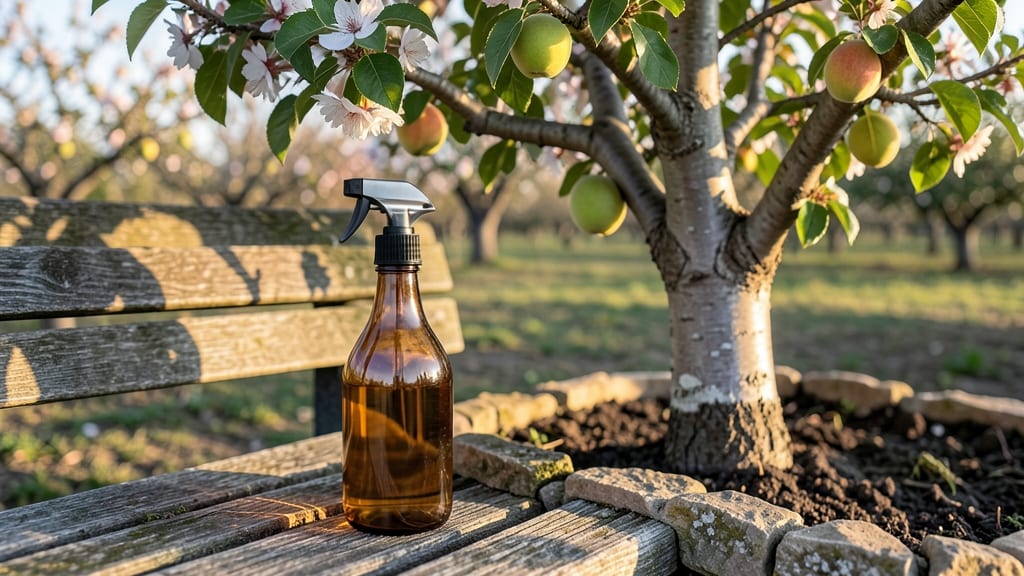
When peach trees face aphid swarms or leaf curl, homemade peach tree spray becomes your first line of defense—no harsh chemicals required. I’ve battled peach leaf curl in my orchard for years, and these simple sprays have saved my harvests without harming pollinators or my family’s health.
The key is timing: apply before buds swell in early spring, and you’ll see fewer fungal spots and stronger growth by summer.
This recipe uses neem oil, baking soda, and mild soap—ingredients you likely already have. Mixing takes under 5 minutes, and the solution works against aphids, mites, and fungal spores while being safe for bees once dry.
Just avoid spraying during flowering, when bees need protection. For leaf curl specifically, a copper-based spray (like copper fungicide) is the gold standard—but the homemade version still helps when applied early.
By midseason, your trees will show the difference: fewer curled leaves, fewer sticky aphid trails, and fruit that stays blemish-free. The spray also strengthens the tree’s natural defenses over time, reducing the need for repeated treatments.
Plus, there’s no waiting period before harvest—just organic protection that works with nature, not against it.
Works for backyard peach trees, orchard plots, and even container-grown fruit trees. The only rule? Apply on a calm day when rain isn’t forecasted for 24 hours. Your trees—and your future peach cobbler—will thank you.
📚 In This Guide
- What you need
- Instructions
- Tips and common mistakes
- Wrapping up and next steps
What you need
- ● 1 gallon of water (distilled or dechlorinated if possible—tap water can be left out overnight to off-gas chlorine)
- ● 1 tablespoon of mild liquid soap (e.g., Castile soap or dish soap—avoid detergents with fragrances or additives)
- ● 1 tablespoon of horticultural oil (e.g., neem oil or food-grade mineral oil—100% pure, no additives)
- ● 1 tablespoon of baking soda (food-grade, unscented)
- ○ 1 teaspoon of cayenne pepper or red pepper flakes (optional but effective for deterring pests like aphids and mites)
- ● 1 quart-sized spray bottle or pump sprayer (preferably glass or food-safe plastic—avoid metal to prevent reactions)
- ● Gloves and long sleeves (to protect your skin from oils and sprays)
- ● Pruning shears or scissors (for trimming affected branches if needed)
- ● 1 crushed garlic clove or 1 tsp garlic powder (natural antifungal and pest repellent)
- ● 1 tsp of cinnamon (adds antifungal properties and a pleasant scent)
- ● 1 tbsp of apple cider vinegar (helps balance pH and deter fungal growth)
- ● Fine mesh strainer or cheesecloth (if using whole spices or herbs like rosemary or thyme)
Step-by-Step instructions for mixing and applying organic peach tree spray
Here’s how to create an effective, all-natural spray using common household items—no fancy equipment required.
Gather and Prepare Your Materials
Start with 1 gallon of water and 2 tablespoons of vegetable oil (like canola or olive) in a large container. The oil helps break down insect body armor, making it easier for other ingredients to penetrate pests. Add 1 tablespoon of dish soap (unscented, like Dawn) to act as an emulsifier—this binds the oil and water together so they don’t separate. Stir gently until fully combined, but avoid creating suds.
Next, add 1 tablespoon of baking soda to boost the solution’s pH and deter fungal spores. This isn’t just for pests—it also helps prevent peach leaf curl, a common fungal disease. For extra protection, include 1 tablespoon of neem oil, which disrupts insect life cycles. Mix everything thoroughly with a wooden spoon or clean whisk, ensuring no clumps remain. The solution should look cloudy but uniform.
Apply the Spray at the Right Time
Spray your peach tree early in the morning or late afternoon when temperatures are below 85°F. Direct sunlight can cause the solution to evaporate too quickly, reducing effectiveness. Use a hose-end sprayer or pump sprayer to cover all surfaces—focus on the undersides of leaves, where many pests hide, and the bark where eggs may be laid. Apply until the leaves glisten but aren’t dripping; over-saturation can stress the tree.
Reapply every 7 to 10 days or after heavy rain, as the spray washes off. Consistency is key—pests and diseases don’t give up after one treatment. If you notice new infestations, repeat the process immediately. This spray works best as a preventative measure, so start applying it before you see signs of trouble, like chewed leaves or sticky residue (honeydew) on branches.
Monitor and Adjust for Best Results
Check your tree 24 hours after spraying for signs of stress, like yellowing leaves or wilting. If you see any adverse reactions, rinse the tree with plain water and reduce future applications. Most peach trees tolerate this spray well, but sensitive varieties might react—always test a small branch first. Keep an eye out for pests like aphids, mites, or peach tree borers; if they persist after two applications, consider adding 1 teaspoon of garlic or hot pepper powder to the mix for extra potency.
For long-term defense, combine this spray with pruning out damaged branches and mulching with wood chips to improve soil health. Healthy trees resist pests better, so focus on watering deeply once a week (unless it rains) and fertilizing in early spring with a balanced organic fertilizer. This spray is just one part of a holistic approach—consistent care makes all the difference.
Tips & tricks for perfect homemade peach tree spray
Real talk: The secret to this spray's effectiveness lies in precision—both in mixing and application. Here's what nobody tells you about getting it right the first time.
Emulsification is Everything: When combining the 2 tablespoons of vegetable oil with water, stir gently to avoid suds from the dish soap. The goal is to create a uniform, cloudy mixture—not a foamy one. I learned this the hard way after ruining three batches with too much agitation. Use a wooden spoon or clean whisk and stir just until the oil disappears completely. The emulsifier (dish soap) needs time to work without creating bubbles that break down the solution's integrity.
Neem Oil Potency: The 1 tablespoon of neem oil is non-negotiable for this spray's effectiveness. Store-bought neem oil varies in concentration—some brands are 100% pure, while others are diluted. If your neem oil has a strong, bitter smell, it's likely potent. For extra protection against peach tree borers, add 1 teaspoon of garlic powder to the mix (clearly marked as optional in the instructions) during Step 1. This combination disrupts insect life cycles at multiple stages.
Application Precision: In Step 2, focus on undersides of leaves and bark crevices where pests hide. I use a hose-end sprayer with a fine mist setting to ensure even coverage without over-saturating. The key is to apply until leaves glisten—not drip. Over-saturation can stress the tree and wash off too quickly. For larger trees, consider using a backpack sprayer for better reach and control. Consistency is critical: pests don't give up after one treatment, so stick to the 7-10 day reapplication schedule.
Monitoring After Spray: The 24-hour check after application is crucial. Watch for yellowing leaves or wilting, which indicate stress. Most peach trees tolerate this spray well, but sensitive varieties might react. If you notice adverse reactions, rinse immediately with plain water and reduce future applications. For long-term defense, combine this spray with pruning damaged branches and mulching with wood chips to improve soil health. Healthy trees resist pests better—so focus on watering deeply once a week and fertilizing in early spring with a balanced organic fertilizer.
Pro Tips for Homemade Peach Tree Spray
- Real talk: The secret to this spray's effectiveness lies in precision—both in mixing and application.
- Emulsification is Everything: When combining the 2 tablespoons of vegetable oil with water, stir gently to avoid suds from the dish soap.
- Neem Oil Potency: The 1 tablespoon of neem oil is non-negotiable for this spray's effectiveness.
Frequently asked questions
Got questions about keeping your peach trees healthy without harsh chemicals?
Here are answers to the most common queries about homemade peach tree sprays—so you can grow thriving fruit with confidence!
When is the best time to spray my peach tree?
Spray your peach tree early in the morning or late afternoon to avoid burning the leaves from direct sunlight. Apply sprays before pests appear (like in early spring) and after harvest to prevent fruit contamination. Avoid spraying when blooms are open to protect pollinators!
Can I use this spray on other fruit trees?
Yes! This organic, DIY spray works on apple, cherry, plum, and pear trees too. Just adjust ratios if treating heavy infestations—some trees may need stronger solutions. Always spot-test a small area first to check for sensitivity.
What if my peach tree still gets pests after spraying?
If pests persist, reapply the spray every 7–10 days and check for hidden eggs or larvae. For stubborn issues, mix in neem oil (1 tsp per gallon) or insecticidal soap. Severe cases may require beneficial nematodes for soil-dwelling pests.
Is it safe to spray peach trees right before harvesting?
No—wait at least 2–3 days before picking fruit to let residues settle. For edible sprays (like garlic or neem), extend the wait to 7–14 days. Always rinse fruit thoroughly if you’re unsure!
Can I store leftover homemade spray?
Store unused spray in a sealed, opaque container (like a spray bottle) in the fridge for up to 5–7 days. Avoid metal containers (they corrode) and never reuse leftover spray if it smells off or looks cloudy—pests can grow in it!
Wrapping up and next steps
Creating your own homemade peach tree spray is a game-changer for organic gardening! With just a few simple ingredients, you can protect your trees from pests and diseases naturally—saving money and the environment. 🌿
Now that you’re armed with this easy recipe, take action this weekend! Mix up a batch, spray your trees, and enjoy the peace of mind knowing you’re fostering a healthier, thriving orchard. Happy gardening—your peach trees will thank you! 🍑✨