
Size
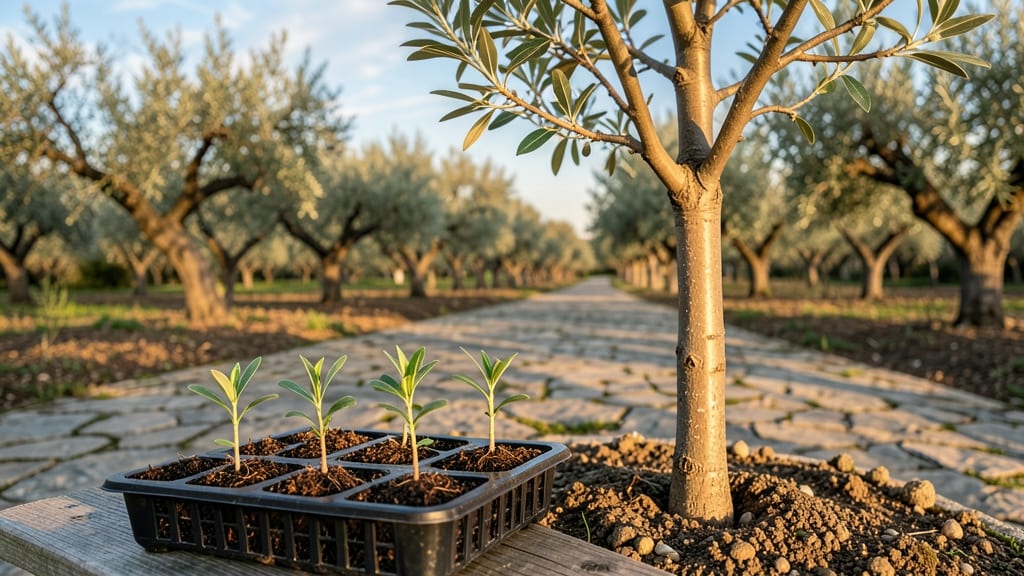
Growing an almond tree from seed to nut-filled branches is one of those rewarding projects that makes you feel like a true gardener. 🌱 I planted my first almond tree five years ago, and while it took patience, the sight of those first tiny nuts forming was worth every late-night watering session.
The key isn't just in the planting—it's in understanding how to nurture it through each season, from the delicate seedling stage to the point where it's strong enough to produce nuts.
You'll need the right conditions: well-draining soil, full sun for at least six hours a day, and a climate that mimics California's Mediterranean zone (USDA zones 7-10). Almond trees are picky about water—too much and you'll drown the roots, too little and you'll stunt growth.
I learned this the hard way when my first sapling wilted after a heavy rain. The secret is consistent moisture during the first two years, then gradually reducing water as the tree matures.
By year three, you should see your first blossoms, followed by the promise of nuts if you've been patient with pruning and soil care. The tree will look lush and full, with branches heavy enough to support the weight of almonds.
The real magic happens in late summer when you can finally harvest—though it might take up to five years for a full crop, depending on the variety and growing conditions.
Don’t let the challenges scare you off. Almond trees are tough once established, and with the right care, they’ll reward you with years of harvests. Whether you're growing from seed or a sapling, the process is manageable—and the payoff is unforgettable. Ready to get started?
📚 In This Guide
- What you need
- Instructions
- Tips and common mistakes
- Wrapping up and next steps
What you need
- ● Almond tree seeds or saplings: 1–3 non-hybrid almond seeds (from store-bought almonds may not sprout—opt for seeds from a nursery or online supplier like Raintree Nursery or Fast-Growing-Trees.com). OR 1–2 rooted almond saplings (faster-growing, 1–2 years old, available at local nurseries or online).
- ● Well-draining soil: Mix 60% sandy loam + 30% compost + 10% perlite/vermiculite (avoid clay-heavy soil! 🚫).
- ● Pot or planting site: For seeds: 5–7 gallon pot (with drainage holes) or a 6–8 inch deep hole in the ground.
- ● For saplings: 10–15 gallon pot or a 2–3 ft wide, deep hole.
- ● Fertilizer: Balanced 10-10-10 or organic options like alfalfa meal or compost tea (apply sparingly—almond trees are sensitive!).
- ● Mulch: 2–3 inches of wood chips or straw (keep 6 inches away from the trunk to prevent rot).
- ● Watering can or hose (with a gentle spray nozzle for seedlings).
- ● Pruning shears (sterilized with rubbing alcohol).
- ○ Grafting tools (optional for advanced growers): Grafting knife, grafting tape, and compatible rootstock (like Prunus dulcis varieties).
- ● Climate: Almond trees thrive in USDA Zones 5–9 with warm, dry summers and cold winters (they need 300–600 chill hours below 45°F/7°C).
- ● Sunlight: Full sun (6–8+ hours daily)—no shade allowed!
- ● Water access: Drought-tolerant once established, but seedlings need consistent moisture (avoid waterlogging!).
- ● Pollination: Almond trees are self-pollinating but benefit from a second tree (or nearby bees!) for better nut production.
- ● Patience: From seed, it takes 3–5 years for nuts; saplings may fruit in 2–3 years.
Step-by-step instructions for growing an almond tree from seed
Here's how to nurture your almond seed into a thriving young tree.
🌱 Step 1: Stratify the Almond Seed for Germination
Almond seeds need a cold period to break dormancy. Place the seed between two damp paper towels in a sealed plastic bag. Store it in your refrigerator for 6-8 weeks, checking weekly to keep the towels moist but not soggy. You'll see the seed begin to sprout when the radicle (root) emerges—usually after 4-6 weeks if stored at 35-40°F.
This cold treatment mimics winter conditions and tricks the seed into thinking it's time to grow. If the towels dry out, the seed won't germinate. I like to wrap the bag loosely with a rubber band so it doesn't get crushed in the fridge.
🪴 Step 2: Plant the Germinated Seed in a Pot
Once the root is ½ inch long, plant the seed in a 6-inch pot filled with a mix of 50% potting soil and 50% perlite. The seed should sit 1 inch deep, with the pointed end facing downward. Gently press the soil around it to secure it without compacting.
Place the pot in a sunny spot where it gets 6-8 hours of light daily. Almond trees love warmth—keep the soil temperature above 60°F for best growth. You'll notice the first true leaves appear in 2-3 weeks, signaling healthy development.
☀️ Step 3: Transplant and Provide Full Sun
After 6-8 weeks, when the seedling has 4-6 true leaves, transplant it into a 10-inch pot with well-draining soil. Almond trees need full sun (6+ hours daily) to thrive, so move it outdoors if possible. If growing indoors, supplement with a grow light to prevent leggy growth.
Water deeply when the top inch of soil feels dry, but avoid soggy soil—almond trees hate "wet feet." You'll see new branches form in 3-4 months, indicating strong root development. This is when you know the tree is ready for its next phase of growth.
✂️ Step 4: Prune and Support the Tree's Structure
Once the tree reaches 2 feet tall, prune to encourage a strong framework. Remove any weak or crossing branches using sterilized pruning shears. Keep the central leader (main upward branch) dominant by trimming side branches back to a bud or node.
Almond trees need space—if growing in a container, choose a 15-gallon pot by year two. You'll notice buds forming in early spring, which will eventually turn into blossoms. This is your reward for patience—each bloom could lead to nuts in 3-5 years!
Tips & tricks for growing an almond tree from seed
Growing an almond tree from seed is a rewarding journey that demands patience and attention to detail. Here's what I've learned to help you nurture your seedling into a thriving tree.
Temperature Matters: During the 6-8 week stratification period, maintain the refrigerator temperature between 35-40°F consistently. I've found that placing the bag on the middle shelf—where it's neither too cold nor too warm—works best. The goal is to simulate winter conditions, so avoid opening the fridge door frequently. If your fridge runs cooler, you might see sprouting in as little as 4-6 weeks, but don't rush it—wait for that radicle to appear before planting.
Lighting Strategy: Almond trees thrive on sunlight, but transition gradually when moving your seedling outdoors. Start by placing it near a south-facing window for a few hours daily, then gradually increase exposure to the full 6-8 hours of sunlight. If growing indoors, position it within 2 feet of a grow light for 12-14 hours daily. I've seen seedlings stretch unnaturally when they don't get enough light—this is called "legginess"—so keep that grow light close!
Soil Mix Secrets: The 50% potting soil and 50% perlite mix is crucial for drainage. Almond trees despise soggy roots, so if you don't have perlite, consider using coarse sand or pumice instead. I've had success with a mix of 40% potting soil, 30% perlite, and 30% coconut coir for even better moisture control. Just make sure whatever you use doesn't compact when wet—your seedling's roots need room to breathe.
Pruning Precision: When your tree reaches 2 feet tall, focus on creating an open center by removing branches that cross or grow inward. I like to use sharp, sterilized pruning shears to make clean cuts just above a bud or node. This encourages outward growth and better air circulation. Remember, almond trees produce their best fruit on older wood, so avoid heavy pruning—just shape and guide the tree's natural form.
Pro Tips for How Do You Grow An Almond Tree
- Growing an almond tree from seed is a rewarding journey that demands patience and attention to detail.
- Temperature Matters: During the 6-8 week stratification period, maintain the refrigerator temperature between 35-40°F consistently.
- Lighting Strategy: Almond trees thrive on sunlight, but transition gradually when moving your seedling outdoors.
Frequently asked questions
Got questions about growing your own almond tree? You’re not alone! Here are some of the most common queries—plus straightforward answers to help you succeed.
Can I grow an almond tree from a store-bought almond?
Unfortunately, no! Store-bought almonds are often hybridized for taste and shelf life, not propagation. For success, start with non-hybridized seeds or buy a grafted sapling from a nursery. If you’re curious, try sprouting the seed for fun—it’s a cool science experiment!
How long does it take for an almond tree to produce nuts?
Patience is key! Most almond trees take 3–5 years to bear fruit after planting. Dwarf varieties may produce nuts slightly sooner (around 2–3 years), but full-size trees need more time. Cross-pollination is also required—plant at least two compatible varieties for nut production.
What’s the best climate for growing almond trees?
Almond trees thrive in USDA Zones 5–9 but prefer hot, dry summers and mild winters. They need 6–8 hours of sunlight daily and well-draining soil. If you live in a humid area, choose disease-resistant varieties or grow them in containers for better control.
Why aren’t my almond tree leaves turning green?
Yellow or pale leaves often signal nutrient deficiencies (like nitrogen or magnesium) or pests. Test your soil and amend with compost or a balanced fertilizer. Check for aphids or mites too—spray with neem oil if needed. Overwatering can also cause yellowing, so ensure proper drainage.
Can I grow an almond tree in a pot?
Yes! Dwarf varieties (like ‘Nonpareil’ or ‘Butte’) work well in 15–20 gallon pots with drainage holes. Use a mix of potting soil and perlite, and move the pot outdoors in spring/summer. Just remember: container-grown trees may produce fewer nuts than in-ground trees.
Wrapping up and next steps
Growing an almond tree is a rewarding journey that blends patience, care, and a touch of science! 🌱 With the right soil, climate, and a little elbow grease, you’ll soon be harvesting your own homegrown nuts in just a few years.
Start small—whether from a seed, sapling, or grafted tree—and watch your efforts bloom into a thriving orchard.
Ready to take the next step? Plant your first tree today! Even if you’re new to gardening, every expert started somewhere. Bonus tip: Keep a gardening journal to track progress and celebrate those early blooms! 🌸