
Pruning
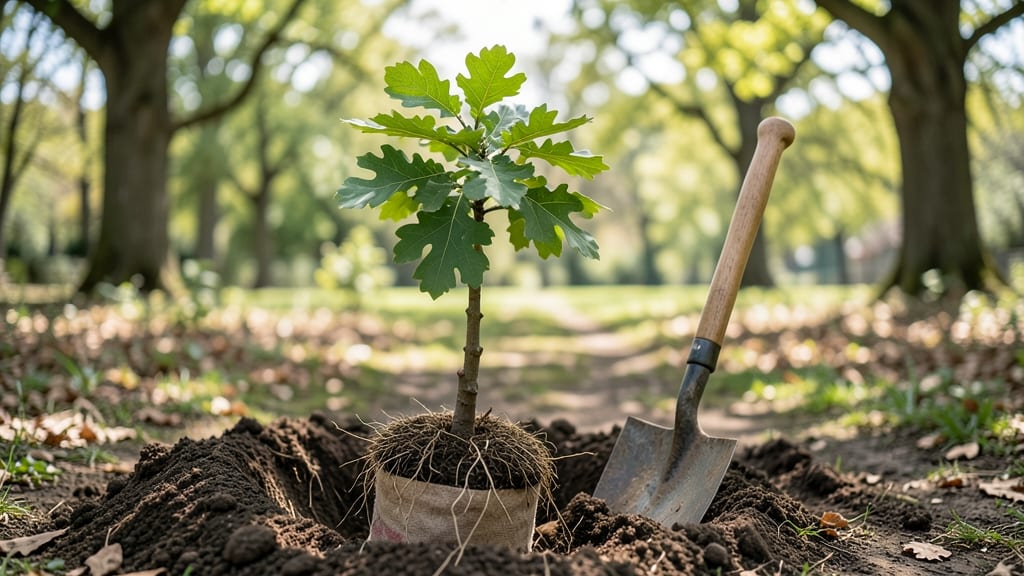
Digging a hole for a tree isn’t just about brute force—it’s about creating the perfect foundation for decades of growth. 🌳 A hole that’s too shallow or compacted will strangle roots before they even start, while one that’s too wide creates a sinkhole for water.
I’ve seen trees planted with care only to fail because of these simple mistakes, and I’m here to make sure yours doesn’t.
The right hole starts with twice the width of the root ball and as deep as the roots—no deeper, or you’ll suffocate them. For young trees, a 12-inch-deep hole works, while mature specimens need 18-24 inches, depending on the root system.
You’ll need a shovel, auger, or even a post hole digger, but the real secret is loosening the soil at least 12 inches outward from the hole’s edge to prevent root circling.
When you plant, the top of the root ball should sit 1-2 inches above ground level—this prevents rot while allowing roots to spread naturally. Backfill with the native soil you removed (no amendments unless your soil is terrible), then water deeply to settle everything.
The goal? A tree that grows strong, not one that fights for survival from day one.
This method works for fruit trees, shade trees, and even large ornamentals. The key is patience—rushing leads to weak roots, but taking the time now means fewer headaches (and fewer calls to the arborist) later. Ready to get started?
📚 In This Guide
- What you need
- Instructions
- Tips and common mistakes
- Wrapping up and next steps
What you need
- ● Shovel or spade: A flat-edged digging spade (16–20 inches wide) for precision, or a round-point shovel for tougher soil. Quantity: 1 (or 2 if working with clay or rocky soil).
- ● Measuring tape or ruler: At least 3 feet long to ensure proper depth (typically 2–3 times the root ball diameter or 1.5 times the tree’s trunk diameter).
- ● Wheelbarrow or bucket: 5+ gallons for amending soil or removing excess dirt.
- ○ Garden hose or watering can: To moisten the hole before planting (optional but highly recommended for clay-heavy soils).
- ● Native soil or amended mix: 50–70% native soil (from the hole) + 30–50% organic matter (compost, peat moss, or coconut coir) for drainage and nutrients.
- ○ Stakes and twine (optional but useful): 2–4 wooden stakes (1–2 feet long) + twine or burlap for temporary support if planting a young or top-heavy tree.
- ● Post-hole digger or auger: Speeds up digging in compacted or rocky soil (rent or borrow if needed).
- ● Gloves: Heavy-duty work gloves to protect your hands from rocks, roots, or rough soil.
- ● Knee pads: Because digging all day shouldn’t mean sore knees! 😅
- ● Soil pH tester: If your area has acidic or alkaline soil, test it to adjust with lime or sulfur as needed.
- ● Landscape fabric: A 3-foot square to place under mulch (if using) to prevent weeds.
Step-by-step instructions for digging a tree hole
Here's how to dig a hole that gives your tree the perfect start—no guesswork, just strong roots.
🪴 Step 1: Mark the Hole Location and Measure Proper Dimensions
Use a garden hose or spray paint to mark a circle on the ground where you'll dig. For most trees, the hole should be 2-3 times wider than the root ball but only as deep as the root ball itself. I always double-check the root ball's depth by gently lifting the tree from its container—this prevents planting too deep and suffocating the roots.
Here's the thing—if you're planting a bare-root tree, the hole should match the spread of the roots. For container-grown trees, the hole should be slightly wider than the container's diameter. Mark the center point with a stake so you don't lose track while digging.
🌱 Step 2: Dig the Hole with Precision and Care
Start digging with a shovel or trenching tool, working outward from the center point. Keep the sides of the hole slightly sloped—about a 15-degree angle—so roots can easily spread into the surrounding soil. I like to use a flat spade for the first few inches to create a clean bottom, then switch to a round-point shovel for the sides.
Stop digging when you reach the correct depth—never deeper than the root ball. If the hole is too deep, you'll bury the trunk too far, which can cause rot or girdling roots. Test the depth by placing the root ball in the hole; the top should sit 1-2 inches above ground level after settling.
💧 Step 3: Amend the Soil and Check Drainage
Before placing the tree, mix the native soil from the hole with 1/3 compost or amended soil (like the 4 cubic yards of topsoil you’ll use). This improves drainage and provides nutrients. I always rake the bottom of the hole to break up any compacted layers—roots won’t grow well in hardpan.
Test drainage by filling the hole with water and waiting 15-20 minutes. If water pools at the bottom, you’ll need to add sand or gravel to improve drainage. Good drainage means water should seep away within that time—no soggy bottoms allowed.
⏰ Step 4: Prepare the Hole for Planting
Create a mound of soil in the center of the hole—about 6-12 inches high—to help position the tree at the right depth. This ensures the root flare (where roots meet the trunk) sits above ground level, which prevents moisture from pooling around the trunk. I press the mound down firmly so it holds the tree steady when you place it.
Real talk: If you’re planting in clay soil, consider adding a drainage layer of 1-2 inches of coarse sand or small gravel at the bottom before mounding. This extra step prevents waterlogging, especially for trees sensitive to soggy roots.
Tips & tricks for perfect tree hole digging
These simple tricks will help you dig a hole that gives your tree the best possible start for healthy growth.
Depth Check: After digging, always test the depth by placing the root ball in the hole—the top should sit 1-2 inches above ground level after settling. I learned this the hard way after planting a tree too deep, which led to trunk rot. Use a measuring tape or stick to verify before backfilling.
Soil Slope Strategy: The 15-degree angle on the hole sides isn't just for looks—it encourages roots to spread naturally into the surrounding soil. I use a small level tool to check the angle while digging. For larger holes, consider renting a trenching tool to maintain consistent slopes without backbreaking work.
Drainage Test: That 15-20 minute water test is your best friend for preventing soggy roots. If water pools after this time, add 1-2 inches of coarse sand or gravel before planting. I always do this test twice—once before amending soil and again after—to ensure proper drainage throughout the hole.
Equipment Upgrade: For holes wider than 2 feet, swap your shovel for a trenching tool or post hole digger. These tools create cleaner edges and maintain the proper slope automatically. If you're digging multiple holes, consider renting a small auger for even faster results while keeping the same depth precision.
Pro Tips for Dig A Hole For A Tree
- These simple tricks will help you dig a hole that gives your tree the best possible start for healthy growth.
- Depth Check: After digging, always test the depth by placing the root ball in the hole—the top should sit 1-2 inches above ground level after settling.
- Soil Slope Strategy: The 15-degree angle on the hole sides isn't just for looks—it encourages roots to spread naturally into the surrounding soil.
Frequently asked questions
Got questions about digging the perfect hole for your tree? You’re not alone—planting a tree is exciting, but the details matter! Here are answers to the most common questions to help you avoid mistakes and set your tree up for success.
How deep should the hole be for a tree?
The hole should be twice as wide as the root ball and just as deep (or slightly shallower). If the root ball is in a container, remove it and check the bottom roots—dig until they’re level with the surrounding soil. Over-deepening can suffocate roots, while too-shallow holes cause instability. Pro tip: Use a tape measure to double-check!
When is the best time of year to dig a hole for a tree?
Fall (late September to early November) and early spring (March–April) are ideal. These seasons let roots establish before extreme heat or cold. Avoid planting in summer (unless you’re in a mild climate) or winter—roots struggle in freezing or drought conditions. Bonus: Cooler temps reduce transplant shock!
What if my shovel hits rocks or hard soil?
Don’t force it! Rocks or compacted soil can damage roots or your tools. Instead, break up the soil gently with a mattock or dig around the obstacle. If rocks are large, consider relocating the hole slightly. For clay-heavy soil, add compost or sand to improve drainage before planting. Patience pays off!
Can I plant a tree in a hole that’s too small?
Yes, but it’s risky. A cramped hole restricts root growth, leading to stunted trees or top-heavy instability. If you must, loosen the sides of the hole to encourage roots to spread outward. For long-term health, always dig wide enough—roots need room to breathe!
How do I improve drainage in a hole with poor soil?
If water pools in the hole, mix in organic matter like compost or peat moss to loosen the soil. For heavy clay, add coarse sand or perlite. Avoid filling the hole with pure gravel—it can create air pockets and harm roots. Test drainage by filling a small section with water; it should drain within 30 minutes.
Still unsure? Drop your question below—we’re happy to help you dig in with confidence!
Wrapping up and next steps
Digging the perfect hole for your tree is the foundation for its long-term health and growth—literally! 🌳 By following the right depth, width, and drainage techniques, you’ll give those roots the space they need to thrive.
Remember: patience and precision are key, and every effort you put in now will pay off with a sturdy, beautiful tree for years to come.
Ready to plant? Once your hole is ready, grab your tree and get started—your future shade (or fruit!) is just a few shovels away. Happy digging!