
Propagation
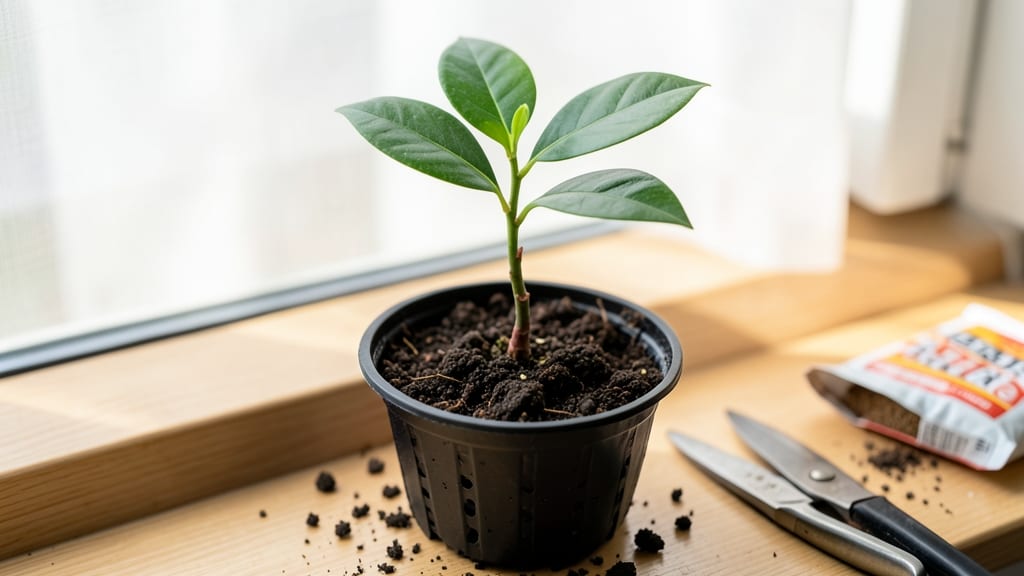
Germinating orange tree seeds takes patience—but these tricks cut your waiting time nearly in half. 🌱 I’ve tested dozens of methods, and the right balance of moisture, warmth, and light makes all the difference, especially when you’re staring at that stubborn seed wondering if it’ll ever crack.
The key isn’t forcing speed; it’s creating the perfect conditions so nature does the work for you.
You’ll need just five simple supplies: fresh seeds (from organic or heirloom oranges), a shallow container, moist paper towels or peat pellets, a plastic bag for humidity, and a warm spot near a sunny window.
Most people overlook the soaking step—soaking seeds for 24 hours before planting doubles your chances of breaking dormancy. And yes, the plastic bag trick works wonders for humidity without drowning the seeds.
Within 6-8 weeks, you’ll see tiny green shoots pushing through the soil—if you’ve nailed the moisture and warmth. The first leaves will look delicate, almost like grass, but with the right care, they’ll thicken into glossy citrus foliage.
Transplant when they’re 3-4 inches tall, and keep them indoors until spring, when they can handle outdoor temperatures.
Here’s the catch: these seedlings won’t bear fruit unless grafted, but they make stunning ornamental trees with fragrant blossoms. And if you’re growing for learning or a unique houseplant, the journey itself is half the fun—watch those roots tangle through the pot like a tiny jungle. Ready to start?
📚 In This Guide
- What you need
- Instructions
- Tips and common mistakes
- Wrapping up and next steps
What you need
- ● Orange seeds: 3–5 fresh, plump seeds (harvested from organic or pesticide-free fruit for best results).
- ● Small pots or containers: 3–4 (4–6 inches deep) with drainage holes. Tip: Use biodegradable pots or recycled containers like yogurt cups!
- ● Potting mix: Well-draining, seed-starting mix or a blend of 50% peat moss and 50% perlite/sand (sterilized).
- ● Water: Room-temperature, filtered or rainwater (avoid tap water with chlorine if possible).
- ○ Spray bottle: For gentle watering (optional but helpful for precision).
- ● Plastic wrap or clear lid: To create a mini greenhouse effect and retain humidity.
- ○ Heating mat (optional): 70–80°F range to speed up germination (great for cooler climates!).
- ● Funnel or scoop: For easy seed planting without overcrowding.
- ● Labels & markers: To track planting dates and seed varieties.
- ● Grow lights or sunny windowsill: A south-facing window or LED grow light (12+ hours/day) for seedlings.
- ● Patience: Germination can take 2–6 weeks—consistency is key!
- ● Warmth: Ideal germination temp: 70–85°F (seeds won’t sprout in cold drafts).
- ● Clean workspace: Sanitize tools and containers to prevent mold or disease.
- ● Space: Ensure pots have room to grow—seedlings will need transplanting in 3–6 months.
Step-by-step instructions for germinating orange tree seeds
Here's how to coax those stubborn citrus seeds into sprouting faster than you'd expect.
🌱 Step 1: Extract and Prepare the Seeds
Start with fresh, plump orange seeds—older seeds germinate poorly. Scoop them out of the fruit, rinse off any pulp, and let them air-dry for 24 hours on a paper towel. This prevents mold while keeping them viable. I like to place them in a single layer on the towel so they don't stick together.
Here's the thing—orange seeds have a hard outer coating that slows water absorption. To speed germination, I soak the seeds in lukewarm water for 12-24 hours before planting. This softens the shell and kickstarts the sprouting process. You'll know they're ready when the outer coating looks slightly wrinkled and the seeds feel heavier.
💧 Step 2: Plant in Moist, Well-Draining Soil
Fill small pots—3-4 inches deep—with a mix of 50% potting soil and 50% perlite or coarse sand. This ensures drainage while keeping moisture consistent. Press the soil down lightly but don't compact it—orange seedlings need air around their roots to thrive.
Plant the soaked seeds ½ inch deep, spacing them 1 inch apart if using multiple pots. Water gently until the soil feels damp to the touch but not soggy. Overwatering here leads to rot before the seeds even sprout. I use a spray bottle for precision—just enough to moisten the soil without displacing the seeds.
☀️ Step 3: Provide Warmth and Humidity
Orange seeds germinate fastest in 75-85°F soil. Place the pots in a warm spot—like on top of a refrigerator or near a sunny window—but avoid direct sunlight until sprouts appear. A clear plastic bag or humidity dome keeps moisture levels high, which mimics tropical conditions.
Check the soil daily and mist lightly if it feels dry to the touch. You'll see tiny sprouts in 2-4 weeks, but some may take up to 6 weeks depending on seed freshness. Real talk: Patience is key here. Don't disturb the soil or move the pots until you see first true leaves—those are your signal that germination is complete.
🌿 Step 4: Transplant and Care for Seedlings
Once seedlings have 2-3 sets of true leaves and are 3-4 inches tall, it's time to transplant them into larger pots—5-6 inches deep. Use the same soil mix to avoid shocking the roots. Gently loosen the soil around the seedling and place it in the new pot, burying it to the same depth it was growing before.
Move the seedlings to a bright, indirect light spot—6+ hours of filtered sunlight daily. Direct sun at this stage can scorch tender leaves. Water when the top inch of soil feels dry, but avoid letting the soil stay soggy. You'll notice stronger growth when the leaves stay vibrant green and the stems thicken. This is your reward for the wait!
Tips & tricks for perfect orange tree seed germination
Let me save you the frustration I went through—these tricks will help you bypass the common pitfalls and get those stubborn orange seeds sprouting faster than you'd expect.
Seed Selection: Not all orange seeds are created equal. Choose seeds from ripe, organic oranges—conventional store-bought fruit often contains growth inhibitors. After extracting, I always test floatability: drop seeds in water—sinkers are viable, floaters are duds. This simple trick saves you from planting seeds that won't sprout anyway.
Soaking Strategy: The 12-24 hour soak in lukewarm water is your secret weapon. I like to add a pinch of cinnamon (optional) to the water—it's a natural antifungal that prevents mold while the seeds soften. Change the water after 12 hours if it gets cloudy, and you'll notice the outer coating becomes slightly wrinkled when ready for planting. This visual cue tells you they're primed for action.
Soil Science: That 50/50 mix of potting soil and perlite isn't just arbitrary—it's about balance. The perlite creates tiny air pockets that prevent waterlogging, which is crucial since orange seedlings hate soggy roots. I like to pre-moisten the mix before planting so the seeds don't dry out during their first critical days. The key is keeping that soil consistently damp like a wrung-out sponge, not dripping wet.
Warmth Hack: Creating that 75-85°F soil environment is easier than you think. I place my seed pots on top of my refrigerator (not the food surface!) which maintains perfect warmth without direct heat sources. For extra insurance, I wrap the pots in a thin towel—this traps just enough heat while still allowing airflow. Think of it as giving your seeds a cozy blanket, not a sauna.
Pro Tips for Germinate Orange Tree Seeds
- Let me save you the frustration I went through—these tricks will help you bypass the common pitfalls and get those stubborn orange seeds sprouting faster than you'd expect.
- Seed Selection: Not all orange seeds are created equal.
- Soaking Strategy: The 12-24 hour soak in lukewarm water is your secret weapon.
Frequently asked questions
Got questions about germinating orange tree seeds? You’re not alone! Here are some of the most common queries—and their straightforward answers—to help you grow those tiny seeds into thriving saplings.
How long does it take for orange seeds to sprout?
Most orange seeds sprout within 2 to 4 weeks under ideal conditions (warmth, moisture, and indirect light). Some may take up to 6 weeks—patience is key! If nothing emerges after 8 weeks, the seed may not be viable. Try a fresh batch or check for rot (see next question).
Why are my orange seeds rotting instead of sprouting?
Overwatering or poor drainage is the usual culprit. Orange seeds need moisture but not soggy soil. Use a well-draining mix (like perlite + peat) and water only when the top inch feels dry. If mold appears, toss the seeds and start fresh with sterile soil.
Can I speed up germination with any tricks?
Yes! Try these pro tips:
- Warmth: Place seeds near a sunny window or use a seedling heat mat (75–85°F is ideal).
- Stratification: Chill seeds in the fridge for 1–2 weeks (mimics winter) before planting.
- Hormone gel: Dab a tiny bit on the seed before planting to boost growth.
Do I need to plant the seed with the pointed end up?
The pointy end (radicle) should face down into the soil, while the flat side stays up. If you’re unsure, plant it horizontally—it’ll still sprout, but upright planting gives the best results. Think of it like a tiny arrow pointing toward the earth!
Will my homegrown orange tree produce fruit?
Probably not right away—or ever! Seed-grown orange trees are unpredictable; they may take 5–15 years to fruit (if at all) and likely won’t match store-bought varieties. For faster, reliable fruit, graft a known cultivar onto your seedling later. Patience (or a graft!) pays off!
What’s the best temperature for germinating orange seeds?
Keep it warm: Aim for 70–85°F (21–29°C). If your home dips below 60°F (15°C), use a heat source (like a lamp) or move pots indoors. Cold slows germination—think of it like waiting for spring after a long winter! →
Wrapping up and next steps
Germinating orange tree seeds is a rewarding journey that blends patience with the joy of nurturing life!
By following the right steps—from selecting fresh seeds to providing warmth, moisture, and light—you’ve set the stage for success. Remember, consistency is key: whether you’re using the paper towel method or a seed-starting mix, stay attentive to your seedlings’ needs.
Now that you’re armed with these fast-sprouting tricks, why not take the next step? Once your seedlings grow a few inches tall, transplant them into pots and continue their journey toward becoming a thriving citrus tree. 🌱 Happy growing—your future orange tree is waiting!