
Size
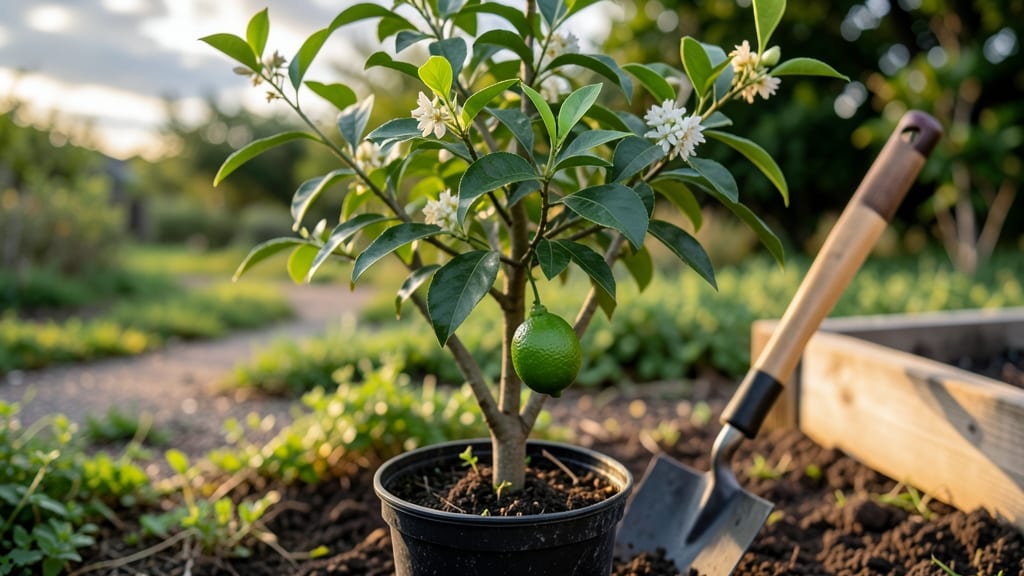
Growing a lime tree from seed to fruit is one of those gardening triumphs that feels like magic—especially when you're snipping fresh limes for summer drinks. 🌿 The secret isn't just sunshine; it's matching the right variety (Persian limes for cold climates, Key limes for heat) to your space, whether that's a sunny patio or a bright kitchen window.
You'll need well-draining soil, a pot with drainage holes (or a frost-free spot outdoors in zones 9-11), and patience—limes from seed take 3-5 years to fruit, but grafted trees deliver in just 1-2 years.
The payoff? Juicy, fragrant fruit that tastes nothing like store-bought limes, plus glossy foliage that brightens any corner.
Indoor growers should rotate plants weekly for even light exposure, while outdoor trees need afternoon shade in hot zones. Prune in late winter to shape the tree and encourage new growth, and watch for pests like scale or spider mites—neem oil works wonders for both.
The first harvest? That tart, sweet reward makes every pruning session worth it.
Whether you're growing a dwarf Meyer lime in a pot or a full-sized Persian tree in the ground, the key is consistency—water when the top inch of soil dries, fertilize lightly during growing months, and protect from frost.
With the right care, you'll have limes year after year, straight from your own sunny corner of the world.
📚 In This Guide
- What you need
- Instructions
- Tips and common mistakes
- Wrapping up and next steps
What you need
- ● Lime tree: Seed (from a fresh lime, or)
- ● Young sapling (3–6 months old, dwarf variety recommended for indoor/container growing)
- ● Cutting (6–12 inches long, from a healthy branch with 2–3 nodes)
- ● Pot: 5–7 gallon container (with drainage holes) or a 15+ gallon pot for mature trees (terracotta or fabric preferred).
- ● Potting mix: Well-draining citrus-specific soil or a blend of: 60% peat moss or coco coir
- ● 30% perlite or pumice
- ● 10% sand or vermiculite
- ● Fertilizer: Balanced citrus fertilizer (10-10-10 or 6-6-6 NPK ratio) or organic options like fish emulsion or composted manure.
- ● Watering can: With a narrow spout for precise watering.
- ● Pruning shears: Sharp, clean pair for trimming.
- ○ Rooting hormone (optional for cuttings): Speeds up propagation.
- ○ Mulch (optional): Organic mulch (e.g., straw or wood chips) to retain moisture.
- ● Sunlight: 6+ hours of direct sunlight daily (south-facing window or grow lights for indoor trees).
- ● Temperature: Ideal range: 60–85°F (avoid drafts or temps below 50°F).
- ● Humidity: Moderate to high (40–60% humidity; use a humidifier or pebble tray if indoors).
- ● Outdoor space (if applicable): USDA Zones 9–11 for outdoor planting; otherwise, container-growing works year-round.
- ● For seeds: Soak lime seeds in warm water for 24 hours to soften the shell before planting.
- ● For cuttings: Dip in rooting hormone and keep moist in a propagator or sealed plastic bag until roots form (4–8 weeks).
- ● Dwarf varieties: Choose ‘Meyer’ or ‘Tahiti’ limes—they’re hardier and perfect for containers!
Step-by-step guide to growing a thriving lime tree indoors and outdoors
Here's the straightforward approach I've used to nurture healthy lime trees—whether you're starting from seed or transplanting a young tree.
🌱 Step 1: Choose Your Starting Point and Prepare the Soil
Decide whether you're growing from seed or transplanting a young tree. If starting from seed, soak lime seeds in warm water for 24 hours—this softens the tough outer shell and speeds up germination. Use a well-draining potting mix (equal parts peat moss, perlite, and sand) to prevent root rot. Lime trees hate soggy feet, so avoid garden soil.
For transplants, pick a 3-5 gallon container with drainage holes. Fill it with the same mix, leaving 1 inch of space at the top. Tap the pot gently to settle the soil—this removes air pockets that could slow root growth. Here's the thing—lime trees are sensitive to overwatering, so proper drainage is non-negotiable.
☀️ Step 2: Plant and Position for Maximum Sunlight
If planting from seed, sow ¼ inch deep and space seeds 6 inches apart in the pot. Water lightly until the soil feels damp 1 inch down. For transplants, remove the tree from its nursery pot and loosen the roots if they're circling. Place it in the center of the container and backfill with soil, pressing gently around the base.
Lime trees need full sun—at least 6-8 hours daily. If indoors, position near a south-facing window or use a grow light for 12-14 hours/day. Outdoors, choose a spot sheltered from strong winds, which can damage the delicate branches. You'll know your tree is happy when new leaves appear within 4-6 weeks—that's your first sign of success.
💧 Step 3: Water and Fertilize for Strong Growth
Water when the top 2 inches of soil feel dry—stick your finger in to check. Overwatering is the #1 killer of young lime trees, so let the soil dry slightly between waterings. In hot weather, you might water every 2-3 days; in cooler months, once a week is often enough. Always water at the base to avoid wetting the leaves, which can cause fungal issues.
Feed your lime tree with a balanced citrus fertilizer (like 6-6-6) every 4-6 weeks during spring and summer. Cut back to once every 2 months in fall and winter. You'll see faster growth and brighter green leaves when the fertilizer is working—just don’t overdo it, or you’ll get salty soil that burns roots.
✂️ Step 4: Prune and Train for Shape and Health
Prune in late winter or early spring before new growth begins. Remove any dead, diseased, or crossing branches first—this keeps air circulating and prevents pests. Then, trim back overgrown branches to encourage a bushier shape. Lime trees respond well to pruning, so don’t be shy about shaping it early.
If growing indoors, pinch back the tips of new growth to encourage branching. Outdoors, you can let it grow taller, but keep it within 6-8 feet for easier fruit harvesting. Here's the trick—prune just above a leaf node (the bump where leaves grow) to promote new shoots. Avoid heavy pruning in fall, as it stresses the tree before winter.
🍋 Step 5: Harvest and Care for Long-Term Success
Lime trees produce fruit in 2-5 years, depending on growing conditions. Harvest when limes turn bright yellow-green and feel slightly soft when gently squeezed. Pick them before they fully ripen indoors—they won’t sweeten further off the tree. Store unripe limes at room temperature until they ripen, then refrigerate for freshness.
To keep your lime tree thriving, repot every 2-3 years in spring if it’s outgrowing its container. Choose a pot just 2 inches larger in diameter—bigger isn’t always better, as too much space can lead to overwatering. With the right care, your lime tree can live for decades and reward you with fresh fruit year after year.
Tips & tricks for perfect lime tree growth
Growing a thriving lime tree takes patience, but these small details make all the difference between a struggling plant and a fruit-bearing beauty.
Soil Secret: The 24-hour soak for seeds isn't just about speed—it's about breaking dormancy. After soaking, rinse the seeds gently to remove any softened seed coat that might inhibit germination. For transplants, that 1-inch gap at the top of the pot isn't decoration—it prevents soil splashing when you water, which can damage tender new growth.
Lighting Strategy: When positioning your lime tree indoors, remember that south-facing windows provide the most consistent light, but east or west windows work too—just rotate the pot weekly so all sides get equal exposure. For grow lights, position them just 6-12 inches above the plant and adjust as it grows. The 12-14 hours of light mimics natural summer conditions and prevents that leggy, weak growth you see in indoor plants.
Watering Wisdom: That finger-check for the top 2 inches of soil might seem basic, but it's the only reliable way to judge moisture without guessing. In hot weather, the 2-3 day watering schedule can feel risky—trust me, it's better to underwater slightly than risk root rot. And here's what nobody tells you: the soil should smell fresh, not sour or musty. That's your real indicator of healthy moisture levels.
Pruning Precision: When pruning in late winter, make your cuts just above a leaf node at a 45-degree angle. This creates a natural water runoff path and exposes more leaf surface to sunlight. For indoor trees, don't be afraid to be aggressive with shaping—lime trees respond beautifully to pruning and will fill in quickly with new growth. Just avoid cutting into old wood, as it won't regrow leaves.
Pro Tips for Grow A Lime Tree
- Growing a thriving lime tree takes patience, but these small details make all the difference between a struggling pla...
- Soil Secret: The 24-hour soak for seeds isn't just about speed—it's about breaking dormancy. After soaking, rinse the...
- Lighting Strategy: When positioning your lime tree indoors, remember that south-facing windows provide the most consi...
Frequently asked questions
Got questions about growing your own lime tree? You’re not alone! Here are answers to the most common queries—so you can grow limes like a pro.
How cold can a lime tree tolerate?
Lime trees are tropical and thrive in USDA zones 9–11. If you live in colder climates, keep them indoors near a sunny window or grow them in containers and bring them inside when temperatures drop below 40°F (4°C). Young trees are especially sensitive—avoid frost at all costs!
Can I grow a lime tree from a store-bought lime?
Yes, but it’s tricky! Store-bought limes are often treated to prevent sprouting. Try this: soak the lime in water for 24 hours, then place the bottom in moist soil. Patience is key—germination can take weeks or months. For faster results, buy a grafted tree from a nursery.
How long does it take for a lime tree to bear fruit?
With proper care, dwarf lime trees (like ‘Meyer’ limes) can produce fruit in 3–5 years, while standard varieties may take 5–10 years. Patience pays off! Ensure full sun, consistent watering, and occasional fertilizer (like citrus-specific blends) to speed up fruiting.
Why are my lime tree leaves turning yellow?
Yellow leaves usually signal overwatering, nutrient deficiency (like iron or nitrogen), or pests like aphids or spider mites. Check the soil—it should be slightly moist, not soggy. Feed your tree with a citrus fertilizer every 2–3 months and inspect leaves for pests.
Can I grow a lime tree in a pot indoors?
Use a 10–15 gallon pot with drainage holes and well-draining soil. Place it near a south or west-facing window for 6–8 hours of sunlight daily. Rotate the pot occasionally for even growth. Dwarf varieties (like ‘Meyer’) are perfect for indoor growing.
How do I know if my lime tree is male or female?
Most lime trees are self-pollinating, meaning they don’t need separate male/female plants. However, if you’re growing from seed, you’ll need both male and female trees for fruit. If unsure, buy a grafted tree—it’s already fertile!
Wrapping up and next steps
Growing a lime tree is a rewarding journey that brings tangy, fresh flavors right to your doorstep—whether indoors or out! 🌿 With the right sunlight, soil, and care, you’ll enjoy vibrant foliage, fragrant blooms, and juicy limes in just a few years.
Start small, stay patient, and soon you’ll be harvesting limes for homemade margaritas or zesty dishes.
Ready to take the next step? Plant your lime tree today and watch it thrive—your taste buds (and kitchen!) will thank you. 🍋✨