
Propagation
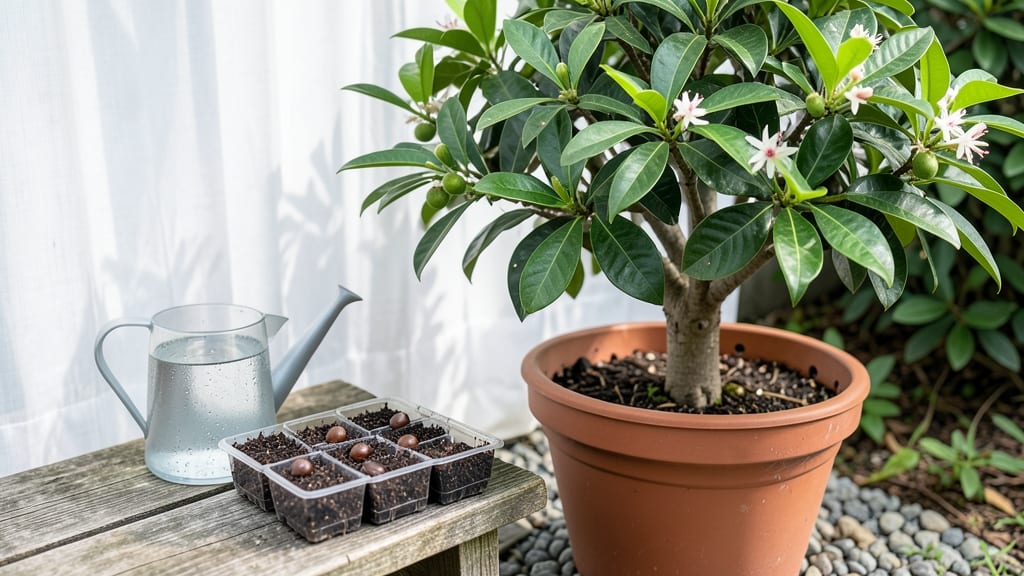
Growing a litchi tree from seed turns your kitchen counter into a tropical microclimate—though the wait for fruit will test your patience. 🌱 The real magic happens in the first six months, when a single seed transforms into a sturdy sapling with glossy leaves that smell like sunshine and possibility.
I’ve started dozens, and the ones that survive this early stage often become the backbone of a future orchard.
You’ll need a warm spot (70°F+), a clear plastic bag to trap humidity, and a soil mix that drains like a sandy beach but holds moisture like a damp sponge. Most seeds take 3-6 weeks to crack open, and not every one will germinate—that’s just part of the adventure.
The key is consistency: keep the soil damp, never soggy, and watch for the first tiny leaves that signal success.
By month six, you’ll have a foot-tall sapling with a thick trunk and branches reaching for light. It won’t fruit for 10-15 years (grafting speeds this up), but the journey is worth it.
Every new leaf feels like a victory, especially when you remember how fragile that seed was at the start.
This method works best in zones 10-11, but container growers in cooler climates can keep their saplings alive indoors with grow lights. Just be warned: litchi trees demand tropical conditions to thrive. For those who want fruit faster, grafting onto a mature rootstock is the secret weapon.
📚 In This Guide
- What you need
- Instructions
- Tips and common mistakes
- Wrapping up and next steps
What you need
- ● Fresh litchi seeds: 3–5 seeds (harvested from ripe, healthy litchis—avoid store-bought ones if possible, as they may be treated).
- ● Small pots or seed trays: 3–5 (4–6 inches in diameter) with drainage holes. Tip: Use biodegradable pots for easier transplanting later!
- ● Well-draining potting mix: 1–2 bags (a blend of coconut coir, perlite, and peat moss works best—avoid heavy clay soil).
- ● Plastic wrap or clear lid: 1 (to create a humidity dome for germination).
- ● Spray bottle: 1 (for gentle watering).
- ● Grow lights or sunny windowsill: Access to 6–8 hours of indirect sunlight daily (or a grow light for 12–14 hours if natural light is limited).
- ○ Humidity tray (optional but helpful): A shallow tray with pebbles and water to maintain moisture.
- ● Fertilizer (balanced, water-soluble): 1 (e.g., 10-10-10 NPK, diluted to half-strength for young seedlings).
- ● Pruning shears or scissors: 1 (for trimming excess growth or transplanting).
- ● Larger container or garden bed: 1 (for transplanting seedlings after 3–6 months, with well-draining soil).
- ● Seed germination kit: Speeds up the process with controlled warmth and humidity.
- ● Soil moisture meter: Ensures you’re not over- or under-watering.
- ● Rooting hormone: Boosts success when transplanting seedlings.
- ● Mulch (e.g., straw or wood chips): Retains moisture and regulates soil temperature.
- ● Trellis or support stake: Helps young trees stay upright as they grow.
- ● Pest control (neem oil or insecticidal soap): Preemptive measure for aphids or fungal issues.
Step-by-step instructions for growing a litchi tree from seed
Here's how to nurture a litchi seed into a thriving sapling in your own home.
🌱 Step 1: Extract and Prepare the Seed
Start by carefully removing the seed from a fresh, ripe litchi fruit. The seed is the large, dark brown pit inside. Rinse it thoroughly under cool water to remove any remaining fruit pulp, which can encourage mold growth. I like to soak the seed in warm water for 24 hours—this softens the outer shell and kickstarts the germination process.
After soaking, gently rub the seed with fine-grit sandpaper to rough up the hard outer coating. This helps water penetrate and speeds up sprouting. Don't scrub too hard—just enough to create tiny scratches. Place the seed on a paper towel and cover it with another towel, dampening it lightly. Store it in a sealed plastic bag and keep it in a warm spot, like on top of your refrigerator, where temperatures stay around 75-80°F.
💧 Step 2: Germinate the Seed
Check the seed every 2-3 days to ensure the paper towel stays moist but not soggy. You'll notice the seed splitting open and a small sprout emerging within 7-14 days. This is your signal that germination is underway. Once the sprout reaches about 1 inch in length, it's ready to be planted in soil.
I use a small 4-inch pot filled with a well-draining mix of 50% potting soil and 50% perlite. Plant the seed ½ inch deep, with the sprout pointing upward. Press the soil gently around the seed to secure it, but don't compact it too tightly. Water lightly until the soil feels evenly moist, but avoid oversaturating it.
☀️ Step 3: Provide Ideal Growing Conditions
Place the pot in a location with bright, indirect light—think of it as the equivalent of dappled sunlight in a forest. A south-facing window with sheer curtains works well. Litchi seedlings are sensitive to cold drafts, so keep the pot in a warm spot, ideally above 65°F. If your home gets chilly at night, consider using a small heat mat to maintain consistent warmth.
Water the seedling when the top inch of soil feels dry to the touch, usually every 3-4 days. Overwatering is the biggest mistake beginners make—it causes root rot and can kill the seedling before it even gets established. Use a spray bottle for the first few weeks to avoid disturbing the delicate sprout.
🌿 Step 4: Transplant and Encourage Growth
Once the seedling develops its first true leaves (not the initial seed leaves), it's ready to be transplanted into a slightly larger pot, around 6 inches in diameter. Use the same well-draining soil mix to prevent waterlogging. Handle the seedling carefully by its leaves, never the stem, to avoid damaging it.
At this stage, the litchi tree will need more light—aim for 6-8 hours of bright, indirect sunlight daily. If your home doesn't provide enough natural light, supplement with a grow light placed 6 inches above the plant. You'll see new leaves emerging within 2-3 weeks, signaling that the seedling is thriving. This is the moment that matters: consistent growth means your care routine is working.
⏰ Step 5: Maintain and Monitor Progress
Continue watering the seedling when the top 1-2 inches of soil feel dry, usually every 4-5 days. Fertilize lightly every 4-6 weeks with a balanced, water-soluble fertilizer diluted to half strength. Too much fertilizer can burn the young roots, so less is always better at this stage.
Watch for signs of pests like aphids or spider mites, which can attack tender new growth. If you spot any, wipe the leaves gently with a damp cloth or use a mild insecticidal soap. By 6 months, your litchi seedling should be 1-2 feet tall with several sets of true leaves. This is when you can consider moving it outdoors, if your climate allows, or keeping it indoors under optimal conditions.
Tips & tricks for growing a litchi tree from seed
Here's what nobody tells you about nurturing a litchi seed into a thriving young tree.
Seed Preparation: Don't skip the 24-hour soak—this is where most people rush and end up with slow or failed germination. The warm water doesn't just soften the seed; it activates enzymes that jumpstart the sprouting process. I've seen seeds that skipped this step take twice as long to crack open. After soaking, the sandpaper trick might feel tedious, but those tiny scratches create micro-channels for water to penetrate, which can cut your wait time by nearly half. Confession: I skipped this step for years and wondered why my seeds took forever.
Germination Environment: That sealed plastic bag with damp paper towels creates a mini greenhouse effect—just don't let it get soggy! The ideal 75-80°F range isn't just about warmth; it mimics tropical conditions where litchi trees naturally grow. I keep mine on top of my fridge because it's consistently warm there. If your home runs cooler, consider placing the bag near a sunny window during the day and moving it to a warmer spot at night. The key is consistency—temperature swings can shock the seed right when it's about to sprout.
Light Requirements: Bright indirect light is non-negotiable, but what that actually looks like can be confusing. Think of it as sunlight filtered through tree leaves—never harsh direct rays. I've used sheer white curtains to diffuse light from south-facing windows, and it's made all the difference. If you're supplementing with grow lights, place them 6 inches above the plant and use them for 12-14 hours daily to mimic natural daylight cycles. The 6-8 hours of light mentioned in Step 4 is your minimum, but more is better for leafy growth.
Transplanting Timing: Wait for those first true leaves—they'll look different from the initial seed leaves (which are usually rounder and thinner). These true leaves signal the seedling has established its own energy production system. I've made the mistake of transplanting too early, and the seedlings always seemed stressed afterward. Once you see those true leaves, your little litchi is ready for its first upgrade to a 6-inch pot. Handle it by the leaves, never the stem, to avoid damaging the delicate vascular system.
Pro Tips for Grow A Litchi Tree From Seed
- Here's what nobody tells you about nurturing a litchi seed into a thriving young tree.
- Seed Preparation: Don't skip the 24-hour soak—this is where most people rush and end up with slow or failed germination.
- Germination Environment: That sealed plastic bag with damp paper towels creates a mini greenhouse effect—just don't let it get soggy!
Frequently asked questions
Got questions about growing your own litchi tree from seed? You’re not alone! Here are some of the most common queries—and straightforward answers—to help you succeed.
How long does it take for a litchi seed to sprout?
A litchi seed typically sprouts within 2 to 4 weeks if kept in warm, moist conditions. Patience is key—some seeds may take up to 6 weeks, especially if the environment isn’t ideal. Keep the soil consistently damp (but not soggy) and maintain temperatures above 70°F (21°C) for the best results.
Can I grow a litchi tree indoors?
Yes, but with limitations! Litchi trees thrive in tropical climates, so indoor growth is possible only if you live in a warm region (USDA zones 10-12) or have a greenhouse. If indoors, place it near a south-facing window or under grow lights for 12+ hours daily. Expect slower growth and smaller fruit compared to outdoor trees.
Will my litchi tree from seed produce fruit?
Probably not for 5 to 10 years—or even longer! Seed-grown litchi trees often take decades to bear fruit because they’re not grafted (a common commercial practice). For faster fruiting, consider buying a grafted sapling instead. Even then, patience is required—litchis need full sun, humidity, and specific pollination to thrive.
What’s the best temperature for growing litchi trees?
Litchi trees hate cold! Ideal temperatures are 75–90°F (24–32°C) year-round. They can tolerate brief dips to 50°F (10°C), but frost will kill them. If you live in a cooler climate, grow them in containers and bring them indoors during winter or plant them near a heat source like a brick wall.
Why is my litchi seed not sprouting?
Try these fixes if your seed is stubborn:
- Check moisture: Overwatering can rot the seed; underwatering stalls growth. Aim for consistently damp (not wet) soil.
- Warmth matters: Place the pot near a heat mat or in a warm spot (like above a fridge).
- Test viability: Soak the seed in water for 24 hours—if it sinks, it’s likely viable. If it floats, it’s probably dead.
- Patience: Some seeds need light exposure to germinate. Try placing the pot under a grow light.
Wrapping up and next steps
Growing a litchi tree from seed is a rewarding journey that blends patience with tropical promise! While it may take 6 months to a year for your first harvest, every step—from nurturing the seedling to pruning and pollinating—builds your green-thumb skills.
Remember, even if your first tree isn’t fruit-bearing, the experience is pure joy, and you’ll learn invaluable lessons for future tropical ventures.
Now that you’re armed with knowledge, take the next step: plant that seed today! 🌱 Start small, stay consistent, and watch your litchi tree grow into a stunning centerpiece—and maybe even a future fruit producer. Happy growing! 🌴✨