
Propagation
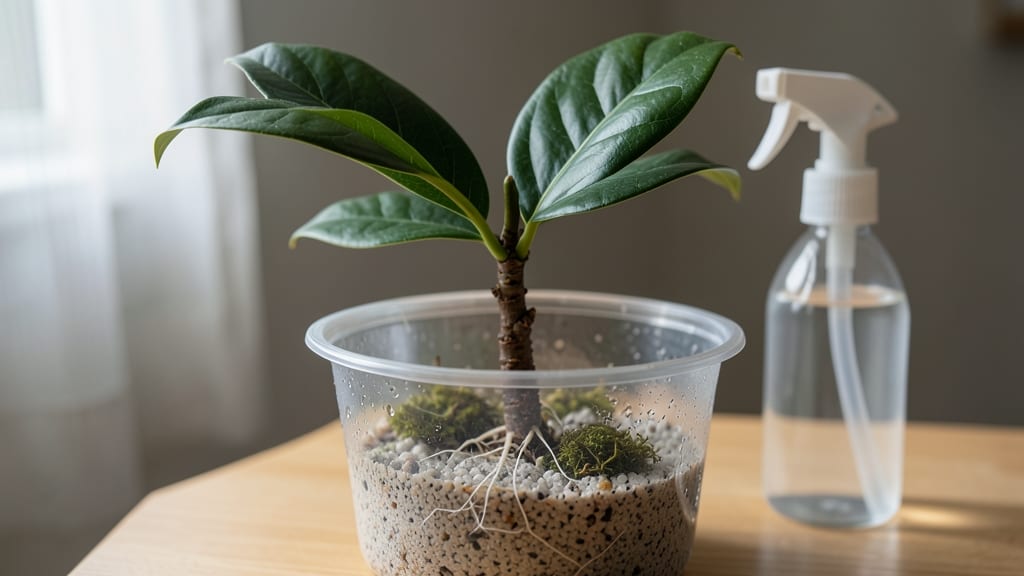
Growing a magnolia tree from a cutting means you could have a fragrant, shade-loving giant in your yard someday—if you pick the right moment and method. 🌱 I’ve rooted my share of stubborn cuttings, and magnolias are no exception, though they demand patience.
The key is timing: late summer’s semi-hardwood cuttings root best, while spring’s softwood ones often fail. Water or soil? Both work, but soil keeps roots stronger for transplanting.
You’ll need sharp pruners, rooting hormone (optional but helpful), and either a jar of water or well-draining soil mix. Magnolias hate soggy roots, so if using water, change it weekly and watch for rot.
For soil, keep humidity high with a plastic bag or humidity dome—think greenhouse in a jar. Cuttings need bright, indirect light, never scorching sun, and a warm spot (around 70°F).
Rooting can take 3-6 months, and you might not see roots until late winter. That’s normal—magnolias grow slow, but once established, they’re tough as nails. When roots hit 2-3 inches, transplant to a pot with fresh soil.
By spring, you’ll have a tiny tree ready for its forever home in the garden. The payoff? A magnolia that’ll outlive you.
Fair warning: Not every cutting thrives, and some pests (like scale) love young magnolias. But with the right setup and a little luck, you’ll beat the odds. Start small, stay consistent, and soon you’ll have a cutting that’s ready to grow into something magnificent.
📚 In This Guide
- What you need
- Instructions
- Tips and common mistakes
- Wrapping up and next steps
What you need
- ● Mature magnolia cutting: A 4–6 inch semi-hardwood stem (about pencil-thick) from a healthy magnolia tree, taken in late spring or early summer. Pro tip: Choose non-flowering branches for best results! 🌿
- ● Sharp pruning shears or bypass pruners: Clean, sterilized tools to make precise cuts and avoid damaging the stem.
- ○ Rooting hormone (optional but recommended): A powder or gel (e.g., Rootone or Clonex) to boost root growth.
- ● Small pots or propagation trays: 4–6 inch pots with drainage holes (2–3 per cutting) or a tray with individual cells.
- ● Well-draining potting mix: A blend of 50% perlite, 30% peat moss or coco coir, and 20% sand or vermiculite.
- ● Clear plastic bags or domes: To create a humid microenvironment (e.g., 1–2 per pot or the whole tray).
- ● Spray bottle with water: For gentle misting to maintain humidity.
- ● Water (for water propagation method): Room-temperature, filtered water in a clean jar or vase (change weekly).
- ● Rubbing alcohol or hydrogen peroxide: To sterilize tools and cuttings (1 part hydrogen peroxide to 10 parts water).
- ● Bright, indirect light: A sunny windowsill or grow light (12–16 hours/day). Avoid direct midday sun.
- ● Warmth: Keep cuttings in a spot with consistent temperatures between 70–80°F (21–27°C).
- ● Humidity: Aim for 70–80% humidity (use a hygrometer if needed).
- ● Fungicide (e.g., Mycorrhizal inoculant): Prevents rot and encourages root development.
- ● Heat mat: Speeds up rooting by keeping soil warm (ideal for slower-rooting varieties).
- ● Labeling tags: To track cuttings by date and magnolia type.
- ● Growth regulator (e.g., IBA gel): For stubborn-to-root varieties like Magnolia grandiflora.
Step-by-step instructions for propagating magnolia trees from cuttings
Here's the foolproof method I've used to root magnolias—whether in water or soil.
🌱 Step 1: Select and Prepare the Perfect Cutting
Choose a healthy, semi-hardwood stem from the current season's growth—about 6-8 inches long with 3-4 leaf nodes. The best time is late spring or early summer when new growth is firm but still pliable. Make a clean cut just below a node at a 45-degree angle using sharp pruners.
Remove all but the top 2-3 leaves to reduce moisture loss. If the leaves are large, trim them in half to maintain the plant's energy balance. Here's the thing—magnolias root best from cuttings with thick, woody stems, not soft green shoots. You'll know you've got the right cutting when it snaps with a slight resistance rather than bending.
💧 Step 2: Root in Water or Soil (Choose Your Method)
For water propagation, place the cutting in a clean glass jar filled with room-temperature water—just enough to cover the bottom 2 inches of the stem. Change the water every 3-4 days to prevent bacterial growth. You'll see roots emerge in 4-8 weeks, but be patient—some magnolias take longer.
For soil propagation, dip the cut end in rooting hormone (optional but helpful) and plant it in a sterile potting mix kept consistently moist. Use a small pot with drainage holes and cover the cutting with a plastic bag to maintain humidity. Keep the soil slightly damp—not soggy—until roots form, which can take 6-12 weeks.
☀️ Step 3: Provide Ideal Growing Conditions
Place your cutting in bright, indirect light—no harsh midday sun. A south-facing window works well, but avoid direct rays. If using water, keep the jar in a warm spot (65-75°F) where roots can develop without stress. If using soil, maintain high humidity by misting daily or using a humidity dome.
Watch for new growth on the top leaves—that's your sign roots are forming. If leaves yellow or drop, it's a sign of too much moisture or low light. Adjust by reducing water or moving the cutting to a brighter spot. Real talk: Overwatering is the #1 killer of cuttings, so let the soil dry slightly between waterings.
🪴 Step 4: Transplant When Roots Are Established
Once roots reach 2-3 inches long (for water) or you see new root growth through the pot's drainage holes (for soil), it's time to transplant. For water-rooted cuttings, plant in a small pot with well-draining potting mix and keep the soil moist but not waterlogged.
For soil-rooted cuttings, gently remove the plastic cover and acclimate the plant to lower humidity over 5-7 days before moving it outdoors. After transplanting, place the young magnolia in partial shade for the first few weeks to reduce stress. You'll know it's thriving when it produces new leaves within 2-4 weeks.
Tips & tricks for growing magnolia trees from cuttings
Here's what nobody tells you about making your magnolia cuttings thrive—these are the details that separate success from frustration.
Timing is Everything: Late spring or early summer is your golden window for cutting magnolias because the stems are semi-hardwood—firm but still flexible. Avoid cutting in extreme heat or cold, as the plant's energy reserves are lower. I've found that morning hours (before 10 AM) are best for cutting, as the plant is fully hydrated and less stressed. This timing ensures your cutting has the best chance to root before summer heat sets in.
Cutting Technique Matters: That 45-degree angle cut below a node isn't just decoration—it increases surface area for root growth. Use sharp pruners to make a clean cut, and avoid crushing the stem. I've ruined cuttings by using dull tools that tear the tissue, which slows root development. After cutting, immediately place the stem in water to prevent air bubbles from blocking the vascular system. This simple step can make the difference between roots forming in 4 weeks versus 8.
Water Quality and Light Balance: For water propagation, use filtered or rainwater if possible—tap water can contain chlorine or minerals that inhibit root growth. Place your jar in bright, indirect light (like a south-facing window with sheer curtains) to encourage photosynthesis while preventing leaf scorch. I've seen cuttings fail because they were placed in direct sunlight, where the leaves burn before roots form. A small fan on low setting near the jar can also improve rooting by creating gentle air movement.
Soil Propagation Secrets: When using soil, the sterile potting mix is non-negotiable—regular garden soil contains pathogens that can kill your cutting. I mix my own propagation blend using 50% perlite and 50% peat moss for perfect drainage. After planting, insert a toothpick next to the cutting to monitor moisture levels without disturbing the stem. The toothpick should feel slightly damp but not wet—this is your guide to maintaining that "slightly damp" soil condition mentioned in the instructions.
Pro Tips for Grow A Magnolia Tree From A Cutting
- Here's what nobody tells you about making your magnolia cuttings thrive—these are the details that separate success from frustration.
- Timing is Everything: Late spring or early summer is your golden window for cutting magnolias because the stems are semi-hardwood—firm but still flexible.
- Cutting Technique Matters: That 45-degree angle cut below a node isn't just decoration—it increases surface area for root growth.
Frequently asked questions
Growing a magnolia tree from a cutting can be rewarding but comes with its share of questions! Here are some of the most common concerns—and answers—to help you succeed.
Can I root a magnolia cutting in water?
While magnolias can root in water, they’re notoriously difficult to propagate this way. Water rooting often leads to weak, rot-prone roots. For better success, try rooting hormone + soil or a water-to-soil transition method (start in water, then transplant to moist soil once roots form).
How long does it take for a magnolia cutting to root?
Patience is key! Magnolia cuttings typically take 4–12 weeks to root, depending on the species, humidity, and care. Southern magnolias (Magnolia grandiflora) may root faster (6–8 weeks), while others like saucer magnolias (Magnolia × soulangeana) can take longer. Check for roots by gently tugging the cutting—resistance means success!
When is the best time to take magnolia cuttings?
The ideal window is late spring to early summer (May–June), when new growth is mature but not yet woody. Avoid taking cuttings after the first frost or during extreme heat, as these conditions stress the plant. Semi-hardwood cuttings (partially hardened but still flexible) yield the best results.
What if my magnolia cutting turns yellow or wilts?
Yellowing or wilting often signals root rot, stress, or improper humidity. Check for:
- Overwatering: Let soil dry slightly between waterings.
- Low humidity: Use a plastic bag or humidity dome.
- Poor drainage: Ensure pots have drainage holes.
Can I grow a magnolia from a store-bought cutting (e.g., from a bouquet)?
Unfortunately, no—most floral shop cuttings are treated with preservatives or come from hybrid varieties that won’t root easily. For propagation, use cuttings from a healthy, disease-free tree in your yard or from a reputable nursery. If you’re determined, try layering (bending a low branch to root in soil) as an alternative!
Wrapping up and next steps
Growing a magnolia tree from a cutting is a rewarding journey that blends patience with nature’s beauty! 🌱 With the right preparation—whether rooting in water or soil—you’ve got everything you need to nurture a stunning, long-lived tree.
Remember, consistency is key: keep your cuttings moist, provide warmth, and stay patient as roots develop.
Once your magnolia cutting takes root, the next exciting step is transplanting it into the ground or a larger pot. Choose a sunny spot with well-draining soil, and watch your new tree flourish into a fragrant, shade-loving centerpiece for years to come. Happy growing! 🌿✨