
Size
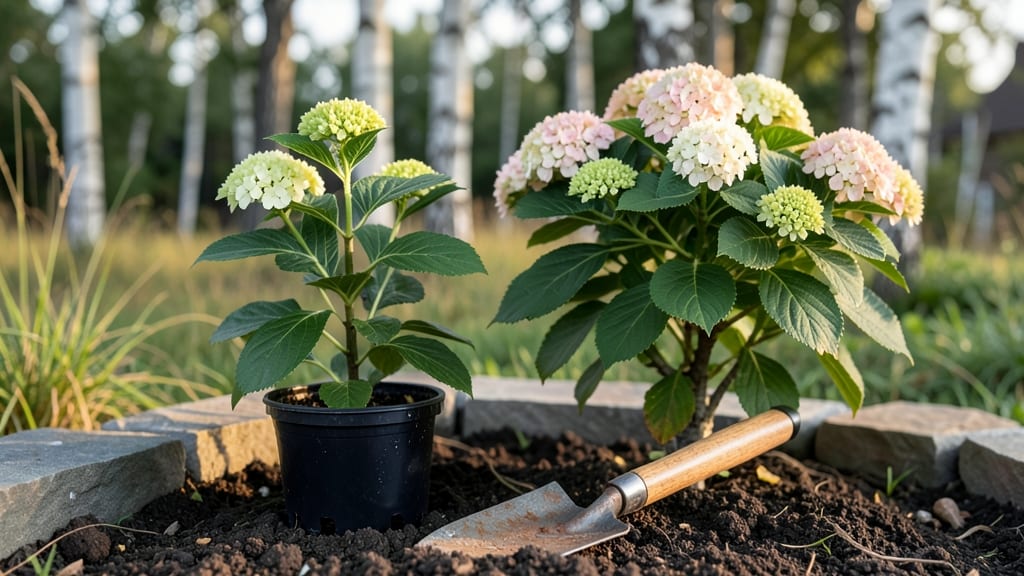
Growing a hydrangea tree means transforming your yard into a fragrant, flower-filled haven—though I nearly gave up after my first one struggled in too-shady a spot. 🌿 The key difference between shrubs and tree forms like Hydrangea paniculata is their upright growth habit, which makes them perfect for focal points or small spaces where shrubs would sprawl.
You’ll need well-draining soil, 6+ hours of sunlight daily, and a spot sheltered from harsh winds. Most people overwater, but hydrangea trees actually prefer soil that dries slightly between waterings. The right location and soil prep cut pruning time in half—no more wrestling with tangled branches.
By summer, you’ll see those iconic cone-shaped blooms (or round clusters, depending on the variety) that last from midsummer through fall. The foliage stays lush even in heat waves, and the flowers attract pollinators all season long. Pruning in late winter keeps them compact and blooming their best.
Works for both new gardeners and experienced growers—just avoid planting where shrubs would flop over. The tree form’s natural shape means less cleanup and more impact. Let’s get those roots growing strong!
📚 In This Guide
- What you need
- Instructions
- Tips and common mistakes
- Wrapping up and next steps
What you need
- ● Hydrangea Tree (Panicle or Oakleaf Variety) – Choose a healthy, disease-free Hydrangea paniculata or Hydrangea quercifolia from a reputable nursery.
- ● Well-Draining Potting Mix or Garden Soil – A blend of 60% topsoil, 30% compost, and 10% perlite/sand for optimal drainage.
- ● 5-Gallon Pot (Temporary) or Planting Hole (Permanent) – If planting outdoors, dig a hole twice as wide as the root ball but no deeper.
- ● Slow-Release Fertilizer (10-10-10 or Hydrangea-Specific) – Use 2-3 tablespoons per plant at planting time.
- ● Mulch (Pine Straw or Shredded Bark) – Apply a 2-3 inch layer around the base (keep mulch 6 inches away from the trunk).
- ● Watering Can or Hose with Adjustable Nozzle – Aim for 1-1.5 gallons per watering for young trees.
- ● Pruning Shears (Bypass Type, Sharp & Sterilized) – For shaping and deadheading spent blooms.
- ● Garden Gloves – Protect your hands from thorns and soil.
- ● Soil pH Test Kit – Hydrangeas thrive in acidic soil (pH 5.5-6.2) for blue blooms or neutral (pH 6.0-7.0) for pink.
- ● Epsom Salt (Magnesium Sulfate) – 1 tablespoon per gallon of water monthly for vibrant blooms.
- ● Tree Support Stake (If Young or Windy) – Use a 3-4 ft stake with soft ties to prevent leaning.
- ● Drip Irrigation System – For consistent moisture, especially in hot climates.
- ● Fungicide (Neem Oil or Copper-Based) – Preemptive treatment for powdery mildew or leaf spot.
Step-by-step instructions for cultivating a thriving hydrangea tree
Here's how to coax vibrant blooms from your hydrangea tree—balancing light, soil, and patience.
🌱 Step 1: Select the Right Location and Prepare the Soil
Hydrangea trees thrive in partial shade to morning sun, with protection from harsh afternoon rays. I always choose a spot that gets 4-6 hours of sunlight daily—too much sun scorches leaves, while too little means sparse blooms. Test your site by observing how much light it receives over a week before planting.
Amend the soil with 2-3 inches of organic matter (like compost or aged manure) mixed into the top 12 inches of soil. Hydrangeas love slightly acidic to neutral soil (pH 5.5-7.0)—test your soil with a kit if unsure. If your soil is heavy clay, add sand or perlite to improve drainage. The roots need room to breathe, especially in containers.
☀️ Step 2: Plant at the Correct Depth and Stake for Support
Dig a hole twice as wide as the root ball but no deeper—hydrangea trees hate having their roots buried too deep, which causes rot. Gently remove the tree from its container and loosen any circling roots with your fingers. Place it in the hole so the top of the root ball sits 1-2 inches above ground level—this prevents waterlogging.
Fill the hole with soil, pressing lightly to eliminate air pockets, then water deeply to settle everything. Stake the tree if it’s tall or top-heavy—use two stakes tied loosely with soft fabric (not wire) to avoid girdling the trunk. Water again until the soil is evenly moist 6 inches down. Mulch around the base with 2-3 inches of shredded bark, keeping it 3 inches away from the trunk to prevent rot.
💧 Step 3: Water Consistently and Fertilize for Vibrant Blooms
Water deeply once a week (or more in extreme heat) to encourage deep root growth. The soil should feel dry 2-3 inches down before watering again—hydrangeas hate soggy roots but also won’t tolerate drought stress. Use a soaker hose or drip irrigation to avoid wetting the foliage, which reduces fungal risks.
Feed your hydrangea tree in early spring with a balanced, slow-release fertilizer (10-10-10) applied at half strength. For blue blooms, add aluminum sulfate (1 tablespoon per gallon of water) monthly during the growing season. For pink blooms, avoid aluminum and use lime sparingly if needed. Stop fertilizing by mid-summer to let the plant focus on blooming, not new growth.
✂️ Step 4: Prune Strategically for Health and Abundant Flowers
Prune late winter or early spring (before new growth starts) to shape the tree and encourage blooms. Remove dead, crossing, or weak branches first—cut back to the nearest outward-facing bud. For older wood bloomers (like Hydrangea paniculata), prune after flowering to shape, but avoid heavy cuts that remove next year’s blooms.
Never prune in fall—you’ll cut off next year’s flower buds before they form. If your hydrangea looks leggy, trim back one-third of the oldest stems to the ground to stimulate new, bushier growth. Always use clean, sharp pruners and sterilize them with rubbing alcohol between cuts to prevent disease spread.
🌿 Step 5: Monitor for Pests and Adjust Care Seasonally
Watch for aphids, spider mites, or scale—they love hydrangeas but are easy to manage. Spray infested areas with neem oil or a soapy water solution (1 tablespoon mild dish soap per gallon of water) in early morning to avoid harming bees. For severe cases, use horticultural oil in late fall when pests are dormant.
In fall, reduce watering as temperatures drop but keep the soil slightly moist until the first hard frost. Apply a 2-inch layer of mulch around the base to insulate roots over winter. If you live in a cold climate (below 10°F), wrap the tree’s trunk with burlap or use a tree guard to protect it from freezing winds. Resume regular care in early spring once new growth appears.
Tips & tricks for perfect hydrangea tree growth
Here's what nobody tells you about transforming your hydrangea tree from a struggling sapling to a showstopping centerpiece.
Light Observation: That 4-6 hours of sunlight recommendation isn't just about quantity—it's about quality. I learned this the hard way after planting mine in what I thought was "morning sun" only to discover it was actually getting intense afternoon rays. Observe your potential spot for a full week, noting when direct sun hits between 10 AM and 2 PM. If leaves show crispy edges by midday, you've got too much sun—move it 10-15 feet farther from the sun's path.
Soil Science: The pH 5.5-7.0 range is your sweet spot, but don't just test once. I test my soil every spring before fertilizing because hydrangeas are sensitive to pH shifts. For blue blooms, aim for 5.5-6.0—add aluminum sulfate gradually (start with ½ tablespoon per gallon) and retest monthly. For pink blooms, keep it neutral (6.0-7.0) and avoid aluminum entirely. The difference between vibrant blue and pale pink often comes down to this single factor.
Pruning Precision: That one-third rule for leggy stems is non-negotiable, but here's the secret: always cut back to a outward-facing bud. I mark these buds with a pencil before cutting to ensure new growth will face outward, creating a fuller tree. And when pruning older wood bloomers after flowering, never remove more than 25% of the plant in one season—this prevents shock and maintains next year's blooms.
Winter Protection: The 10°F threshold is your warning sign, but don't wait until the last minute. I wrap my hydrangea's trunk with burlap in early November when nighttime temps dip below 30°F. For container-grown trees, move them to a sheltered spot against a south-facing wall before the first frost. The key is creating a microclimate that's 5-10°F warmer than ambient temps around the roots.
Pro Tips for Grow Hydrangea Tree
- Here's what nobody tells you about transforming your hydrangea tree from a struggling sapling to a showstopping centerpiece.
- Light Observation: That 4-6 hours of sunlight recommendation isn't just about quantity—it's about quality.
- Soil Science: The pH 5.5-7.0 range is your sweet spot, but don't just test once.
Frequently asked questions
Got questions about growing your own hydrangea tree?
You’re not alone! Here are answers to the most common queries—from pruning to pests—to help you cultivate stunning blooms with confidence.
Do hydrangea trees need full sun?
Not necessarily! While they tolerate full sun, most hydrangea trees (like Hydrangea paniculata) thrive in partial shade—especially in hot climates. Aim for 4–6 hours of morning sun and afternoon shade to prevent leaf scorch. If your tree is in full sun, monitor for wilting and adjust with afternoon shade if needed.
When is the best time to plant a hydrangea tree?
The ideal window is early spring or fall, when temperatures are mild (50–70°F). Planting in spring lets roots establish before summer heat, while fall gives them time to settle before winter dormancy. Avoid planting in peak summer—the heat stresses young roots. If you must plant in summer, water deeply daily for the first 2 weeks.
Can I grow a hydrangea tree from a cutting?
Take a 4–6 inch cutting from a healthy, non-flowering stem in late spring or early summer. Remove lower leaves, dip the cut end in rooting hormone, and plant in moist perlite or sand. Keep the soil damp and in bright, indirect light until roots form (4–8 weeks). Transplant outdoors after roots are 2+ inches long.
What pests or diseases should I watch for?
Common issues include:
- Spider mites: Tiny webs on leaves? Spray with water or use neem oil.
- Scale insects: Sticky residue on stems? Scrub off with soapy water.
- Powdery mildew: White fungus on leaves? Improve airflow and treat with fungicide.
- Leaf spot: Brown spots? Prune infected leaves and avoid overhead watering.
Why aren’t my hydrangea blooms changing color?
Color shifts (e.g., pink to blue) depend on soil pH. For macrophylla hydrangeas:
- Blue/purple: Acidic soil (pH < 6.0). Add sulfur or pine needles.
- Pink: Neutral/alkaline soil (pH 6.0–7.0). Test soil and amend with lime if needed.
Wrapping up and next steps
Growing a stunning hydrangea tree is simpler than you think—just combine the right sunlight, soil, and care with a dash of patience! With well-draining soil, consistent moisture, and the perfect balance of sun and shade, your hydrangea will reward you with show-stopping blooms year after year. 🌸
Ready to turn your garden into a vibrant oasis? Start by choosing the perfect spot and giving your hydrangea the love it deserves. Then, watch as it transforms your outdoor space into a lush, dreamy retreat! 🌿