
Propagation
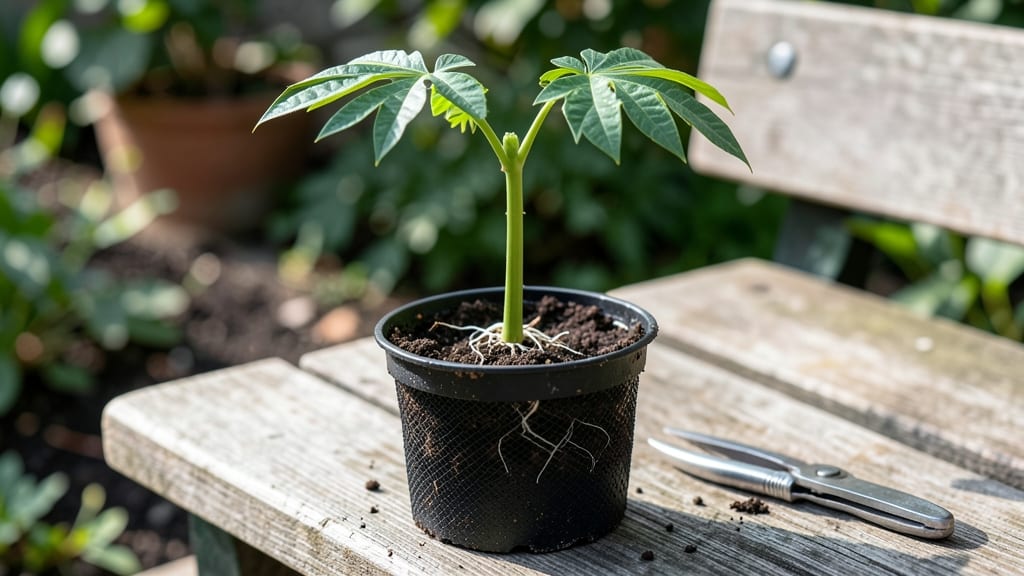
Planting palm tree seeds might seem intimidating, but I’ve turned my kitchen counter into a mini tropical nursery—with just three simple supplies and patience, you can too. The key isn’t forcing speed; it’s creating the right conditions for those stubborn seeds to crack open after months of waiting.
I’ve watched mine go from dry husks to tiny green shoots, and the transformation is worth every week of anticipation.
You’ll need a clear plastic bag (for humidity), a well-draining mix (think 50% perlite), and a warm spot near a sunny window. Most people rush the process, but palm seeds need consistent moisture and warmth—no direct sunlight at first.
My first batch failed because I peeked too often; now I wait until the bag stays foggy for days before checking. The payoff? A seedling that’ll outgrow your expectations in just a few years.
By step six, you’ll have a 2-inch sprout ready for its first pot, and the best part? You’ll recognize the moment it happens—a tiny frond unfurling like a promise kept.
These palms grow slowly, but the journey makes every milestone special. Once you’ve mastered this, you’ll tackle bigger palms with confidence, knowing the foundation starts with a single seed.
Works for indoor varieties like parlor palms or outdoor types like coconut palms—just adjust light and space. The secret isn’t luck; it’s understanding what those seeds really need. Let’s get those husks soaking and those roots growing!
📚 In This Guide
- What you need
- Instructions
- Tips and common mistakes
- Wrapping up and next steps
What you need
- ● Palm tree seeds: Fresh, viable seeds (check for plumpness and no cracks). Quantity: 1–3 seeds per container (depending on size).
- ● Seed-starting containers: Small pots (3–4 inches wide) or seed trays with drainage holes. Material: Plastic, biodegradable peat pots, or coconut coir cups.
- ● Well-draining potting mix: A blend of 50% peat moss or coconut coir, 30% perlite or coarse sand, and 20% compost. Avoid heavy garden soil!
- ● Drainage tray or saucer: To catch excess water and prevent root rot.
- ● Spray bottle: For gentle watering (avoid over-saturating seeds).
- ○ Plastic wrap or humidity dome: To create a mini greenhouse effect (optional but helpful for germination).
- ● Grow lights or sunny windowsill: Palms need bright, indirect light (6–8 hours daily).
- ○ Thermometer (optional but useful): Ideal germination temps: 75–85°F (24–29°C).
- ● Seed scarification tools: Sandpaper (medium-grit) or a knife to nick hard seed coats if germination is slow.
- ● Fungicide: A light dose (like hydrogen peroxide or cinnamon) to prevent mold during germination.
- ● Fertilizer (low-dose): A balanced, water-soluble fertilizer (e.g., 5-5-5) only after sprouts appear.
- ● Heat mat: For faster germination if your home runs cool.
- ● Labeled tags: To track seed varieties and planting dates!
Step-by-step instructions for planting palm tree seeds
Here's how I've successfully sprouted palm seeds indoors—no green thumb required.
🌱 Step 1: Prepare the Seed for Germination
Palm seeds have a tough outer shell that needs softening before planting. Fill a bowl with lukewarm water and submerge the seed completely, leaving it to soak for 7-10 days. Change the water daily to prevent mold. You'll know it's ready when the seed coat starts to crack slightly or when you see a tiny root emerging.
This soaking step is critical—it mimics natural weathering that would happen in the wild. If you skip it, germination can take months or fail entirely. I've tried planting uns soaked seeds, and they simply refused to sprout. Patience here pays off.
💧 Step 2: Choose the Right Container and Medium
Use a 6-inch diameter pot with drainage holes for each seed. Fill it with a mix of 50% peat moss and 50% perlite—this combination stays moist but drains well. I avoid regular potting soil because it compacts too easily and can suffocate young roots.
Make a small hole in the center of the mix, about 1 inch deep. The hole should be just large enough to nestle the seed without burying it too deeply. Press the sides lightly to create firm contact between the seed and medium. This helps stabilize the seed during germination.
☀️ Step 3: Plant and Maintain Ideal Conditions
Place the seed in the hole with the pointed end facing downward. Cover it with a thin layer of the medium mix, leaving the top half exposed. Water gently until the mix feels evenly moist but not soggy. Palm seeds need warmth (75-85°F) and high humidity to germinate.
I place my pots inside a clear plastic bag and seal it loosely to create a greenhouse effect. This keeps the humidity high while still allowing some airflow. Set the container in a bright, indirect light spot—direct sun can overheat the seed. Check daily for condensation inside the bag and mist lightly if needed.
⏰ Step 4: Monitor for Sprouting and Early Growth
Germination can take 2-6 months, so don't be discouraged if nothing happens quickly. You'll know the seed is working when you see a small root break through the soil first, followed by the shoot emerging. This is the moment that matters—once you see green, keep the soil consistently moist but not waterlogged.
If mold appears on the soil surface, remove the seed and repot it in fresh medium. I've had to do this twice, but it's better than losing the seed entirely. Once the shoot reaches 2-3 inches tall, you can gradually remove the plastic bag over 5-7 days to acclimate the seedling to normal humidity.
🌿 Step 5: Transplant to a Larger Container
When the seedling has 3-4 leaves and a sturdy stem, it's ready for its first transplant. Choose a 1-gallon pot with fresh potting mix and perlite. Water the seedling thoroughly before removing it from the small pot to minimize root disturbance.
Dig a hole in the new pot just large enough to accommodate the root ball. Place the seedling in, firm the soil gently around the base, and water again to settle everything. Keep the pot in bright, indirect light for the first 2 weeks to help it recover from the transplant shock. This step is where many beginners lose their seedlings, but taking it slow ensures strong growth.
Tips & tricks for planting palm tree seeds
Here's what I wish I knew before starting my first palm seed germination—these tricks cut the guesswork and boost success rates.
Soaking Secret: Don't just soak the seed—keep the water lukewarm (around 75-85°F) and change it daily. I learned this the hard way after seeing mold take over my first attempt. The daily water change prevents bacterial growth while maintaining the perfect temperature for breaking down the tough seed coat. You'll notice the seed coat starts to crack after about 5-7 days—this is your cue it's ready for planting. If you see any fuzzy growth on the water or seed, scrub it gently with a soft brush and rinse before continuing.
Container and Medium Tricks: The 50% peat moss and 50% perlite mix is key because it mimics the airy, well-draining conditions palm seeds need in their natural habitat. I've tried using regular potting soil, and the seeds either rot or take forever to sprout. For the 6-inch pot, make sure the drainage holes are large enough—small holes can cause water to pool at the bottom. If you don't have perlite, you can substitute it with coarse sand or even small gravel, but perlite's lightweight nature is ideal for young roots.
Humidity Hack: That clear plastic bag creates a mini greenhouse, but don't seal it completely—leave it loosely closed so air can circulate. I use a rubber band to gather the top and leave about a 1-inch opening. This prevents mold while maintaining humidity. If you notice condensation building up inside, that's actually a good sign—it means the humidity level is perfect. Just mist lightly every few days to keep things balanced. The goal is to mimic the tropical environment where palm trees naturally grow.
Transplant Timing: When you're ready to move your seedling to the 1-gallon pot, wait until you see at least 3-4 leaves and a stem that feels sturdy when you gently touch it. I've made the mistake of transplanting too early, and the seedling would just flop over. Before removing it from the small pot, water it thoroughly so the root ball stays intact. Gently squeeze the sides of the pot to loosen the root ball before lifting it out—this helps minimize root damage. After transplanting, keep it in bright, indirect light for those first two weeks, and you'll notice new growth within days.
Pro Tips for Plant Palm Trees From Seeds
- Here's what I wish I knew before starting my first palm seed germination—these tricks cut the guesswork and boost success rates.
- Soaking Secret: Don't just soak the seed—keep the water lukewarm (around 75-85°F) and change it daily.
- Container and Medium Tricks: The 50% peat moss and 50% perlite mix is key because it mimics the airy, well-draining conditions palm seeds need in their natural habitat.
Frequently asked questions
Got questions about growing palm trees from seeds?
You’re not alone! Here are answers to the most common queries to help you succeed—whether you're a beginner or just troubleshooting a tricky step.
How long does it take for palm tree seeds to germinate?
Germination time varies by species, but most palm seeds take anywhere from 1 to 6 months to sprout. Some tropical palms (like coconut) may germinate in as little as 2 weeks, while others (like date palms) can take up to a year. Patience is key—keep soil moist and warm (70–90°F) to speed things up!
Can I plant palm seeds outdoors in cold climates?
Nope! Palm seeds hate frost—they need warmth (60°F+) to germinate. Start indoors in pots with a heat mat or grow them in a greenhouse. Once seedlings are at least 1–2 feet tall and the last frost has passed, you can transplant them only in USDA zones 9–11 (or use containers for colder areas).
What if my palm seed won’t sprout? Troubleshooting tips?
Don’t panic! Try these fixes:
- Check moisture: Overwatering rots seeds; underwatering stalls growth. Aim for consistently damp (not soggy) soil.
- Test viability: Soak the seed in warm water for 24 hours—if it sinks, it’s likely viable. If it floats, it’s dead.
- Adjust temperature: Use a heat mat (70–90°F) or move pots to a sunny windowsill.
- Scarify the seed: Some hard-shelled palms (like sabal) need a light sandpaper rub or nick to break dormancy.
Is it better to buy a palm seedling instead of growing from seed?
It depends! Seedlings are cheaper and let you grow rare species, but they take years to mature. Seedlings (1–3 years old) from nurseries grow faster and have higher survival rates. If you want instant gratification or a specific variety (like a dwarf palm), buying a seedling may be worth the cost.
Can I grow a palm tree from a seed I find on the beach?
Beach seeds (like coconut or Cocos nucifera) are easy to germinate—just follow the same steps as above. Pro tip: Coconut seeds often sprout while still in the husk if kept moist. Just plant the whole thing (husks and all) in soil, and the roots will emerge naturally. Just avoid seeds from non-native palms to protect local ecosystems!
Wrapping up and next steps
Growing palm trees from seeds is a rewarding journey that combines patience, care, and a dash of tropical flair! 🌴 With the right materials, a warm environment, and consistent attention, you’ll soon watch those tiny seeds sprout into lush, vibrant plants.
Remember, success lies in consistency—whether it’s maintaining humidity, providing sunlight, or nurturing young seedlings.
Now that you’re armed with the knowledge, why not take the next step? Start with a single seed, experiment with different varieties, or even share your progress with fellow plant enthusiasts. Happy planting—your future palm paradise awaits! 🌱✨