
Planting
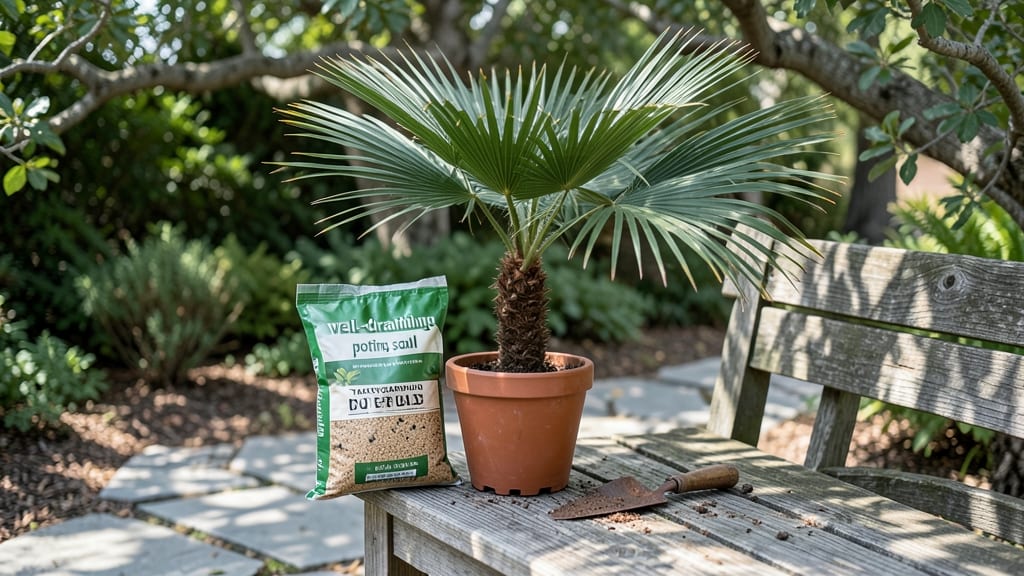
Planting palm trees in pots lets you bring tropical drama to patios, porches, or even bright indoor corners—no backyard required. 🌴 My first attempt with a dwarf palm nearly died from soggy soil and a pot that was way too small, but I’ve since perfected the setup for palms that thrive year after year.
The secret isn’t just the right pot size (think 10-15 gallons for mature palms) but matching soil, drainage, and sunlight to what each palm species actually needs.
Start with a container that has drainage holes—non-negotiable—and fill it with a mix designed for palms or cacti: 60% potting soil, 30% perlite or pumice, and 10% sand for aeration. Place your palm in the pot, firm the soil gently, and water thoroughly until it drains freely.
Most palms need bright, indirect light, but varieties like the Areca palm can handle lower light indoors. Overwatering is the #1 killer, so let the top 1-2 inches of soil dry out between waterings.
Within weeks, you’ll see new fronds unfurling, and with proper care, your potted palm can grow 3-6 feet tall in a single season. The key is consistency: adjust watering for summer heat (more frequently) and winter dormancy (less often), and fertilize lightly every 4-6 weeks during growing months.
Even in small spaces, a well-cared-for potted palm becomes a statement piece that outshines any store-bought decoration.
This method works for everything from bamboo palms (great for indoor offices) to Mexican fan palms (perfect for sunny patios). The same principles apply whether you’re growing one plant or creating a tropical container garden. Ready to bring that lush, tropical vibe home? Let’s get those pots planted right.
📚 In This Guide
- What you need
- Instructions
- Tips and common mistakes
- Wrapping up and next steps
What you need
- ● Palm tree sapling: Choose a young palm (1–3 years old) with a healthy root system. Pro tip: Look for species like Dypsis lutescens (Bamboo Palm) or Chamaedorea elegans (Parlor Palm)—they’re great for containers!
- ● Pot: A container with drainage holes, at least 12–18 inches in diameter and depth (bigger for mature palms). Use terracotta, fiberglass, or plastic—just avoid metal.
- ● Potting mix: A well-draining blend (50% peat moss, 30% perlite/pumice, 20% sand or coco coir). Avoid garden soil—it compacts and suffocates roots! 🚫
- ● Drainage layer: 1–2 inches of gravel, small rocks, or broken pottery at the pot’s bottom to prevent root rot.
- ○ Support stake (optional but helpful): A bamboo or metal stake (1–2 inches thick) to stabilize taller palms during growth.
- ● Pruning shears: Sharp, clean shears for trimming dead fronds or overgrowth.
- ● Watering can or hose with a gentle spray nozzle: Palms hate soggy roots—water deeply but infrequently!
- ● Fertilizer (slow-release or liquid): A balanced palm fertilizer (6-6-6 or 8-2-12 NPK ratio) to feed your tropical friend.
- ● Pot saucer or tray: To catch runoff and protect surfaces.
- ● Mulch (orchid bark or pine needles): Helps retain moisture and looks great!
- ● Humidity tray: A shallow tray with pebbles and water to boost humidity for tropical species.
- ● Slow-release fertilizer spikes: Convenient for busy plant parents!
- ● Plant labels: To track varieties and care notes.
Step-by-step instructions for planting palm trees in containers
Here’s how to give your potted palm the perfect start—no guesswork, just proven techniques.
🪴 Step 1: Choose the Right Container and Drainage
Palms need room to grow, so pick a container that’s at least 12 inches wide and deep for dwarf varieties, or 18+ inches for larger types like Canary Island palms. I always opt for unglazed terra cotta or fabric pots—they breathe better and prevent root rot. Drill extra drainage holes if your pot doesn’t have them, and place a 1-inch layer of gravel or broken pottery at the bottom to keep roots from sitting in water.
Here’s the thing—palms hate soggy feet. If your pot lacks drainage, roots will suffocate, and your palm will yellow within weeks. Test your setup by filling the pot with water; if it drains within 10-15 minutes, you’re good to go. Slow drainage means you’ll need to adjust your watering routine later.
🌱 Step 2: Select and Prepare the Soil Mix
Skip garden soil—it’s too dense and compacted. Instead, blend 60% palm-specific potting mix with 30% perlite or pumice (for aeration) and 10% coconut coir or peat moss (for moisture retention). I like to add a handful of orchid bark for extra drainage, especially for palms like the Areca, which thrive in slightly acidic, well-draining soil.
Fill the container one-third full with your mix, then tap the pot gently to settle it. The goal is a light, airy texture—press too hard, and roots won’t penetrate easily. If your mix feels heavy or clumps together, add more perlite. Palms in compacted soil develop root-bound stress, which stunts growth and makes leaves turn brown at the tips.
🌿 Step 3: Plant the Palm with Proper Spacing
Gently remove the palm from its nursery pot and loosen the roots if they’re circling. Place it in the center of the container so the crown (where the trunk meets the fronds) sits just above the soil line—burying it too deep causes rot, while leaving it exposed stresses the plant. For bald cycads or pony tail palms, the crown should be level with the rim to mimic their natural habitat.
Fill the remaining space with your soil mix, pressing lightly around the roots to eliminate air pockets. Water deeply until it drains from the bottom, then let it sit for 24 hours before adding any fertilizer. This initial watering helps the soil settle and reduces transplant shock. If the soil slumps after watering, top it up—palms need 2-3 inches of soil depth around the roots for stability.
☀️ Step 4: Position for Light and Humidity
Palms crave bright, indirect light—think 6-8 hours of morning sun and afternoon shade, especially in hot climates. A south- or east-facing window works, but avoid harsh afternoon sun, which scorches fronds. If growing indoors, place your palm within 3 feet of a grow light (LED full-spectrum bulbs are ideal) for 12-14 hours daily. You’ll know the light is right when new fronds emerge straight and vibrant green, not stretched or yellowed.
Humidity is key—palms thrive in 50-70% humidity. Mist the fronds daily or set the pot on a pebble tray with water (just ensure the pot isn’t sitting in standing water). In dry climates, a small humidifier nearby works wonders. Watch for crispy leaf tips—that’s your sign the air is too dry. Grouping pots together also raises humidity naturally, mimicking their tropical origins.
💧 Step 5: Water and Fertilize for Long-Term Health
Water when the top 2 inches of soil feel dry—stick your finger in to check. Palms prefer deep, infrequent watering over shallow daily doses. Use room-temperature water (cold water shocks roots) and water at the base, avoiding fronds to prevent fungal issues. Overwatering is the #1 killer—yellowing leaves or a musty smell from the soil means you’re overdoing it. Let the pot drain completely between waterings, even if it means waiting a few extra days.
Feed your palm every 4-6 weeks during spring and summer with a balanced liquid fertilizer (like 8-8-8 or 10-10-10) diluted to half-strength. I skip fertilizing in fall and winter unless the plant is actively growing. Slow-release pellets mixed into the soil at planting time also work, but avoid them if your palm is in a small pot—roots can’t access nutrients evenly. You’ll see lush, dark green fronds as a sign it’s thriving.
Tips & tricks for planting palm trees in pots
Took me a while to figure these out, so here are the details that separate good from great when growing palms in containers.
Container Material Matters: Unglazed terra cotta pots actually help regulate moisture better than plastic, but they dry out faster. If you choose plastic, add a moisture meter to track when the top 2 inches feel dry—plastic can trap too much moisture and cause root rot. For larger palms like Canary Island varieties, consider a fabric grow bag that expands with root growth while still allowing proper drainage.
Soil Mix Secrets: The 60-30-10 ratio is perfect, but here's what I learned the hard way: pre-moisten your palm-specific potting mix before adding it to the pot. Dry mix clumps when wet, creating air pockets that prevent root contact. Also, for palms with thick trunks like Majesty palms, add an extra 10% orchid bark to prevent compaction around the base where roots are most concentrated.
Light Positioning: Those 6-8 hours of morning sun are non-negotiable, but here's the trick: rotate your pot ¼ turn every 2-3 weeks. This prevents one-sided growth where the palm leans toward the light source. You'll notice new fronds emerging straight and vibrant green when this rotation happens—it mimics the natural wind patterns palms experience in tropical forests.
Humidity Hacks: The 50-70% humidity range is ideal, but achieving it indoors can be tricky. Place your palm on a bed of damp pebbles (not sitting in water) and top with a layer of moss—this creates a microclimate that maintains humidity while preventing waterlogging. For extra insurance, group pots together or use a small pebble tray with water underneath, but always ensure the pot sits above the water line.
Pro Tips for Plant Palm Trees In Pots
- Took me a while to figure these out, so here are the details that separate good from great when growing palms in containers.
- Container Material Matters: Unglazed terra cotta pots actually help regulate moisture better than plastic, but they dry out faster.
- Soil Mix Secrets: The 60-30-10 ratio is perfect, but here's what I learned the hard way: pre-moisten your palm-specific potting mix before adding it to the pot.
Frequently asked questions
Got questions about growing palm trees in pots? You’re not alone—container gardening with palms has its quirks! Here are answers to the most common concerns to help you keep your tropical beauty thriving.
What’s the best time of year to plant a palm tree in a pot?
Plant your palm in early spring or late summer for the best results. This gives roots time to establish before extreme heat or cold. Avoid winter planting—palms are sensitive to frost and won’t recover well from transplant shock. If you’re in a mild climate, spring is ideal!
How often should I water a potted palm tree?
Water when the top 2–3 inches of soil feel dry (stick your finger in to check!). Most palms need water every 1–2 weeks, but this depends on your climate, pot size, and palm type. Overwatering is the #1 killer—ensure pots have drainage holes to prevent root rot.
Can I grow a palm tree in a small pot, or do I need something huge?
Size matters! Choose a pot with at least 12–18 inches in diameter for dwarf palms (like Parlor or Pygmy) and 24+ inches for larger varieties (e.g., Canary Island or Majesty). Smaller pots restrict root growth, stunting your palm’s health. Upgrade pots every 2–3 years as your tree grows.
Why is my potted palm turning yellow or dropping leaves?
Yellowing leaves or leaf drop usually signal overwatering, poor drainage, or nutrient deficiency. Check for soggy soil, compacted roots, or pests like spider mites. Move your palm to a bright, indirect light spot and adjust watering. A balanced palm fertilizer (applied every 2–3 months in growing season) can also help!
Are there palm tree alternatives that thrive in pots and colder climates?
If your zone is too chilly for palms, try these cold-hardy palm-like plants:
- Dwarf Date Palm (survives to 15°F with protection)
- Windmill Palm (tolerates 10°F in containers)
- Sago Palm (actually a cycad! Thrives in USDA Zone 7+)
- Yucca or Cordyline (drought-tolerant and architectural)
Wrapping up and next steps
Planting palm trees in pots is a rewarding way to bring tropical beauty to your space—whether you’re a beginner or a seasoned gardener! 🌴 With the right container, soil, and care, your palm can thrive for years.
Remember to choose the right species, prioritize drainage, and keep an eye on sunlight and watering needs.
Now that you’re equipped with the know-how, go ahead and give it a try! Start with a healthy young palm, follow the steps, and watch your green oasis grow. Need inspiration? Check out styling ideas for potted palms to elevate your home or patio. Happy planting! 🌱