
Pruning
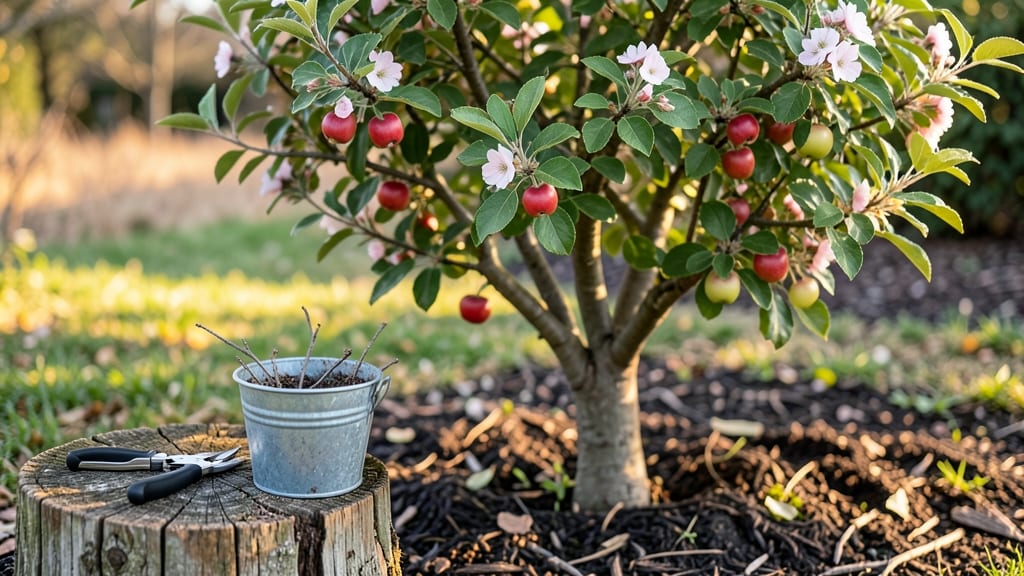
Pruning a crabapple tree in winter isn't just about shaping—it's your best shot at preventing disease and encouraging those showstopping spring blooms. 🌿 I've learned the hard way that skipping this step leads to crowded branches, weak growth, and more fungal issues than you'd believe.
The key is timing: late winter, when the tree's dormant but before new buds swell, gives you the cleanest canvas to work with.
You'll need sharp pruners, a ladder (if your tree's over 6 feet tall), and a clear day to avoid spreading sap-borne diseases. The process focuses on three things: removing dead or diseased wood first, thinning out crowded branches to improve airflow, and shaping the tree to highlight its natural form.
Think of it like giving your tree a spa day—less stress means more energy for blooms and fruit.
By spring, you'll see the difference: branches spread out instead of rubbing together, sunlight reaches all the way to the center, and those first blossoms arrive in vibrant clusters.
The tree stays healthier year-round, and you avoid the heartbreak of seeing branches snap under snow or fruit rot from poor airflow. It's the kind of transformation that makes you proud to walk by your yard every morning.
Works for both young trees you're shaping from scratch and mature specimens needing rejuvenation. The same principles apply whether you're dealing with a 5-foot dwarf variety or a 20-foot standard. Here's how to make those cuts count—without turning your tree into a disaster zone.
📚 In This Guide
- What you need
- Instructions
- Tips and common mistakes
- Wrapping up and next steps
What you need
- ● Pruning shears (bypass pruners): Sharp, bypass-style shears (2.5–3.5 inches) for cuts up to ½ inch thick.
- ● Loppers: A bypass lopper (8–10 inches) for thicker branches (½–1.5 inches). Look for ratcheting models for extra leverage.
- ● Pruning saw: A curved-tooth saw (14–18 inches) for branches over 1.5 inches in diameter. Never use a handsaw!
- ● Gloves: Heavy-duty, cut-resistant gloves (gardening or pruning-specific) to protect your hands from thorns and rough bark.
- ● Disinfectant: A 70% isopropyl alcohol or bleach solution (1 part bleach to 9 parts water) to sterilize tools between cuts and prevent disease spread.
- ● Ladder (if needed): A sturdy, extension ladder (rated for your tree’s height) with non-slip feet and a stabilizer for safety.
- ● Heavy-duty trash bags: For collecting debris—aim for 2–3 large bags (or more if your tree is overgrown!).
- ● Work boots or sturdy shoes: Closed-toe footwear with ankle support to protect against uneven terrain or falling branches.
- ● Safety glasses: To shield your eyes from debris or sap.
- ● Pole pruner: For high branches (if you’re avoiding a ladder).
- ● Tree wound dressing: Pruning sealant (controversial, but some swear by it for large cuts).
- ● Notebook & pen: To sketch your tree’s structure before/after pruning.
- ● First-aid kit: Just in case of minor scrapes or thorn pricks!
Step-by-step guide to pruning your crabapple tree for healthier blooms
Winter’s the best time to shape your crabapple tree—here’s how to do it right.
✂️ Step 1: Remove Dead, Diseased, or Crossing Branches First
Start by scanning the tree for branches that are dead (no green bark or leaves), diseased (blackened spots, oozing sap), or rubbing against others. These compete for energy and invite pests. Use clean, sharp pruners to cut just outside the branch collar—the swollen area where the branch meets the trunk. This ensures the wound heals properly.
Here’s the thing—crabapples are prone to fungal issues like apple scab. If you see any suspicious branches, bag and dispose of them immediately (don’t compost). I always sterilize my tools with rubbing alcohol between cuts to prevent spreading disease. You’ll know you’re doing it right when the cuts look clean and the tree’s structure starts to open up.
✂️ Step 2: Thin Out the Canopy for Better Airflow
Next, focus on thinning the canopy by removing about 20% of the smaller branches from the center and lower third of the tree. This improves airflow, which is critical for preventing fungal diseases. Look for branches growing inward or downward—they’ll never get enough sunlight and can become weak points. Cut these back to a healthy outward-facing branch or the collar.
I like to step back every few cuts to visualize the tree’s shape. The goal is an open, vase-like form where light can reach all the way to the center. Avoid over-thinning—you want to maintain a full, natural look while still letting air circulate. If you’re unsure, remove no more than 1-2 branches per cluster to avoid stressing the tree.
✂️ Step 3: Shape the Tree’s Natural Form
Now it’s time to refine the tree’s silhouette. Crabapples respond well to a slightly rounded or oval shape, which encourages strong blooms. Focus on removing branches that disrupt this flow—think of it like sculpting. For example, if a branch is growing straight up from a lower position, shorten it to redirect energy upward. Always cut just above an outward-facing bud or branch to promote healthy regrowth.
This is where patience pays off. Don’t rush—make one cut at a time and reassess. If you’re pruning a young tree, you can be more aggressive with shaping, but mature trees (over 10 years old) need gentler adjustments. Watch for the tree’s natural growth patterns; you’ll see where it’s trying to fill in gaps or push outward.
✂️ Step 4: Clean Up and Protect the Tree
After pruning, rake up all the debris from the base of the tree and dispose of it properly (not in your compost pile). This removes hiding spots for pests and reduces disease risk. If you’ve made large cuts (over ½ inch in diameter
Finally, give the tree a deep watering to help it recover. Winter pruning means the tree will need to push new growth in spring, so a good soak now ensures it’s ready. I also add a 2-3 inch layer of mulch around the base (keeping it away from the trunk) to retain moisture and protect roots from temperature swings. You’ll know you’ve done everything right when the tree looks balanced and the cuts are clean—no jagged edges or stubs.
Tips & tricks for pruning a crabapple tree
Winter pruning transforms your crabapple into a healthier, more vibrant tree. Here's how to avoid common mistakes and get it right the first time.
Tool Prep is Non-Negotiable: Before you even touch a branch, sterilize your pruners with rubbing alcohol—this is especially critical for crabapples, which are notorious for fungal issues like apple scab. I learned this the hard way after losing a young tree to spreading disease. Use a clean, sharp blade each time to prevent tearing bark, which creates entry points for infections. For larger branches over ½ inch thick, switch to a pruning saw—your hand pruners will thank you.
Step 1 Visual Cues: When identifying dead branches in Step 1, look for three key signs: branches without green bark, branches with blackened spots or oozing sap, and branches that are physically crossing or rubbing against others. The branch collar—the swollen area where the branch meets the trunk—should be clearly visible. Cut just outside this collar, making a clean slice at a 45-degree angle. This isn't just about appearance; proper cuts heal faster and reduce disease risk.
Canopy Thinning Strategy: In Step 2, focus on removing branches that grow inward or downward—these are the ones that never get sunlight and become weak points. The 20% guideline is your safety net, but don't hesitate to remove more if you're working with a particularly dense canopy. Remember, you're aiming for that open vase-like shape. For each cut, visualize how it affects the overall structure. If you're unsure about a specific branch, remove no more than 1-2 branches per cluster to avoid over-stressing the tree.
Post-Pruning Care: After finishing all your cuts, don't forget the cleanup phase. Rake up all debris and dispose of it properly—composting can spread fungal spores back to your tree. For large cuts (over ½ inch), consider sealing with pruning paint only in harsh climates. The real secret to recovery is that deep watering and 2-3 inch layer of mulch. This combination helps the tree recover faster and protects against temperature swings that can stress newly pruned wood.
Pro Tips for Prune A Crabapple Tree
- Winter pruning transforms your crabapple into a healthier, more vibrant tree.
- Tool Prep is Non-Negotiable: Before you even touch a branch, sterilize your pruners with rubbing alcohol—this is especially critical for crabapples, which are notorious for fungal issues like apple scab.
- The branch collar—the swollen area where the branch meets the trunk—should be clearly visible.
Frequently asked questions
Got questions about pruning your crabapple tree? You’re not alone! Here are some of the most common concerns—plus quick, expert-friendly answers to keep your tree thriving.
When is the best time to prune a crabapple tree?
The ideal window is late winter or early spring (just before buds swell), but avoid pruning in fall—it invites disease and pests. If you must prune outside this time, do it on a dry day to minimize risk. Pro tip: Wait until after the worst cold snaps to prevent stressing dormant buds!
How much can I trim off without harming the tree?
For healthy crabapples, remove no more than 20-25% of the canopy in a single session. Over-pruning stresses the tree and reduces next year’s blooms. Focus on dead, diseased, or crossing branches first—then shape lightly. Think of it like a haircut: small adjustments keep it looking great!
Why does my crabapple tree keep getting black spots or fungal issues after pruning?
Fungal spores love fresh cuts! To prevent problems:
- Use sterilized tools (rubbing alcohol or bleach wipe).
- Avoid pruning when the tree is wet.
- Seal cuts larger than ½-inch with pruning sealant (optional but helpful).
Can I prune a young crabapple tree differently than a mature one?
Young trees (under 3 years):
Focus on establishing an open center and removing water sprouts (shoots growing straight up). Mature trees: Prioritize deadwood, weak limbs, and thinning to improve airflow. Both benefit from removing branches that rub—but young trees need more aggressive shaping to set them up for life!
What if I missed the winter pruning window? Can I still prune now?
Yes, but act fast! If it’s late spring/summer, prune on a dry, sunny day and avoid heavy cuts to prevent stress. Focus on disease removal and light shaping. For fall pruning, wait until after leaf drop—but be prepared for more fungal risks. Better late than never, but timing matters!
| Quick Fixes for Common Issues | |
|---|---|
| Problem: Too many suckers at the base | Solution: Cut them off at the crown (where the trunk meets the roots). Use a sharp saw for thick ones! |
| Problem: Branches growing inward | Solution: Remove the smaller of the two crossing branches to open the canopy. |
| Problem: Weak, stubby growth after pruning | Solution: You’re likely leaving stubs—cut back to a bud or lateral branch instead! |
Wrapping up and next steps
Pruning your crabapple tree in winter isn’t just about shaping—it’s about setting the stage for vibrant blooms and a healthier tree. By following these steps, you’ll reduce disease risks, encourage strong growth, and keep your tree looking its best for years to come.
Now that you’re armed with the right tools and techniques, take that first confident step—grab your pruners and give your crabapple tree the care it deserves! 🌳✂️
Ready to make an even bigger impact? Consider fertilizing or mulching after pruning to support your tree’s recovery. Happy pruning!