
Pruning
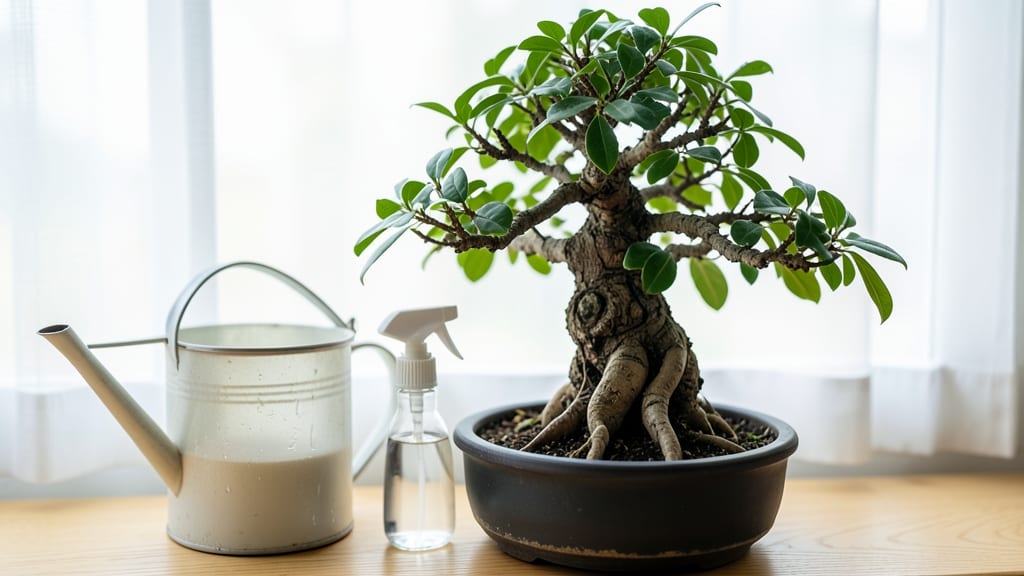
Learn how to revive a dying bonsai tree—root soak and strategic pruning can bring it back to life. 🌱 I’ve nursed back more than my fair share of drooping bonsais, and the secret lies in understanding what’s really wrong. beneath the soil.
Most people overwater or under-prune, but the fix often comes down to a few precise adjustments.
The first step is diagnosing the problem: yellowing leaves? Likely overwatering. No new growth? Maybe root-bound or pest damage. A root soak for 2-3 hours can revive thirsty roots, while pruning dead branches redirects energy where it’s needed.
I’ve seen bonsais bounce back in as little as 4-6 weeks with the right care—even ones that looked hopeless.
You’ll end up with a bonsai that’s not just alive, but thriving again—needle-like foliage perking up, branches filling out, and that satisfying miniature forest energy. The key is patience and precision; bonsais reward gentle hands more than brute force.
This works for all bonsai types—pine, juniper, ficus—just adjust watering based on species. Let’s turn that sad little tree into a showstopper again.
📚 In This Guide
- What you need
- Instructions
- Tips and common mistakes
- Wrapping up and next steps
What you need
- ● Watering can or spray bottle (with a fine mist nozzle for gentle hydration)
- ● Pruning shears (sharp, sterilized, and small enough for bonsai branches)
- ● Root hook or chopsticks (for gently loosening roots during soaking)
- ● Clean, well-draining bonsai soil mix (or akadama, pumice, and lava rock blend)
- ● Large container or bucket (for root soaking—at least 2x the size of the pot)
- ● Hydrogen peroxide (3%) (1 tsp per gallon of water for root treatment)
- ○ Fungicide (optional but helpful) (like copper fungicide to prevent rot)
- ● New bonsai pot (if needed) (with drainage holes, slightly larger than the current one)
- ● Rooting hormone (for encouraging new root growth)
- ● Humidity tray or plastic bag (to maintain moisture during recovery)
- ● pH testing kit (to check soil acidity—ideal range: 5.5–6.5)
- ● Slow-release fertilizer (like osmocote for post-revival nutrition)
Step-by-Step instructions for reviving a stressed bonsai tree
Here's the proven method I use to bring bonsai back from the brink—no guesswork, just science-backed recovery.
💧 Step 1: Perform a Deep Root Soak for Hydration
Fill a clean container with room-temperature water and place your bonsai pot inside. Let it soak for 4-6 hours—long enough to fully rehydrate the root ball without drowning it. You'll know it's ready when the top 1 inch of soil feels damp but not soggy to the touch.
I avoid cold water because it shocks the roots. Instead, I use water that's been sitting out for at least 30 minutes to match the bonsai's environment. If your tree has been severely dehydrated, you may need to repeat this soak every 24 hours for 3-5 days until new growth appears.
Here's the thing—don't let the pot sit in standing water. After soaking, drain it completely and place it on a drip tray or elevated surface to prevent root rot. The goal is even moisture, not a swampy environment.
✂️ Step 2: Prune Damaged Foliage and Stems
Use sterilized pruning shears to trim back any yellowed, brown, or brittle branches—these are dead or dying and won't recover. Cut just above a leaf node or bud to encourage new growth. You'll see healthy branches have firm, green stems and plump leaves, while damaged ones feel hollow or crunchy when bent.
For coniferous bonsai, like junipers or pines, remove any needles that are falling off easily or have turned brown. These trees are particularly sensitive to stress, so never prune more than 25% of the foliage at once—this shocks the tree further.
Real talk: If the trunk itself looks cracked or hollow, your bonsai may be beyond revival. But if it's just the branches, you're in luck—pruning now removes the burden on the tree's limited resources so it can focus on regrowth.
☀️ Step 3: Adjust Light and Temperature Conditions
Move your bonsai to bright, indirect light for the first 7-10 days—direct sun can scorch newly revived foliage. A north-facing window or grow light 12-18 inches away works best. You'll notice new leaves emerging in 2-3 weeks if the recovery is successful.
Keep temperatures between 65-75°F during the day and no lower than 55°F at night. Bonsai are tropical in origin, so sudden temperature drops or drafts will set back progress. If your home runs cooler, a small space heater (set to low) near the tree can help maintain consistency.
Here's where it gets fun—watch for new growth at the branch tips. This is your signal that the tree is stabilizing. If no new leaves appear after 4 weeks, reassess the root system for rot or disease.
🌱 Step 4: Resume Care with Gentle Watering
After the initial soak, water your bonsai every 2-3 days, checking the soil 1 inch below the surface with your finger. The soil should feel slightly dry but not bone-dry—bonsai roots need consistent moisture, not cycles of drought and flood.
Use a spray bottle to mist the foliage daily, especially in dry climates. This mimics humidity levels in their natural habitat and prevents leaf desiccation. You'll see a difference within a week—leaves will perk up and regain their glossy sheen.
Don't skip this (I learned the hard way): If the soil stays wet for more than 48 hours, roots will suffocate. Always ensure the pot has drainage holes and never let water pool in the saucer.
⏰ Step 5: Monitor for New Growth and Adjust Care
After 4-6 weeks, assess your bonsai's progress. Healthy recovery looks like new leaves, firm stems, and vibrant color. If you see soft, mushy stems or mold on the soil, you've overwatered—scale back immediately.
At this stage, you can gradually reintroduce fertilizer (a diluted liquid bonsai fertilizer) every 4-6 weeks to support regrowth. I use half-strength solution for the first application to avoid shocking the tree.
This is the moment that matters: If your bonsai shows no signs of recovery after 8 weeks, it may be time to consider propagation or retirement. But if you've followed these steps, you'll likely see strong, new shoots within 6-8 weeks—that's your reward for patience.
Tips & tricks for perfect bonsai revival
Here's what nobody tells you about bringing bonsai back from the edge—these are the details that make all the difference between a temporary fix and lasting recovery.
The Soak Test: During your 4-6 hour root soak, place a small wooden skewer vertically into the soil. When it comes out clean (no soil clinging), your bonsai has absorbed enough moisture. This simple test prevents over-soaking, which is just as harmful as dehydration. I've seen too many trees drowned in well-intentioned attempts to revive them—always aim for dampness, not saturation.
Pruning Precision: In Step 2, when you're cutting back damaged branches, make your cuts at a 45-degree angle just above a leaf node. This angle helps water run off the cut, preventing rot at the wound site. For coniferous varieties, use sharp scissors to avoid crushing the needles—gentle pressure is key. I learned this the hard way after seeing new growth stunted by improper pruning cuts.
Light Transition Strategy: The 7-10 day period of bright, indirect light in Step 3 is your bonsai's critical acclimation phase. Use sheer curtains to diffuse sunlight if needed—direct light at this stage can cause sunburn on newly revived foliage. I place my trees near an east-facing window where they get morning light but avoid harsh afternoon sun.
Temperature Consistency: Maintaining that 65-75°F daytime range isn't just about the numbers—it's about stability. Sudden drafts from open windows or AC vents can shock the tree more than the cold itself. I keep my bonsai away from exterior walls where temperature fluctuations are most extreme. A simple digital thermometer near the tree helps monitor these conditions precisely.
Pro Tips for Revive A Bonsai Tree
- Here's what nobody tells you about bringing bonsai back from the edge—these are the details that make all the difference between a temporary fix and lasting recovery.
- The Soak Test: During your 4-6 hour root soak, place a small wooden skewer vertically into the soil.
- Pruning Precision: In Step 2, when you're cutting back damaged branches, make your cuts at a 45-degree angle just above a leaf node.
Frequently asked questions
Got questions about saving your bonsai? You’re not alone—bonsai revival can feel tricky! Here are answers to the most common concerns to help you breathe new life into your tree with confidence.
Can I revive a bonsai tree with no leaves at all?
Yes, but act fast! A leafless bonsai may still be alive if the roots are healthy. Try a root soak (submerge the pot in water for 1–2 hours) and check for green growth in 2–4 weeks. If the bark is soft or black, the tree may be beyond saving—start fresh with a cutting or propagate from seeds.
How often should I water my bonsai after revival?
After revival, water daily (or every other day) until new growth appears. Use the finger test: Stick your finger 1 inch into the soil—if it’s dry, water thoroughly. Once revived, reduce to every 2–3 days in summer or weekly in winter, adjusting for humidity and pot size.
Is pruning necessary right after reviving a bonsai?
Wait until you see new, healthy growth (usually 4–6 weeks post-revival) before pruning. Focus on removing only dead or yellowing branches immediately. Pruning too soon stresses the tree further. Once stable, shape it gradually to encourage full recovery.
What if my bonsai keeps dying no matter what I do?
If your bonsai repeatedly declines, check these red flags:
- Root rot: Smelly, mushy roots? Repot in fresh soil and trim affected roots.
- Pests: Inspect for spider mites or scale. Treat with neem oil or insecticidal soap.
- Wrong species: Some bonsai (like junipers) need full sun; others (like ferns) thrive in shade.
- Over-potting: Too much soil = root suffocation. Use a pot slightly larger than the root ball.
Can I use tap water to revive my bonsai?
Tap water is usually fine, but avoid chlorine-heavy or hard water (high in minerals). Let it sit for 24 hours before using, or use rainwater or filtered water for best results. Over time, reverse osmosis water (mixed with a pinch of fertilizer) can prevent nutrient deficiencies.
Wrapping up and next steps
Reviving a dying bonsai tree isn’t just about survival—it’s an opportunity to deepen your connection with this delicate art form. 🌱 With patience, the right techniques like root soaking and pruning, and a keen eye for care, you can breathe new life into your bonsai.
Start small: assess its needs, act gently, and watch as your efforts transform its health.
Now that you’re armed with the know-how, take the next step—pick a day to give your bonsai the TLC it deserves. And remember: every expert was once a beginner. Happy growing! 🌿