
Pruning
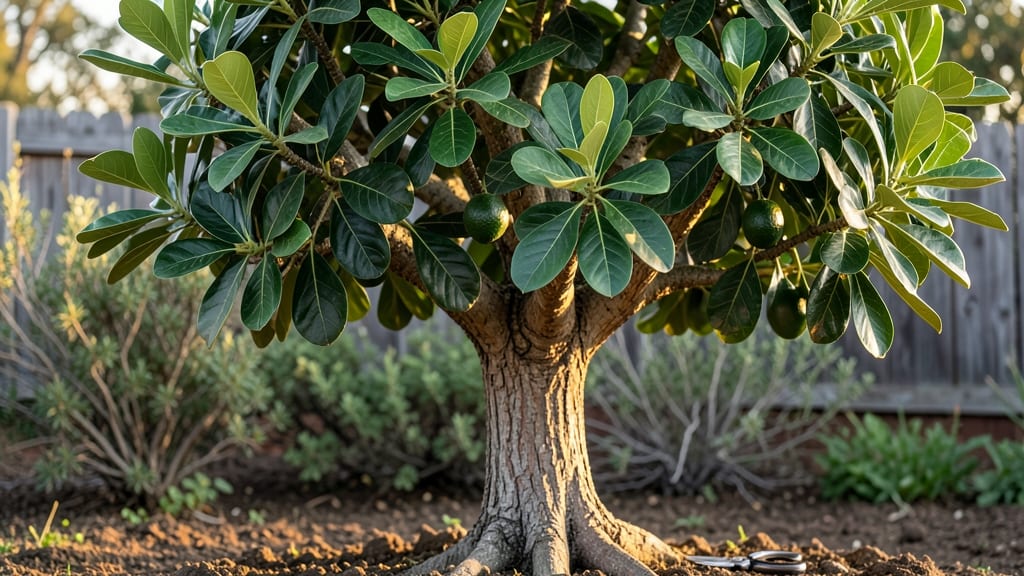
Learn how to take care of an avocado tree—and watch your home bloom into a lush tropical haven, complete with velvety leaves and the sweet reward of homegrown fruit. 🌿 I discovered the hard way these trees demand attention, but mastering their needs—light, water, and patience—makes all the difference. and patience, they reward you with lush growth year after year.
The key is mimicking their native conditions: bright, indirect sunlight, well-draining soil, and a watering routine that keeps roots happy without drowning them.
Start with a 6-inch pot for young trees and upgrade to 15-gallon containers as they grow—avocados hate soggy roots. Place them near a south-facing window or under grow lights for 12-14 hours of light daily, and fertilize every 6-8 weeks with a balanced citrus/avocado mix.
Pruning isn’t just about shaping; it’s about encouraging airflow and removing dead branches to prevent disease.
You’ll notice new growth within 4-6 weeks of proper care, and with time, your tree could produce fruit—though it takes 3-5 years for most indoor varieties. The real magic happens when you troubleshoot early: yellow leaves mean overwatering, while brown tips signal dry air.
A humidifier or pebble tray keeps them thriving indoors.
This care routine works for both container-grown and outdoor subtropical climates (zones 9-11). The same principles apply whether you’re growing Hass avocados in a pot or planting a dwarf variety in the ground. Let’s get your tree on the right track!
📚 In This Guide
- What you need
- Instructions
- Tips and common mistakes
- Wrapping up and next steps
What you need
- ● Avocado pit or seedling: One healthy avocado seed (for propagation) or a young tree (nursery-bought, 2–3 feet tall).
- ● Well-draining potting mix: 5–10 gallons (for containers) or enriched garden soil (for in-ground planting). Use a blend of cactus/succulent mix + perlite/vermiculite (ratio: 60/40).
- ○ Container (if potted): 15–20 gallon pot (minimum 12" diameter) with drainage holes. Optional: Self-watering pots for consistency.
- ● Pruning tools: Bypass pruners (for small branches, <$15).
- ● Loppers (for thicker branches, ½"–1" diameter, <$20).
- ● Sterilizing solution (70% isopropyl alcohol or bleach/water mix).
- ● Fertilizer: Balanced fertilizer (10-10-10 or 20-20-20) for early growth.
- ● Citrus/avocado-specific fertilizer (high in nitrogen, zinc, and magnesium) for mature trees. Apply every 4–6 weeks in growing season.
- ● Mulch: 2–3 inches of organic mulch (straw, wood chips, or compost) to retain moisture and regulate soil temp.
- ● Watering can or hose with gentle spray nozzle: Avoid over-saturating roots.
- ○ Support stakes (optional): 3–4 bamboo stakes + soft ties for young trees in windy areas.
- ● Soil moisture meter: Prevents over/under-watering (especially for container trees).
- ● Grow lights or sunny windowsill: Supplemental light for indoor trees (12–14 hours/day).
- ● Epsom salt: Boosts magnesium (½ tsp per gallon of water, monthly).
- ● Pest control: Neem oil, insecticidal soap, or horticultural oil for aphids/spider mites.
- ● Thermometer/hygrometer: Monitor temperature/humidity (ideal: 60–85°F, 40–60% humidity).
Step-by-step guide to cultivating a thriving avocado tree
Here's my foolproof approach to keeping your avocado tree healthy and productive indoors or outdoors.
🌱 Step 1: Master Light Requirements for Optimal Growth
Avocado trees demand bright, indirect light for at least 6-8 hours daily. Place yours near a south or west-facing window where sunlight filters through sheer curtains. Direct midday sun scorches delicate leaves—watch for crispy edges or yellowing as warning signs.
If natural light falls short, supplement with a full-spectrum LED grow light kept 12-18 inches above the tree. Run it for 12-14 hours daily to mimic tropical daylight. I adjust the height as the tree grows, keeping the light just above the canopy to prevent leggy growth.
💧 Step 2: Develop a Precise Watering Routine
Water deeply once every 7-10 days, allowing the top 2-3 inches of soil to dry completely between sessions. Overwatering suffocates roots—stick your finger in the soil; if it feels damp past your first knuckle, wait another day. I use room-temperature water to avoid shocking the roots.
Drainage is non-negotiable. Ensure your pot has multiple drainage holes and empty the saucer immediately after watering. Avocado trees hate soggy feet. During winter, reduce watering to every 2-3 weeks, as growth slows dramatically in cooler months.
☀️ Step 3: Maintain Ideal Temperature and Humidity
Keep your tree in a space where temperatures stay between 65-80°F during the day and never drop below 55°F at night. Drafty windows or AC vents cause sudden temperature swings that stress the plant. I place mine away from exterior doors and heating vents.
Humidity is the secret weapon for lush growth. Aim for 50-70% humidity by misting leaves 2-3 times weekly or placing the pot on a tray of pebbles filled with water. Watch for brown leaf tips—this signals dry air. A small humidifier near the tree works wonders during winter when indoor air gets parched.
✂️ Step 4: Prune Strategically for Shape and Health
Prune in late winter or early spring before new growth begins. Remove any dead, yellowing, or crossing branches using sterilized pruning shears. Cut just above a leaf node at a 45-degree angle to encourage outward growth. Never prune more than one-third of the canopy in a single session.
Shape your tree by pinching back the topmost set of leaves when the plant reaches 18-24 inches tall. This forces bushier growth. I also remove any suckers (shoots growing from the base) immediately—they sap energy from fruit production. Always clean your tools with rubbing alcohol between cuts to prevent disease.
🌿 Step 5: Fertilize for Fruit Production
Feed your tree every 4-6 weeks during spring and summer with a balanced 10-10-10 fertilizer diluted to half-strength. I switch to a potassium-rich 5-10-10 in late summer to encourage flowering. Always water thoroughly before and after fertilizing to prevent root burn.
Young trees (under 3 years) need less frequent feeding—every 6-8 weeks suffices. Mature trees benefit from a slow-release fertilizer in late winter. Watch for salt buildup (white crust on soil surface) and flush the soil with water if you see it. Healthy leaves stay dark green and leathery—any yellowing between veins signals magnesium deficiency, which I correct with Epsom salt.
Tips & tricks for perfect avocado tree care
Common pitfalls—and how to sidestep every one—when growing your tropical avocado tree.
Lighting Strategy: If your tree starts stretching toward the light (leggy growth), it's getting too little. Rotate the pot every 2-3 weeks so all sides receive even 6-8 hours of bright, indirect light. For indoor growers, I place mine on a rotating stand to ensure balanced growth. The 12-14 hours of supplemental light should mimic natural daylight cycles—set a timer for consistency.
Soil Science: Avocado trees thrive in well-draining, slightly acidic soil (pH 6.0-7.0). Mix one-third perlite or pumice with your potting mix to improve aeration. I repot every 2-3 years using a pot just 2 inches larger in diameter than the previous one—too big a jump causes root rot from excess moisture.
Humidity Hacks: Brown leaf tips? That's your tree screaming for moisture. Place the pot on a pebble tray filled with water (but keep the pot's base above water). For extra humidity, group plants together or use a small humidifier nearby. I notice the 2-3 weekly mistings make a huge difference during winter when indoor air gets dry.
Pruning Precision: When shaping your tree, focus on outward growth by cutting just above a leaf node at a 45-degree angle. This encourages branching. I also remove any suckers at the base immediately—they steal nutrients from fruit production. Sterilize your tools between cuts with rubbing alcohol to prevent bacterial spread.
Pro Tips for Take Care Of Avocado Tree
- Common pitfalls—and how to sidestep every one—when growing your tropical avocado tree.
- Lighting Strategy: If your tree starts stretching toward the light (leggy growth), it's getting too little.
- Soil Science: Avocado trees thrive in well-draining, slightly acidic soil (pH 6.0-7.0).
Frequently asked questions
Got questions about growing your own avocado tree? You’re not alone! Here are answers to the most common concerns—from pruning to pests and everything in between.
How often should I prune my avocado tree?
Prune your avocado tree once or twice a year, ideally in late winter or early spring (before new growth starts) and again in summer if needed. Focus on removing dead, diseased, or crossing branches to improve airflow and sunlight. Avoid heavy pruning—avocados produce fruit on older wood, so never trim more than 25% of the canopy at once.
Can I grow an avocado tree indoors? What do I need?
Yes! Start with a bush-type avocado (like ‘Wurtz’ or ‘Hass’) in a 10–15 gallon pot with well-draining soil. Place it near a south-facing window or under grow lights (12+ hours/day). Keep humidity high (mist leaves or use a pebble tray) and rotate the pot weekly for even growth. Expect slower fruit production indoors—focus on leafy growth first!
Why are my avocado tree leaves turning yellow or curling?
Yellowing leaves often signal overwatering or nutrient deficiencies. Check soil moisture—avocados hate soggy roots. Curling leaves may mean spider mites or avocado lace bug (common pests). Treat with neem oil or insecticidal soap, and ensure proper drainage. Yellowing edges could also indicate low humidity or fluoride toxicity (from tap water).
How long does it take for an avocado tree to bear fruit?
Patience is key! A container-grown avocado may take 3–5 years to produce fruit, while a garden-planted tree can bear fruit in 4–6 years. Factors like variety, sunlight, and care affect timing. Hass avocados (the most popular) are slow to fruit but reliable once established. Pro tip: Plant two trees for cross-pollination if you want fruit!
What’s the best temperature range for an avocado tree?
Avocados thrive in USDA Zones 9–11 (70–90°F during the day, 50–60°F at night). They’re tropical and cannot tolerate frost—below 28°F will kill the tree. If you live in a colder climate, grow it in a large pot and bring it indoors when temperatures drop. Young trees are more sensitive, so protect them from sudden cold snaps.
What’s the fastest way to fix root rot in an avocado tree?
Act fast! Stop watering immediately and check drainage—avocados need well-draining soil. Repot in fresh, sandy or cactus mix soil, trimming any mushy roots. Place the tree in bright, indirect light and water only when the top 2 inches of soil are dry. Add perlite or orchid bark to improve aeration. Recovery may take weeks, so monitor closely.
Wrapping up and next steps
Caring for an avocado tree is a rewarding journey that blends patience, consistency, and a little green thumb love! 🌱 By mastering the basics—like proper light, watering, pruning, and soil conditions—you’ll set the stage for a thriving plant that may even treat you to delicious fruit someday.
Remember, every expert gardener started with their first seedling, so don’t hesitate to experiment and learn along the way.
Now that you’re armed with knowledge, why not take the next step? Start by observing your tree’s unique needs and adjusting your routine as it grows. Happy growing—your avocado tree (and future harvest) will thank you! 🍑✨