
Pruning
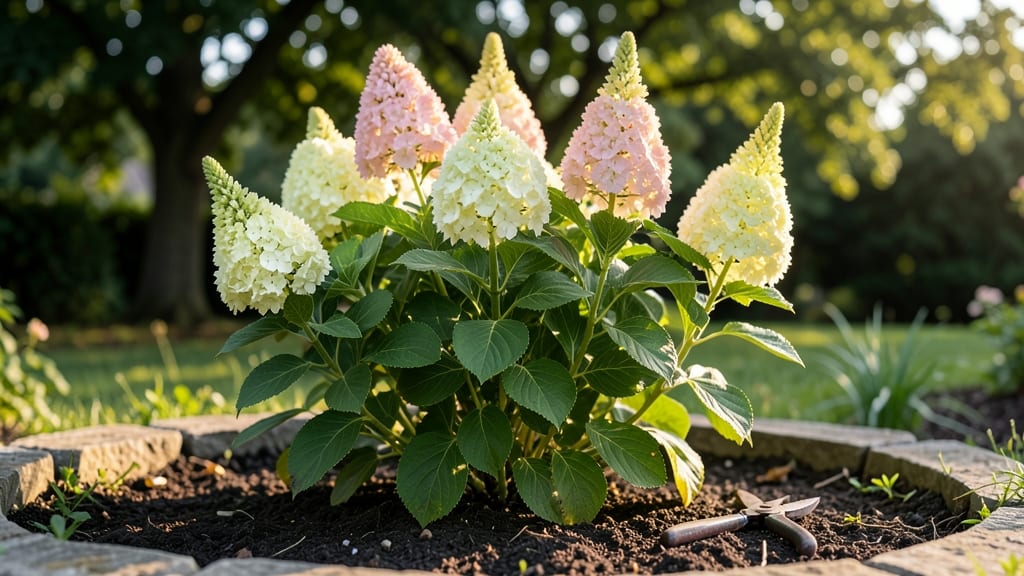
Your hydrangea tree Limelight could be the star of your garden—if you prune it right. 🌿 I remember the first time I saw one in full bloom, its lime-green flowers glowing against the summer sky, and I knew I had to grow one.
The secret to keeping it looking like that all season? Smart pruning that doesn’t leave you with bare branches or missed blooms.
This variety thrives in full sun to partial shade and loves well-draining soil, but the real magic happens when you time your cuts. Unlike other hydrangeas, Limelight blooms on new wood, so you can prune anytime—even in late winter—without sacrificing flowers.
The key is shaping it to encourage strong stems and abundant blooms, and I’ll show you exactly how to do it in just a few simple steps.
By the end, you’ll have a bush that bursts into color from early summer through fall, with those signature lime blooms deepening to pink as the season progresses. The best part? You’ll skip the guesswork and avoid the common mistakes that leave other gardeners frustrated. Let’s get those shears ready!
Whether you’re dealing with a young plant or a mature bush, the same principles apply—just adjust the timing and intensity. And don’t worry if you’ve never pruned hydrangeas before; this method is beginner-friendly but packed with pro tips to keep your Limelight looking its best for years.
📚 In This Guide
- What you need
- Instructions
- Tips and common mistakes
- Wrapping up and next steps
What you need
- ○ Pruning shears: Bypass pruners (sharp, clean, and sterilized with rubbing alcohol or bleach solution). Optional: Loppers for thicker branches (1-2 inches in diameter).
- ● Hand pruners: Small, precise pair for delicate cuts (e.g., Fiskars or Felco).
- ● Gloves: Heavy-duty, garden-grade gloves (nitrile-coated for grip and protection).
- ● Disposable pruning bags: 2-3 large bags (10-15 gallons) to collect clippings and debris.
- ● Rubbing alcohol (70%+) or bleach solution: 1 part bleach to 9 parts water (for sterilizing tools between cuts).
- ○ Pruning sealant: Optional but helpful for larger cuts (e.g., Tanglefoot Tree Wound Pruning Sealer).
- ● Ladder or step stool: Sturdy, extendable ladder (if your tree is over 6 feet tall). Safety first!
- ● Notebook & pen: To jot down notes on cuts, growth patterns, or seasonal reminders.
- ● Weather check: Prune on a dry, overcast day (avoid midday heat or rain).
- ● Tool sharpening: Hone shears/loppers before starting for clean cuts.
- ● Hydrangea research: Know your tree’s bloom type—Limelight hydrangeas bloom on new wood, so timing matters!
- ● Safety gear: Closed-toe shoes and long sleeves (protection from thorns or falling branches).
Step-by-Step guide to pruning your hydrangea tree Limelight
Here's how to keep your Limelight hydrangea thriving with seasonal cuts.
✂️ Step 1: Late Winter Pruning for Structure
Wait until after your last frost date when new growth begins—usually late February to early March. This is when your Limelight hydrangea is dormant but ready to wake up. You'll want to cut back one-third of the oldest stems to the ground, as these won't produce flowers this year anyway.
I like to start with the largest, thickest stems first. Use clean, sharp pruners to make a 45-degree angle just above a leaf node or outward-facing bud. This encourages stronger growth. If you see any dead or diseased wood, remove it completely—don't hesitate to cut back further if needed.
Here's the thing—Limelight hydrangeas bloom on new wood, so you won't be sacrificing flowers by pruning now. In fact, this aggressive cut actually stimulates bushier, more vibrant blooms later in the season. After pruning, give your plant a light watering to help it recover from the shock.
☀️ Step 2: Summer Maintenance for Airflow and Blooms
Once your Limelight starts flowering in mid-to-late summer, switch to a lighter maintenance approach. Every 4-6 weeks, remove any spent blooms by cutting back to the nearest leaf node. This keeps the plant focused on producing new flowers rather than seeding.
Watch for any stems that are growing too close together—they'll compete for sunlight and nutrients. Thin these out by cutting the weakest stems at the base. You'll know you're doing well when you can see good airflow between the branches and the center of the plant isn't too dense.
Real talk: If you notice any leaves turning yellow or brown, that's your cue to check for pests like spider mites. A quick spray with water often knocks them off, but if the infestation is bad, consider using an organic insecticidal soap. Healthy foliage means better blooms, so don't skip this step.
⏰ Step 3: Light Fall Pruning for Winter Prep
About 4-6 weeks before your first expected frost, do a final light pruning session. This isn't about shaping—it's about preparing your Limelight for winter. Cut back any weak or crossing branches that might have grown during the summer, making sure to maintain an open center.
I always take this opportunity to check for any suckers—those little shoots growing at the base of the plant. These drain energy from your main plant, so snip them off at the base. You want your Limelight to focus all its energy on surviving the winter, not on growing unnecessary growth.
After pruning, apply a 2-3 inch layer of mulch around the base (but not touching the trunk) to protect the roots from freezing temperatures. This is especially important if you live in a colder climate. The mulch will also help retain moisture during dry winter months.
🌱 Step 4: Post-Winter Inspection and Adjustments
As soon as you see new growth in early spring, do a quick inspection of your Limelight. Look for any dead or damaged branches from winter and prune those immediately. You might also notice some stems that grew too long over winter—cut these back by about one-third to encourage bushier growth.
Here's where it gets fun—watch how your plant responds to your pruning. If you see lots of new shoots emerging from the base, that's a good sign your plant is healthy and ready for another great blooming season. If growth seems sparse, you might need to adjust your pruning approach next year.
Don't forget to fertilize lightly in early spring with a balanced, slow-release fertilizer to give your Limelight the nutrients it needs for the growing season ahead. You'll see the difference in just a few weeks—that's your reward for all this careful pruning!
Tips & tricks for perfect hydrangea tree Limelight pruning
These simple tricks will help you maintain your Limelight hydrangea's health and maximize those stunning blooms year after year.
Timing is Everything: For Step 1, don't rush into pruning too early. I've seen gardeners prune in January only to find their plants struggling when warmer weather arrives. Wait until you see those first tiny signs of new growth—usually late February to early March—when your plant is ready to wake up from dormancy. This timing ensures you're cutting back old wood that won't produce flowers anyway, while leaving the new growth intact for vibrant blooms later.
Tool Technique: When making those 45-degree cuts in Step 1, I've found that using clean, sharp pruners makes all the difference. Dull blades can crush stems instead of making clean cuts, which invites disease. After each cut, wipe your pruners with rubbing alcohol to prevent spreading any potential infections between cuts. And here's a pro move: Always cut just above an outward-facing bud—this encourages growth away from the center, creating a fuller, more open plant structure.
Seasonal Maintenance: During Step 2's summer maintenance, I've noticed that the 4-6 week interval works best for most climates, but you might need to adjust based on your local weather. If you're experiencing unusually hot summers, you may need to increase to 6-8 weeks between prunings to avoid stressing the plant. The key is to always maintain that good airflow—this prevents fungal diseases and helps your plant focus its energy on producing beautiful blooms rather than fighting off pests.
Winter Prep: For Step 3's fall pruning, don't skip that mulch application! I've seen plants struggle through winter without proper root protection, especially in colder climates. That 2-3 inch layer acts like a cozy blanket for your roots, keeping them insulated from freezing temperatures. Just remember to keep it away from the trunk—mulch piled against the base can cause rot. And while you're at it, use this time to check for those sneaky suckers at the base—they might look harmless, but they're stealing energy from your main plant.
Pro Tips for Hydrangea Tree Limelight
- These simple tricks will help you maintain your Limelight hydrangea's health and maximize those stunning blooms year after year.
- Timing is Everything: For Step 1, don't rush into pruning too early.
- Tool Technique: When making those 45-degree cuts in Step 1, I've found that using clean, sharp pruners makes all the difference.
Frequently asked questions
Got questions about keeping your Hydrangea Tree Limelight thriving with perfect pruning? Here are the most common ones—and their answers!
When is the best time to prune my Hydrangea Tree Limelight for blooms?
The ideal window is late winter to early spring (before new growth starts). This ensures blooms develop on old wood while shaping the tree. Avoid pruning in fall—it cuts off next year’s flowers! For light shaping, you can trim lightly after blooming, but avoid heavy cuts.
How much can I prune without hurting my tree?
Never remove more than 25-30% of the foliage in one session. Focus on dead, crossing, or overcrowded branches first. For Limelight hydrangeas, prune just above a leaf bud or outward-facing branch to encourage fuller growth. Over-pruning can stress the tree and reduce blooms.
What do I do if my Limelight hydrangea isn’t blooming?
Check these first:
- Pruning timing: Did you prune too late? Old wood bloomers need winter/early spring cuts.
- Sunlight: Limelights need 6+ hours of sun—partial shade may limit flowers.
- Water/nutrients: Dry soil or poor drainage can stress the tree. Mulch and hydrate well!
- Age: Young trees (under 3 years) may bloom lightly—patience pays off!
Can I grow Hydrangea Tree Limelight in containers? How?
Yes! Use a large container (15+ gallons) with drainage holes and well-draining soil. Prune annually in spring to control size. Repot every 2-3 years and fertilize monthly during growing season. Winter care: Move containers indoors or wrap in burlap if temps drop below 20°F.
Are Limelight hydrangeas prone to pests or diseases?
Common issues include:
- Spider mites: Yellowing leaves? Spray with water or neem oil.
- Powdery mildew: Improve airflow; fungicide helps if severe.
- Leaf spot: Remove infected leaves; avoid overhead watering.
Prevent pests with regular pruning (removes hiding spots) and mulching to retain moisture. Healthy trees resist most problems!
Wrapping up and next steps
Ready to transform your Hydrangea Tree Limelight into a year-round spectacle of color? With the right pruning techniques, you’re well on your way to vibrant blooms and lush growth. Remember, timing and consistency are key—whether you’re shaping for summer flair or preparing for winter’s dormant phase.
🌿 Next steps:
- Grab your pruners and schedule a quick check-in every 3 months.
- Experiment with light trims to find what works best for your tree’s personality.
- Share your progress—because gardening is always better with a community!