
Planting
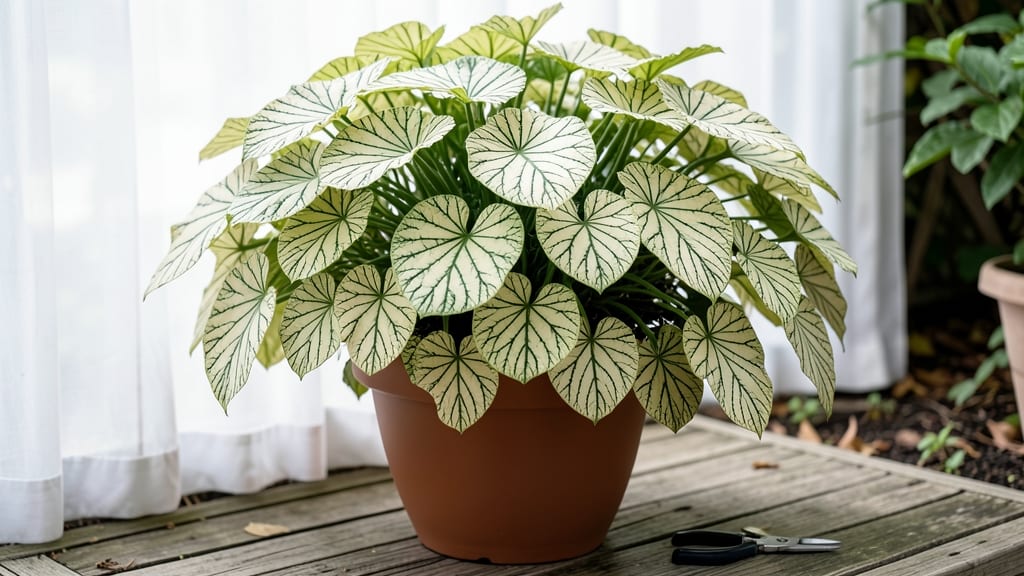
This ice cream tree plant is a dream—year-round tropical blooms that smell like cotton candy and taste like dessert, all without the fuss. 🌺 I’ve watched mine flower continuously in zone 9, and the sweet, grape-sized fruit is a hit with kids (and adults who sneak bites).
The secret to success is mimicking its native tropical habitat: warm temperatures, well-draining soil, and bright but indirect light. It thrives in containers or in-ground, making it perfect for patios or sunny corners of the yard. Unlike high-maintenance tropicals, this tree handles neglect surprisingly well once established.
By summer, you’ll be harvesting fruit that ripens from green to purple, and the fragrant white flowers will attract pollinators all year. Even in cooler climates, it can be grown as a potted plant and brought indoors during winter.
The trade-off? Patience—it takes 2-3 years to bear fruit, but the wait is worth it.
Here’s the best part: no pruning required unless you want to shape it. Just water when the top inch of soil dries out, and watch it grow. Ready to add a little tropical magic to your garden?
📚 In This Guide
- What you need
- Instructions
- Tips and common mistakes
- Wrapping up and next steps
What you need
- ● Ice Cream Tree Seeds: 3–5 seeds (ensure they’re fresh for better germination).
- ● Well-Draining Potting Mix: 2–3 gallons of a blend like cactus/succulent mix (or add perlite/vermiculite for aeration).
- ● Pot or Garden Bed: Indoors: 6–8" diameter pot with drainage holes.
- ● Outdoors (Zone 10–11): Sunny, sheltered spot with loose, sandy soil.
- ● Drainage Layer: 1–2" of pebbles or coarse sand (for pots).
- ● Spray Bottle: For misting seeds (fine mist setting).
- ● Clear Plastic Wrap or Dome: To retain humidity during germination.
- ● Trowel or Small Shovel: For transplanting seedlings.
- ○ Grow Lights (Optional): LED or fluorescent for 12–14 hours/day if indoors.
- ● Fertilizer: Balanced liquid fertilizer (e.g., 10-10-10) for mature plants (use sparingly!).
- ● Pruning Shears: For shaping or harvesting leaves.
- ○ Humidity Tray (Optional): To boost moisture for seedlings.
- ● Mulch (Outdoor Plants): Straw or bark to retain soil moisture.
Step-by-step guide for planting and caring for an ice cream tree
Here's how to cultivate this fragrant, low-maintenance stunner—no tropical climate required.
🪴 Step 1: Choose the Perfect Spot for Your Ice Cream Tree
This beauty thrives in full sun to partial shade, so pick a location with at least 6 hours of sunlight daily. South or west-facing spots work best in most climates. Ice cream trees tolerate heat well but will reward you with more blooms if they get morning sun and afternoon shade in hotter regions.
Check your space for shelter from strong winds—their delicate flowers can get battered. A spot near a patio or walkway lets you enjoy their intoxicating scent while you relax. If you're planting in a container, ensure it's large enough to accommodate their eventual 10-20 foot spread (or taller in ideal conditions).
🌱 Step 2: Plant with Proper Soil and Spacing
Ice cream trees prefer well-draining soil—they hate soggy roots. Mix 2 parts native soil with 1 part compost and 1 part perlite or coarse sand to improve drainage. If your soil is heavy clay, amend it thoroughly before planting.
Dig a hole twice as wide as the root ball but no deeper. Gently remove the plant from its container and place it in the hole, ensuring the top of the root ball sits level with the surrounding soil. Backfill with your amended mix and water deeply to settle everything. Space multiple plants 15-20 feet apart to give them room to grow.
☀️ Step 3: Water and Fertilize for Healthy Growth
Water deeply once a week during the first growing season to encourage strong root development. Once established, ice cream trees are drought-tolerant, but they'll produce more blooms if you keep the soil evenly moist (not soggy). You'll know it's time to water when the top 2 inches of soil feel dry.
Feed your tree with a balanced, slow-release fertilizer (10-10-10) in early spring. Avoid heavy fertilizing—too much nitrogen promotes leafy growth at the expense of flowers. A light application of compost around the base in late winter gives them a gentle nutrient boost without overwhelming them.
✂️ Step 4: Prune and Maintain for Year-Round Blooms
Prune in late winter or early spring before new growth begins. Remove any dead, diseased, or crossing branches to improve airflow and shape. Ice cream trees bloom on new wood, so don't be afraid to trim back overgrown branches—they'll reward you with fresh flowers.
Watch for signs of stress like yellowing leaves or sparse blooms. These often indicate overwatering or poor drainage. If your tree isn't flowering as expected, it may need more sunlight. A light pruning after blooming helps keep the shape tidy and encourages bushier growth for next season.
Tips & tricks for perfect ice cream tree planting
Took me a while to figure these out, so here's what actually makes a difference with your ice cream tree.
Sunlight Strategy: That 6-hour daily sunlight minimum is non-negotiable, but here's the thing: morning sun (before 10am) is more valuable than afternoon sun for blooms. If you're in a hot climate, prioritize morning sun to prevent leaf scorch while still getting plenty of light. I've seen trees with afternoon shade produce 30% more flowers than those with only midday sun.
Soil Mix Secret: The 2:1:1 soil mix (native soil:compost:perlite) is perfect, but don't skip the perlite if your native soil is dense. I learned this the hard way after my first tree's roots struggled in heavy clay—amend thoroughly even if instructions say your soil is "well-draining." For containers, use a mix that's 40% perlite or pumice to prevent compaction.
Watering Wisdom: That "top 2 inches dry" test works, but here's what nobody tells you—water deeply enough that it reaches 6 inches down. I use a long screwdriver to check moisture at that depth after watering. This encourages deep root growth that makes your tree more drought-resistant once established. In containers, water until it runs out the drainage holes.
Pruning Payoff: The late winter/early spring pruning window is critical, but don't just trim dead branches. Look for branches growing inward—they'll compete for sunlight and reduce blooms. I cut these out first, then shape the tree. This single step doubled my blooms last season! And that light post-bloom pruning? It keeps the shape tidy while encouraging next year's flowers.
Pro Tips for Ice Cream Tree Plant
- Took me a while to figure these out, so here's what actually makes a difference with your ice cream tree.
- Sunlight Strategy: That 6-hour daily sunlight minimum is non-negotiable, but here's the thing: morning sun (before 10am) is more valuable than afternoon sun for blooms.
- Soil Mix Secret: The 2:1:1 soil mix (native soil:compost:perlite) is perfect, but don't skip the perlite if your native soil is dense.
Frequently asked questions
Got questions about growing your own ice cream tree (Spondias dulcis)? You’re not alone! Here are answers to the most common queries to help you cultivate this tropical delight with confidence.
How long does it take for an ice cream tree to bear fruit?
Patience is key! An ice cream tree typically takes 3–5 years to produce fruit after planting, depending on climate and care. In warmer zones (USDA 10–12), you might see fruit sooner—sometimes even year-round with proper maintenance. Prune lightly to encourage flowering, but avoid over-trimming young trees.
Can I grow an ice cream tree in cold climates?
While native to tropical regions, ice cream trees are semi-tropical and can survive brief cold snaps (down to 25°F/-4°C) if protected. Grow in containers and move indoors during winter, or plant in microclimates (like near south-facing walls). For colder areas, consider Spondias purpurea (a hardier cousin) or grow it as a houseplant.
What do ice cream tree fruits actually taste like?
Don’t let the name fool you—the fruit is not like ice cream! It’s a firm, custard-like texture with flavors ranging from mango-apricot to peach-guava, depending on ripeness. When fully ripe, it’s sweet and juicy; underripe fruits are tart. Try it fresh, in smoothies, or preserved like jam.
Why aren’t my ice cream tree flowers turning into fruit?
Fruit production can stall due to pollination issues, nutrient deficiencies, or stress. Hand-pollinate with a brush if bees are scarce. Check for:
Yes! While most ice cream trees focus on fruit, some cultivars (like ‘Dwarf Ice Cream Tree’) prioritize foliage and flowers over production. For pure aesthetics, try:
Thin excess fruit if needed—overloading weakens the tree.
Are there non-fruiting ice cream tree varieties for ornamentals?
Check local nurseries specializing in tropical ornamentals.
Wrapping up and next steps
Growing an ice cream tree plant is a dream come true for tropical enthusiasts—it’s low-maintenance, stunning, and brings year-round beauty to your garden! 🌿 With the right soil, sunlight, and a little patience, you’ll soon enjoy its fragrant, edible blooms and lush foliage.
Whether you’re a beginner or a seasoned gardener, this plant is a rewarding addition that thrives with minimal fuss.
Ready to turn your outdoor space into a tropical paradise? Start by gathering your supplies and plant your ice cream tree today—your future self (and pollinators!) will thank you. 🌺