
Pruning
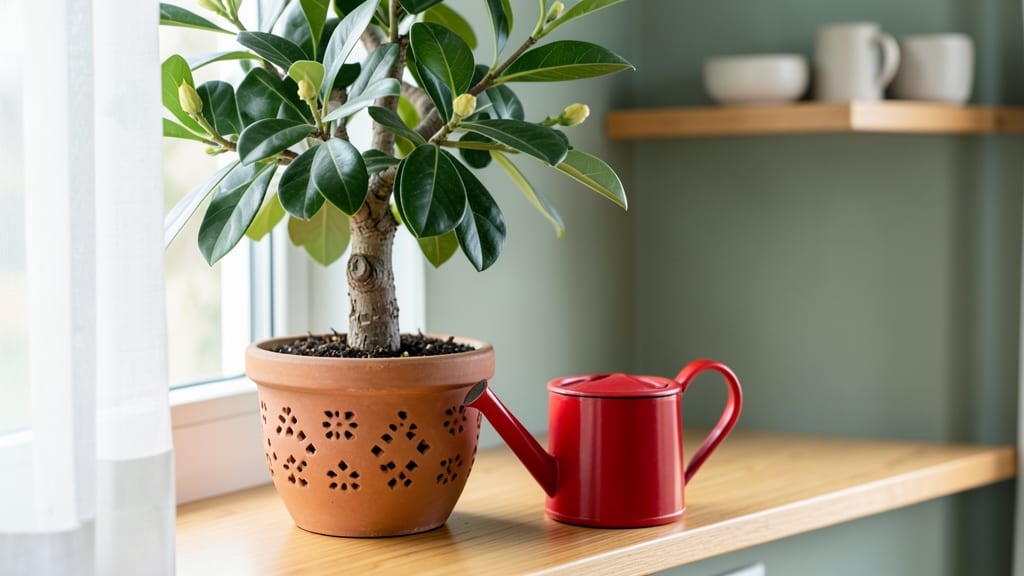
Mastering indoor avocado tree care turns that pit project from a sad, leggy eyesore into a thriving houseplant—once you know the secrets. My first attempt lasted exactly six months before it turned into a brown twig, but this time, I’m sharing the light, water, and trimming tricks that actually work.
The difference between a thriving tree and a struggling one often comes down to these three factors, and once you nail them, your avocado tree will reward you with glossy leaves and maybe even fruit someday.
Avocado trees crave bright, indirect light—think of a south- or west-facing window where they get at least 6-8 hours of sunlight daily. Too little light, and your tree will stretch toward the window, growing tall and weak.
Watering is equally critical: let the top 1-2 inches of soil dry out between waterings, but never let it sit in soggy soil, which causes root rot. The right well-draining potting mix (a blend of peat, perlite, and sand) keeps roots happy and prevents common pitfalls.
Pruning isn’t just about shaping—it’s about encouraging growth. Trim back leggy stems to just above a leaf node, and you’ll trigger bushier growth. Every few months, rotate your tree so it grows evenly, and wipe the leaves with a damp cloth to keep them dust-free.
Within 3-6 months, you’ll notice the difference: vibrant green leaves, sturdy branches, and a plant that actually looks like it belongs in a jungle instead of your living room.
This method works for trees at any stage, whether you’re starting with a pit or rescuing a neglected plant. The key is consistency—light, water, and a little pruning go a long way.
Once you’ve got these basics down, you can experiment with fertilizing or even repotting for even better results. Let’s get that tree growing!
📚 In This Guide
- What you need
- Instructions
- Tips and common mistakes
- Wrapping up and next steps
What you need
- ● Avocado pit – A fresh, healthy pit from an avocado (organic if possible).
- ● Well-draining potting mix – A blend of peat moss, perlite, and sand (or a cactus/succulent mix). Quantity: 2–3 cups for germination, later upgraded to a 5–10 gallon pot (depending on tree size).
- ● Small pot (3–4 inches in diameter) – For germination (plastic or terracotta with drainage holes).
- ● Larger pot (5+ gallons) – For mature trees (terracotta or ceramic preferred for breathability).
- ● Drainage tray or saucer – To catch excess water and prevent root rot.
- ● Pruning shears – Sharp, clean shears for trimming (sterilize with rubbing alcohol between cuts).
- ● Spray bottle – For misting leaves (especially in dry climates).
- ○ Grow lights (optional) – LED or fluorescent lights (12–14 hours/day) if natural light is insufficient.
- ● Fertilizer (balanced or citrus-specific) – Diluted liquid fertilizer (e.g., 10-10-10) every 4–6 weeks in spring/summer.
- ● Humidity tray or pebble tray – To increase moisture in dry air (add water + pebbles).
- ○ Support stake or trellis – For taller trees to prevent toppling (optional but helpful).
Step-by-Step indoor avocado tree care for thriving growth
Here's how to keep your avocado tree happy and healthy indoors—no guesswork needed.
Position for Maximum Light Exposure
Avocado trees crave bright, indirect sunlight for at least 6-8 hours daily. Place your tree near a south- or west-facing window where it gets plenty of natural light without harsh afternoon sun. If your space is dim, supplement with a grow light positioned 12-18 inches away for 12-14 hours per day.
Watch for signs of insufficient light—leggy stems, pale leaves, or leaves stretching toward the window. Rotate the pot a quarter turn weekly so the tree grows evenly. If leaves start yellowing or dropping, it's a red flag that the light isn't right. Move it closer to the window or adjust your grow light setup immediately.
Water with Precision to Avoid Root Stress
Avocado trees hate soggy soil but also dislike drying out completely. Water when the top 1-2 inches of soil feel dry to the touch. Stick your finger in the soil—if it's damp below that depth, wait another day. When you do water, soak thoroughly until water runs out the drainage holes. Empty the saucer afterward to prevent root rot.
Overwatering is the #1 killer of indoor avocado trees. If the leaves start yellowing or the soil smells musty, you're likely overdoing it. Reduce watering frequency and let the soil dry out more between waterings. A moisture meter helps avoid guesswork, especially in cooler months when growth slows.
Prune for Shape and Airflow
Pruning isn't just about aesthetics—it encourages stronger growth and prevents disease. Use clean, sharp pruning shears to trim back any leggy or overcrowded branches. Focus on removing dead, diseased, or crossing branches first. Cut just above a leaf node (the bump where leaves grow) at a 45-degree angle to promote faster healing.
Here's the thing—avocado trees respond well to pruning, but don't overdo it. Aim to remove no more than 20-30% of the foliage at once. After pruning, wipe down the cuts with a cloth dipped in rubbing alcohol to prevent bacterial infections. This is also a great time to repot if your tree has outgrown its container—choose one just 2 inches larger in diameter.
Fertilize for Nutrient Balance
Feed your avocado tree with a balanced liquid fertilizer (like 10-10-10) diluted to half strength every 4-6 weeks during spring and summer. Avoid fertilizing in fall and winter when growth slows. Always water the tree thoroughly before applying fertilizer to prevent root burn.
You'll notice new growth within a few weeks if the fertilizer is working—look for fresh, dark green leaves and sturdy new stems. If the leaves turn brown or crispy at the edges, you're over-fertilizing. Flush the soil with water to remove excess salts, then reduce fertilizer strength or frequency. Yellow leaves with green veins usually mean your tree needs more iron—switch to a chelated iron supplement for a few weeks.
Tips & tricks for perfect indoor avocado tree care
Here's what nobody tells you about keeping your avocado tree thriving indoors—these little details make all the difference.
Light Exposure Insight: In Step 1, when positioning your tree, remember that 6-8 hours of bright, indirect light is non-negotiable. If you notice leaves stretching toward the window, it's a clear sign your tree needs more light. I've seen avocado trees grow toward the light so aggressively they look like they're leaning—this is called etiolation, and it weakens the stem. For even growth, rotate your tree a quarter turn weekly as instructed, but also consider a small mirror or reflective surface near the window to bounce more light onto the tree.
Watering Precision: The top 1-2 inches dry rule in Step 2 is critical, but here's the thing: avocado trees have deep roots that need consistent moisture, not just surface-level dampness. After watering thoroughly until it drains from the bottom, let the tree sit for 5-10 minutes, then empty the saucer. This prevents root rot while ensuring the roots get the hydration they need. In winter, when growth slows, you might find you only need to water every 10-14 days instead of weekly.
Pruning Strategy: When you're pruning in Step 3, focus on removing branches that are growing inward or crossing each other—these create weak spots and limit airflow. I learned this the hard way after my tree developed fungal issues from overcrowded branches. After pruning, don't just toss those clippings! Place them in a sealed bag in the freezer for a few days to kill any potential pests before composting. This simple step can prevent future infestations.
Fertilizer Timing: The 4-6 week feeding schedule in Step 4 works, but pay attention to your tree's signals. If you see new growth within 2-3 weeks after fertilizing, you're on the right track. However, if the leaves start curling or developing brown edges, flush the soil with water immediately to remove excess salts. I've found that switching to a fish emulsion fertilizer in late summer gives my tree a nice boost before the slower winter months.
Pro Tips for Indoor Avocado Tree Care
- Here's what nobody tells you about keeping your avocado tree thriving indoors—these little details make all the difference.
- Light Exposure Insight: In Step 1, when positioning your tree, remember that 6-8 hours of bright, indirect light is non-negotiable.
- Watering Precision: The top 1-2 inches dry rule in Step 2 is critical, but here's the thing: avocado trees have deep roots that need consistent moisture, not just surface-level dampness.
Frequently asked questions
Got questions about keeping your indoor avocado tree thriving?
You’re not alone! Here are answers to the most common concerns—from watering woes to pruning puzzles—so you can grow a happy, healthy tree with confidence.
How often should I water my indoor avocado tree?
Water your avocado tree when the top 2–3 inches of soil feel dry—usually every 1–2 weeks, depending on humidity and light. Overwatering is the #1 killer! Let excess water drain completely to avoid root rot. Pro tip: Stick your finger in the soil—if it’s damp, wait a few more days.
Why are the leaves turning yellow?
Yellow leaves often signal overwatering or nutrient deficiency. Check the soil moisture first—if it’s soggy, cut back on water. If the problem persists, your tree may need fertilizer (use a balanced liquid feed every 2–3 months). Brown edges? Low humidity could be the culprit—try misting or a pebble tray!
When and how should I prune my avocado tree?
Prune in early spring to shape the tree and encourage new growth. Use clean, sharp shears to trim dead, crossing, or overcrowded branches. Avoid heavy pruning—avocados respond best to light, strategic cuts. Pro tip: Sterilize tools with rubbing alcohol to prevent disease.
Can I grow an avocado tree indoors without direct sunlight?
Avocado trees love bright, indirect light (like an east or south-facing window). Without enough light, growth slows, and leaves may stretch weakly. If natural light is limited, supplement with a grow light (12–14 hours/day). Rotate the pot monthly for even growth!
What should I do if my avocado tree drops leaves?
Leaf drop is usually stress-related—check for sudden temperature changes, drafts, or overwatering. Move the tree to a stable spot and adjust care. If it’s a young tree, it may be adjusting to its new home. Pro tip: Avoid fertilizing during stress—wait until new growth appears.
Wrapping up and next steps
Growing an indoor avocado tree is a rewarding journey that combines patience, care, and a little creativity! 🌱 With the right balance of light, water, and pruning, you’ll nurture a thriving plant that’s not just beautiful but also a conversation starter.
Remember, consistency is key—whether you’re trimming to shape it or adjusting sunlight, your efforts will pay off in lush, vibrant growth.
Ready to take the next step? Start small: pick one technique—like mastering pruning or perfecting your watering schedule—and watch your avocado tree flourish. Happy gardening! 🌿