
Pruning
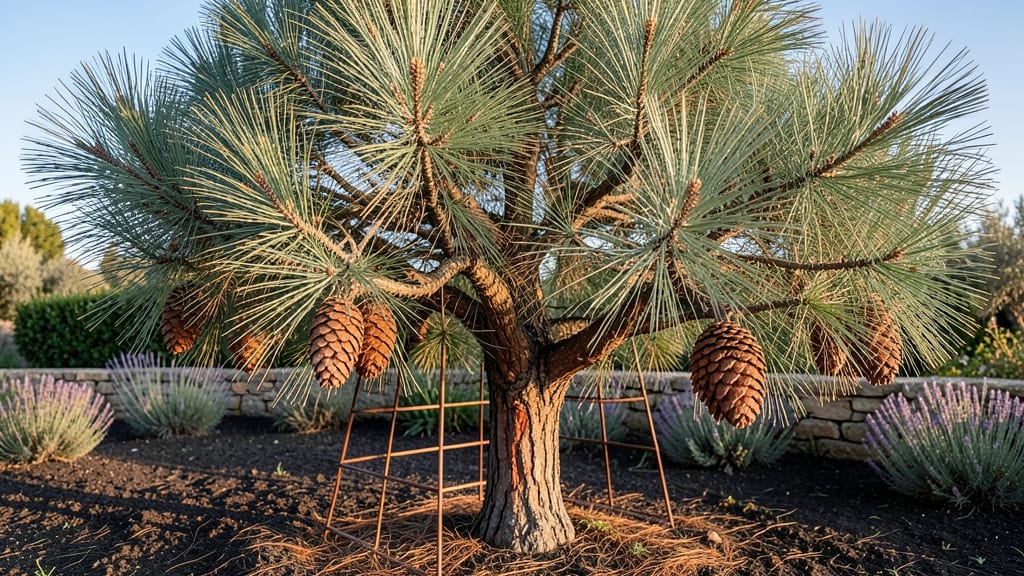
Transform your holiday landscape with an Italian stone pine as your Italian stone pine Christmas tree—its silvery-blue needles and graceful shape bring timeless elegance without the seasonal fuss.
Unlike traditional evergreens, this Mediterranean native thrives in heat and drought, making it a low-maintenance star for festive displays that last long after December. I planted mine last fall, and by winter, it stood tall with a natural, rustic charm that no plastic tree could match.
The secret to its success lies in its adaptability: it tolerates poor soil, needs minimal pruning, and holds its needles year-round, so you skip the needle-drop mess.
For best results, plant it in well-draining soil with full sun—it rewards patience with a 10-15 foot mature height that frames your home like a living centerpiece. Unlike cut trees, it grows back every year, saving money and reducing waste.
Decorating is where the magic happens: its soft, silvery foliage pairs perfectly with twinkling lights or garlands without weighing down branches. Just avoid heavy ornaments—this tree’s delicate needles can’t handle the weight.
By spring, you’ll watch it shed its holiday role seamlessly, transforming into a year-round focal point that outshines any store-bought alternative.
Perfect for warm climates or drought-prone areas, this tree proves evergreens can be both festive and functional. Whether you’re replacing a traditional tree or adding a unique statement piece, it’s a game-changer for sustainable holiday decor. Let’s get yours growing!
📚 In This Guide
- What you need
- Instructions
- Tips and common mistakes
- Wrapping up and next steps
What you need
- ● Italian stone pine branches or small trees: 3–5 medium-sized branches (12–18 inches long) or 1–2 small potted trees (3–5 feet tall) for a fuller look. Look for fresh, fragrant needles!
- ● Base structure: Option 1: A sturdy metal or wooden tree stand (capacity: 3–5 gallons of water).
- ● Option 2: A large decorative pot or bucket (10+ inches wide) for a rustic, potted look.
- ● Water: 2–3 gallons (for freshness and stability).
- ● Flax or floral wire: 20–30 feet (22–24 gauge) for securing branches.
- ● Twine or raffia: 1–2 rolls (for natural, hidden ties).
- ● Pruning shears: Sharp, bypass-style shears (for trimming branches to size).
- ● Scissors: Small, sharp pair (for cutting wire or twine).
- ● Measuring tape: 6-foot tape (to ensure balanced proportions).
- ● Gloves: Heavy-duty work gloves (to protect hands from pine needles and wire).
- ● Spray bottle: With water (to mist branches and keep them fresh).
- ● Ornaments: Wooden beads, pinecones, or handmade decorations (Italian stone pine pairs beautifully with natural textures!).
- ● Fairy lights or candles: Battery-operated string lights or LED candles (for a cozy glow—safety first!).
- ● Spray paint (matte gold/silver): For a touch of metallic elegance (use sparingly!).
- ● Moss or faux snow: For a whimsical, woodland-inspired finish.
Step-by-step guide to planting and cultivating Italian stone pine as a festive landscape tree
Transform your outdoor space with this Mediterranean beauty—its silvery-blue needles and sturdy form make it a standout year-round.
🌱 Step 1: Choose the Perfect Planting Site and Prepare the Soil
Italian stone pine thrives in full sun—select a location with at least 6 hours of direct sunlight daily. These trees tolerate poor, dry soil but grow best in well-draining, slightly acidic to neutral soil with a pH between 6.0 and 7.5. Avoid low-lying areas where water pools, as soggy roots lead to root rot.
Before planting, loosen the soil to a depth of 12-18 inches using a shovel or garden fork. Mix in 2-3 inches of organic matter, like compost or aged pine bark, to improve drainage and fertility. If your soil is heavy clay, amend it with sand or grit to prevent compaction. The tree’s deep roots appreciate loose, airy soil that mimics its natural Mediterranean habitat.
🪴 Step 2: Plant at the Right Depth and Stake for Stability
Dig a hole twice as wide as the root ball but no deeper—Italian stone pines dislike having their roots buried too deeply. Gently remove the tree from its container and tease the roots outward if they’re circling. Place the tree in the hole so the top of the root ball sits 1-2 inches above ground level—this prevents water from pooling around the trunk.
Backfill the hole with native soil, tamping lightly as you go to eliminate air pockets. Water deeply to settle the soil, then stake the tree if needed—these pines grow tall and may require support in windy areas. Use two stakes positioned diagonally from the tree, tied loosely with soft fabric or rubber stakes to avoid girdling the trunk. Mulch around the base with 2-3 inches of wood chips, keeping mulch 6 inches away from the trunk to prevent rot.
☀️ Step 3: Water Deeply and Adjust Care for Seasonal Needs
Water the tree deeply once a week for the first two months after planting, providing 1-2 gallons per inch of trunk diameter. After establishment, reduce watering to once every 2-3 weeks, as Italian stone pines are drought-tolerant once mature. Overwatering is the biggest mistake—these trees prefer dry conditions and can suffer from root rot in consistently wet soil.
Fertilize lightly in early spring with a slow-release, balanced fertilizer (10-10-10 or similar) to encourage growth. Avoid heavy applications, as stone pines grow slowly and don’t need much extra nutrition. Prune only to remove dead or damaged branches—these trees have a natural, elegant shape that requires minimal shaping. Wait until late winter or early spring to prune, when the tree is dormant but before new growth begins.
✂️ Step 4: Maintain Long-Term Health and Prune Strategically
Italian stone pines are low-maintenance but benefit from annual inspections for pests like pine bark beetles or diseases such as needle blight. If you notice yellowing needles, sawdust-like frass, or resin buildup, address issues promptly—these trees recover poorly once stressed. A copper fungicide spray in early summer can prevent needle blight in humid climates.
Shape the tree lightly in early spring by removing crossing branches or those growing inward to maintain an open canopy. Avoid heavy pruning, as these pines produce new growth slowly. The tree’s silvery-blue needles and upright form make it a striking focal point—resist the urge to over-prune, as its natural elegance is part of its charm. With proper care, it will provide year-round interest and a festive Mediterranean feel to your landscape.
Tips & tricks for perfect Italian stone pine landscaping
Here's what nobody tells you about creating a showstopping focal point with Mediterranean flair.
Site Selection Secret: While Italian stone pines tolerate poor soil, their true beauty emerges when planted in well-draining soil with that perfect pH balance of 6.0-7.5. I recommend testing your soil before planting—many nurseries offer affordable test kits. If your soil is too alkaline, mix in 2-3 inches of peat moss to the amended soil during planting to help maintain the ideal pH range. This small adjustment makes all the difference in long-term health.
Planting Depth Precision: The 1-2 inches above ground level placement of the root ball might seem subtle, but it's critical. Too deep and you risk suffocating the roots; too shallow and the trunk may become vulnerable to temperature swings. I always use a level to verify the root ball sits perfectly horizontal—this prevents water from pooling around the trunk after watering. A simple trick: mark the root ball's top with a pencil before removing it from the container.
Watering Wisdom: Those first two months are crucial—your 1-2 gallons per inch of trunk diameter watering should penetrate deeply to encourage root development. I use a soil probe to check moisture levels at 6 inches deep after watering; if it comes out dry, you need to water again. The goal is to saturate the root zone completely, not just wet the surface. This establishes drought tolerance from day one, which is exactly what these Mediterranean natives need.
Mulching Mastery: The 2-3 inches of wood chips you'll apply should be spread in a donut shape, keeping that 6-inch clearance from the trunk. I prefer pine bark mulch because it mimics the tree's natural habitat and slowly releases nutrients as it breaks down. Refresh the mulch annually in late winter—this helps regulate soil temperature and conserves moisture during those hot summer months.
Pro Tips for Italian Stone Pine Christmas Tree
- Here's what nobody tells you about creating a showstopping focal point with Mediterranean flair.
- Site Selection Secret: While Italian stone pines tolerate poor soil, their true beauty emerges when planted in well-draining soil with that perfect pH balance of 6.0-7.5.
- Planting Depth Precision: The 1-2 inches above ground level placement of the root ball might seem subtle, but it's critical.
Frequently asked questions
about Italian Stone Pine Christmas trees—because planning your festive landscape deserves clarity! Here are answers to the most common queries to help you make the best choices for your holiday decor.What makes an Italian Stone Pine a good choice for a Christmas tree?
The Italian Stone Pine (Pinus pinea) offers a unique, rustic charm with its silver-blue needles and sturdy branches, perfect for a natural, elegant look. Unlike traditional evergreens, its open, airy growth habit allows for creative decorating—think garlands, ornaments, or even fresh pinecones! Plus, its fragrant scent adds a cozy holiday vibe.
When is the best time to harvest or prune an Italian Stone Pine for Christmas?
For a fresh look, prune in late fall (October-November) to shape the tree and encourage new growth. If using it as a living tree, harvest after the first frost (early December) for optimal needle retention. Avoid heavy pruning in summer—this can stress the tree. Pro tip: Water it well before bringing it indoors to keep needles lush!
Can I reuse an Italian Stone Pine Christmas tree from year to year?
Unlike cut trees, Italian Stone Pines are living plants, so they can be replanted after the holidays. If kept outdoors, prune lightly in spring to remove damaged branches. For indoor use, ensure it gets bright light and occasional watering—just don’t overwater, as soggy roots can cause rot.
What are some alternatives if I can’t find an Italian Stone Pine?
If Italian Stone Pines are scarce, consider these fragrant, pine-like alternatives:
- Scots Pine (Pinus sylvestris) – Classic Christmas tree with soft needles.
- Black Pine (Pinus nigra) – Dark, dramatic branches for a bold look.
- Eastern White Pine (Pinus strobus) – Delicate and lightweight for easy decorating.
- Artificial trees – Opt for pre-lit, high-quality ones if fresh trees aren’t an option.
Each offers a different aesthetic—pick based on your style!
Why are the needles falling off my Italian Stone Pine Christmas tree?
Needle drop is common in dry indoor air or stress from transplanting. To fix it:
- Mist the tree daily or place it near a humidifier.
- Avoid placing it near heat sources (fireplaces, vents).
- Check for pests like spider mites—spray with water or insecticidal soap if needed.
Most trees recover once back outdoors!
Wrapping up and next steps
Transforming your Italian stone pine into a stunning Christmas tree is all about patience, precision, and creativity—and the results will be magical! 🌲✨ Whether you’re shaping it for holiday charm or year-round elegance, the key is to prune with care, celebrate its natural beauty, and enjoy the process.
Now that you’re armed with expert tips and answers to common questions, it’s time to roll up your sleeves and get pruning!
Ready to make this holiday season your most festive yet? Start today—your Italian stone pine (and your future holiday photos) will thank you! 🎄💚