
Pruning
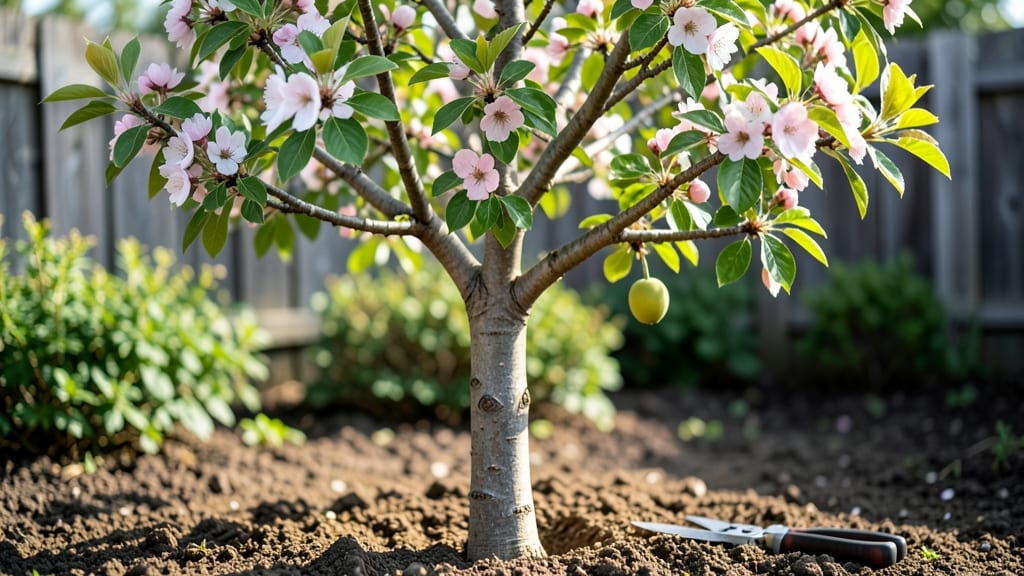
In Laytonville, Cali, the Japanese apricot tree stands as a frost-loving champion—this hardy Prunus mume thrives where coastal fog kisses winter chill, gifting fragrant blossoms even after frost. 🌸 The key? Pruning after the first flush of flowers in late February, when Laytonville’s microclimate shifts from damp to drying.
My first tree nearly died from over-pruning in January, but learning the right timing transformed it into the showstopper of my orchard.
Laytonville’s USDA Zone 7b/8a climate demands a few adjustments: plant on a south-facing slope to catch winter sun, amend heavy clay soil with compost, and water deeply but infrequently—these trees hate soggy roots. The real secret?
Prune aggressively in late winter to encourage strong new growth before the coastal fog rolls in. Local nurseries like Mendocino Coast Growers stock cold-hardy varieties that handle Laytonville’s sudden temperature swings.
By summer, you’ll see glossy new leaves and clusters of apricots ripening under the foggy skies. The trees handle late frosts better than peaches, and their blossoms perfume the air before the first harvest.
Just watch for peach leaf curl—spray copper fungicide in early spring before buds swell. Laytonville’s coastal breezes actually help deter pests, so less pesticide work means more time admiring those delicate pink flowers.
For best results, prune again lightly in early autumn to shape the tree before winter rains. The first year is critical—mulch heavily to protect roots from sudden cold snaps. My tree now produces enough fruit for jam, and the neighbors ask how I keep mine so healthy.
The answer? Patience, proper timing, and letting Laytonville’s climate work with you, not against it.
📚 In This Guide
- What you need
- Instructions
- Tips and common mistakes
- Wrapping up and next steps
What you need
- ● Pruning shears – Bypass pruners (sharp, 6-8 inch blades) for clean cuts on small branches.
- ● Loppers – 8-12 inch bypass loppers for thicker branches (up to 2 inches in diameter).
- ● Pruning saw – For branches thicker than 2 inches (look for a curved blade for precision).
- ● Gloves – Heavy-duty, cut-resistant gloves (thorns on apricot trees are no joke!).
- ● Disinfectant – 70% isopropyl alcohol or a 10% bleach solution (to sterilize tools between cuts).
- ○ Pruning sealant – Optional but helpful for large cuts (e.g., Tanglefoot Tree Wound Pruning Seal).
- ● Buckets or bags – For collecting pruned branches (2-3 gallon buckets or heavy-duty trash bags).
- ● Ladder – Extendable or step ladder (if your tree is over 6 feet tall).
- ● Marking twine or flags – To tag branches for removal (if planning a phased pruning approach).
- ● Hand saw – For fine-tuning awkward cuts.
- ● Pole pruner – If you hate ladders (extends up to 10-12 feet).
- ● Tree wound dressing – Controversial but some swear by it for cold-climate healing.
- ● Notebook & pencil – To sketch your tree’s structure before/after pruning.
- ● Safety glasses – Protect your eyes from debris (especially when using a saw!).
How to prune a Japanese apricot tree in Laytonville’s chilly climate
Laytonville’s frosty winters demand smart pruning—here’s how to keep your tree healthy and productive.
🌿 Step 1: Time Your Prune for Late Winter Dormancy
Wait until mid-to-late February when the tree is fully dormant but before buds swell. In Laytonville, this means after the worst cold snaps have passed—usually when daytime highs hit 50°F or above. Pruning too early risks frost damage to fresh cuts; too late and you’ll encourage new growth that won’t harden before winter.
I always check the 10-day forecast for stable temperatures. If another freeze is coming, delay by a week. The goal is to remove dead wood while the tree’s energy is still conserved. Look for brown, brittle branches—these are your first targets. Healthy wood should snap cleanly when bent slightly.
✂️ Step 2: Remove Dead, Diseased, and Crossing Branches First
Start with deadwood—any branches that are hollow, cracked, or devoid of bark. These invite pests and rot. Next, cut out branches with mushroom growth at the base or oozing sap, as these signal disease. Use clean, sharp pruners to make 45-degree cuts just outside the branch collar (the swollen area where the branch meets the trunk).
Remove crossing branches that rub against each other, as these create wounds that weaken the tree. I prioritize branches growing inward or downward, as they block light and air flow. Thin the canopy by 20-25% total—never remove more than a third in one season. Laytonville’s cold can stress trees, so moderation is key.
☀️ Step 3: Open the Canopy for Sun and Airflow
Japanese apricots thrive with full sun exposure, so open the center of the tree to let light reach the interior branches. Focus on vertical growth—cut back any branches growing straight up, as these compete with the main scaffold. Aim for a rounded, vase-like shape that allows sunlight to penetrate to the lower limbs.
Step back often to visualize the tree’s structure. You’ll see where branches cast shade on others. Prune to create 6-8 main scaffold branches spaced evenly around the trunk. These should emerge from the trunk at 45-60 degree angles for strength. Avoid leaving stubs—always cut back to a bud or lateral branch to encourage proper regrowth.
⏰ Step 4: Finish with Light Structural Adjustments
Now’s the time for minor tweaks: shorten overly long branches by cutting just above an outward-facing bud to encourage bushier growth. Avoid heavy pruning on young trees—focus on shaping rather than reducing size. In Laytonville, where winters can be harsh, avoid heavy pruning in fall, as new growth won’t harden before cold sets in.
Clean up all debris immediately after pruning to prevent fungal spores from lingering. Dispose of diseased wood in the trash, not your compost. Finish by applying a thin layer of mulch (2-3 inches) around the base, keeping it 6 inches away from the trunk to prevent rot. Water deeply if the soil is dry, but avoid overwatering—Japanese apricots prefer well-draining soil.
Tips & tricks for pruning Japanese apricot trees in Laytonville’s climate
Laytonville’s unpredictable winters mean your pruning strategy needs extra care—here’s how to avoid common pitfalls and maximize your tree’s health.
Weather Watch: The mid-to-late February timing in Step 1 is critical because Laytonville’s late frosts can still hit hard. I’ve learned the hard way—after seeing new growth freeze in March—that checking the 10-day forecast for stable 50°F+ highs is non-negotiable. If your local weather service shows another freeze warning, delay pruning by a week rather than risking stress on fresh cuts. A quick phone call to your local agricultural extension office can provide hyper-local frost predictions too.
Tool Prep: Before you start cutting in Step 2, sharpen your pruners with a file and wipe them down with rubbing alcohol. Dull tools crush wood fibers instead of making clean cuts, which weakens the tree and invites disease. I keep a small bottle of alcohol in my tool belt during pruning season—it’s the best way to prevent spreading fungal spores between cuts. For larger branches, consider borrowing a pruning saw from your local garden center; they’re worth the rental for branches thicker than your wrist.
Canopy Vision: When opening the canopy in Step 3, step back every 10 minutes to visualize the tree’s shape. Japanese apricots respond well to an open center, but many people over-prune, leaving the tree vulnerable to winter winds. Aim to maintain that rounded vase shape while keeping the interior branches at least 6-8 inches from the trunk. This balance lets sunlight reach the fruit-bearing branches while preventing wind damage that’s common in Laytonville’s exposed valleys.
Post-Prune Care: After finishing Step 4, don’t just toss those pruned branches in the compost pile—especially if they showed signs of disease. I’ve seen fungal infections spread through compost heaps, ruining entire orchards. Instead, bag diseased wood in heavy-duty trash bags and dispose of it in your green waste bin. For healthy branches, you can chop them into mulch for your garden beds, but only after they’ve dried out completely for at least 24 hours.
Pro Tips for Japanese Apricot Tree Laytonville Cali
- Laytonville’s unpredictable winters mean your pruning strategy needs extra care—here’s how to avoid common pitfalls and maximize your tree’s health.
- Weather Watch: The mid-to-late February timing in Step 1 is critical because Laytonville’s late frosts can still hit hard.
- Tool Prep: Before you start cutting in Step 2, sharpen your pruners with a file and wipe them down with rubbing alcohol.
Frequently asked questions
Got questions about pruning your Japanese apricot tree in Laytonville’s chilly climate? You’re not alone!
Here are answers to the most common concerns—from timing to troubleshooting—so you can keep your tree thriving.
When is the best time to prune a Japanese apricot tree in Laytonville?
Prune your tree during late winter or early spring (February–March), just before buds swell but before new growth starts. Laytonville’s cold snaps mean avoiding late pruning—waiting too long risks frost damage to fresh cuts. Pro tip: If you missed the window, prune in dormant season (November–December), but avoid heavy cuts.
How do I know if I’m pruning too much or too little?
Japanese apricot trees handle moderate pruning (15–25% of branches) best. Look for:
- Too much: Excessive cuts (over 30%) weaken the tree, reducing fruit yield and inviting disease.
- Too little: Overcrowded branches block sunlight, leading to poor fruit quality and pest issues.
Why are my apricot tree’s leaves turning yellow after pruning?
Yellowing leaves post-pruning often signal stress from over-pruning or nutrient loss. If it’s widespread:
- Check for fungal issues (like powdery mildew) or nutrient deficiencies (test soil for nitrogen, zinc, or iron).
- Water deeply and apply a balanced fertilizer (10-10-10) in early spring.
- If only a few leaves yellow, it’s likely natural adjustment—new growth should replace them in 4–6 weeks.
Can I prune a Japanese apricot tree in Laytonville after a hard freeze?
Yes, but wait until after the last frost (typically mid-March in Laytonville). Pruning during or immediately after a freeze can stress the tree further. If branches are blackened or brittle, prune them back to healthy wood. Pro tip: Apply wound sealant to large cuts to prevent bacterial entry.
Are there alternatives to Japanese apricot trees for Laytonville’s climate?
If you love apricots but want low-maintenance cold-hardy options, consider:
- Plum trees (e.g., ‘Santa Rosa’): Thrive in Laytonville’s zone 7b, need similar pruning, and produce reliably.
- Peach trees (late-blooming varieties): Less prone to frost damage than apricots (e.g., ‘Redhaven’).
- Fig trees (hardy types like ‘Desert King’): Drought-tolerant and adaptable to cooler microclimates.
Wrapping up and next steps
Growing a Japanese apricot tree in Laytonville, California’s chilly microclimate is totally doable—you just need the right pruning know-how! By mastering cold-climate techniques like delayed pruning, open-center shaping, and winter protection, you’ll ensure your tree thrives year after year.
Remember, patience and precision are key—your hard work will reward you with stunning blooms and sweet, juicy fruit. 🌸
Ready to take the next step? Mark your calendar for early spring—when the buds swell but before they burst—and get pruning! If you’re unsure about your tree’s health or technique, don’t hesitate to consult a local arborist or join a Laytonville gardening group for hands-on guidance. Happy pruning! ✂️🌿