
Trees
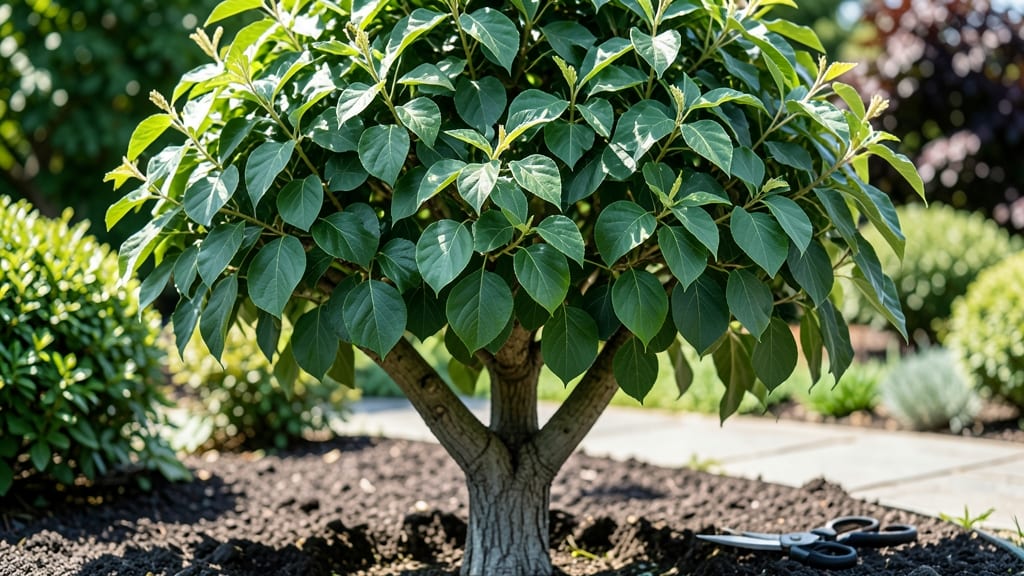
Japanese lilac tree leaves are nature’s secret weapon for fragrance lovers—harvested at the right time, they become the star of homemade teas, potpourri, and crafts. The key is timing: pick leaves just before they bloom in early spring when their scent is strongest and oils are most potent.
I’ve turned my backyard tree into a fragrant treasure chest by learning this simple trick.
Yellowing or spotted leaves? That’s your tree’s SOS signal. Aphids or powdery mildew love these leaves too, but a spray of neem oil or soapy water keeps them at bay.
For browning edges, check your watering—too much or too little stresses the tree. My tree thrives now after switching to deep, infrequent watering and mulching to retain moisture.
📚 In This Guide
- What you need
- Instructions
- Tips and common mistakes
- Wrapping up and next steps
What you need
- ● Japanese lilac tree leaves: 1–2 cups (fresh, pesticide-free, and fully mature—avoid wilted or yellowed leaves). Pro tip: Harvest in the morning after the dew dries for the freshest scent! 🌞
- ● Pruning shears or sharp scissors: 1 pair (sterilized to avoid disease transfer).
- ● Glass jars or airtight containers: 2–3 (quart-sized, with lids—mason jars work perfectly!).
- ● Silica gel packets: 1–2 (for drying, available at craft stores or online). Alternative: Uncooked rice (1 cup) works in a pinch!
- ● Paper towels or parchment paper: 1 roll (for drying leaves).
- ○ Fine-mesh strainer or cheesecloth: 1 (for tea infusions, optional but helpful).
- ● Labeling supplies: Masking tape + markers (to track harvest dates!).
- ● Dried lavender or rose petals: Small handful (to blend scents for potpourri).
- ● Essential oils (lavender, citrus): 5–10 drops (for scent enhancement).
- ● Loose-leaf tea bags or muslin tea filters: 2–3 (for easy tea brewing).
- ● Decorative ribbons or twine: For bundling dried leaves into bouquets.
- ● Food processor or mortar & pestle: (For grinding dried leaves into powder for tea or crafts).
Step-by-Step guide for harvesting and preserving Japanese lilac leaves
Here's how to collect and store fragrant leaves for crafts or tea—simple steps for maximum aroma retention.
🌿 Step 1: Identify and Harvest Leaves at Peak Fragrance
Japanese lilac trees (Syringa reticulata) release their strongest scent when leaves are fully mature but still soft. Look for leaves that are deep green and smooth to the touch, typically appearing in late spring to early summer. Avoid harvesting after rain or when leaves feel waxy—they’ll lose potency quickly.
Use clean, sharp pruning shears to snip 3-4 inch stems with leaves attached. Harvest in the early morning when essential oils are most concentrated. Never take more than one-third of the foliage from any branch to avoid stressing the tree. I like to work in small batches—4-5 stems per harvest session—so the scent stays vibrant.
🌿 Step 2: Clean and Prepare Leaves for Preservation
Spread the harvested stems on a clean, dry towel and gently brush off any debris with your fingers. Avoid water—moisture destroys the delicate aromatic compounds. If you notice yellowing or damaged leaves, remove them immediately, as they’ll spoil the batch. A quick inspection under bright light helps spot imperfections.
For tea use, strip leaves from stems by hand or with a soft-bristled brush—this preserves their delicate texture. For crafts, leave leaves attached to stems for easier bundling. Store both in paper bags (not plastic) to allow airflow while preventing light exposure, which breaks down fragrance over time.
⏰ Step 3: Choose and Apply the Right Preservation Method
For long-term storage (6+ months), freeze leaves in airtight glass jars. Lay stems flat and cover with parchment paper before sealing. Label with the date—frozen leaves retain scent for up to a year if kept below 32°F. For immediate use, dry leaves at room temperature in a shady, well-ventilated area for 3-5 days, stirring occasionally to prevent mold.
Here’s the thing—heat kills fragrance. Never use an oven or microwave. Instead, place stems in a paper bag with a fan blowing gently to speed drying while preserving aroma. Test readiness by crushing a leaf—if it crumbles easily and smells strong, it’s ready for storage.
🪴 Step 4: Store Preserved Leaves Properly
Once dried or frozen, transfer leaves to amber glass jars (they block light better than clear containers). Seal tightly and store in a cool, dark place, like a pantry or root cellar. For crafts, bundle dried stems with twine and hang in a dry, shaded spot—this keeps them rigid and fragrant for months.
Check stored leaves every 2-3 months. If you detect musty smells or discoloration, discard the batch immediately. Properly preserved leaves should retain their sweet, floral scent for 6-12 months, depending on the method. I keep a small jar near my crafting table—just opening it fills the room with that signature lilac aroma.
✂️ Step 5: Use Preserved Leaves in Crafts or Tea
For tea, steep 1-2 teaspoons of dried leaves in 1 cup hot water (200°F) for 5-7 minutes. Strain and enjoy—this makes a light, floral infusion perfect for iced tea. For crafts, crush dried leaves and mix with wax or resin for homemade candles, or press into potpourri blends for long-lasting fragrance.
Don’t skip the final scent test before using. If leaves smell weak, they’ve lost potency and should be composted. Freshly preserved batches will have a stronger, more complex aroma—worth the effort for any project!
Tips & tricks for perfect Japanese lilac leaf preservation
Between us, these small details make all the difference when working with delicate floral leaves.
Timing is Everything: The early morning harvest is non-negotiable for maximum fragrance. Essential oils peak right after dew evaporates but before the sun intensifies. If you must harvest later, wait until mid-morning when the air is still cool—just avoid the heat of afternoon. I've found that harvesting between 7-9 AM gives the most potent leaves, especially when the weather is cool and humid.
Leaf Selection Matters: Focus on leaves that are fully unfurled but still pliable—not brittle or yellowing. The deep green color indicates peak aromatic compounds. I learned this the hard way after harvesting waxy leaves that lost scent within days. Run your fingers over the leaves—if they feel slightly waxy or rough, they're past their prime. For tea use, prioritize the softest leaves from the middle of stems.
Drying Technique: That gentle fan method in Step 3 works wonders, but here's the secret: position the fan so it creates a gentle cross-breeze, not direct airflow. Too much force can shatter the leaves before they're fully dry. I like to place a second paper bag with a small hole over the first to create a mini greenhouse effect while still allowing airflow. Check leaves every 24 hours—if they're not crumbling when crushed, they need more time.
Storage Wisdom: Amber glass jars are your best friend, but don't overlook the importance of labeling. I use masking tape and a permanent marker to note the harvest date and preservation method. This helps track which batches are freshest. For long-term storage, place a small piece of parchment paper between layers of leaves in the jar to prevent crushing. The scent compounds degrade faster when leaves are packed tightly.
Pro Tips for Japanese Lilac Tree Leaves
- Between us, these small details make all the difference when working with delicate floral leaves.
- Timing is Everything: The early morning harvest is non-negotiable for maximum fragrance.
- Leaf Selection Matters: Focus on leaves that are fully unfurled but still pliable—not brittle or yellowing.
Frequently asked questions
Got questions about those fragrant Japanese lilac tree leaves? You’re not alone! Here are some of the most common queries—and their answers—to help you make the most of your harvest.
When is the best time to harvest Japanese lilac leaves for fragrance?
The peak time is late spring to early summer, just as the flowers bloom or shortly after. This is when the leaves are lush and packed with essential oils for that signature sweet, floral scent. Avoid harvesting after heavy rain, as moisture can dilute the fragrance.
Can I use Japanese lilac leaves to make tea? Are they safe to consume?
Yes! The leaves are edible and safe in moderation, but they’re not a common tea staple like mint or chamomile. Use 1–2 teaspoons per cup of hot water, steep for 3–5 minutes, and enjoy their mild, floral notes. Note: Some people may experience mild allergic reactions—test a small amount first if you’re sensitive to plants in the olive family.
How do I preserve the fragrance of Japanese lilac leaves for crafts or potpourri?
For long-lasting scent, try these methods:
- Drying: Hang bundles upside down in a dark, well-ventilated area for 1–2 weeks. Once crispy, store in airtight containers away from light.
- Freezing: Place leaves in ice cube trays with water or oil, then transfer to a freezer bag. Perfect for quick crafting sessions!
- Infusing oil: Steep leaves in olive or jojoba oil for 2–4 weeks in a sunny spot for a fragrant oil to use in soaps or perfumes.
Why are my Japanese lilac leaves losing their scent after harvesting?
Scent loss usually happens due to oxidation or improper storage. To prevent this:
- Harvest in the morning when essential oils are most concentrated.
- Store leaves in paper bags (not plastic) to allow airflow.
- Avoid direct sunlight or heat, which can degrade volatile oils quickly.
If leaves are already wilted, try reviving them with a cool, damp cloth before drying.
Are there alternatives to Japanese lilac leaves for fragrance?
If you can’t find Japanese lilac (Syringa reticulata), try these scent-rich alternatives:
- Common lilac (Syringa vulgaris) leaves – Similar floral aroma, slightly stronger.
- Lavender leaves/stems – Dried lavender offers a calming, herbal scent.
- Jasmine or rose petals – Delicate and romantic, but require gentle handling.
- Eucalyptus or mint leaves – Great for earthy or refreshing scents in crafts.
Each has unique properties, so experiment to match your project’s vibe!
Wrapping up and next steps
The Japanese lilac tree isn’t just a stunning ornamental—its fragrant leaves are a treasure for crafts, teas, and home fragrance! Whether you’re pressing them into potpourri, brewing a soothing infusion, or drying them for long-lasting scent, these leaves offer a unique, floral touch that’s easy to work with.
With the right techniques, you can preserve their beauty and aroma for months, turning simple harvests into meaningful creations.
Ready to get creative? Start small—pick a few branches, experiment with one preservation method, and let your imagination lead the way! 🌸✨ Next, explore how to turn your harvest into handmade gifts or seasonal decor!