
Pruning
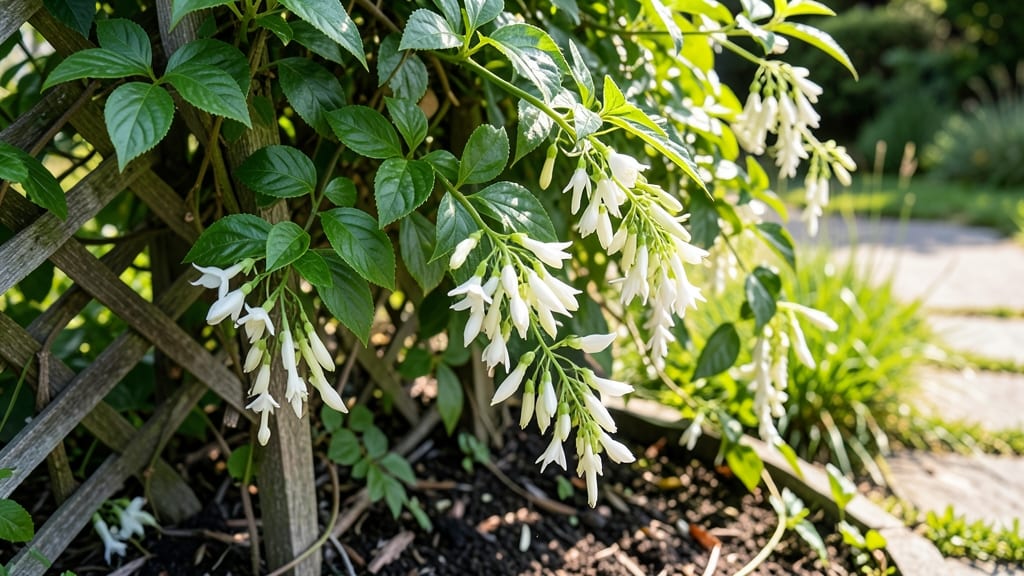
Planting a jasmine tree outdoors unlocks that intoxicating scent you’ve always craved. 🌿 My first jasmine bush transformed a shady corner into a fragrant paradise—once I understood its sunlight needs and pruning secrets.
The key isn’t just sticking it in the ground; it’s matching the right variety to your climate and giving it the care it craves.
Jasmine thrives in full sun to partial shade, but varieties like Arabian jasmine (Jasminum sambac) need at least 6 hours of sunlight daily for those showstopping blooms. Well-draining soil and occasional pruning after flowering keep it lush and productive.
The fragrance alone makes it worth the effort—imagine stepping into your garden and being wrapped in sweet, floral perfume.
With proper pruning, you’ll enjoy year-round blooms in mild climates, while frost-sensitive types like star jasmine (Trachelospermum jasminoides) reward you with spring and summer flowers. The trade-off? A little extra attention keeps pests like aphids and spider mites at bay—nothing a strong spray of water can’t handle.
Start with a healthy nursery plant, give it room to grow (jasmine can sprawl 6-10 feet), and watch it become the centerpiece of your garden. The best part?
Every trim reveals fresh green growth, and the scent lingers long after the blooms fade. Ready to turn your outdoor space into a fragrant retreat?
📚 In This Guide
- What you need
- Instructions
- Tips and common mistakes
- Wrapping up and next steps
What you need
- ● Jasmine plant: 1 Jasminum officinale (common jasmine) or Jasminum grandiflorum (Spanish jasmine) sapling (3–5 feet tall, potted or bare-root)
- ○ Optional: Pre-pruned jasmine bush for instant blooms (check local nurseries!)
- ● Planting supplies: 1 5-gallon pot (if starting indoors) or direct planting hole (1.5x wider than root ball)
- ● 3–5 cups well-draining potting mix (or garden soil amended with compost for outdoor planting)
- ● 1 slow-release fertilizer (10-10-10 or organic option like fish emulsion)
- ● 1 mulch (2–3 inches of shredded bark or pine straw)
- ● Pruning tools: 1 pair bypass pruners (for clean cuts on small branches)
- ● 1 pruning saw (for thicker stems, ½–1 inch in diameter)
- ● 1 sterilizing solution (rubbing alcohol or bleach water to disinfect tools)
- ● 1 gloves (gardening gloves to protect hands from thorns)
- ○ Support & structure: Optional: 1 trellis or arbor (6–8 feet tall, for climbing varieties like J. officinale)
- ○ Optional: 2–3 stakes or bamboo poles (for young plants needing support)
- ● 1 spray bottle (for misting new growth in dry climates)
- ● 1 pH testing kit (to ensure soil pH is 6.0–7.0, ideal for jasmine)
- ● 1 time-release fertilizer spikes (for seasonal nutrient boosts)
- ● 1 pruning sealant (to prevent disease on larger cuts)
- ● 1 weatherproof tag (to label your jasmine variety and planting date!)
Step-by-step guide to planting and pruning your jasmine tree
Here’s how to establish your fragrant climber with confidence—sunlight, pruning, and patience will reward you with blooms all season.
🌱 Step 1: Choose the Perfect Planting Spot
Jasmine thrives in full sun to partial shade—at least 6 hours of direct sunlight daily—but tolerates afternoon shade in hot climates. I always test a spot by observing how much sun it gets over a week before planting. Look for a location against a trellis, fence, or wall, where the vine can climb and receive support.
Dig a hole twice as wide as the root ball but only as deep as the container’s base. This prevents burying the graft union (if your plant has one) or stressing the roots. Loosen the soil at the bottom of the hole with your hands or a trowel—jasmine roots need room to spread.
☀️ Step 2: Plant and Water for Strong Establishment
Remove the jasmine from its container and gently tease the roots apart if they’re circling. Place it in the hole so the top of the root ball sits level with the surrounding soil—burying too deep suffocates the plant, while planting too shallow exposes roots to drying winds.
Backfill with native soil, pressing lightly to eliminate air pockets. Water deeply (about 1 gallon) immediately after planting to settle the soil and encourage root contact. Mulch with 2-3 inches of organic mulch (like bark or wood chips) around the base, keeping it 3 inches away from the trunk to prevent rot.
✂️ Step 3: Prune for Shape and Blooms
Prune jasmine right after flowering (spring or early summer) to shape the plant and encourage dense growth. Use clean, sharp pruners to cut just above a leaf node at a 45-degree angle, which promotes faster healing. Remove any dead, diseased, or crossing branches first—they compete for energy and invite pests.
For year-round blooms, I trim lightly after each flush of flowers. Never prune in fall—jasmine sets next year’s buds in late summer, and aggressive cuts will reduce spring blooms. Thin out overcrowded areas to improve airflow, which prevents fungal issues like powdery mildew.
💧 Step 4: Maintain Water and Fertilize Seasonally
Water deeply once a week during the first growing season, letting the soil dry 2-3 inches down between waterings. Jasmine roots run deep, so shallow watering encourages weak, surface roots. Once established, it tolerates drought but rewards consistent moisture with lush growth.
Feed with a balanced, slow-release fertilizer (10-10-10) in early spring and again after flowering. Avoid high-nitrogen fertilizers—they promote leafy growth at the expense of flowers. I also top-dress with compost in fall to replenish nutrients naturally.
Tips & tricks for perfect jasmine tree outdoor growth
Here's what nobody tells you about keeping your jasmine thriving—these little details make all the difference between a struggling vine and a fragrant, blooming masterpiece.
Sunlight Strategy: While jasmine loves that 6 hours of direct sunlight daily, watch for the "golden hour" effect. The most intense morning sunlight (before 10 AM) is ideal—it kickstarts photosynthesis without scorching delicate new growth. If your location gets harsh afternoon sun, provide afternoon shade during summer's peak heat to prevent leaf burn.
The Pruning Angle Secret: That 45-degree angle when cutting branches isn't just for looks—it creates a larger surface area for faster healing and prevents water from pooling in the cut. I've seen jasmine cuts take weeks to heal when made straight across, but proper angled cuts seal within days. Always sterilize your pruners with rubbing alcohol between cuts to prevent spreading diseases.
Mulch Mastery: Those 2-3 inches of organic mulch should be your first defense against moisture loss and weeds. But here's the trick: refresh the mulch every spring before blooming season begins. Old mulch breaks down and loses its insulating properties, which means your jasmine roots won't get the consistent moisture they crave during their critical growth periods.
Fertilizer Timing: The instructions mention early spring and after flowering feeding, but I've found the secret window is actually two weeks after pruning. This gives your jasmine time to recover from the stress of pruning before putting energy into new growth. Use a slow-release fertilizer to match the plant's natural growth cycles—it prevents the nutrient spikes that cause leafy growth at the expense of flowers.
Pro Tips for Jasmine Tree Outdoor
- Here's what nobody tells you about keeping your jasmine thriving—these little details make all the difference between a struggling vine and a fragrant, blooming masterpiece.
- Sunlight Strategy: While jasmine loves that 6 hours of direct sunlight daily, watch for the "golden hour" effect.
- The Pruning Angle Secret: That 45-degree angle when cutting branches isn't just for looks—it creates a larger surface area for faster healing and prevents water from pooling in the cut.
Frequently asked questions
Got questions about growing and maintaining your jasmine tree outdoors? You’re not alone! Here are some of the most common queries—plus quick, practical answers to keep your fragrant beauty thriving.
How much sunlight does a jasmine tree need for optimal blooms?
A jasmine tree loves sunlight—aim for 6 to 8 hours of direct sun daily for the best blooms. If your tree gets partial shade (3–6 hours), it’ll still grow but may produce fewer flowers. Watch for yellowing leaves or leggy growth as signs it’s not getting enough light. South- or west-facing spots are ideal!
When is the best time to prune a jasmine tree for more flowers?
Prune your jasmine tree right after blooming (late spring or early summer) to encourage new growth and more flowers. Avoid heavy pruning in fall or winter, as it can stress the plant. Light shaping (removing dead or crossing branches) can happen year-round, but never prune during flowering—you’ll sacrifice those sweet-smelling blooms!
Why aren’t my jasmine tree’s flowers lasting long, and how can I fix it?
Short-lived blooms often mean overwatering, poor drainage, or lack of sunlight. Let the top 2 inches of soil dry out between waterings, and ensure your pot or garden bed has drainage holes. If indoors, move it near a sunny window or outdoors in full sun. Fertilize lightly in spring with a balanced 10-10-10 mix to boost vigor.
Can I grow a jasmine tree in a pot, and what size should it be?
Jasmine thrives in pots—just choose a container at least 12–18 inches deep with drainage holes. For dwarf varieties (like Jasminum officinale ‘Aureum’), a 10-inch pot works. Repot every 2–3 years in spring, and use a well-draining potting mix. Pro tip: Place a tray under the pot to catch water runoff and prevent root rot!
Are jasmine trees toxic to pets or children if ingested?
Jasmine is non-toxic to both pets and humans, making it a safe choice for families with kids or curious pets. However, always monitor your pet’s behavior—ingesting large amounts of any plant can cause mild stomach upset. If you notice vomiting or lethargy, contact your vet. Better safe than sorry!
How do I protect my jasmine tree from cold winters?
Most jasmine varieties are tender perennials and need winter protection if temps drop below 20°F (-7°C). Potted jasmines? Move them indoors near a sunny window or wrap the pot in bubble wrap. For garden-planted trees, mulch heavily (3–4 inches) around the base and cover with frost cloth. Note: Some hardy types (like Jasminum nudiflorum) tolerate colder climates!
Wrapping up and next steps
Growing a fragrant jasmine tree outdoors is a rewarding journey that fills your garden with beauty and intoxicating scents year-round! With the right sunlight, pruning techniques, and care, you’ll enjoy lush blooms and a thriving plant that becomes the star of your landscape. 🌸
Now that you’re equipped with expert tips, roll up your sleeves and get pruning! Start by assessing your tree’s needs, then follow the steps with confidence—your hard work will pay off in stunning, aromatic results. Happy gardening! 🌿✨