
Pruning
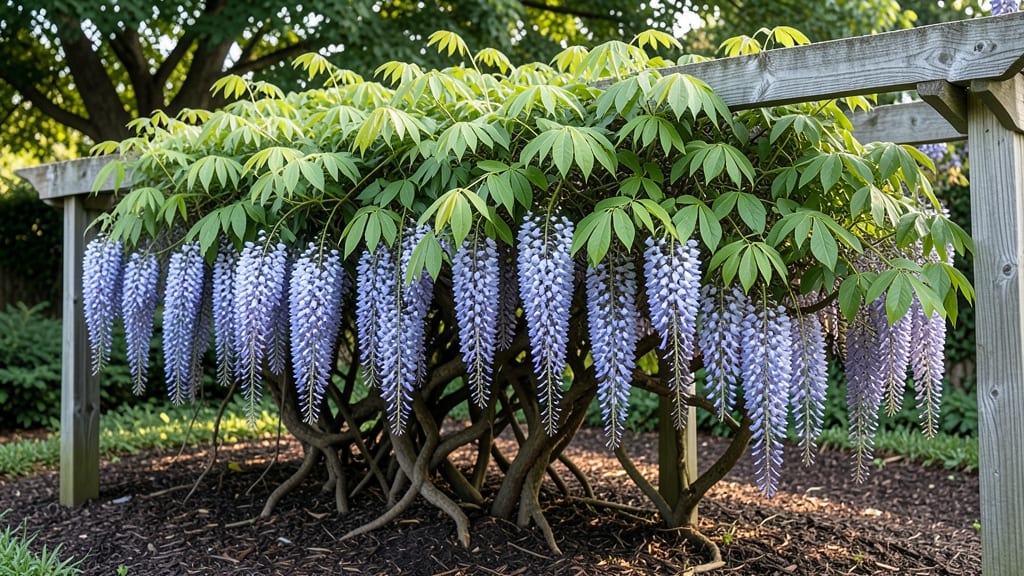
Growing a Kentucky wisteria tree means waking up to cascades of violet-blue blooms that smell like spring in a jar. 🌿 I learned the hard way that without proper trimming, those stunning flowers become a tangled mess that strangles the plant—and your patience.
The key isn't just cutting branches, but understanding when and how to shape the growth for maximum blooms while keeping the plant healthy.
This native beauty thrives in zones 5-9 with full sun and well-draining soil, but its real magic happens in late winter or early spring before new growth starts. You'll need sharp pruners, gloves (those thorns are no joke), and a ladder if your tree's getting tall.
The goal is to open up the center for light and air, which encourages more flowers and fewer pests.
By summer, you'll see clusters of blooms so dense they'll make neighbors stop and stare. The fragrance alone is worth the effort—like walking through a meadow. But here's the secret: prune again after flowering to maintain shape and prevent overgrowth.
That second trim keeps your wisteria looking intentional, not like a vine gone wild.
Whether you're dealing with a young sapling or an established tree, the same principles apply—just adjust the scale. The first year is about establishing good habits; after that, it's about refining the shape. Let's get those blooms cascading beautifully without turning your yard into a jungle.
📚 In This Guide
- What you need
- Instructions
- Tips and common mistakes
- Wrapping up and next steps
What you need
- ● Pruning shears – Bypass pruners (4-6" blades) for small branches
- ● Loppers – 8-10" blades for thicker branches (up to 2" diameter)
- ● Pruning saw – For branches thicker than 2" (avoid bolt-cutters—they crush wood!)
- ● Gloves – Heavy-duty, cut-resistant gloves (wisteria thorns are no joke!)
- ● Safety glasses – Protect your eyes from debris and sap splashes
- ● Ladder or extension pole – Reach high branches safely (ensure stability!)
- ● Disinfectant (70% rubbing alcohol or bleach solution) – Clean tools between cuts to prevent disease
- ○ Rope or harness – Optional but helpful for large trees (3-point safety recommended)
- ● Tree wound dressing – Controversial, but some swear by it for large cuts (skip for small prunes)
- ● Marking spray or tape – Identify branches to remove before cutting
- ● Wheelbarrow or tarp – Collect debris for composting or disposal
- ● First-aid kit – For thorn pricks or minor injuries (because ouchies happen!)
Step-by-Step instructions for pruning Kentucky wisteria trees
Transform your wisteria into a lush, blooming powerhouse with this seasonal pruning system.
✂️ Step 1: Prune Immediately After Spring Blooms
This is the moment that matters: prune right after flowering—typically in late May or early June—when blooms fade but leaves remain green. You'll see clusters of spent flowers turning brown; that's your cue to act. Wisteria blooms on old wood, so cutting now removes dead flowers while preserving next year's buds.
Use sharp, clean pruners to cut back one-third of the current year's growth from each branch. Focus on removing long, leggy stems that grow away from the main trunk—these steal energy from blooms. I like to make cuts just above a leaf node where new growth will emerge. Avoid heavy pruning now; you're shaping, not reshaping.
🌿 Step 2: Summer Maintenance to Encourage Fullness
Throughout the summer, check your wisteria every 4-6 weeks for branches growing inward or crossing. These will rub together, creating wounds that invite disease. Remove any stems that grow straight up from the ground—they're called "suckers" and drain energy from the main plant.
Pinch back new growth tips when they reach 6-8 inches long to encourage bushier growth. Here's the thing—wisteria grows aggressively, and without control, it'll become a tangled mess. I make small cuts just above a set of leaves to redirect energy into lateral branches where blooms form.
✂️ Step 3: Major Structural Pruning in Late Winter
Wait until late February or early March—just before buds swell but before new growth starts—when the plant is dormant. Cold weather prevents bleeding sap, making cuts heal cleaner. This is when you address the big picture: open up the center of the plant to let light reach all branches.
Remove 20-30% of the oldest wood (the thickest, woody stems) by cutting them back to their base. You'll see thick, dark branches that look like gnarled fingers—these are the ones that need to go. Thin out crowded areas by removing every other branch that crosses or rubs against others. This opens airflow and sunlight to the center where new blooms will form.
☀️ Step 4: Post-Pruning Care for Strong Recovery
After major pruning, your wisteria will look shockingly bare—but don't panic. Water deeply once a week for the first month to help roots recover. You'll notice new green shoots emerging from leaf nodes within 3-4 weeks; these are your plant's way of telling you everything's working.
Apply a balanced fertilizer (10-10-10) around the base in early spring to support new growth. Avoid high-nitrogen fertilizers—they promote leafy growth at the expense of flowers. Keep an eye out for any branches that die back completely; these won't regrow and should be removed entirely in the next dormant season.
Tips & tricks for perfect Kentucky wisteria trimming
These simple strategies will help you transform your wisteria into a blooming beauty without the guesswork.
Timing is Everything: The late May/early June window for Step 1 is critical because wisteria blooms on old wood. If you prune too early, you risk cutting off next year's flower buds. Look for browned flower clusters that have dropped—this is your exact cue. I've learned the hard way that waiting until leaves yellow means you've missed the boat entirely.
Visual Cues for Pruning: When cutting back one-third of current growth in Step 1, focus on branches growing away from the center. Imagine your wisteria as a fountain—you want all branches flowing outward, not inward. For summer maintenance in Step 2, pinch back growth at 6-8 inches to encourage bushiness. Think of it like training a vine: you're guiding where energy goes.
Tool Preparation: Always sterilize your pruners between cuts using rubbing alcohol to prevent disease spread. I keep a small bottle in my pruning kit and wipe blades after every 3-4 cuts. Sharp tools make cleaner cuts that heal faster, which matters especially during the major winter pruning in Step 3 when you're removing up to 30% of the plant's structure.
Recovery Signs: After major pruning, watch for new shoots emerging within 3-4 weeks as your plant's way of saying "I'm healing." These shoots should appear at leaf nodes—if they don't, your cuts might be too severe. In Step 4, those weekly waterings are your plant's lifeline during recovery, helping roots establish before new growth takes off.
Pro Tips for Kentucky Wisteria Tree
- These simple strategies will help you transform your wisteria into a blooming beauty without the guesswork.
- Timing is Everything: The late May/early June window for Step 1 is critical because wisteria blooms on old wood.
- Visual Cues for Pruning: When cutting back one-third of current growth in Step 1, focus on branches growing away from the center.
Frequently asked questions
Got questions about keeping your Kentucky Wisteria tree in top shape? Here are answers to the most common concerns—from timing to troubleshooting—so you can prune like a pro!
When is the best time to prune Kentucky Wisteria?
The ideal window is late winter or early spring (before buds swell) or immediately after flowering. Avoid heavy pruning in fall—it stimulates tender new growth that won’t survive winter. For established vines, light shaping in summer (post-bloom) helps maintain airflow and reduce disease risk.
How much can I cut back without harming the tree?
You can safely remove up to 30-50% of the previous year’s growth in one session. For mature trees, never cut back more than 25% annually—wisteria relies on stored energy in older wood. Focus on thinning dense areas and dead/diseased stems first. Pro tip: Use sharp bypass pruners to avoid tearing bark.
Why did my wisteria stop blooming after pruning?
Over-pruning (cutting into old wood) is the #1 culprit! Wisteria blooms on last year’s growth, so avoid heavy cuts on established branches. If blooms are sparse, try reducing fertilizer (too much nitrogen = leafy growth, fewer flowers) and ensure full sun (6+ hours daily). Pro tip: Prune after flowering to preserve next year’s buds.
Are there alternatives to Kentucky Wisteria for heavy blooms?
Yes! If wisteria’s aggressive growth or pruning demands feel overwhelming, consider these lower-maintenance alternatives:
- Clematis: Blooms prolifically with less pruning (choose Jackmanii or Montana varieties).
- Honeysuckle (Lonicera): Fragrant, fast-growing, and tolerates pruning well.
- Catalpa: Produces showy flowers with minimal trimming needed.
- Japanese Wisteria (Wisteria floribunda): Slightly less vigorous than Kentucky Wisteria but still stunning.
What should I do if my wisteria vine looks diseased?
Watch for yellowing leaves, black spots, or oily residue (signs of fungal/bacterial issues). Act fast:
- Prune infected branches 6+ inches below the damage using sterilized tools (rubbing alcohol).
- Apply copper fungicide or neem oil every 2 weeks during wet seasons.
- Improve air circulation by thinning dense growth.
- Avoid overhead watering to reduce humidity around foliage.
Can I prune Kentucky Wisteria in fall?
Light structural pruning (removing deadwood or crossing branches) is fine in fall, but avoid heavy cuts. New growth won’t harden off before winter, making it vulnerable to frost damage. If you must prune, wait until after the first hard freeze but before buds break in spring. Exception: Remove winter-killed wood in early spring.
Wrapping up and next steps
Transforming your Kentucky wisteria tree into a stunning, well-balanced beauty is totally within reach! With the right tools, seasonal timing, and a steady hand, you’ll not only enhance its blooms but also ensure its long-term health. Pro tip: Start small—confidence grows with each trim! 🌿
Ready to take the next step? Mark your calendar for late winter or early spring and grab your pruners—your wisteria’s transformation begins now! 🌸✨