
Pruning
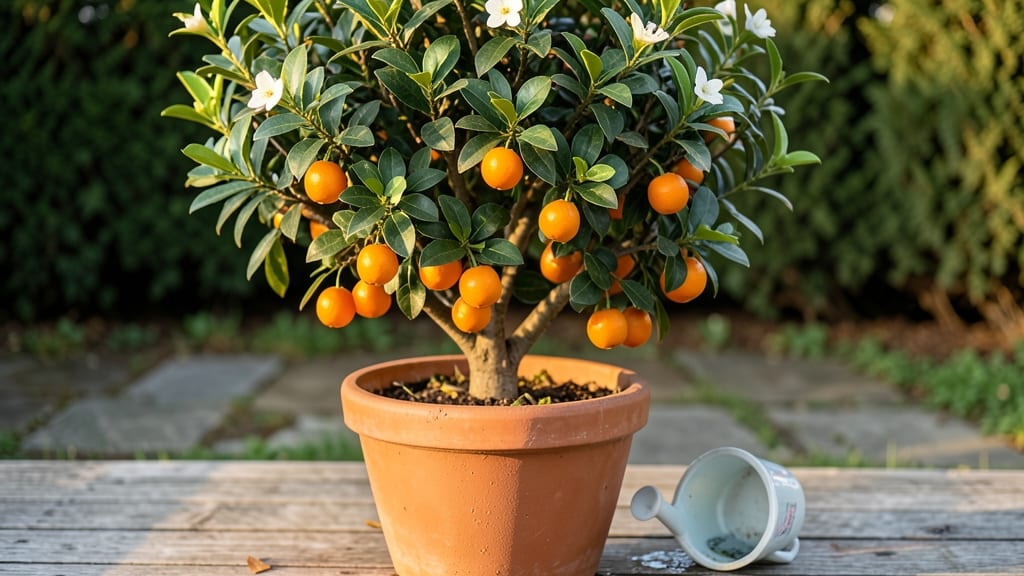
Caring for a kumquat tree means three seasonal trims unlock a harvest of sweet-tart fruit year after year. 🌱 I learned the hard way that skipping pruning leads to overcrowded branches and fewer fruits—but once I mastered the timing, my tree produced twice as many kumquats in just one season.
The secret isn’t complicated: prune lightly after harvest, shape in late winter, and clean up in early spring. You’ll need sharp pruners, a ladder for taller trees, and about 30 minutes for each trim. Indoor trees need less aggressive pruning, while outdoor varieties thrive with a little more structure.
By summer, you’ll see lush, glossy leaves and branches heavy with fruit. The fruit stays sweeter when you thin clusters early, and the tree’s shape remains balanced for easy picking. Even in small spaces, a kumquat tree rewards patience with abundant harvests and fragrant blossoms.
Works for both container and in-ground trees, though outdoor varieties handle seasonal changes better. Here’s how to keep yours thriving through every season—no green thumb required.
📚 In This Guide
- What you need
- Instructions
- Tips and common mistakes
- Wrapping up and next steps
What you need
- ● Pruning shears: Sharp, bypass-style shears (for clean cuts on small branches). Quantity: 1 pair
- ● Loppers: For thicker branches (up to 1.5 inches in diameter). Quantity: 1 pair
- ● Pruning saw: For larger branches (2+ inches). Quantity: 1
- ● Disinfectant: 70% isopropyl alcohol or a commercial pruning sealant (to prevent disease spread). Quantity: Small bottle
- ● Garden gloves: Heavy-duty, cut-resistant gloves (to protect hands from thorns). Quantity: 1 pair
- ● Potting soil: Well-draining, citrus-specific mix (if growing in containers). Quantity: 5+ gallons
- ● Container or planting area: Pot with drainage holes (15+ gallons for mature trees) OR sunny, well-drained garden spot.
- ● Fertilizer: Citrus-specific, slow-release fertilizer (balanced NPK, e.g., 6-6-6 or 8-3-9). Quantity: As needed (follow label)
- ● Mulch: Organic mulch (e.g., wood chips or straw) to retain moisture and regulate soil temp. Quantity: 2-3 inches
- ● Watering can or hose: With a gentle spray nozzle for post-pruning hydration.
- ● Pruning paint: For sealing cuts on larger branches (prevents disease).
- ● Tree ties or stakes: To support young or heavily pruned trees.
- ● Soil pH tester: To ensure your kumquat’s soil is slightly acidic (pH 6.0–7.0).
- ● Drip irrigation system: For consistent moisture (especially in hot climates).
- ● Bird netting: To protect fruit from pests like birds or squirrels.
Step-by-Step guide for kumquat tree maintenance
Here's how I keep my kumquats productive and healthy through every season.
🌿 Step 1: Spring Growth Boost and First Trim
Start by inspecting your kumquat for winter damage—look for brown, brittle branches or dead wood. I prune these first with clean, sharp shears, cutting back to healthy green growth. This is your chance to shape the tree and open up the center for better airflow and sunlight penetration.
After removing dead wood, do a light structural trim to encourage branching. Kumquats naturally grow upright, so I make angled cuts just above outward-facing buds to promote horizontal growth. Aim for a balanced shape with no branches rubbing together. Water deeply after pruning to help the tree recover.
☀️ Step 2: Summer Maintenance and Fruit Care
During summer, focus on watering—kumquats need consistent moisture, especially when fruit is developing. I water at the base when the top inch of soil feels dry, avoiding wetting the leaves to prevent fungal issues. This is also when you'll see new growth, so I do a quick check for any leggy stems that need trimming back to maintain compact shape.
Watch for fruit set and thin if necessary. Overcrowded fruit weakens the tree and reduces quality. I leave the largest, healthiest-looking kumquats and remove the rest by gently twisting them off. This ensures the remaining fruit grows plump and sweet. Fertilize lightly with citrus-specific food every 6-8 weeks during active growth.
✂️ Step 3: Fall Preparation and Second Trim
As temperatures drop, do a final trim to remove any crossing branches, weak growth, or wood that's growing inward. I aim to create an open vase shape that catches sunlight on all sides. This fall trim also helps stimulate next year's fruit production by encouraging strong new growth from the main branches.
Reduce watering gradually as fall progresses, letting the soil dry out slightly between waterings. This prepares the tree for dormancy. I also apply a 2-3 inch layer of mulch around the base (but not touching the trunk) to insulate roots and retain moisture. This is the perfect time to add organic matter like composted leaves or bark chips.
⏰ Step 4: Winter Protection and Minimal Care
Kumquats are cold-hardy but benefit from winter protection in colder climates. I wrap the trunk with burlap or tree wrap to prevent sunscald and protect against temperature swings. In areas with hard freezes, move potted kumquats to a sheltered location or cover with frost cloth.
Water sparingly during winter—only enough to keep the soil from drying out completely. This is your tree's dormant period, so resist the urge to fertilize or prune. The key is to let it rest while staying vigilant for signs of stress like leaf drop or cracking bark, which might require immediate attention.
Tips & tricks for perfect kumquat tree care
Real talk: Kumquat trees thrive when you pay attention to details that most people miss. These simple tricks will help you avoid common pitfalls and keep your tree producing fruit year after year.
Pruning Precision: In Step 1, when you're removing dead wood, make sure your shears are sharp—dull blades crush stems instead of cleanly cutting them. I also recommend sterilizing your tools with rubbing alcohol between cuts to prevent spreading disease. The clean cuts heal faster and encourage stronger new growth. For that light structural trim, focus on making cuts just above outward-facing buds at a 45-degree angle—this helps water run off and prevents rot.
Fruit Thinning Strategy: During summer maintenance in Step 2, don't be afraid to be aggressive with thinning. I aim to leave about 6-8 inches between remaining kumquats on each branch. This might seem harsh, but it prevents the tree from overproducing small, tart fruit. The remaining kumquats will develop sweeter flavors and better color. Pro tip: Thin in the morning when humidity is lower to help prevent fungal infections from any minor cuts.
Mulch Mastery: When applying that 2-3 inch layer of mulch in Step 3, keep it 2-3 inches away from the trunk to prevent moisture buildup that can cause rot. I like to use a mix of composted leaves and bark chips—this provides both insulation and slow-release nutrients. The mulch should look like a donut around your tree, not a blanket that touches the trunk. This technique helps regulate soil temperature and retains moisture without smothering the tree.
Winter Protection: For cold climates mentioned in Step 4, consider adding a layer of bubble wrap around the trunk before applying the burlap wrap. This extra insulation helps prevent temperature swings that can cause sunscald. If you're using frost cloth, make sure it's secured tightly but not touching the leaves—you want to create a microclimate without trapping excess moisture. I've found that adding a layer of straw mulch (4-6 inches) around potted trees provides extra protection during hard freezes.
Pro Tips for Kumquat Tree Care
- Real talk: Kumquat trees thrive when you pay attention to details that most people miss.
- Pruning Precision: In Step 1, when you're removing dead wood, make sure your shears are sharp—dull blades crush stems instead of cleanly cutting them.
- Fruit Thinning Strategy: During summer maintenance in Step 2, don't be afraid to be aggressive with thinning.
Frequently asked questions
Got questions about keeping your kumquat tree happy and productive? Here are answers to the most common concerns—from pruning to pests and beyond!
When is the best time to prune a kumquat tree?
Prune your kumquat tree in late winter or early spring (just before new growth starts) for best results. A light trim in summer (after fruiting) helps shape the tree and encourages airflow. Avoid heavy pruning in fall—it can stress the tree before winter dormancy.
Why aren’t my kumquats ripening fully?
Underripe kumquats often stem from insufficient sunlight or overwatering. Ensure your tree gets 6+ hours of direct sun daily and water deeply but infrequently (let the top 2 inches of soil dry out between waterings). Poor ripening can also signal nutrient deficiencies—try a balanced citrus fertilizer in early spring.
How do I prevent pests like aphids or scale insects?
Kumquat trees attract pests, but prevention is key! Start with regular inspections (check undersides of leaves and fruit). Spray with neem oil (mix 1 tbsp per quart of water) weekly during outbreaks. Introduce ladybugs or lacewings for natural pest control. Prune infested branches immediately to stop spread.
Can kumquat trees survive winter in cold climates?
Most kumquats thrive in USDA Zones 8–11, but with protection, you can grow them in cooler areas (Zone 7). Wrap the trunk in burlap, mulch heavily (4–6 inches), and place a frost cloth over the tree during freezes. Dwarf varieties are hardier—consider ‘Meiwa’ or ‘Nagami’ for colder zones.
What can I do with kumquat tree leaves or fruit I can’t use?
Don’t waste a thing! Use leaves for tea (steep fresh or dried leaves for a citrusy, caffeine-free brew) or compost. Unripe fruit? Make kumquat jelly or preserves—the tartness balances sweetness perfectly. Overripe? Blend into smoothies or freeze for later baking. Every part is edible!
| Quick Fixes | When to Use |
|---|---|
| Neem oil spray | Pest outbreaks (aphids, scale) |
| Epsom salt soak (1 tbsp/gallon water) | Yellowing leaves (magnesium deficiency) |
| Prune for airflow (remove dense branches) | Fungal diseases (like powdery mildew) |
Wrapping up and next steps
Caring for your kumquat tree is all about timing, patience, and a little love—and with the right seasonal trims, you’ll be rewarded with bursting branches of sweet, citrusy fruit year after year! 🌱 Whether you’re a pruning pro or just starting, remember: healthy growth starts with sharp tools, smart cuts, and a watchful eye.
Ready to take the next step? Grab your pruners, mark your calendar for those key trim dates, and enjoy the journey—your kumquat tree (and your taste buds!) will thank you. Start trimming today and watch your little citrus wonder thrive!