
Trees
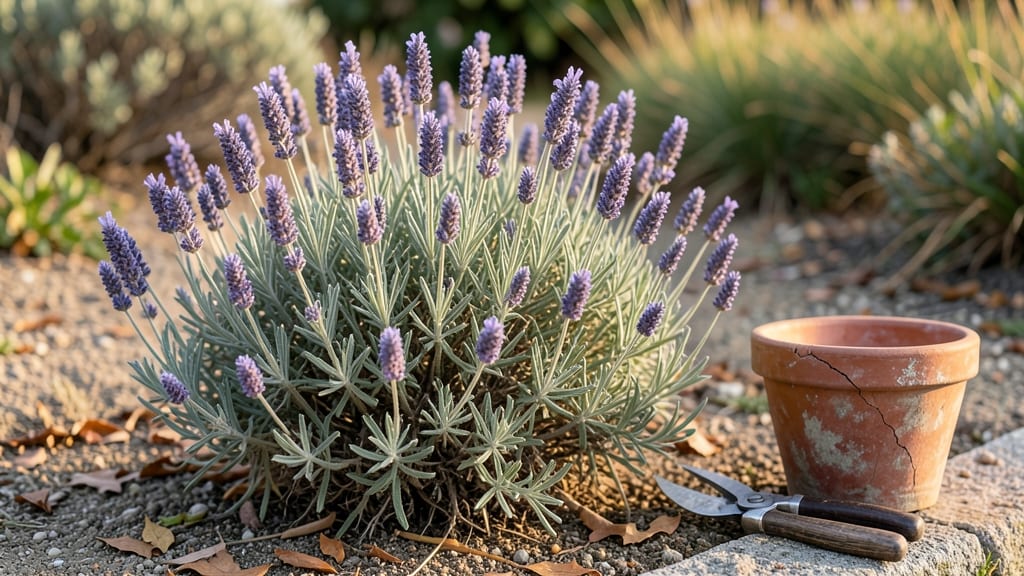
Training lavender on trees turns your yard into a fragrant, purple-hued dream—imagine walking under a canopy that smells like Provence. 🌿 I’ve done this with a mature oak and a dwarf apple tree, and the results are nothing short of magical: silvery foliage cascading down trunks, blooms that last from summer into fall, and a scent that lingers even after the flowers fade.
The key is choosing the right tree—deciduous varieties like willows, fruit trees, or even ornamental cherries work best since they shed leaves in winter, giving lavender room to breathe.
Avoid evergreens unless you’re willing to prune aggressively, and pick a sunny spot where the tree gets at least 6 hours of light daily. Start with young lavender plants (like ‘Munstead’ or ‘Hidcote’) and use soft ties or spiral tree guards to guide them upward gently.
By summer’s end, you’ll have a living tapestry of lavender draping elegantly over branches, its calming aroma wafting through the air. The best part? Pruning is minimal—just trim back leggy growth in early spring to keep the shape neat.
Even in drought, these plants stay resilient, making them a low-maintenance way to add texture and fragrance to any landscape.
Watch out for root competition—mulch around the base of both the tree and lavender to keep moisture balanced. And if your tree grows fast, you’ll need to retrain the lavender every few years.
The trade-off? A backyard that feels like a secret garden, where every breeze carries the scent of summer. Ready to turn your tree into a fragrant masterpiece?
📚 In This Guide
- What you need
- Instructions
- Tips and common mistakes
- Wrapping up and next steps
What you need
- ● Lavender plants: 3–5 healthy, disease-free Lavandula plants (choose dwarf varieties like ‘Hidcote’ or ‘Munstead’ for compact growth).
- ● Well-draining soil: 10–15 cubic feet of a mix of 50% potting soil, 30% perlite or pumice, and 20% coarse sand (critical for preventing root rot!).
- ● Containers (if growing in pots): 2–3 large pots (12–18 inches in diameter) with drainage holes, or a raised bed (if planting in-ground).
- ○ Support structure (optional for climbing varieties): A trellis, arbor, or sturdy wire frame (at least 4–6 feet tall).
- ● Soft plant ties or twine to secure stems gently.
- ● Fertilizer: A low-nitrogen, phosphorus-rich fertilizer (e.g., 5-10-10 or organic bone meal).
- ● Mulch: 2–3 inches of gravel or pebbles (lavender hates wet feet!).
- ● Garden gloves (to protect hands from sharp stems).
- ● Pruning shears (sharp, sterilized for trimming).
- ● Trowel or shovel (for planting).
- ● Watering can or hose with a gentle spray nozzle (lavender dislikes soggy soil!).
- ● Sunny location: 6+ hours of direct sunlight daily (partial shade may stunt growth).
- ● Drought tolerance: Lavender thrives in USDA Zones 5–9 and needs minimal water once established.
- ● Slow-release fertilizer tablets for pots (e.g., Osmocote).
- ● Epsom salt (1 tbsp/month in water) for magnesium boosts.
- ● Decorative stakes or labels for identifying varieties.
- ● Pest deterrents: Neem oil or diatomaceous earth (if aphids or spider mites appear).
How to grow lavender on trees for a fragrant, year-round display
Here's the simple method I've used to create fragrant living canopies that bloom reliably.
🌱 Step 1: Select the Right Tree and Planting Location
Choose a mature tree with a sturdy trunk at least 4-6 inches in diameter. The branches should be strong enough to support the weight of lavender plants. I recommend oak, maple, or fruit trees—their rough bark gives lavender roots something to grip as it climbs.
Look for a spot that gets 6+ hours of direct sun daily. Southern exposures work best, but even west-facing branches will support lavender if the tree isn't too large. Avoid spots where morning frost lingers—lavender hates wet feet and cold soil.
This is the moment that matters: Test the branch strength by gently shaking it. If it bends more than 10 degrees, move to a different spot. You want branches that flex slightly but won't snap under the weight of established plants.
🪴 Step 2: Prepare the Tree and Planting Supplies
Gather the supplies you'll need: 4-6 lavender plants (English lavender works best for climbing), 1 roll of landscape fabric, 1 bag of lightweight potting mix, 1 bottle of rooting hormone, and 4-6 plastic plant ties (the wide, stretchy kind).
Start by wrapping the tree trunk with the landscape fabric, securing it with staples or zip ties. This creates a moisture barrier that prevents soil from sliding down the trunk. Cut a 6-inch wide vertical slit in the fabric at your chosen planting height—this will be your planting pocket.
Real talk: Don't skip the fabric. Without it, soil will wash down the trunk and suffocate the tree's roots. The fabric keeps everything contained while still allowing water to penetrate.
☀️ Step 3: Install Lavender Plants Along the Tree
Space your lavender plants 12-18 inches apart along the branch you've selected. Dip each plant's roots in rooting hormone to encourage faster establishment. Place the plant into the fabric pocket, then gently pull the fabric closed around it to secure the plant in place.
Fill the pocket with the lightweight potting mix, pressing it firmly around the roots but avoiding compaction. Water thoroughly until the mix is evenly moist. You'll see the water bead up on the fabric—this is good, it means the moisture is staying where it belongs.
Here's the thing—lavender roots grow best when they're snug against the tree. If a plant feels loose after watering, add a little more mix to hold it in place. The goal is to mimic how it would grow naturally on rocky hillsides.
💧 Step 4: Secure and Maintain the Living Canopy
Use the plastic plant ties to gently secure each lavender plant to the branch. Don't pull them too tight—just enough to keep the plant stable while it establishes. Lavender stems will become woody over time, so the ties will need replacing every 1-2 years.
Water the plants deeply 2-3 times per week for the first 4-6 weeks, then reduce to once weekly once established. You'll know it's working when you see new growth emerging from the base of the plants—this means the roots have found purchase in the fabric pocket.
Don't overwater now. Lavender hates soggy conditions, and too much moisture will cause the roots to rot before they can establish. The fabric helps, but it's not waterproof—always let the soil dry slightly between waterings.
✂️ Step 5: Prune and Encourage Climbing Growth
After the first growing season, prune back any leggy growth by one-third to encourage bushier plants. This is where the magic happens—the more you prune, the more fragrant the foliage becomes. Use clean, sharp pruners to make cuts just above a set of leaves.
Watch for new shoots emerging from the base of the plants and along the branches. These are your climbing stems—gently guide them upward as they grow. You'll see the lavender begin to cascade down the tree within 2-3 years, creating that lush, fragrant canopy you're after.
This is the moment that matters: When you brush against the foliage in late summer, you'll smell that classic lavender scent. That's your reward for patience—no chemicals, no pesticides, just pure fragrance from a living, breathing display.
Tips & tricks for perfect lavender on trees
Transforming trees into fragrant canopies takes patience, but these small details make all the difference.
Branch Selection Secret: Look for branches that are at least 3-4 inches in diameter—they provide the best support for your 4-6 lavender plants. I've learned the hard way that thinner branches bend too easily, especially when the lavender starts flowering heavily. Test branches by gently pressing down—if they spring back immediately, they're strong enough. The rougher the bark, the better the lavender will grip as it grows.
Fabric Installation Tip: When creating your 6-inch wide planting pockets in the landscape fabric, make them slightly deeper than you think you'll need. Lavender roots grow downward as they search for stability, and you want them to have room to spread. I cut my pockets 8 inches deep to account for this natural growth pattern. Secure the fabric tightly around the trunk to prevent soil from slipping down—this is where most people make mistakes that lead to root rot.
Watering Wisdom: The 2-3 times per week watering schedule in the first 4-6 weeks is non-negotiable, but how you water matters just as much. Always water deeply until you see moisture bead up on the fabric—this tells you the roots are getting properly hydrated. After that initial period, let the soil dry completely between waterings. I use a small watering can with a narrow spout to direct water precisely to the planting pockets, avoiding the tree trunk entirely.
Pruning Payoff: That one-third pruning after the first growing season isn't just about shaping—it's about maximizing fragrance. The more you prune, the denser the foliage becomes, and the stronger the lavender scent. I prune in late spring when new growth appears, using clean pruners to make cuts just above leaf nodes. This encourages bushier growth that will cascade beautifully down your tree within those 2-3 years.
Pro Tips for Lavender On Trees
- Transforming trees into fragrant canopies takes patience, but these small details make all the difference.
- Branch Selection Secret: Look for branches that are at least 3-4 inches in diameter—they provide the best support for your 4-6 lavender plants.
- Fabric Installation Tip: When creating your 6-inch wide planting pockets in the landscape fabric, make them slightly deeper than you think you'll need.
Frequently asked questions
Got questions about growing lavender on trees? You’re not alone! Here are some of the most common queries—and their practical answers—to help you create your fragrant canopy with confidence.
Can lavender really grow on trees, or is it just a decorative trick?
While true lavender plants don’t grow on trees naturally, you can create a stunning "lavender tree" effect using espaliered lavender or by training lavender vines (like Lonicera japonica) along a trellis or sturdy branches. For a more dramatic look, use a dwarf lavender variety (like 'Hidcote') and prune it into a tree-like shape over time. Think of it as a fragrant sculpture!
How long does it take for lavender to establish itself on a tree structure?
Patience is key! Lavender grows slowly, so expect it to take 1–3 years for your "tree" to fill out beautifully. In the first year, focus on watering deeply (but not overwatering) and providing well-draining soil. By year two, you’ll start seeing fuller growth, and by year three, your lavender canopy should be lush and aromatic. Pro tip: Use a slow-release fertilizer in spring to boost growth!
What’s the best way to prune lavender on a tree to keep it healthy?
Pruning is crucial to maintain shape and health. Trim lightly in early spring (before new growth) to encourage bushiness, and do a light cleanup in late summer to remove dead or leggy stems. Avoid heavy pruning—lavender hates being cut back drastically. For espaliered lavender, prune outward-facing growth to train it along the tree’s branches. Warning: Never prune into old wood, as lavender struggles to regrow from there.
Does lavender on trees need full sun, or can it tolerate partial shade?
Lavender loves full sun (6+ hours daily) for the best fragrance and growth. However, if you’re in a hot climate, morning sun + afternoon shade can work—just ensure it gets plenty of airflow to prevent mildew. Avoid deep shade, as this weakens the plant and reduces its signature scent. Hack: Place your lavender tree near a south-facing wall for extra warmth and protection.
What pests or diseases should I watch for in lavender on trees?
Lavender is generally pest-resistant, but keep an eye out for aphids, spider mites, or whiteflies, which can stress the plant. Treat infestations early with insecticidal soap or neem oil. Overwatering can lead to root rot, so ensure your tree structure has proper drainage. If leaves turn yellow or drop, it’s often a sign of overwatering or poor soil. Prevention tip: Space plants 1–2 feet apart to improve airflow and deter pests.
Can I grow lavender on a tree in containers, or does it need to be planted in the ground?
Container-grown lavender trees are perfect for patios, balconies, or small gardens. Use a well-draining pot (terracotta works great) with a mix of potting soil and perlite. Ensure the container has drainage holes and is large enough to accommodate roots (at least 12 inches deep). Move containers to a sunny spot in winter if temperatures drop below 20°F. Bonus: Container lavender is easier to winter-protect with burlap wraps!
Wrapping up and next steps
Transforming your outdoor space with lavender on trees isn’t just about aesthetics—it’s a fragrant, low-maintenance upgrade that brings year-round charm and practical benefits.
Whether you’re drawn to the soothing scent, the pollinator-friendly appeal, or the unique visual flair, these fragrant canopies offer something for every gardener. Now’s the perfect time to roll up your sleeves and get planting!
🌱 Ready to take the next step? Start by choosing your favorite lavender variety, gathering supplies, and picking a sunny spot in your yard. Check out our planting guide for a stress-free setup, and soon you’ll be enjoying a fragrant, blooming paradise that’s all your own.