
Light Requirements
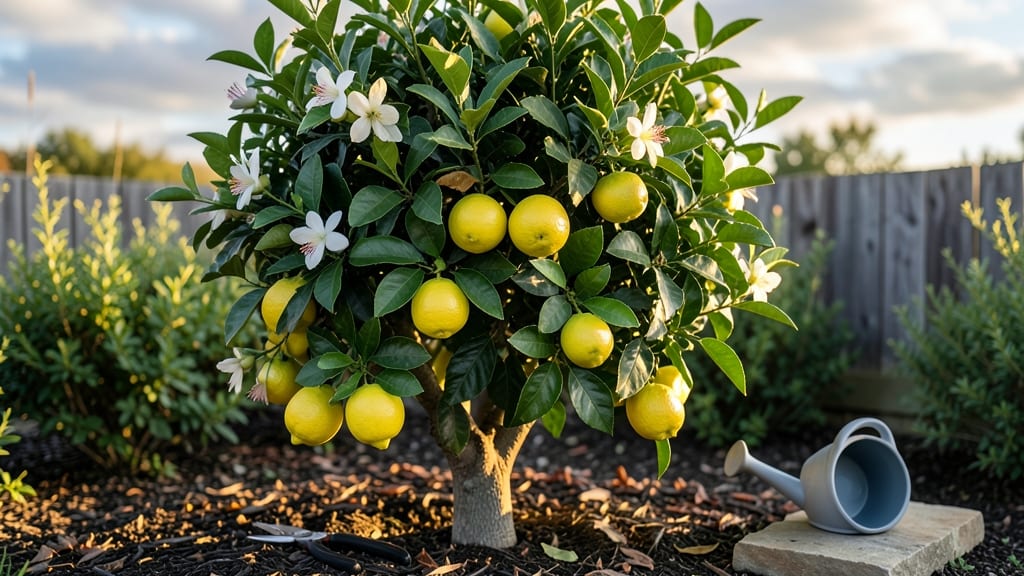
Growing a lemon tree in full sun isn't just possible—it's where these citrus stars truly shine. 🌞 I've watched my own lemon tree transform from a leggy sapling into a fruit-bearing powerhouse by giving it exactly what it craves: 6+ hours of direct sunlight daily.
The key isn't just sunlight, though—it's understanding how to balance it with water, soil, and seasonal adjustments to prevent common pitfalls like sunburn or heat stress.
Most gardeners assume full sun means "as much sun as possible," but lemon trees need smart sunlight management. Too much intense afternoon sun without proper care leads to leaf scorch, while too little keeps them from fruiting.
My tree thrives with morning sun exposure and afternoon shade in peak summer months, especially in hot climates like Zone 9 where temperatures regularly hit 95°F. The right soil mix—well-draining yet moisture-retentive—makes all the difference in keeping roots happy while the canopy soaks up that golden light.
What you'll end up with is a tree that produces bright, fragrant blossoms followed by actual lemons—something most gardeners only dream of achieving in their backyard.
The first harvest typically arrives in 2-3 years for dwarf varieties, and with proper pruning, you can keep the tree compact enough for containers or small yards while maximizing fruit production. The secret lies in consistent care during those critical first years when the tree establishes its root system.
Whether you're planting in-ground in a warm climate or container-grown in a cooler zone, the principles remain the same: prioritize sunlight, protect young leaves, and adjust watering as seasons change.
The payoff comes in those first tangy lemons you'll pick straight from your tree—nothing compares to the flavor or the satisfaction of growing your own citrus. Let's get started with the essentials you'll need to create your own thriving lemon tree.
📚 In This Guide
- What you need
- Instructions
- Tips and common mistakes
- Wrapping up and next steps
What you need
- ● Lemon tree sapling: Choose a Citrus limon variety (like 'Eureka' or 'Meyer') from a nursery. Opt for a 1- to 2-year-old tree for faster establishment.
- ● Well-draining potting mix: A blend of 60% potting soil, 30% perlite or pumice, and 10% compost (for container growth). For in-ground planting, amend soil with organic matter (e.g., compost or aged manure).
- ● Container (if potted): A 15- to 20-gallon pot with drainage holes (minimum 18" diameter for mature trees).
- ● Slow-release citrus fertilizer: Look for a balanced NPK (e.g., 6-6-6 or 8-3-9) with micronutrients like iron and zinc.
- ● Mulch: 2-3 inches of organic mulch (e.g., straw or wood chips) to retain moisture and regulate soil temp.
- ● Garden trowel or shovel (for planting).
- ● Pruning shears (sterilized with rubbing alcohol).
- ● Watering can or hose with a gentle spray nozzle (avoid overwatering!).
- ● pH test kit (ideal soil pH: 6.0–7.0).
- ● Sunlight access: A minimum of 6–8 hours of direct sunlight daily (south-facing spot is ideal in the Northern Hemisphere).
- ● Citrus-specific fungicide (e.g., copper-based) to prevent diseases like melanose.
- ● Drip irrigation system for consistent moisture (especially in hot climates).
- ● Pollination aid: A small paintbrush to hand-pollinate flowers if indoor-grown.
- ● Frost protection: Burlap wraps or a greenhouse for winter (if temps drop below 25°F).
Step-by-step guide to planting lemon trees in full sun
Here's how to give your citrus tree the bright, bold conditions it craves.
🌱 Step 1: Choose the Right Variety and Location
Start with a dwarf or semi-dwarf lemon tree—they're perfect for backyards and produce fruit faster than standard varieties. Look for Meyer lemons if you want early fruiting and cold tolerance, or Eureka or Lisbon for classic lemon flavor. These trees thrive in USDA zones 9-11, but you can grow them in cooler climates with winter protection.
Pick a spot that gets at least 6-8 hours of direct sunlight daily. South-facing locations work best, but west-facing spots also provide excellent afternoon sun. Avoid areas with afternoon shade—lemon trees need that intense light to develop sweet, flavorful fruit. If your yard lacks full sun, consider a large container that you can move around as needed.
☀️ Step 2: Prepare the Soil and Plant Correctly
Lemon trees demand well-draining, slightly acidic soil with a pH between 6.0 and 7.0. If your soil is heavy clay or compacted, amend it with 3-4 inches of organic matter like compost or aged manure before planting. Mix in a handful of slow-release citrus fertilizer (like 6-6-6 or 8-3-9) to give your tree a nutrient boost right away.
Dig a hole twice as wide as the root ball but only as deep as the container's drainage holes. Gently remove the tree from its pot and loosen any circling roots with your fingers. Place the tree in the hole so the top of the root ball sits level with the surrounding soil—burying too deep can suffocate the roots, while planting too high risks poor stability. Backfill with native soil, pressing lightly to eliminate air pockets.
💧 Step 3: Water Deeply and Establish a Routine
After planting, water deeply—soak the soil until it’s 6-8 inches wet, then let it dry slightly before watering again. Lemon trees are drought-tolerant once established, but young trees need consistent moisture. Overwatering is worse than underwatering, so check the soil 2 inches down before adding more water. If it feels damp, wait a few more days.
Mulch around the base with 2-3 inches of organic mulch (like wood chips or straw) to retain moisture and regulate soil temperature. Keep the mulch 3-4 inches away from the trunk to prevent rot. This layer also suppresses weeds, which compete for nutrients your lemon tree needs. Avoid inorganic mulches like rocks, which don’t improve soil health.
✂️ Step 4: Prune for Shape and Airflow
Prune your lemon tree lightly in late winter or early spring before new growth begins. Remove any dead, diseased, or crossing branches first—these can harbor pests or block sunlight. Then, trim back any overly long or leggy growth to encourage a bushier shape. Aim to keep the tree open and airy, which reduces humidity around the foliage and prevents fungal issues.
Never remove more than 25% of the tree’s foliage in one pruning session—this stresses the tree and can delay fruiting. Use clean, sharp pruners to make cuts just above a leaf node or outward-facing bud. Disinfect your tools with rubbing alcohol between cuts to prevent spreading disease. After pruning, give your tree a balanced fertilizer to support new growth.
🌿 Step 5: Protect and Support for Long-Term Growth
If you’re in a cooler climate, winter protection is key. Young trees or potted lemons need frost blankets or burlap wraps when temperatures drop below 30°F. Move container-grown trees to a sheltered spot or indoors near a sunny window. Established trees in the ground can handle brief dips to 25°F, but prolonged cold will damage the tree.
Support your tree with a small stake or cage if needed, especially in windy areas. Lemon trees have shallow roots, so they can topple easily in strong winds. As your tree matures, you’ll see white blossoms in spring—this is when to apply a high-phosphorus fertilizer to encourage fruiting. Thin out some of the fruit if the tree is overloaded, leaving 6-8 inches between lemons to ensure they grow large and flavorful.
Tips & tricks for perfect lemon tree planting in full sun
Between us, lemon trees are finicky about their environment—but these tricks will help you nail the perfect conditions for a thriving citrus tree.
Sunlight Strategy: Those critical 6-8 hours of direct sunlight make all the difference. If your yard has afternoon shade, consider a south-facing location or a large container that you can rotate throughout the day. West-facing spots work too, but avoid east-facing areas where morning sun fades quickly—lemon trees need that intense afternoon light to develop their signature sweetness. I've seen trees in east-facing spots struggle with underdeveloped fruit, even when they looked healthy.
Soil Preparation: The well-draining, slightly acidic soil (pH 6.0-7.0) is non-negotiable. If your soil is heavy clay, don't just plant—amend it! Mix in 3-4 inches of compost or aged manure and consider adding a slow-release citrus fertilizer right at planting. I've had clients skip this step and end up with trees that just... sit there, not growing. The difference between a struggling tree and a productive one often comes down to this soil prep. Test your soil's pH before planting—you can pick up a simple test kit at any garden center for under $10.
Watering Wisdom: Lemon trees are drought-tolerant once established, but young trees need consistent moisture—not soggy soil. After planting, water deeply until the soil is 6-8 inches wet, then let it dry slightly before watering again. The key is checking 2 inches down—if it feels damp, wait. Overwatering is the silent killer of lemon trees. I've seen roots rot from well-meaning gardeners who watered daily. Mulch with 2-3 inches of organic material (like wood chips) to help regulate moisture and keep roots cool.
Winter Protection: Those temperature thresholds (30°F for young trees, 25°F for established ones) are critical. In cooler climates, don't just hope for the best—prepare! Wrap young trees in frost blankets or burlap when temps drop, and move container-grown trees to a sheltered spot or indoors near a sunny window. I've had clients lose entire trees because they assumed their hardy lemon would survive. A little prevention goes a long way—trust me, I've seen the aftermath of frozen trees.
Pro Tips for Lemon Tree Full Sun
- Between us, lemon trees are finicky about their environment—but these tricks will help you nail the perfect conditions for a thriving citrus tree.
- Sunlight Strategy: Those critical 6-8 hours of direct sunlight make all the difference.
- Soil Preparation: The well-draining, slightly acidic soil (pH 6.0-7.0) is non-negotiable.
Frequently asked questions
Got questions about growing a lemon tree in full sun? You’re not alone! Here are some of the most common concerns—and their answers—to help you cultivate a thriving citrus tree, even in bright conditions.
How much full sun does a lemon tree really need?
A lemon tree thrives in 6–8 hours of direct sunlight daily. In hot climates, afternoon shade can prevent leaf scorch, but morning sun is ideal. If your tree gets less, it may produce fewer fruits or drop leaves. Pro tip: Rotate pots occasionally for even sun exposure!
Can lemon trees survive full sun in winter?
Lemon trees are tropical and struggle in freezing temps. If you live in a cold zone, move potted trees indoors or wrap them in frost cloth. Evergreens? Mulch heavily to protect roots. Remember: Even citrus can handle light frost if roots stay warm!
How often should I water a lemon tree in full sun?
Water when the top 1–2 inches of soil are dry (usually every 2–3 days in summer). Full sun = faster evaporation! Overwatering causes root rot, so ensure pots have drainage holes. Bonus: Drip irrigation keeps roots consistently moist.
Why aren’t my lemon tree’s leaves turning yellow?
Yellow leaves often signal overwatering, nutrient deficiency, or pests. Check soil moisture, fertilize with citrus-specific food (high in nitrogen), and inspect for aphids or mites. Fix it: Trim affected leaves and adjust care—your tree will bounce back!
What if my yard doesn’t get full sun? Are there alternatives?
No full sun? Try dwarf Meyer lemon varieties (they tolerate partial shade) or grow in containers near a sunny window. For outdoor shade, opt for lime trees or calamondins, which are more adaptable. Light hack: A grow light can supplement 4–6 hours daily!
Wrapping up and next steps
Growing a lemon tree in full sun is a rewarding journey that brings fresh, tangy lemons right to your doorstep! With the right light, soil, and care, you’ll enjoy a thriving citrus tree that produces bountiful fruit year after year.
Whether you’re a beginner or a seasoned gardener, this guide makes it simple—so roll up your sleeves and get ready to savor the sweet taste of success! 🌞🍋
Next steps:
- Pick your favorite lemon variety and gather supplies.
- Find that sunny spot and start planting—your tree is waiting!