
Pruning
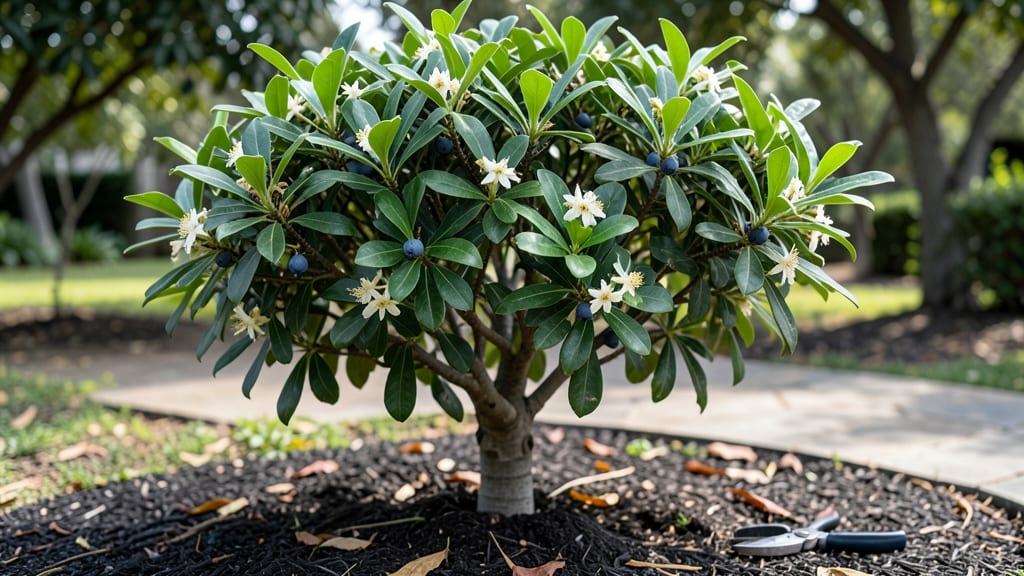
Growing a lilly pilly tree transforms your yard into a fragrant, fruiting paradise that keeps giving all year. 🌿 I planted mine three years ago after seeing neighbors' trees heavy with berries—now I harvest bright red fruit from late summer through winter.
The key isn't just the soil or water; it's understanding how this tree thrives in full sun while rewarding patience with both beauty and bounty.
These trees love well-draining soil with a touch of acidity (think pine bark or peat moss mixed in), and they'll tolerate heat once established. Water deeply once a week during dry spells, but avoid soggy roots—they hate wet feet.
My tree gets six hours of direct sun daily, and that's when it really shines with glossy leaves and abundant fruit. The glossy foliage alone makes it a standout ornamental, but the berries? Pure bonus.
You'll see new growth within months of planting, and by year two, you'll be picking fruit that birds adore but humans love even more. The berries aren't just pretty—they're packed with vitamin C and make excellent jams or fresh snacks (though they're tart until fully ripe).
Pruning in late winter keeps the shape manageable while encouraging more fruit production. It's the kind of tree that makes neighbors ask, "What is that?"—then wish they had one too.
Perfect for warm climates (zones 8-11) but can handle brief cold snaps if protected. Even in small yards, they work well in large containers if you're willing to move them seasonally.
The trade-off? A little extra care now means years of shade, scent, and fruit with almost no effort after the first few seasons. Let's get yours growing!
📚 In This Guide
- What you need
- Instructions
- Tips and common mistakes
- Wrapping up and next steps
What you need
- ● Pruning shears: Sharp, bypass-style shears (for clean cuts on smaller branches). Size: 6–8 inches.
- ● Loppers: For thicker branches (up to 2 inches in diameter). Size: 18–24 inches.
- ● Pruning saw: For branches thicker than 2 inches. Type: Curved-tooth saw for clean cuts.
- ● Gloves: Heavy-duty, cut-resistant gloves to protect your hands from thorns and sharp edges.
- ○ Disinfectant (optional but recommended): 70% isopropyl alcohol or a pruning sealant to prevent disease spread.
- ● Ladder or step stool: If your tree is taller than 6 feet. Safety tip: Use a stable, non-slip ladder!
- ● Trash bags or bucket: For collecting pruned branches and debris.
- ● Hand pruners with a ratchet: For extended pruning sessions (reduces hand fatigue).
- ● Pole pruner: For high branches (if you’re avoiding ladders).
- ● Tree wound dressing: Controversial but some gardeners swear by it for large cuts.
- ● Labeling tags: If you’re propagating cuttings, mark them with the date and variety.
- ● Safety goggles: To protect against flying debris (especially if using a saw).
Step-by-Step instructions for planting and caring for a lilly pilly tree
Here's how to get your citrus-loving tree thriving in full sun.
🌱 Step 1: Choose the Right Location and Prepare the Soil
Lilly pillies demand full sun—at least 6-8 hours daily—so scout your yard for the sunniest, most sheltered spot. These trees hate wind, so avoid open areas where branches could snap. I always check for overhead power lines too—mature lilly pillies can reach 20-30 feet tall.
Dig a hole twice as wide as the root ball but only as deep as the container's root base. The top of the root ball should sit 1-2 inches above ground level—this prevents water pooling around the trunk. Amend the native soil with 2-3 inches of compost mixed into the bottom of the hole. Lilly pillies prefer well-draining soil, so if your yard is clay-heavy, add sand or perlite to improve drainage.
🪴 Step 2: Plant with Proper Spacing and Support
Remove the tree from its container and loosen any circling roots gently with your fingers. Place it in the hole so the root flare (where roots meet trunk) sits level with the surrounding soil. Backfill with native soil mixed with compost, tamping down lightly every 2-3 inches to eliminate air pockets. Water deeply to settle the soil.
For young trees, I install a stake and tie system immediately—lilly pillies grow fast and need support in their first year. Bury the stake 6-8 inches deep and attach the tree with soft fabric ties (never wire, which can girdle the trunk). Space multiple trees 15-20 feet apart to allow for mature spread.
☀️ Step 3: Water Deeply and Establish a Routine
Water deeply once a week for the first 6 months, providing 1-2 gallons per watering depending on tree size. You'll know you've watered enough when the soil 12 inches down feels moist. Overwatering is the biggest mistake—lilly pillies hate soggy roots. After the first year, they become drought-tolerant, but young trees need consistent moisture to establish roots.
Mulch around the base with 2-3 inches of organic mulch, keeping it 6 inches away from the trunk to prevent rot. Replenish mulch annually. Fertilize lightly in spring and fall with a balanced citrus fertilizer (6-6-6 ratio) to encourage fruiting. Avoid heavy nitrogen—it promotes leafy growth at the expense of fruit.
✂️ Step 4: Prune for Shape and Fruit Production
Prune late winter or early spring before new growth begins. Remove any dead, diseased, or crossing branches first—these compete with healthy growth. Open the center of the tree by cutting back 25% of the oldest branches to improve airflow and sunlight penetration. Lilly pillies fruit on new wood, so avoid heavy pruning after summer.
Shape the tree by trimming back overly long branches to maintain a natural, balanced form. Never remove more than 25% of the canopy in one season—this stresses the tree. After pruning, apply a copper fungicide spray to prevent infection through fresh cuts. You'll see new, vigorous growth within 4-6 weeks—that's your sign pruning worked.
Tips & tricks for perfect lilly pilly tree planting
Real talk: Planting a lilly pilly tree isn't rocket science, but these little details make all the difference between a thriving citrus treasure and a sad, struggling sapling.
Location is Everything: That 6-8 hours of daily sun isn't just a suggestion—it's non-negotiable. I've seen lilly pillies struggle in spots that get only 5 hours of sun, even if they're otherwise perfect. Check your yard's sunlight patterns for at least 3 days before planting. Morning sun with afternoon shade works best in hot climates, but avoid spots where afternoon sun would scorch leaves.
Root Ball Placement Matters: When you're placing that root ball in Step 1, resist the urge to bury it too deep. The top should sit 1-2 inches above ground level—this prevents water from pooling around the trunk, which can cause rot. I learned this the hard way after losing a young tree to root rot. Think of it like a bathtub—you want water to drain away, not pool around your tree.
Staking Strategy: That stake-and-tie system in Step 2 isn't just decoration—it's insurance. Lilly pillies grow fast, and young trees need support to develop strong trunks. Bury the stake 6-8 inches deep for stability, and use soft fabric ties that you can loosen as the tree grows. I always check the ties every 2 months during the first year to make sure they're not cutting into the trunk as it thickens.
Watering Wisdom: The "deeply once a week" rule in Step 3 is crucial, but here's what nobody tells you: use a soil probe or long screwdriver to check that moisture at 12 inches down. If it's dry, water again. If it's still damp, wait another day. Overwatering kills more lilly pillies than underwatering—these trees hate soggy roots more than they hate thirst.
Pro Tips for Lilly Pilly Tree
- Real talk: Planting a lilly pilly tree isn't rocket science, but these little details make all the difference between a thriving citrus treasure and a sad, struggling sapling.
- Location is Everything: That 6-8 hours of daily sun isn't just a suggestion—it's non-negotiable.
- Root Ball Placement Matters: When you're placing that root ball in Step 1, resist the urge to bury it too deep.
Frequently asked questions
Got questions about growing and maintaining your lilly pilly tree? You’re not alone! Here are some of the most common queries—plus straightforward answers to help you keep your citrusy companion thriving.
How much sunlight does a lilly pilly tree really need?
A lilly pilly tree loves sunlight—think 6 to 8 hours of direct light daily. While it tolerates partial shade, full sun (especially in warmer climates) ensures the best fruit production and lush foliage. If your tree seems leggy or sparse, it might be crying out for more sun!
When is the best time to prune a lilly pilly tree?
Prune your lilly pilly after fruiting (late winter to early spring) to avoid removing next year’s crop. Light shaping can happen anytime, but avoid heavy pruning during flowering or fruiting seasons. Pro tip: Use sterilized tools and remove any dead or crossing branches to keep air flowing!
Why isn’t my lilly pilly tree producing fruit?
Lack of fruit could stem from immature age (young trees take 2–3 years), poor pollination (hand-pollinate with a brush if needed), or nutrient deficiencies. Check for phosphorus and potassium—key for flowering—and ensure it’s in full sun. Patience helps too; some varieties are slower to bear!
Can lilly pillies survive cold winters?
Most lilly pilly varieties (like Syzygium australe) are tender to semi-tropical—they thrive in USDA zones 9–11. In colder areas, grow them in containers and move them indoors or under cover when temps drop below 25°F (-4°C). Mulch the base for extra protection!
What’s a good alternative if I can’t grow a lilly pilly?
If your climate is too harsh, consider these similar citrusy or ornamental trees:
- Loquat tree (Eriobotrya japonica) – Cold-hardy, edible fruit, and glossy leaves.
- Pomegranate – Drought-tolerant with vibrant flowers and sweet-tart fruit.
- Australian finger lime (Microcitrus australasica) – Unique citrusy pearls, great for containers.
Wrapping up and next steps
The lilly pilly tree is a stunning, low-maintenance addition to any garden, offering year-round citrus abundance and vibrant foliage—perfect for both beginners and seasoned gardeners! 🌿 With the right pruning techniques, you’ll keep it healthy, productive, and beautiful while minimizing pests and diseases.
Whether you’re shaping it for aesthetics or maximizing fruit yield, the key is patience and consistency.
Ready to transform your outdoor space? Grab your pruning tools, mark your calendar, and start small! Try pruning just one section this season, observe how it responds, and build confidence. Soon, you’ll be harvesting luscious berries and enjoying the pride of a thriving lilly pilly tree. Happy gardening! 🌟