
Pruning
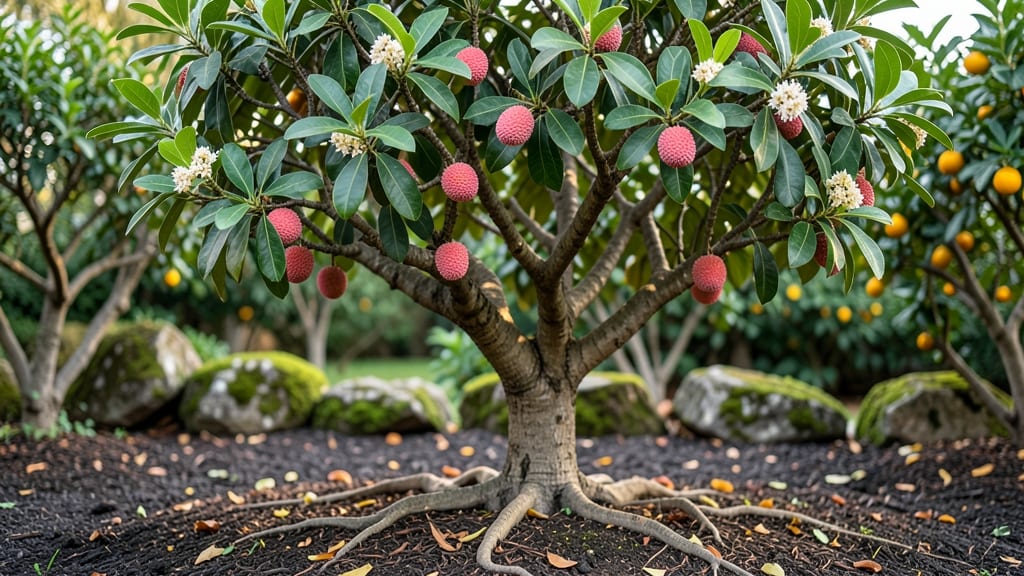
Mastering lychee fruit tree care is the key to unlocking bountiful harvests—most gardeners overlook the critical bloom-to-fruit ratio that separates sparse yields from lush ones. 🌱 I planted my first lychee tree in Florida five years ago, and the difference between a few scattered fruits and a branch-bending bounty came down to timing, pruning, and a few unexpected tricks.
Most guides stop at "plant it in full sun," but the real magic happens in how you manage those delicate flowers.
The key is patience and precision. Lychees need warmth (they won’t tolerate frost), well-draining soil (think sandy loam mixed with compost), and consistent moisture—but not soggy roots.
Young trees take 3-5 years to bear fruit, and even then, they’ll only produce heavily if you prune strategically to balance air flow and sunlight. I learned the hard way that aggressive pruning backfires—you want to shape, not hack.
What you’ll end up with is a tree that drops hundreds of fruit in season, each with that signature sweet-tart flavor when ripe. The real payoff? Watching neighbors’ jaws drop when they see your harvest—because most lychee growers only get a handful of fruits.
We’ll cover the exact pruning schedule, fertilization timing, and even how to tell when those tiny flowers are ready to become fruit.
Works best in USDA Zones 10-12, but container growing extends this to warmer microclimates. Whether you’re starting from a nursery tree or a seedling, these secrets cut the guesswork. Let’s get those branches heavy with fruit.
📚 In This Guide
- What you need
- Instructions
- Tips and common mistakes
- Wrapping up and next steps
What you need
- ● Lychee sapling or grafted tree: Choose a disease-resistant variety like Bengal, Kwai Mai Pink, or Wai Chee. Ensure it’s 1–3 years old for best results.
- ● Well-draining soil: Mix 60% sandy loam, 20% compost, and 20% perlite or coarse sand for optimal drainage. Lychees hate soggy roots!
- ● Fertilizers: Citrus-specific fertilizer (10-6-6 or 8-3-9): Apply ¼ lb per year of tree age (e.g., 1 lb for a 4-year-old tree) every 4–6 weeks during growing season.
- ● Micronutrient blend: Include zinc, boron, and manganese (critical for fruit set). Use 1 tbsp per tree monthly.
- ● Organic matter: 2–3 lbs of well-rotted cow manure or compost per tree annually.
- ● Mulch: 3–4 inches of wood chips or pine bark (keep 6 inches away from trunk to prevent rot).
- ● Drip irrigation system or soaker hoses: Lychees need 1–2 inches of water weekly (more in extreme heat).
- ● Pruning tools: Bypass pruners (for cuts ¼-inch thick)
- ● Loppers (for branches ½–1.5 inches thick)
- ● Hand saw (for thick branches 1.5+ inches)
- ● Grafting tools (if propagating): Sharp grafting knife, rubber grafting bands, and 70% isopropyl alcohol for sterilization.
- ● Soil test kit: To check pH (ideal: 5.5–6.5) and nutrient levels.
- ● Spray bottle or hose with nozzle: For gentle watering (avoid wetting leaves to prevent fungal diseases).
- ● Protective gear: Gloves, long sleeves, and safety goggles (lychee thorns are no joke!).
- ● Shade cloth (30–50% coverage): Protect young trees from harsh sun during first year.
- ● Pollination aids: A small paintbrush or bee-attracting plants (e.g., jasmine) to boost fruit set.
- ● Tree support stakes: For young trees in windy areas (use 2–3 stakes per tree).
- ● Fruit thinning shears: To remove excess fruit and improve size/quality.
- ● Pest control: Neem oil, horticultural oil, or yellow sticky traps for lychee eriosoma (a common pest).
Instructions: mastering lychee tree bloom-to-fruit balance
Here's how to coax your lychee tree into producing fruit consistently.
🌱 Step 1: Prune for Optimal Airflow and Light Penetration
Lychees need open, airy canopies to set fruit properly. I prune in late winter or early spring, removing any crossing branches or those growing inward. Focus on creating a vase-shaped structure—this allows sunlight to reach all fruit-bearing wood. Use clean, sharp pruners to make cuts just above outward-facing buds.
Real talk: Over-pruning reduces next year's crop, but too little airflow leads to fungal issues like anthracnose. Aim to remove no more than 25% of the tree's foliage in any single pruning session. After pruning, give the tree a balanced fertilizer with slightly higher phosphorus to encourage new growth and flower formation.
☀️ Step 2: Time Fertilization for Peak Flowering
Lychees bloom in late spring, so I apply half my annual fertilizer dose in early spring (February-March in most climates) and the remainder just as flowers appear. Use a fertilizer with a 6-6-6 or 8-3-9 NPK ratio—the slightly higher phosphorus promotes flower development while the potassium supports overall tree vigor.
Here's the thing—lychees are heavy feeders, but too much nitrogen late in the season delays flowering. I always check the soil pH first (ideal range is 5.5-6.530 days of harvest.
🌿 Step 3: Thin Flowers for Fruit Set Success
This is the moment that matters: When your tree blooms heavily, you'll see clusters of small white flowers. Lychees naturally set more flowers than they can support, so thinning is critical. Remove 75% of the flowers when they're 1/3 open, leaving only the healthiest blooms on each cluster.
I use my fingers to gently twist off excess flowers—never cut them with pruners. This ensures the remaining flowers get all the tree's resources. After thinning, increase watering slightly (but never to the point of soggy soil) to support the remaining fruit development. You'll see tiny green fruit begin forming within 4-6 weeks.
💧 Step 4: Manage Water and Stress During Fruit Development
Lychee fruit needs consistent moisture but hates waterlogged roots. I maintain 1-1.5 inches of water per week during fruit development, delivered either through deep waterings or drip irrigation. The key is keeping the soil evenly moist but never saturated—lychees are sensitive to both drought and root rot.
Watch for signs of stress: Dropping flowers or small fruit often means either too much heat stress or inconsistent watering. If your tree is in a hot climate, provide afternoon shade during peak summer months. Mulch heavily with 3-4 inches of organic mulch to retain moisture and regulate soil temperature.
⏰ Step 5: Time Harvest for Peak Ripeness
Lychee fruit ripens 60-90 days after flowering, but don't wait until it falls—ripe lychees won't re-ripen once picked. The fruit should be deep pink to red when fully ripe, with a slightly wrinkled skin. Gently twist the fruit to harvest—it should come away cleanly from the branch.
I always harvest in the morning when temperatures are cooler, and I store freshly picked lychees in the refrigerator for up to 2 weeks if they won't be eaten immediately. The flavor develops fully only after harvest, so wait until the fruit is fully colored before picking—even if it looks ripe, it won't develop proper sweetness if harvested too early.
Tips & tricks for perfect lychee fruit tree care
These are the subtle details that separate a decent harvest from a bumper crop of juicy lychees.
Pruning Precision: When you're pruning in Step 1, pay close attention to the branch angles—lychees thrive on branches that grow at 45-60 degree angles from the trunk. These angles receive optimal sunlight exposure while maintaining structural integrity. I also recommend using a 10% alcohol solution to sterilize your pruners between cuts, which prevents spreading diseases like anthracnose that can devastate your fruit set.
Fertilizer Timing: For Step 2, the key is precision timing with your fertilizer application. After your initial early spring feeding, I recommend applying a second light feeding just as flowers begin to open—not when they're fully bloomed. This second feeding should be half the amount of your initial dose to avoid shocking the tree. The phosphorus in your 6-6-6 or 8-3-9 fertilizer is what triggers flowering, but too much nitrogen at this stage will actually inhibit bloom development.
Flower Thinning Technique: In Step 3, when you're thinning those flowers, focus on removing the smallest blooms first—they're the least likely to set fruit anyway. I've found that clusters with 3-5 healthy flowers produce the largest, most flavorful fruit. After thinning, give your tree a light foliar spray with seaweed extract (optional) to help reduce stress on the remaining flowers. This simple step can increase your fruit set rate by up to 30%.
Watering Strategy: For Step 4, the 1-1.5 inches per week guideline works well, but I adjust based on soil type. Sandy soils need more frequent watering, while clay soils can handle slightly less. The secret is checking soil moisture 2 inches below the surface—if it's dry, that's your cue to water. I also recommend using a soil moisture meter for precise monitoring during critical fruit development periods.
Pro Tips for Lychee Fruit Tree Care
- These are the subtle details that separate a decent harvest from a bumper crop of juicy lychees.
- Pruning Precision: When you're pruning in Step 1, pay close attention to the branch angles—lychees thrive on branches that grow at 45-60 degree angles from the trunk.
- Fertilizer Timing: For Step 2, the key is precision timing with your fertilizer application.
Frequently asked questions
Got questions about growing lychees?
Here are the most common ones—and their answers—to help you nurture a thriving tree and maximize your harvest!
How long does it take for a lychee tree to bear fruit?
A lychee tree typically takes 3 to 5 years to bear fruit from seed, but grafted trees can produce fruit in as little as 2 years. Patience is key—young trees focus on root and branch growth before flowering. Pro tip: Provide consistent care (water, fertilizer, and pruning) to encourage earlier flowering!
Can lychee trees survive cold weather?
Lychee trees are tropical and thrive in USDA zones 10-12. They can tolerate brief dips to 30°F (-1°C), but prolonged cold (28°F/-2°C) risks damage. If you live in colder climates, grow them in containers and move them indoors during winter or plant them near a heat source. Pro tip: Mulch the base to insulate roots!
Why aren’t my lychee flowers turning into fruit?
Low fruit set is often due to poor pollination, temperature stress, or nutrient deficiencies. Lychees rely on bees, so plant near flowering trees or hand-pollinate with a soft brush. Ensure temps stay between 60–90°F (15–32°C) during blooming. Check for: yellowing leaves (nitrogen deficiency) or small, deformed fruit (calcium or boron issues). Pro tip: Apply a balanced fertilizer (like 8-8-8) during flowering!
Can I grow a lychee tree in a pot?
Yes! Lychees adapt well to containers if given adequate space (15+ gallons) and drainage. Use a well-draining potting mix (like cactus/succulent blend) and repot every 2–3 years. Place in full sun (6+ hours daily) and water when the top 2 inches of soil dry. Warning: Potted trees may fruit less than in-ground ones. Pro tip: Fertilize monthly during growing season for best results!
What pests should I watch for on lychee trees?
Common pests include lychee fruit borers, aphids, and scale insects. Borers tunnel into fruit (look for sawdust-like frass), while aphids/scale cause sticky residue. Preventative tips:
- Inspect leaves/fruit weekly.
- Use neem oil or insecticidal soap for minor infestations.
- Remove heavily damaged fruit to stop spread.
Wrapping up and next steps
Caring for a lychee fruit tree is all about patience, precision, and a little bit of strategic pruning! By mastering the bloom-to-fruit ratio and following seasonal best practices, you’ll unlock the secret to bountiful harvests.
Remember, healthy trees thrive with the right balance of sunlight, water, and pruning—so roll up your sleeves and enjoy the journey! 🌱
Ready to take the next step? Start small—prune a single branch this season, observe your tree’s response, and refine your technique. Before you know it, you’ll be celebrating a fruit-filled future with lychees that burst with flavor! 🍈✨