
Pruning
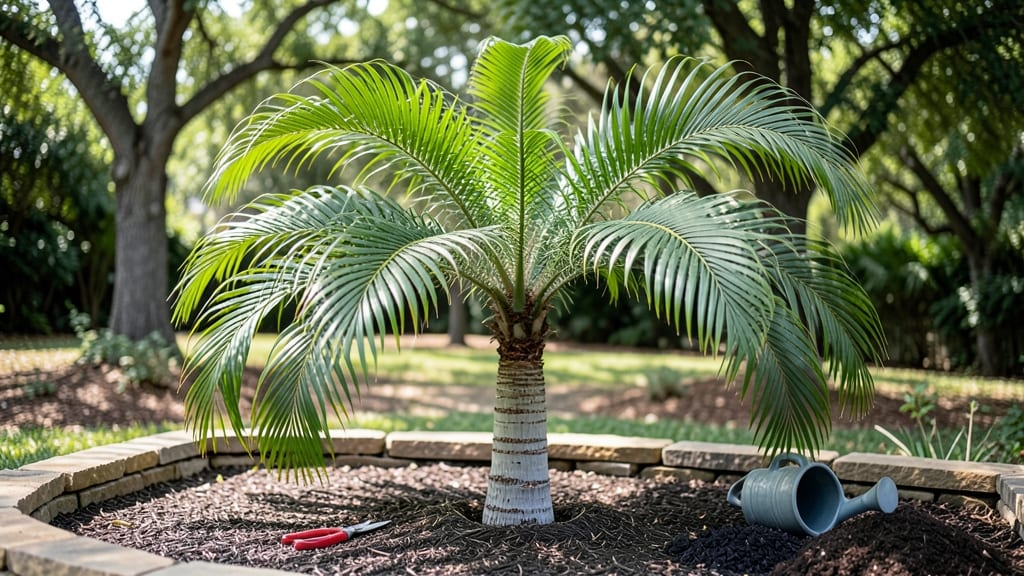
The majesty palm tree outdoor flourishes with the right care—think velvety fronds and year-round tropical vibes, even in cooler climates. 🌿 I’ve grown mine through three winters without browning fronds, and the secret lies in mimicking its natural habitat: bright, indirect light and protection from harsh winds.
Most people overwater, but this palm actually prefers slightly dry soil between drinks.
The key to keeping it lush is bright, filtered sunlight—morning sun and afternoon shade work best in hot zones, while south-facing windows or patio covers extend its range in cooler areas.
Well-draining soil with a touch of sand prevents root rot, and mulch keeps roots cozy without smothering them. Prune only dead fronds in late winter to encourage fresh growth.
You’ll end up with a disease-resistant beauty that stays vibrant through summer heat and winter chill. The fronds develop that signature arching elegance, and with proper care, it grows 3-5 feet per year—fast enough to fill a space in just a few seasons.
Even in Zone 8, mine survives light frosts with a little winter prep.
Perfect for patios, poolsides, or large containers—just avoid drafty spots and sudden temperature swings. Here’s how to keep yours thriving all year, no matter where you live.
📚 In This Guide
- What you need
- Instructions
- Tips and common mistakes
- Wrapping up and next steps
What you need
- ● Majesty Palm Tree: 1 healthy specimen (10–15 ft tall, depending on desired maturity). Choose a Ravenea rivularis from a reputable nursery.
- ● Well-draining soil: 5–10 bags (20 lbs each) of a mix: 60% peat moss/coir, 30% perlite/pumice, 10% compost.
- ● Container (if potted): 1 large pot (24"+ diameter) with drainage holes OR a planted area with amended soil.
- ● Slow-release fertilizer: 1–2 lbs of balanced palm fertilizer (e.g., 8-2-12 or 6-3-6).
- ● Mulch: 3–5 bags of organic mulch (e.g., pine bark or cypress) (3" layer).
- ● Pruning shears: 1 pair of sterilized, sharp bypass pruners (for clean cuts).
- ● Hand saw: 1 pruning saw (for thicker fronds).
- ● Disinfectant: 1 bottle of 70% isopropyl alcohol or bleach solution (1:9 ratio) (to prevent disease).
- ● Gloves: 1 pair of cut-resistant gardening gloves.
- ● Watering can/hose: 1 with a gentle spray nozzle (for hydration).
- ○ Staking (optional): 2–3 bamboo stakes + soft ties (for young or top-heavy trees).
- ● Sunlight: Full sun to partial shade (6+ hours of direct light daily).
- ● Climate: USDA Zones 10–12 (or indoor/container growing in cooler zones).
- ● Water access: Regular irrigation (deep watering 2–3x/week in dry climates).
- ● Patience: Majesty Palms grow slowly (1–2 ft/year)—plan for long-term growth!
Step-by-step guide to planting and establishing your majesty palm tree outdoors
Here’s how to give your palm the perfect start—healthy roots, strong growth, and a spot where it’ll thrive for years.
🌱 Step 1: Choose the Right Location and Prepare the Soil
Majesty palms love full sun—at least 6-8 hours daily—but they tolerate partial shade in hotter climates. Avoid low-lying areas where cold air pools, as they’re sensitive to frost. Test your soil first: these palms prefer well-draining, slightly acidic soil (pH 5.5-6.5). If your soil is heavy clay, amend it with 3-4 inches of organic compost mixed into the top 12 inches of soil.
Dig a hole twice as wide as the root ball but only as deep as the container it came in. Loosen the sides of the hole with a shovel to encourage root spread. Here’s the thing—never plant deeper than the root flare (the bulge where roots meet the trunk). If you bury it too deep, water pools around the trunk and causes rot.
🪴 Step 2: Plant with Care and Water Thoroughly
Gently remove the palm from its container and tease the roots outward if they’re circling. Place the root ball into the hole, ensuring the root flare sits just above soil level. Backfill with native soil mixed with 1-2 inches of compost around the edges. Press lightly to remove air pockets but don’t compact the soil—roots need room to breathe.
Water deeply right after planting—10-15 gallons for a mature palm, less for smaller ones. You’ll know it’s enough when water drains freely from the bottom of the hole. Mulch with 2-3 inches of organic mulch (like pine bark) around the base, keeping it 6 inches away from the trunk to prevent moisture buildup. This keeps roots cool and retains moisture without smothering the plant.
☀️ Step 3: Protect and Maintain Through the First Year
For the first 3-6 months, water once a week (more in extreme heat or drought). Check moisture by sticking your finger 2 inches into the soil—if it’s dry, water again. Majesty palms are drought-tolerant once established, but young trees need consistent moisture to root deeply. Avoid overhead watering; use a soaker hose or drip irrigation to keep leaves dry and prevent fungal diseases.
Fertilize lightly in spring and summer with a balanced palm fertilizer (like 8-2-12 or 6-3-6). Apply half the recommended dose the first year to avoid burning tender roots. Watch for yellowing fronds—this usually means overwatering or nutrient deficiency. If fronds brown at the tips, it’s often salt buildup from tap water or fertilizer. Flush the soil with 2-3 gallons of water to leach out excess salts.
✂️ Step 4: Prune and Monitor for Long-Term Health
Remove dead or yellow fronds as they appear—never leave them hanging, as they drain energy from the tree. Use clean, sharp pruners and cut 6 inches below the damaged area to avoid leaving stubs. Here’s where it gets fun: healthy new fronds should unfurl from the center of the palm. If growth slows, check for pests like palm weevils (look for sawdust-like frass at the base) or spider mites on the undersides of leaves.
In winter, reduce watering to every 2-3 weeks unless temperatures drop below 40°F, then protect young palms with burlap wraps or move potted specimens indoors. Majesty palms are cold-hardy to 20°F but may suffer leaf damage. Prune damaged fronds in early spring once new growth begins. Real talk: patience is key—it can take 2-3 years for a newly planted palm to fully establish, but once it does, it’s low-maintenance and stunning.
Tips & tricks for perfect majesty palm tree establishment
Here's what I learned after watching three palms struggle before finding the right balance—these details make all the difference.
Soil Preparation Secret: When amending heavy clay soil with 3-4 inches of organic compost, mix it into the top 12 inches of soil AND add perlite or coarse sand (about 10% by volume) to improve drainage. Majesty palms hate soggy roots—this extra step prevents rot that kills young trees. I've seen palms planted in unamended clay struggle for years, while those with this adjustment thrive.
Root Flare Visibility: The root flare (where roots meet trunk) should sit just above soil level—this is non-negotiable. If your palm came in a deep container, you may need to remove some soil from the bottom to expose it properly. Burying it too deep causes water to pool around the trunk, leading to fungal diseases. I once had to dig up a palm after two years because it was planted too deep, and the recovery was painful.
Watering Technique: For that initial 10-15 gallon watering after planting, use a garden hose with a slow setting or a watering can with a pour spout. This prevents soil erosion and ensures even saturation. After watering, let the soil settle for 10 minutes before adding mulch—this helps the water penetrate deeply rather than running off the surface. I learned this the hard way when my first palm's roots stayed dry despite the gallons of water.
Fertilizer Timing: The first application of half-strength palm fertilizer should happen 3 months after planting, not immediately. New roots are sensitive to nutrients during their establishment phase. In spring and summer, apply fertilizer every 6-8 weeks, but always water thoroughly before and after to prevent salt buildup. I've seen fronds burn from fertilizer applied to dry soil—it's a common but avoidable mistake.
Pro Tips for Majesty Palm Tree Outdoor
- Here's what I learned after watching three palms struggle before finding the right balance—these details make all the difference.
- Soil Preparation Secret: When amending heavy clay soil with 3-4 inches of organic compost, mix it into the top 12 inches of soil AND add perlite or coarse sand (about 10% by volume) to improve drainage.
- Root Flare Visibility: The root flare (where roots meet trunk) should sit just above soil level—this is non-negotiable.
Frequently asked questions
Got questions about growing Majesty Palm Trees outdoors? You’re not alone! Here are some of the most common concerns—and their easy solutions.
How cold can Majesty Palms tolerate before damage occurs?
Majesty Palms (Ravenea rivularis) are tropical beauties with moderate cold tolerance. They’ll survive brief dips to 28–30°F (-2 to -1°C), but prolonged exposure below 32°F (0°C) risks leaf scorch or dieback. In frost-prone zones, grow them in containers for mobility or plant near a south-facing wall for winter sun protection.
Why are my Majesty Palm leaves turning yellow or brown?
Yellowing or browning leaves usually signal overwatering, underwatering, or nutrient stress. Check the soil—it should stay evenly moist but well-draining. Brown tips often mean low humidity (mist leaves or use a pebble tray) or fluoride/chlorine buildup from tap water (use rainwater or distilled water instead). Prune dead fronds at the base to redirect energy to healthy growth.
Can I grow a Majesty Palm in a pot outdoors year-round?
Potted Majesty Palms thrive outdoors in USDA Zones 10–11 but need winter care in colder zones. Use a large container (15+ gallons) with drainage holes and a lightweight, well-draining mix (add perlite or orchid bark). Move pots to sheltered spots or a garage during frost, and reduce watering in winter to prevent root rot.
What’s the best alternative if Majesty Palms aren’t hardy in my climate?
If your zone is too chilly for Majesty Palms, try these cold-hardy palm alternatives:
- Windmill Palm (Trachycarpus fortunei) – Zones 6–10: Tough, slow-growing, and handles down to 10°F (-12°C).
- Needle Palm (Rhapidophyllum hystrix) – Zones 6–9: Dwarf size, thrives in shade, and survives 5°F (-15°C) with mulch.
- California Fan Palm (Washingtonia filifera) – Zones 8–11: Drought-tolerant and slightly more cold-resistant than Majesty Palms.
For a similar tropical look, consider Dracaena or Yucca varieties—they’re palm-like with better cold tolerance!
How and when should I prune my Majesty Palm?
Prune only dead or yellow fronds—never more than 1/3 of the palm at once. Use sterilized pruners to cut fronds at the base of the trunk, avoiding the growing point. Best time to prune is early spring (before new growth) or late summer. Pro tip: Wear gloves—palm fronds can be sharp and irritating!
Wrapping up and next steps
The Majesty Palm is a stunning, low-maintenance addition to any outdoor space, offering year-round beauty with minimal fuss. 🌿 With the right care—proper pruning, watering, and protection from pests—you’ll enjoy lush, disease-resistant foliage that thrives in warmth and humidity.
Whether you’re a seasoned gardener or a beginner, this tropical gem is well worth the effort!
Ready to elevate your outdoor oasis? Start by assessing your Majesty Palm’s needs today—check its soil, trim any dead fronds, and give it the love it deserves. Your future self (and your neighbors!) will thank you for the majestic results. 🌴✨