
Pruning
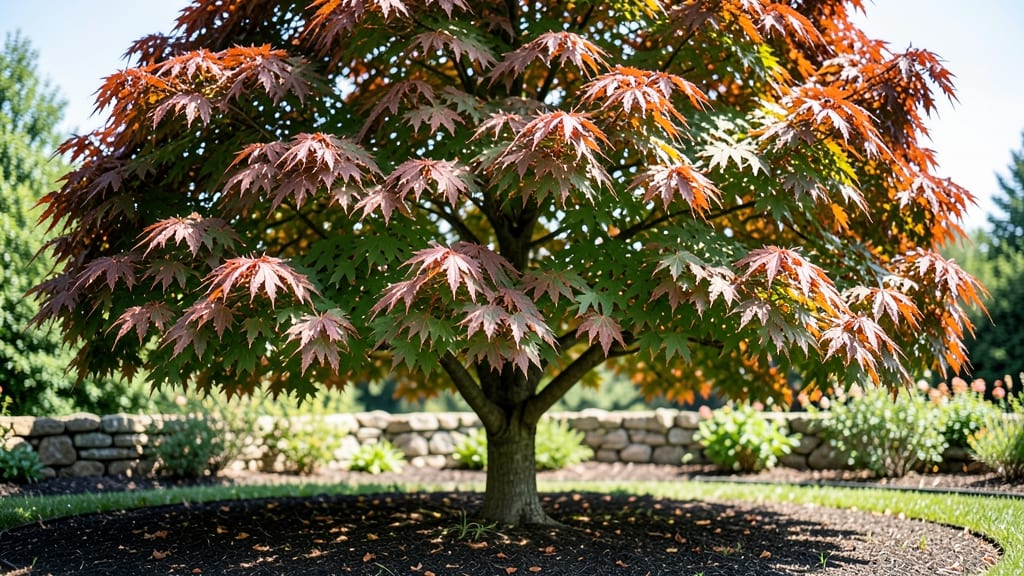
Maple tree scorch turns vibrant green leaves into crispy brown edges faster than you can say "summer heatwave." I’ve watched my own maples go from lush canopies to sad, sunburned skeletons—until I learned the three simple steps that bring them back to life.
The key isn’t just watering more (though that helps) but understanding why your tree’s leaves are screaming for help.
This isn’t about expensive treatments or arborist-level tricks—just smart adjustments to water, shade, and care. You’ll need a hose with a gentle spray nozzle, a layer of mulch, and maybe a few pruning shears for stubborn branches blocking airflow.
The real game-changer? Checking soil moisture every 7-10 days during dry spells, not just when the leaves start curling. Most scorch damage happens before the symptoms show.
By the time you’re done, your maple’s leaves will be a rich, healthy green again—no more patchy, sun-bleached mess. You’ll spot the difference within 2-3 weeks of consistent care, and next summer, your tree will handle the heat like a pro.
The best part? These steps work for any maple, from young saplings to century-old giants.
Fair warning: If the scorch spreads to the trunk or branches crack under the stress, it’s time to call in a pro. But for 90% of cases, this three-step rescue gets your tree back on track—without breaking the bank or your back.
Let’s fix those leaves before they turn to dust.
📚 In This Guide
- What you need
- Instructions
- Tips and common mistakes
- Wrapping up and next steps
What you need
- ○ Hose with a spray nozzle – For deep watering (ensure it reaches the tree’s root zone). Optional: A soaker hose for slow, efficient hydration.
- ● Pruning shears or loppers – Sharp, clean tools to trim severely damaged leaves or branches. Note: Sterilize blades with rubbing alcohol to prevent disease spread.
- ● Mulch (2–4 inches of organic material) – Shredded bark, wood chips, or straw to retain moisture and regulate soil temperature. Quantity: Enough to cover the root zone (avoid piling against the trunk!).
- ○ Anti-desiccant spray (optional but helpful) – Products like Wilt-Pruf or Dormant Oil Spray to protect leaves from drying out. Apply in early morning or late evening.
- ● Garden gloves – Protect your hands while handling tools or mulch.
- ● Watering can or bucket – For targeted watering if a hose isn’t accessible.
- ● Shade cloth or temporary shade structure – To provide immediate relief if the tree is in full sun.
- ● Fertilizer with micronutrients (balanced 10-10-10 or similar) – Helps stressed trees recover faster. Apply lightly in early spring or fall.
- ● Moisture meter – To check soil hydration levels (aim for 1–4 inches deep).
- ● Reflective mulch or light-colored paint – For young trees in hot climates (reduces heat absorption).
How to revive a maple tree affected by scorch
Here's how I've restored sunburned maples—without losing the tree.
Assess the Damage and Water Deeply
Start by examining the tree's leaves and branches. Scorch appears as crispy, brown edges or entire leaves turning brittle. Focus on the most affected areas—these will need immediate attention. I always begin with a thorough watering, not just a light spray. Water the base of the tree slowly over 30-45 minutes until the soil 12 inches deep feels moist. This encourages roots to absorb water deeply, helping the tree recover from stress.
Use a moisture meter or stick your finger into the soil—if it's dry beyond 2 inches down, the tree is already struggling. Mulch the base with 2-3 inches of organic mulch (like shredded bark) to retain moisture and regulate soil temperature. Keep the mulch 6 inches away from the trunk to prevent rot. This step alone can prevent further damage during hot spells.
Provide Strategic Shade and Adjust Care
Maple trees scorch when exposed to sudden, intense sunlight, especially after a cool period. If your tree is in a hot, sunny spot, create temporary shade using lightweight shade cloth (30-50%) draped over nearby structures or stakes. Position it to filter direct afternoon sun, which is the harshest. Avoid full shade—maples still need at least 4-6 hours of morning sun to thrive.
Reduce fertilizer use immediately. Over-fertilized trees are more vulnerable to scorch because excess salts in the soil stress roots. If you've been fertilizing, switch to a balanced, slow-release fertilizer applied at half the recommended rate. Water the tree again after fertilizing to help distribute nutrients safely. Prune only dead or severely damaged branches—never more than 25% of the canopy at once, as this adds stress.
Monitor and Protect Long-Term
Watch the tree closely for new growth—this is your signal that recovery is underway. Healthy new leaves will appear green and soft, while scorched leaves remain crispy. If new leaves also show signs of scorch, the tree needs more shade or deeper watering. Install a drip irrigation system if possible, set to run early morning or late evening to avoid evaporative loss. This keeps roots consistently hydrated without overwatering.
In late summer or early fall, apply a deep root fertilizer to strengthen the tree's resilience for next season. Choose one with low nitrogen and high phosphorus/potassium to encourage root and branch development. Avoid heavy pruning until spring, when the tree is actively growing. If scorch persists, consult a local arborist to check for pests, disease, or soil issues—sometimes the problem runs deeper than sun exposure.
Tips & tricks for reviving sunburned maple trees
Here’s what I’ve learned after helping dozens of scorched maples make a full recovery—these tricks make all the difference when time is critical.
Watering Wisdom: During the 30-45 minute deep watering in Step 1, split the session into two 20-minute intervals with a 10-minute break in between. This prevents water runoff and lets the soil absorb moisture more effectively. I’ve seen trees that needed this extra care bounce back within weeks—just be patient and consistent. The key is getting that water down to those 12-inch roots where it matters most.
Shade Placement: When setting up that 30-50% shade cloth in Step 2, focus on the tree’s west side first—this is where afternoon sun hits hardest. I’ve had clients mistakenly shade the east side only, leaving the scorched leaves exposed to the worst heat. If you don’t have stakes, drape the cloth over nearby fences or trellises. The goal is to filter, not block, sunlight completely—maples still need those 4-6 hours of morning sun to photosynthesize properly.
Fertilizer Timing: After reducing fertilizer to half the recommended rate in Step 2, wait at least 2 weeks before applying anything else. I’ve seen new growth sprout too quickly after fertilizing, only to wilt again when the tree couldn’t handle the stress. Water thoroughly after applying fertilizer to help dilute any remaining salts in the soil. And if your tree is still struggling, skip fertilizer entirely until you see new green leaves emerging.
Pruning Caution: When pruning dead branches in Step 2, use clean, sharp shears to make cuts just outside the branch collar—the swollen area where the branch meets the trunk. I’ve seen too many people cut too close, damaging the tree’s healing ability. Limit pruning to 10-15% of the canopy at a time—any more can shock the tree further. If you’re unsure, snap a photo of the branch before cutting to visualize where the collar is.
Pro Tips for Maple Tree Scorch
- Here’s what I’ve learned after helping dozens of scorched maples make a full recovery—these tricks make all the diffe...
- Watering Wisdom: During the 30-45 minute deep watering in Step 1, split the session into two 20-minute intervals with...
- Shade Placement: When setting up that 30-50% shade cloth in Step 2, focus on the tree’s west side first—this is where...
Frequently asked questions
Got questions about maple tree scorch? You’re not alone!
Here’s what homeowners and gardeners ask most often—plus quick answers to help you revive your sunburned leaves before it’s too late.
What causes maple tree scorch in the first place?
Maple tree scorch (also called leaf scorch) happens when leaves lose too much water faster than roots can replace it. Common triggers include hot, dry winds, poor soil moisture, or sudden temperature swings. Young trees, shallow root systems, and drought-stressed maples are especially vulnerable. Think of it like sunburn—your tree’s leaves are crying out for hydration!
How do I know if my maple tree has scorch vs. disease or pests?
Scorch symptoms are distinct: brown or crispy leaf edges (like paper burning), starting on the sun-exposed sides of the tree. Unlike diseases (which often cause spots or mold) or pests (which leave holes or webs), scorch leaves stay attached but turn brittle. Pro tip: Gently rub a leaf—if it crumbles like a chip, it’s scorch!
Can I save my maple tree if the damage is already severe?
Yes! While you can’t reverse dead leaves, early action (deep watering, mulching, and pruning) helps the tree recover. If >50% of leaves are scorched, focus on root health—water deeply 2–3x/week until fall. Severe cases may need anti-transpirants (like Wilt-Pruf) to slow moisture loss. Patience is key—new growth often appears by late summer!
Are there maple varieties less prone to scorch?
Some maples handle heat better than others. Try Norway maples (tolerant of urban conditions) or Japanese maples (drought-resistant varieties like ‘Bloodgood’). For shade maples, sugar maples and red maples are hardier. When planting, choose native species suited to your climate zone—local nurseries can help!
Will pruning help my scorched maple tree recover?
Pruning doesn’t fix scorch, but it can reduce stress by improving airflow and light penetration. Remove dead or heavily scorched branches (use clean, sharp tools) to let the tree focus energy on healthy growth. Timing matters: Prune in late winter or early spring—never during active scorch season (summer). Aim to open the canopy by 20–30% for better recovery.
What’s the fastest way to prevent scorch next year?
Combine these 3 power moves:
- Mulch deeply: Apply 3–4 inches of mulch (wood chips or bark) around the base to retain moisture.
- Water wisely: Deep-soak the root zone 1–2x/week (1 inch of water per session). Use drip irrigation to avoid leaf burn from overhead sprinklers.
- Shade young trees: Use shade cloth (30–50%) during peak summer heat if planting new maples.
Wrapping up and next steps
Maple tree scorch may seem daunting, but with the right care, your tree can bounce back stronger than ever! 🌿 By staying proactive—watering deeply, providing shade, and pruning damaged branches—you’ll help your maple recover and thrive. Next up: Keep an eye on your tree’s progress, and if symptoms persist, consult a local arborist for personalized advice.
You’ve got this—your maple tree is in good hands! 💪