
Pruning
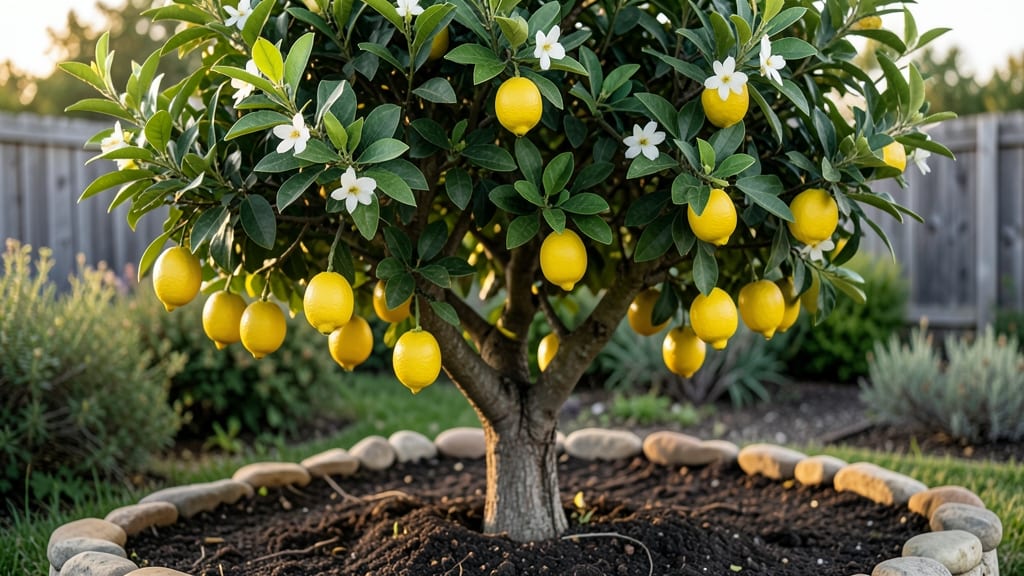
Pruning your Mediterranean lemon tree isn’t just about shaping branches—it’s the secret to year-round health and the sweetest fruit you’ve ever tasted. 🌿 I’ve learned the hard way that skipping this step leads to overcrowded canopies, fewer lemons, and a tree that struggles through winter.
The key is knowing when and how to cut, because one wrong snip can set you back months.
You’ll need sharp pruners, rubbing alcohol for sterilizing cuts, and a clear understanding of your tree’s growth habits. Mediterranean lemons thrive in zones 9-11, but even in colder areas, container-grown trees can be moved indoors for winter.
The real magic happens in late winter when the tree’s dormant—this is when you shape it for airflow and sunlight, which prevents fungal diseases and boosts fruit production.
By summer’s end, you’ll see the results: glossy, vibrant leaves and branches heavy with lemons. The tree stays compact, produces more fruit, and recovers faster from seasonal stress. Even if you’ve pruned wrong before, this method is forgiving—just focus on removing dead wood and opening up the center first.
Whether you’re growing in a sunny California yard or a container on a New York balcony, the principles stay the same. The only difference? Cold climates need extra winter protection, like wrapping the trunk or moving the pot indoors. Let’s get those pruners ready—your tree’s best years are ahead.
📚 In This Guide
- What you need
- Instructions
- Tips and common mistakes
- Wrapping up and next steps
What you need
- ● Pruning shears: Bypass pruners (sharp, sterilized) for small branches (4–6 inches). Pro tip: 💡 Avoid anvil shears—they crush stems, inviting disease.
- ● Loppers: For branches ½–2 inches thick (extendable handles help with reach!).
- ● Hand saw: For thick branches (2+ inches). Choose a curved-tooth saw to prevent tearing.
- ● Gloves: Heavy-duty, cut-resistant (citrus thorns are no joke!).
- ● Disinfectant: 70% isopropyl alcohol or a 10% bleach solution (to sterilize tools between cuts).
- ○ Pruning sealant: Optional but helpful for wounds wider than ½ inch (use a citrus-safe product).
- ● 5-gallon bucket: For collecting clippings (or a tarp if composting).
- ● Weather: Prune on a dry, overcast day (or early morning) to reduce stress on the tree.
- ● Safety gear: Safety glasses (if working overhead) and closed-toe shoes.
- ● Ladder: Sturdy, extendable (for mature trees—never stand on wobbly steps!).
- ● Notebook & pen: To map out cuts and track growth patterns.
- ○ Optional: Pole pruner (for high branches).
- ● Hose (to rinse tools post-pruning).
- ● Citrus fertilizer (apply after heavy pruning to boost recovery).
Step-by-Step guide to pruning Mediterranean lemon trees
Here's how I maintain vibrant, productive lemon trees all year—season by season.
✂️ Step 1: Late Winter Pruning for Spring Growth
Wait until 2-3 weeks after your last frost date when new growth begins—you'll see tiny pink buds forming along branches. This is the ideal time to shape your tree for the growing season ahead. Start by removing dead, diseased, or crossing branches first; these are easy to spot as they're brown, brittle, or growing inward.
Next, cut back overly long branches by one-third to encourage bushier growth. Make clean cuts just above an outward-facing leaf bud using sterilized pruning shears. Avoid leaving stubs—they invite pests and disease. I like to step back every few cuts to visualize the tree's natural shape, ensuring light reaches the center.
☀️ Step 2: Summer Light Management and Bloom Encouragement
During June and July, focus on opening up the canopy to improve airflow and sunlight penetration. Look for shaded interior branches that never produce fruit—they're your targets. Remove up to 25% of the foliage in this season, cutting just above a leaf node where new growth can emerge.
Here's the thing—lemons bloom best with partial shade in summer heat. If your tree is in full sun, prune to create dappled light patterns on the ground below. You'll know you've done well when you see new flower buds forming in late summer. Never prune when flowers are already present—you'll sacrifice next year's harvest.
⏰ Step 3: Post-Harvest Pruning in Early Fall
After your main harvest in September or October, give your tree a light trim to prepare for dormancy. Remove any fruit-bearing branches that are thinner than a pencil—these won't produce well next season. Also cut back suckers (shoots growing from the base) immediately, as they drain energy from your main tree.
This is also when I reduce watering gradually to every 10-14 days (until soil feels dry 2 inches down). The tree will show you it's ready by dropping older leaves—don't panic, this is natural. Prune any yellowing or spotted leaves at this time, as they won't recover and could spread disease.
🌱 Step 4: Minimal Winter Maintenance
Winter pruning is gentle—just remove any dead wood and severely damaged branches. The tree is dormant, so it won't respond well to heavy cuts. Focus on cleaning up around the base, removing fallen leaves and debris where pests might overwinter.
I like to apply a 2-inch layer of mulch (using the organic matter we have) around the base but keep it 6 inches away from the trunk. This protects roots from freezing temperatures. Watch for new growth in late winter—if you see any, hold off on pruning until spring.
Tips & tricks for pruning Mediterranean lemon trees
Here's what nobody tells you about keeping your lemon tree thriving through all four seasons.
Tool Prep: Sterilize your pruning shears with rubbing alcohol between cuts—especially in Step 1 when removing dead branches. I learned this the hard way after losing a tree to fungal spread. A quick wipe between cuts prevents cross-contamination. The same goes for your hands—wash them with soapy water before and after pruning to avoid transferring diseases between branches.
Visual Cues for Step 1: When cutting back overly long branches by one-third in late winter, look for the point where the branch naturally narrows to about half its diameter. This is your visual cue—it's where the branch will sprout new growth most vigorously. Think of it as creating "fingers" on your tree's "hand" to maximize sunlight exposure.
Summer Pruning Strategy: During June and July, focus on removing branches that cast shade onto other branches. These are the ones that never bear fruit because they're starved of sunlight. I like to step back and look at my tree from all angles—if I can't see the center through the canopy, those are the branches that need to go. This creates that perfect dappled light pattern that Mediterranean lemon trees love.
Fall Disease Prevention: In Step 3, when you're removing yellowing or spotted leaves, don't just toss them on the ground. Instead, bag them up and dispose of them in your yard waste. Those leaves might be carrying fungal spores that could reinfect your tree. I also like to spray the cuts with a copper fungicide solution (optional) to create an extra barrier against infection during dormancy.
Pro Tips for Mediterranean Lemon Tree
- Here's what nobody tells you about keeping your lemon tree thriving through all four seasons.
- Tool Prep: Sterilize your pruning shears with rubbing alcohol between cuts—especially in Step 1 when removing dead br...
- Visual Cues for Step 1: When cutting back overly long branches by one-third in late winter, look for the point where ...
Frequently asked questions
Got questions about pruning your Mediterranean lemon tree?
Here are answers to the most common concerns—whether you're a newbie or a seasoned citrus grower.
When is the best time to prune a Mediterranean lemon tree?
The ideal time is late winter to early spring (before new growth starts), but you can also prune lightly after harvest (summer/fall) to shape the tree. Avoid heavy pruning in hot, dry months—it stresses the plant. Pro tip: Prune on a cloudy day to reduce sunburn risk on exposed branches.
How much can I prune without harming the tree?
Never remove more than 25-30% of the canopy in one session. Mediterranean lemon trees are resilient, but aggressive pruning can reduce fruit yield. Focus on dead, crossing, or overcrowded branches first. Warning: Over-pruning weakens the tree’s energy reserves, delaying recovery and fruit production.
What should I do if my lemon tree gets pests after pruning?
Pruning opens the tree to pests like aphids, scale, or spider mites. Inspect cuts for damage and treat with neem oil or insecticidal soap. For severe infestations, prune infested branches immediately and dispose of them (don’t compost!). Preventative tip: Sterilize pruners with rubbing alcohol between cuts to avoid spreading disease.
Will pruning reduce my lemon harvest?
Not if done correctly! Pruning increases airflow and sunlight, which boosts fruit quality and yield long-term. However, heavy pruning right before flowering (late winter) may temporarily reduce blossoms. Balance harvest goals with structural needs—prioritize fruit-bearing branches when shaping.
Can I prune a Mediterranean lemon tree in containers?
Yes! Container-grown trees need more frequent pruning (every 6–12 months) due to limited root space. Use smaller, sharper tools and prune to encourage outward growth (avoid "top-heavy" shapes). Key tip: Repot every 2–3 years to refresh soil and support new growth after pruning.
| Quick Reference | Do | Don’t |
|---|---|---|
| Timing | Late winter/early spring; light summer shaping | Prune during peak heat or frost |
| Tools | Sterilized bypass pruners, sharp saw for thick branches | Dull tools (cause tears, invite disease) |
| Aftercare | Water deeply; fertilize with citrus-specific blend | Over-fertilize post-prune (burns roots) |
Wrapping up and next steps
Growing a thriving Mediterranean lemon tree is all about balance—timing your pruning cuts to match the seasons while keeping an eye on its health and productivity. Whether you’re shaping its growth, boosting fruit yield, or preventing disease, seasonal precision is your secret weapon.
With the right tools, techniques, and a little patience, you’ll enjoy a bountiful harvest and a stunning centerpiece for years to come! 🌿✨
Ready to take the next step? Start small—pick one season to focus on first, like winter’s restorative cuts or summer’s light trimming. Before you know it, your lemon tree will be flourishing, and you’ll be the proud gardener of Mediterranean sunshine in your own backyard. Happy pruning!