
Trees
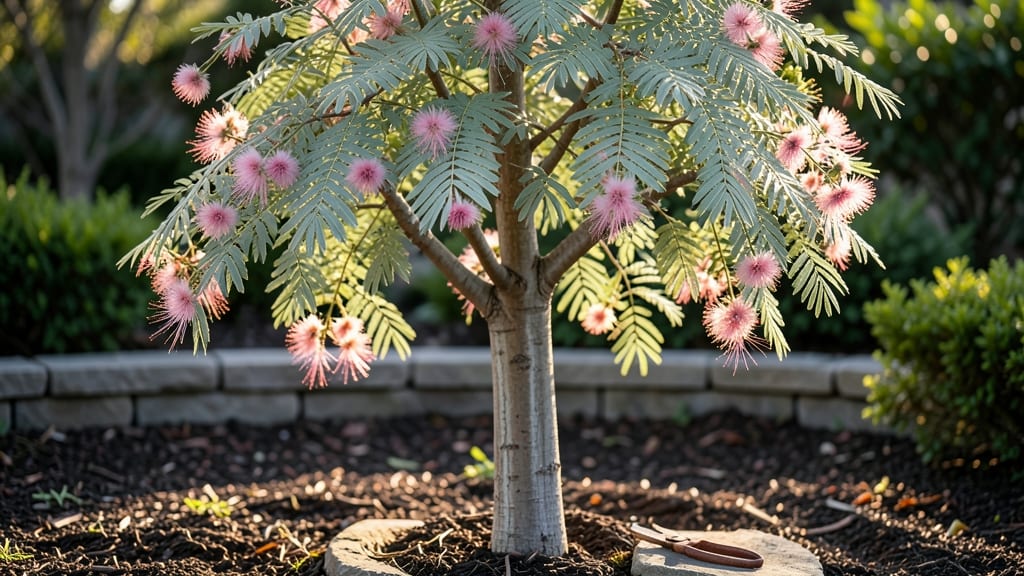
Mimosa trees in Florida thrive where others wilt—drenching heat, hurricane-force winds, and sandy soil don’t stand a chance against their resilience. 🌿 I planted mine in Orlando last summer, and within months, it became the fastest-growing shade tree in the neighborhood, its delicate pink blooms standing out against the summer green.
The key isn’t just heat tolerance; it’s how they bounce back after storms, dropping leaves to avoid damage and sprouting new ones faster than you can say "tropical downpour."
Florida’s sandy soils and alkaline water might seem like a recipe for failure, but mimosas love both—just add a little organic matter at planting to get them off to a strong start.
They’ll grow in full sun or partial shade, though their signature blooms appear most reliably when they get at least six hours of direct sunlight daily. Watering’s simple too: deep soakings once a week after establishment, and they’ll handle drought better than most native trees.
What you’ll end up with is a tree that’s equal parts ornamental and practical—shade in summer, winter interest from its unique bark, and those iconic cloud-like flowers that attract pollinators by the dozen.
Prune lightly to maintain shape, and you’ll have a low-maintenance centerpiece that outshines anything from a nursery. The best part? It’s hurricane-hardy, so you won’t be replanting after every storm.
From Miami’s coastal heat to Orlando’s inland humidity, these trees adapt effortlessly. Just avoid planting near power lines—they grow fast, and their branches can get heavy.
With the right spot, your mimosa will reward you with years of effortless beauty and shade, proving that Florida’s climate isn’t a limitation, but an opportunity for the right plants.
📚 In This Guide
- What you need
- Instructions
- Tips and common mistakes
- Wrapping up and next steps
What you need
- ● Mimosa tree saplings or seeds: 1–3 Albizia julibrissin (mimosa) saplings (for quick growth) OR
- ● Seeds (if starting from scratch—germination takes patience!)
- ● Well-draining soil: Mix 1 part native Florida soil with 1 part compost (or potting mix for containers). Mimosa trees thrive in slightly acidic to neutral soil (pH 6.0–7.5).
- ● Organic mulch: Pine bark or wood chips (2–3 inches thick) to retain moisture and regulate soil temperature.
- ○ Fertilizer (optional but helpful): Slow-release balanced fertilizer (10-10-10) or a phosphorus-rich option (e.g., 5-10-10) to encourage root and bloom growth.
- ● Micronutrients: Epsom salt (magnesium sulfate) for vibrant foliage (1 tbsp per gallon of water, applied monthly).
- ● Hand trowel or shovel (for digging holes 2–3 times wider than the root ball).
- ● Garden gloves (to protect from thorns and rough bark).
- ● Watering can or hose with a gentle spray nozzle (mimosa trees need 1–1.5 inches of water per week, especially in Florida’s heat).
- ● Pruning shears (for shaping and removing dead branches—sterilize with rubbing alcohol between cuts!).
- ○ Staking (optional): 2–3 bamboo stakes + soft ties if planting in windy areas (young trees are delicate!).
- ○ Container (optional): A 5-gallon or larger pot with drainage holes if growing mimosa in a patio or urban setting.
- ● Sunlight: A full-sun spot (6+ hours of direct light daily)—Florida’s climate is perfect for mimosa trees!
- ● Space: Mimosa trees can grow 20–30 feet tall and wide—ensure 15+ feet of clearance from structures, power lines, or sidewalks.
- ● Thorn awareness: Mimosa trees have sharp thorns—plan planting areas away from high-traffic zones or play areas.
- ● Pest control (preventative): Neem oil spray (for aphids or spider mites).
- ● Beneficial nematodes (to deter grubs in the soil).
Step-by-step guide for planting mimosa trees in Florida
Here’s how to get these sun-loving beauties established fast in Florida’s climate.
🌱 Step 1: Choose the Right Planting Location
Mimosa trees thrive in full sun—pick a spot with at least 6-8 hours of direct sunlight daily. Florida’s intense heat actually helps them, but avoid areas with afternoon shade or wind exposure, which can stress young plants. I always test the spot by observing how much sun it gets over a week before planting.
Check the soil drainage by digging a small hole—if water pools after 30 minutes, amend the soil with 2-3 inches of coarse sand or garden compost to improve drainage. Mimosa roots hate soggy feet, and Florida’s humid climate can turn heavy soil into a breeding ground for root rot.
🪴 Step 2: Plant at the Correct Depth and Spacing
Dig a hole twice as wide as the root ball but only as deep as the container’s base. This prevents burying the trunk too deeply, which can suffocate the roots. Gently loosen the roots if they’re circling in the pot—just tease them apart with your fingers, no need to force it.
Place the tree in the hole and backfill with native soil, pressing lightly to remove air pockets. For 4 mimosa trees, space them 12-15 feet apart to allow for their mature spread. Water deeply right after planting to settle the soil around the roots—you’ll see the ground firm up slightly as moisture absorbs.
☀️ Step 3: Water and Mulch for Florida’s Heat
Water deeply once a week for the first month, ensuring the soil stays 2-3 inches moist below the surface. Mimosa trees are drought-tolerant once established, but young roots need consistent moisture. I use a 5-gallon watering can to soak the base slowly—avoid overhead watering, which can encourage fungal issues in Florida’s humidity.
Apply 2-3 inches of mulch (like pine straw or wood chips) around the base, keeping it 3 inches away from the trunk. Mulch helps retain moisture and keeps roots cool during Florida’s scorching summers. Replenish mulch as it breaks down, but never let it pile up against the trunk—this can trap moisture and cause rot.
✂️ Step 4: Prune for Shape and Health
Prune mimosa trees in late winter or early spring before new growth begins. Remove any dead, damaged, or crossing branches first—these can harbor pests or diseases. I always sterilize my pruners with rubbing alcohol between cuts to prevent spreading anything.
Shape the tree by cutting back overly long branches to encourage bushier growth. Mimosa trees naturally grow leggy, so pruning helps maintain a compact form. Avoid heavy pruning in summer, as this can stress the tree during Florida’s peak heat.
Tips & tricks for planting mimosa trees in Florida
Here's what I've learned from years of growing these tough beauties in Florida's intense sun.
Sunlight Strategy: Mimosa trees need that full sun, but Florida's afternoon heat can be brutal. If you notice leaves curling or wilting after 2 PM, it's a sign they're struggling with the intensity. I've found that planting near a building or fence that provides afternoon shade during the hottest months can make all the difference without sacrificing the full sun requirement.
Soil Test Tip: Before amending your soil, do a quick test by digging down 6 inches and squeezing a handful. If it stays clumped together, you definitely need that 2-3 inches of coarse sand or compost. I've seen mimosa roots rot in heavy Florida clay within weeks if not amended properly—don't skip this step, even if your soil looks fine at first glance.
Watering Wisdom: That first month of weekly deep watering is critical. I use my 5-gallon watering can to check moisture levels—if the soil stays dry 2-3 inches down after a week, you're not watering deeply enough. In Florida's heat, you'll notice the soil surface dry out quickly, but the roots need that consistent moisture below the surface to establish properly.
Pruning Precision: When shaping your mimosa in late winter, look for branches that are growing toward the center of the tree. These will compete for sunlight and can create weak, spindly growth. I always make my cuts just above a leaf node where new growth can emerge, and I never remove more than 25% of the tree's foliage in one session—this keeps the tree healthy through Florida's summer stress.
Pro Tips for Mimosa Trees In Florida
- Here's what I've learned from years of growing these tough beauties in Florida's intense sun.
- Sunlight Strategy: Mimosa trees need that full sun, but Florida's afternoon heat can be brutal.
- Soil Test Tip: Before amending your soil, do a quick test by digging down 6 inches and squeezing a handful.
Frequently asked questions
Got questions about growing mimosa trees in Florida’s sunshine? We’ve got answers!
Whether you’re curious about care, timing, or troubleshooting, here’s what Floridians need to know to keep their mimosa trees thriving.
Are mimosa trees invasive in Florida?
Yes, mimosa trees (Albizia julibrissin) are considered invasive in Florida due to their aggressive spread and ability to outcompete native plants. They can disrupt local ecosystems, so check with Florida’s Invasive Species Council before planting. Opt for native alternatives like Acacia species if you want similar beauty without the ecological risks.
When is the best time to plant mimosa trees in Florida?
The ideal time to plant mimosa trees in Florida is during the cooler months—late fall (November–December) or early spring (February–March). Avoid planting in peak summer heat (June–August), as young trees struggle with transplant shock and drought. Mulch well and water deeply to help them establish roots.
How do I protect mimosa trees from Florida’s extreme heat and humidity?
Mimosa trees tolerate heat but benefit from regular watering (1–2 inches per week) and morning shade during their first year. Prune leggy branches in late winter to encourage bushier growth and improve airflow. Watch for spider mites or scale insects—common pests in humid climates—and treat with neem oil if needed.
Can mimosa trees grow in sandy Florida soil?
Yes! Mimosa trees adapt well to Florida’s sandy, well-draining soil, but they thrive even better in slightly acidic to neutral soil (pH 6.0–7.0). Amend heavy clay areas with compost or organic matter to improve drainage. Avoid waterlogged spots, as soggy soil can lead to root rot. Test your soil for free at your local UF/IFAS Extension office for tailored tips.
Why are my mimosa tree leaves yellowing or dropping?
Yellowing leaves (chlorosis) often signal iron deficiency or overwatering. Mimosa trees prefer moderate moisture—let the top 2 inches of soil dry out between waterings. If soil pH is too high (alkaline), iron becomes unavailable. Test your soil and apply chelated iron if needed. Brown, crispy leaves? That’s likely heat stress—provide afternoon shade temporarily.
What are good native alternatives to mimosa trees in Florida?
If you love mimosa’s pink puffball flowers but want native options, consider:
- Florida Royal Poinciana (Delonix regia) – Drought-tolerant with vibrant orange blooms.
- Eastern Redbud (Cercis canadensis) – Small tree with spring pink flowers and heart-shaped leaves.
- Sabal Palm (Sabal palmetto) – Classic Florida native with year-round interest.
- Firebush (Hamelia patens) – Hummingbird magnet with red-orange flowers.
Wrapping up and next steps
Mimosa trees bring vibrant beauty and resilience to Florida’s sunny landscapes, thriving effortlessly where others falter. Whether you're drawn to their delicate blooms, fast growth, or low-maintenance charm, these trees are a fantastic addition to your yard. 🌿
Ready to welcome one into your outdoor space? Start by researching the best variety for your climate—like the Albizia julibrissin—and gather the essential tools.
Then, plant with confidence, knowing you’re nurturing a tree that will reward you with shade, color, and joy for years to come! Your next step? Sketch a planting plan or reach out to a local nursery for expert advice.