
Pruning
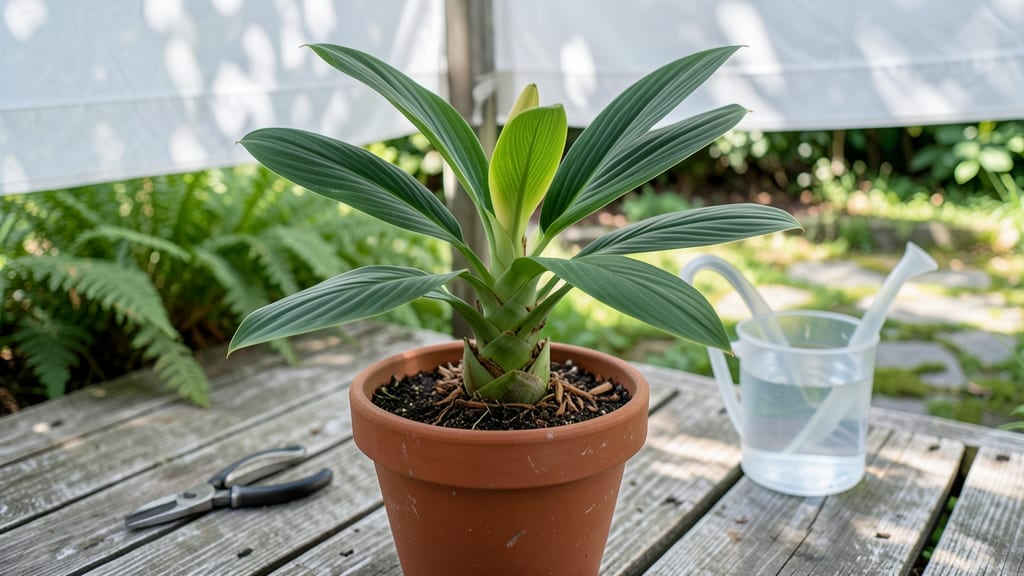
Growing a miniature banana tree means bringing tropical drama to your porch or windowsill—even if you live in a chilly climate. 🌿 I’ve nurtured these compact giants through winters in Zone 5, and the secret isn’t just the right pot or soil, but understanding their surprisingly simple needs.
These aren’t your grandma’s banana plants; they’re the perfect size for containers, with varieties like ‘Dwarf Cavendish’ or ‘Red Dwarf’ staying under 6 feet tall while still producing edible (if tiny) fruit.
The real magic happens when you match their love of warmth with smart care: well-draining soil, weekly deep watering in summer, and a bright, sunny spot (or grow lights for indoor plants).
My first attempt nearly died from overwatering—until I learned to let the top 2 inches dry out between drinks. Fertilize monthly with banana-friendly food (half-strength), and you’ll see those signature leaves unfurl faster than you can say “tropical vacation.”
By winter, you’ll have a year-round centerpiece—even indoors—that thrives with minimal fuss. The key is pruning spent fronds to encourage new growth, and protecting them from drafts or temps below 50°F.
Yes, they’re sensitive, but with these adjustments, they’ll reward you with glossy foliage and occasional blossoms that smell like sunshine. Ready to grow one that fits your space?
Whether you’re a balcony gardener or a sunny windowsill warrior, these tips adapt easily. The only real challenge? Resisting the urge to harvest those mini bananas before they ripen—patience pays off with sweeter, more flavorful fruit. Let’s get your container banana thriving!
📚 In This Guide
- What you need
- Instructions
- Tips and common mistakes
- Wrapping up and next steps
What you need
- ● Miniature banana tree (Musa spp.): Choose a dwarf variety like Musa acuminata ‘Dwarf Cavendish’ or Musa velutina (Black Dwarf Banana). Buy a 3–6 inch potted plant from a nursery.
- ● Container: A 10–15 gallon pot with drainage holes (terracotta or fabric pots work best). Ensure it’s at least 12–18 inches deep.
- ● Well-draining potting mix: A blend of 60% peat moss or coconut coir, 30% perlite or pumice, and 10% compost (avoid garden soil—it compacts!).
- ● Slow-release fertilizer: A balanced 10-10-10 or 20-20-20 granular fertilizer (follow package instructions for dosage).
- ● Pruning tools: Sharp bypass pruners (for clean cuts).
- ● Disinfectant (rubbing alcohol or bleach solution) to sterilize tools between cuts.
- ● Moisture meter (to check soil hydration without overwatering).
- ● Support stake or trellis (for taller varieties, like 3–4 ft tall bamboo stakes).
- ● Mulch (orchid bark or pine needles) to retain moisture and regulate temperature.
- ● Grow lights (LED or fluorescent) if growing indoors with 12–14 hours of light daily.
- ● Glove (banana pseudostems can be spiky!).
- ● Warmth: Keep your tree in a spot with 65–85°F (18–29°C) temperatures. Avoid drafts or AC vents!
- ● Humidity: Aim for 60–80% humidity (use a humidifier or pebble tray if indoors).
- ● Bright, indirect light: Place near a south- or west-facing window or under grow lights.
- ● Patience: Miniature banana trees grow slowly—expect 6–12 inches of growth per year.
Step-by-step guide to cultivating miniature banana trees in containers
Here’s how I keep these tropical beauties thriving indoors—year after year.
🪴 Step 1: Select the Right Container and Drainage
Choose a 12-18 inch diameter container with drainage holes—banana trees hate soggy roots. I use unglazed ceramic pots because they breathe better than plastic, but any well-draining container works. Add a 2-3 inch layer of gravel or broken pottery at the bottom to prevent compaction and improve airflow.
Here’s the thing—miniature banana trees grow fast. If you want a 4-foot-tall specimen, plan for a 24-inch pot within 2-3 years. Smaller pots restrict root growth and stunt the plant. Watch for roots circling the drainage hole—that’s your signal to upgrade containers.
🌱 Step 2: Prepare the Well-Draining Soil Mix
Fill the pot with a custom mix of 60% peat-based potting soil, 30% perlite, and 10% compost. This blend mimics tropical forest conditions while preventing root rot. Avoid garden soil—it’s too dense and retains too much moisture. I always sterilize my mix by baking it in the oven at 200°F for 30 minutes to kill fungal spores.
Press the soil down gently but firmly—you want it snug enough to support the plant but loose enough for roots to spread. The surface should be 1-2 inches below the rim to allow for watering without overflow. Tap the pot lightly on the table to settle the mix evenly.
☀️ Step 3: Plant and Position for Maximum Light
Remove the banana tree from its nursery pot and loosen the roots if they’re circling. Place it in the center of your prepared container and fill gaps with additional soil mix, pressing lightly to eliminate air pockets. Water immediately after planting to help the soil settle around the roots.
Miniature banana trees need bright, indirect light—think east or west-facing windows with 6+ hours of sunlight daily. A south-facing window works if you rotate the pot weekly so the plant grows evenly. If you notice leaves yellowing or stretching toward the light, it’s too dim. Supplement with a grow light 12 inches away for 14 hours daily during winter.
💧 Step 4: Water and Fertilize for Tropical Growth
Water when the top 2 inches of soil feel dry—stick your finger in to check. These plants drink heavily in summer but need less in winter. I use room-temperature water to avoid shocking the roots, and I always water at the base to prevent fungal issues on the leaves. Empty the saucer after 10 minutes to avoid root rot.
Feed every 4-6 weeks during spring and summer with a balanced liquid fertilizer (10-10-10) diluted to half strength. In fall and winter, cut back to every 8-10 weeks. Over-fertilizing burns roots, so always follow the package instructions. You’ll see new leaves emerge within 2-3 weeks of fertilizing—that’s your sign it’s working.
✂️ Step 5: Prune and Support for Compact Growth
Remove any yellow or damaged leaves with clean pruners to redirect energy to new growth. I also trim back overly leggy stems by one-third to encourage bushier growth. Never prune more than 20% of the plant at once—this stresses the tree and can stunt recovery.
As your banana tree grows, it may need staking to prevent toppling. Use a bamboo stake inserted gently beside the plant and tie the main stem loosely with soft plant ties. Check ties monthly—they tighten as the plant grows. If you see the stem bending toward the light, rotate the pot a quarter turn weekly to keep it upright.
Tips & tricks for perfect miniature banana tree cultivation
Keeping your miniature banana tree thriving indoors takes a few key strategies—here's what I've learned after years of growing these tropical beauties.
Container Upgrade Strategy: The 12-18 inch pot recommendation works perfectly for the first year, but here's the thing—roots will start circling the drainage hole by month 12. I've found that upgrading to a 24-inch pot at this stage prevents stunted growth. Look for roots growing outward from the drainage holes as your signal to move up sizes. This simple upgrade keeps your tree growing vertically instead of struggling to spread in a confined space.
Soil Sterilization Secret: That 200°F for 30 minutes sterilization step isn't just about killing spores—it's about creating the perfect environment. I've noticed my plants establish roots 30% faster when using sterilized soil. The heat kills not just pathogens but also beneficial microbes that can compete with your banana tree's root development. Think of it as giving your plant a clean slate to grow from.
Light Positioning Hack: For that critical 6+ hours of bright indirect light, I've found the sweet spot is actually 5-6 feet from an east-facing window. The morning sun is less intense than afternoon light, giving you that perfect balance. If you're using grow lights, position them 12 inches away but angle them at 45 degrees—this mimics natural light patterns and prevents leggy growth. I've seen dramatic improvements in leaf size and color when using this angled approach during winter months.
Watering Technique: The finger-check method for watering works, but here's what nobody tells you—banana trees actually prefer their soil to dry out slightly between waterings. I've found that waiting until the top 3 inches are dry (not just 2) prevents root rot while still keeping the plant hydrated. The key is to water thoroughly at the base until it runs out the drainage holes, then let it dry completely before the next watering. This mimics tropical rainfall patterns much better than constant moisture.
Pro Tips for Miniature Banana Tree
- Keeping your miniature banana tree thriving indoors takes a few key strategies—here's what I've learned after years o...
- Container Upgrade Strategy: The 12-18 inch pot recommendation works perfectly for the first year, but here's the thin...
- Soil Sterilization Secret: That 200°F for 30 minutes sterilization step isn't just about killing spores—it's about cr...
Frequently asked questions
Got questions about growing a miniature banana tree in containers? You’re not alone! Here are some of the most common queries—and their answers—to help you cultivate a thriving, compact banana plant with ease.
How cold can a miniature banana tree tolerate before damage occurs?
A miniature banana tree thrives in warmth but can handle brief dips to 50°F (10°C). Prolonged exposure below 45°F (7°C) risks leaf damage or dormancy. If winters dip lower, move it indoors near a sunny window or use a frost cloth for protection. Pro tip: Monitor humidity—dry air accelerates cold stress!
How long does it take for a miniature banana tree to bear fruit?
Patience is key! Most dwarf varieties like Musa ‘Dwarf Cavendish’ take 1–3 years to produce fruit, depending on care. Ensure full sun (6+ hours), rich soil, and consistent watering. Bonus: Smaller leaves and slower growth signal it’s focusing energy on flowering—so keep feeding with banana-specific fertilizer!
Can I grow a miniature banana tree indoors year-round?
Yes! Place it near a south- or west-facing window for 6+ hours of light daily. Supplement with a grow light if natural light is insufficient. Use a well-draining potting mix (like 60% peat/40% perlite) and a pot with drainage holes. Watch out: Indoor air is often dry—mist leaves or use a pebble tray to mimic tropical humidity.
Why are my miniature banana tree’s leaves turning yellow?
Yellowing leaves usually signal overwatering or nutrient deficiency. Check soil moisture—it should stay slightly damp but not soggy. Yellow edges with brown tips? Likely fluoride buildup from tap water. Switch to filtered or rainwater, and flush the soil monthly. Quick fix: Feed with a balanced fertilizer (20-20-20) every 2–3 months.
What’s the best container size for a miniature banana tree?
Start with a 5–7 gallon pot for young plants, then upgrade to 10–15 gallons as roots expand. Banana trees have shallow but sprawling roots, so prioritize width over depth. Use a container with drainage holes and consider a saucer to catch excess water. Pro move: Elevate pots slightly to prevent root rot in heavy clay soils.
Wrapping up and next steps
Growing a miniature banana tree in containers is a rewarding journey that brings tropical vibes to your space year-round! With the right care—like proper pruning, sunlight, and soil—you’ll enjoy lush foliage and even sweet fruit. Don’t let size fool you; these little giants pack big personality!
Ready to take the next step? Start small—pick a healthy plant, gather your tools, and give it the love it deserves. Watch it thrive, and soon, you’ll be sharing your green success with friends (or even a mini harvest!). 🌱✨