
Pruning
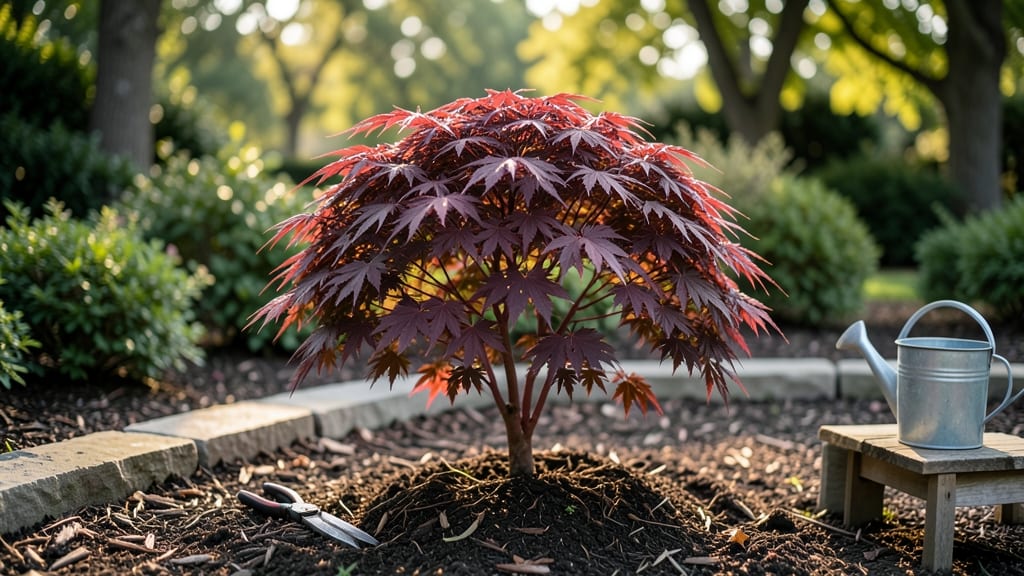
Growing a miniature Japanese maple tree in your garden is like cultivating a living piece of art—delicate, elegant, and full of character. These tiny powerhouses thrive in containers, making them perfect for patios, balconies, or even windowsills where space is limited.
My first 'Little Princess' started as a 6-inch sapling and now cascades beautifully over a terracotta pot, its vibrant foliage turning fiery red in fall.
The secret to their success lies in well-draining soil and partial shade—they hate soggy roots and scorching sun. I mix equal parts potting soil, perlite, and compost for the perfect foundation, and keep them in a spot with morning sunlight and afternoon shade.
Watering is gentle but consistent; let the top inch dry out between drinks, and avoid wetting the leaves to prevent fungal issues.
Pruning isn’t just about shaping—it’s about encouraging that bonsai-style growth you love. Pinch back new growth in spring to promote bushiness, and trim leggy branches in late winter.
With the right care, your tree will reward you with lush, glossy leaves and seasonal color shifts that make neighbors stop and stare. The payoff? A tree that fits anywhere but feels like a forest retreat.
Winter protection is key, especially in colder zones. Wrap containers in burlap or move them to a sheltered spot, and mulch the soil to insulate roots.
Even in small spaces, these trees become the star of the show—year-round interest with minimal fuss. Ready to grow one that steals the scene?
📚 In This Guide
- What you need
- Instructions
- Tips and common mistakes
- Wrapping up and next steps
What you need
- ● Miniature Japanese Maple Seedling or Sapling: Age: 2–5 years old (younger trees adapt better to bonsai styling).
- ● Size: 6–12 inches tall (smaller = easier to shape!).
- ● Pro tip: Look for varieties like Acer palmatum ‘Bloodgood’ or ‘Emperor I’ for vibrant colors!
- ● Bonsai Pot: Size: 4–8 inches in diameter (shallow but well-draining).
- ● Material: Unglazed clay or ceramic (prevents root rot).
- ● Quantity: 1 (or 2 for layering techniques).
- ● Well-Draining Soil Mix: 50% akadama (Japanese bonsai soil).
- ● 30% pumice or perlite (for aeration).
- ● 20% peat moss or organic compost.
- ● Quantity: ~2–3 gallons (depends on pot size).
- ● Pruning Tools: Concave bonsai scissors (for clean cuts).
- ● Fine-tip branch cutters (for delicate trimming).
- ● Root hook or chopsticks (for soil aeration).
- ● Wire (Aluminum or Copper): Gauge: 1–2mm (thinner for small branches, thicker for trunks).
- ● Quantity: ~10–20 feet (cut to size as needed).
- ● Misting Bottle or Sprinkler: For humidity control (especially in dry climates).
- ● Balanced Fertilizer: Type: Slow-release or liquid (e.g., 10-10-10 NPK ratio).
- ● Frequency: Every 4–6 weeks during growing season.
- ● Bonsai Display Stand: Elevates your tree for aesthetics and airflow.
- ● Humidity Tray: Keeps roots moist in arid conditions (pebbles + water).
- ● Grafting Tools: If you plan to clone or graft branches later.
- ● Tree Stakes or Clips: Temporary support for new growth.
- ● Epsom Salt: Boosts magnesium (great for yellowing leaves).
Step-by-Step guide to cultivating a miniature Japanese maple
Here’s how to coax a delicate, bonsai-style Japanese maple into thriving miniature form.
Select and Prepare the Right Container
Choose a shallow, wide container with drainage holes—12-18 inches in diameter works for a 4-inch-tall tree. I prefer unglazed ceramic or clay because it breathes and mimics natural soil conditions. The container should be no deeper than 6 inches, as Japanese maples develop shallow root systems in nature.
Fill the bottom 1 inch with small gravel or coarse sand to ensure proper drainage. This prevents root rot, which is the #1 killer of miniature maples. Tap the container gently to settle the layer before adding soil. The goal is to create a well-aerated base that allows excess water to escape while retaining moisture for the roots.
Use a Light, Well-Draining Soil Mix
Japanese maples demand fast-draining, slightly acidic soil (pH 5.5-6.5). Mix 50% premium potting soil with 30% akadama clay (a Japanese bonsai soil component) and 20% perlite or pumice. This blend retains moisture without compacting, which is critical for miniature trees.
Fill the container ¾ full, leaving room for the root ball. Press the soil down lightly—just enough to remove air pockets but not compact it. The surface should feel firm yet crumbly, like a damp sponge. Overpacking suffocates roots, while loose soil won’t support the tree’s delicate structure.
Plant and Position for Optimal Growth
Remove the maple from its nursery pot and loosen the roots gently with your fingers. If roots are circling, trim them with sterilized scissors to encourage outward growth. Place the tree in the center of the container, ensuring the root flare (where roots meet the trunk) sits just above soil level. This prevents rot and mimics natural growth patterns.
Backfill with soil, pressing lightly around the edges to eliminate gaps. Water thoroughly until it drains from the bottom holes, then let it sit for 10-15 minutes to settle. Position the tree in dappled shade (morning sun, afternoon shade) for the first 2 weeks. Direct sunlight will scorch the delicate leaves, while full shade weakens growth.
Prune and Train for Miniature Form
Use clean, sharp bonsai shears to prune new growth in early summer, cutting back to just above a leaf node. This encourages branching and a bushier form. For wiring (a common bonsai technique), wrap copper or aluminum wire around branches gently—never too tight, or it’ll scar the bark. Remove wire after 3-6 months to avoid permanent damage.
Rotate the container quarter-turn weekly so the tree grows evenly toward the light. If a branch grows too long, pinch it back to ½ inch above a leaf. This redirects energy into denser foliage. Watch for yellowing leaves—a sign of overwatering or poor drainage—and adjust care immediately.
Maintain Year-Round Care for Long-Term Health
Water when the top inch of soil feels dry, using lukewarm water to avoid shocking the roots. In winter, reduce watering to every 2-3 weeks, as the tree enters dormancy. Fertilize monthly in spring/summer with a balanced 10-10-10 liquid fertilizer, diluted to half strength. Over-fertilizing burns roots, so less is always better.
Watch for aphids or spider mites, which love tender maple leaves. Spray with neem oil solution (1 tsp per quart of water) at the first sign of pests. In late fall, reduce watering and move the tree to a cool, shaded spot (50-60°F) until spring. This mimics seasonal changes and keeps the tree healthy for years.
Tips & tricks for perfect miniature Japanese maple cultivation
These subtle adjustments can transform your bonsai-style maple from struggling sapling to thriving miniature masterpiece.
Container Selection Strategy: While unglazed ceramic or clay is ideal, don't dismiss plastic containers entirely. If using plastic, choose one with multiple drainage holes drilled in the bottom—just be prepared to replace it every 2-3 years as plastic degrades and can harbor pathogens. The 12-18 inch diameter range works perfectly for a 4-inch tree, but if you're working with a slightly taller specimen, opt for the larger end of this spectrum to accommodate future growth without root binding.
Soil Mix Mastery: The 50-30-20 soil blend is non-negotiable for proper drainage, but here's what nobody tells you about akadama clay: it breaks down over time, so refresh your mix annually by adding 10% new akadama. When pressing the soil lightly in Step 2, think "firm yet crumbly"—if you can easily poke your finger through, you've gone too loose. This texture balance prevents both compaction and excessive drying between waterings.
Root Care During Transplanting: When loosening roots in Step 3, be particularly gentle with the root flare—the thickest part where roots meet trunk. This area is most susceptible to damage, and injury here can take years to heal. If you notice any dark, mushy roots during transplanting, trim them immediately with sterilized scissors—they're already compromised and will only spread rot. The 10-15 minute settling period after initial watering is crucial for allowing air pockets to fully dissipate.
Seasonal Light Adjustments: The initial 2-week dappled shade requirement is critical, but don't stop monitoring light exposure after that period. In summer, when temperatures exceed 80°F, move your tree to morning shade only—afternoon sun becomes too intense. Conversely, in winter when days are shorter, supplement with a grow light for 4-6 hours daily to maintain photosynthesis without risking heat stress.
Pro Tips for Miniature Japanese Maple Tree
- These subtle adjustments can transform your bonsai-style maple from struggling sapling to thriving miniature masterpiece.
- Container Selection Strategy: While unglazed ceramic or clay is ideal, don't dismiss plastic containers entirely.
- Soil Mix Mastery: The 50-30-20 soil blend is non-negotiable for proper drainage, but here's what nobody tells you about akadama clay: it breaks down over time, so refresh your mix annually by adding 10% new akadama.
Frequently asked questions
Got questions about growing a miniature Japanese maple tree?
You’re not alone! Here are answers to the most common queries—from pruning tips to care hacks—to help you nurture your tiny masterpiece with confidence.
How often should I prune my miniature Japanese maple?
Prune your miniature Japanese maple 2–3 times a year: once in late winter/early spring (before new growth), again in summer (to shape and encourage branching), and lightly in fall (to clean up dead or overgrown branches). Avoid heavy pruning in late fall/winter, as it stresses the tree. Use sterilized, sharp tools to prevent disease.
Can a miniature Japanese maple survive winter outdoors?
Yes, but it depends on your climate! Most dwarf varieties (like 'Bloodgood' or 'Emperor I') tolerate USDA Zones 5–8. In colder zones (<30°F/-1°C), protect it with burlap wraps, mulch, or a frost cloth. If temps drop below <15°F (-9°C), move potted trees to a sheltered spot like a garage (not freezing!). Water sparingly in winter—just enough to keep soil slightly moist.
Why are the leaves on my miniature Japanese maple turning yellow?
Yellow leaves usually signal overwatering, nutrient deficiency, or stress. Check these first:
- Watering: Ensure soil drains well (soggy roots cause rot). Water when the top 1–2 inches of soil are dry.
- Nutrients: Feed with acidic fertilizer (pH 5.5–6.5) in spring/summer. Yellowing between veins often means iron deficiency—try a chelated iron supplement.
- Sunlight: Too much direct sun (especially in hot climates) can scorch leaves. Provide morning sun + afternoon shade.
What’s the best soil mix for a miniature Japanese maple?
Use a well-draining, acidic mix to mimic its natural forest floor. A great blend includes:
Component
Ratio
Akadama soil
50%
Pumice or perlite
30%
Peat moss or pine bark
20%
Are there dwarf Japanese maple alternatives for small spaces?
If you love the look but need even smaller options, try these low-maintenance dwarfs:
- 'Seiryu' (3–5 ft): Cascading habit, vibrant red foliage.
- 'Tamukeyama' (6–8 ft): Compact, upright growth with stunning fall colors.
- 'Shishigashira' (3–5 ft): Bushy, rounded shape—great for containers.
- 'Dwarf Green Cascade' (4–6 ft): Weeping branches, lush green leaves.
Wrapping up and next steps
Growing a miniature Japanese maple tree is a rewarding journey that blends artistry with nature—perfect for small gardens, patios, or even indoor spaces! 🌿 With the right pruning techniques, patience, and care, you’ll nurture a stunning bonsai-style beauty that thrives year after year.
Remember, consistency is key, whether you’re shaping branches, refining foliage, or protecting against pests.
Ready to take the next step? Start small—pick a healthy sapling, gather your tools, and dive into pruning with confidence. Your tiny garden masterpiece is waiting! 🌱