
Pruning
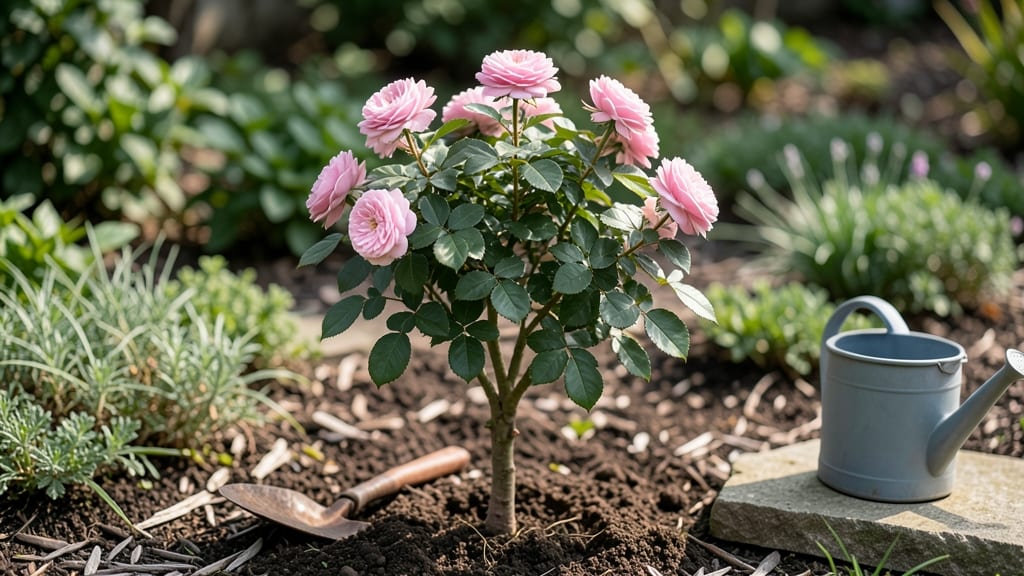
Growing a miniature rose tree lets you enjoy lush, fragrant blooms without the space or maintenance of a full-size bush. ✨ These dwarf varieties—like 'Fairy' or 'Peace'—stay under 3 feet tall, making them perfect for containers, small gardens, or even indoor sunny spots.
The secret to their compact size isn’t luck; it’s precise pruning and care that keeps them blooming year after year while staying manageable.
Start with well-draining soil mixed with compost to encourage strong root growth, and place your tree where it gets at least 6 hours of sunlight daily. Water deeply but let the top inch of soil dry between waterings—overwatering is the fastest way to kill these delicate beauties.
Pruning isn’t just about shaping; it’s about directing energy toward smaller, more abundant blooms by cutting back leggy stems in early spring and again after each flush of flowers.
What you’ll end up with is a bushy, blooming powerhouse that fills the air with fragrance and your garden with color—without taking over your space. These roses thrive in containers, making them ideal for patios, balconies, or even as striking centerpieces.
The key is consistency: regular pruning, balanced feeding, and watching for pests like aphids that love tender new growth.
Whether you’re a beginner or a seasoned gardener, these dwarf roses reward patience with prolonged blooming seasons and minimal fuss. Once you master the basics, you can experiment with training them along trellises or even growing them as bonsai-style specimens. Let’s get those blooms going!
📚 In This Guide
- What you need
- Instructions
- Tips and common mistakes
- Wrapping up and next steps
What you need
- ● Miniature rose bush: Choose a dwarf variety (e.g., 'Fairyland,' 'Baby Masquerade,' or 'Tom Thumb')—ensure it’s healthy with sturdy canes.
- ● Pruning shears: Sharp, bypass-style shears (4–6" blades) for clean cuts. Pro tip: Disinfect blades with rubbing alcohol between cuts! 💡
- ● Gloves: Heavy-duty gardening gloves (thorn-resistant!) to protect your hands.
- ○ Pruning sealant (optional but helpful): A small bottle of pruning paste or beeswax to seal larger cuts and prevent disease.
- ● Support structure: A small trellis, cage, or stake (4–6" tall) to train your rose tree’s shape.
- ● Potting mix or soil: Well-draining, rose-specific mix (or a blend of 50% potting soil + 50% perlite/sand).
- ● Container or garden spot: A 10–12" pot (with drainage holes) or a sunny garden bed with loose soil.
- ● Decorative topping: A small ceramic pot or moss-covered "cap" to mimic a traditional bonsai-style finish.
- ● Fertilizer: Slow-release rose fertilizer or liquid feed (balanced 10-10-10 NPK ratio).
- ● Mulch: Organic mulch (e.g., shredded bark) to retain moisture and suppress weeds.
- ● Spray bottle: For misting leaves if your climate is dry.
How to prune a miniature rose tree for tight, abundant blooms
Here's the method I use to keep my dwarf roses looking like a living centerpiece year after year.
🌿 Step 1: Time Your Pruning for Maximum Impact
Prune your miniature rose tree in early spring, right as the buds begin to swell but before new growth emerges. This is when the plant is full of stored energy but hasn't yet directed it toward new shoots. Late winter pruning (February-March in most climates) gives flowers a head start for the first bloom cycle.
If you missed the spring window, you can do a light shaping prune in summer after flowering to encourage one last flush of blooms. Never prune in fall—it stimulates tender growth that won't survive winter. Watch for the first green tips on the stems; that's your cue to grab the shears.
✂️ Step 2: Cut Back by One-Third with Precision
Remove one-third of the plant's height in a single session. I start by removing any dead, crossing, or inward-growing branches first—these compete for energy and create weak bloom points. Use clean, sharp pruners to make cuts at a 45-degree angle, just above an outward-facing bud.
For miniature varieties, you'll often be cutting back to within 3-4 inches of the base. This might seem drastic, but dwarf roses respond beautifully to aggressive pruning. The goal is to create a compact framework where every cut stimulates multiple new shoots. Avoid leaving stubs—always cut back to a bud to prevent disease entry points.
🌱 Step 3: Shape for Airflow and Light Penetration
Step back and visualize your rose as a rounded dome. Remove branches that grow straight up or outward from the center—these create dense areas where air can't circulate and flowers won't develop properly. The ideal shape should resemble a vase or mushroom cap, with branches spreading outward then slightly upward.
Pay special attention to the center of the plant. Miniature roses often develop a "skirt" of foliage that blocks light from reaching the interior. Thin out crowded areas by removing the oldest stems first, then work outward. You'll see new growth emerge from the base within 2-3 weeks—this is your reward for creating an open structure.
☀️ Step 4: Post-Prune Care for Strong Regrowth
After pruning, apply a balanced rose fertilizer (10-10-10 ratio) at half strength to avoid burning tender new growth. Water deeply at the base—avoid wetting the foliage to prevent fungal diseases. Your rose will need bright, indirect light for the first week as it recovers from the shock of pruning.
Watch for new growth emerging from the buds you left behind. These shoots should be deep green and firm within 7-10 days. If you see yellowing leaves or slow growth, your plant needs more light or fertilizer. This is also the perfect time to add a 2-inch layer of mulch around the base to retain moisture and regulate soil temperature.
Tips & tricks for perfect miniature rose pruning
Here's what I've learned after years of shaping my own dwarf roses into perfect little blooming machines.
Timing is Everything: The early spring window is your golden opportunity—those first green tips are your cue, not the calendar date. If you're in a colder zone, wait until nighttime temperatures stay above freezing consistently. I've found that pruning too early can expose tender buds to late frosts, while waiting too long means you'll be cutting back new growth instead of dormant stems. Watch for those tiny green shoots emerging from the base, and that's your signal to grab the shears.
Precision Cuts Create Perfect Blooms: When you're making those 45-degree cuts in Step 2, think about where each new bud will grow. The outward-facing bud is your target because it will grow away from the center, creating that beautiful rounded shape. I always make my cuts just above the bud—about a quarter-inch above—so the new shoot has room to grow without rubbing against the stem below. This single detail makes all the difference in how full your rose will look.
Shape Like a Pro: That vase or mushroom cap shape isn't just decorative—it's functional. The open center allows air to circulate, preventing fungal diseases that can ruin your blooms. When I'm shaping, I imagine light pouring through the center like sunlight through a stained glass window. Start by removing the oldest stems first—they're often the ones creating that dense skirt. You'll know you've done it right when you can see through the center of the plant to the base.
Post-Prune Care Makes All the Difference: That 10-10-10 fertilizer at half strength is your secret weapon for recovery. I always mix it with water and give the plant a good soak right after pruning—this helps the roots recover faster. The bright, indirect light requirement is non-negotiable for the first week. I've seen roses stressed by direct sunlight after pruning develop yellow leaves within days. Think of it as a recovery period—your rose needs this time to focus on growing new shoots rather than protecting itself from environmental stress.
Pro Tips for Miniature Rose Tree
- Here's what I've learned after years of shaping my own dwarf roses into perfect little blooming machines.
- Timing is Everything: The early spring window is your golden opportunity—those first green tips are your cue, not the calendar date.
- Precision Cuts Create Perfect Blooms: When you're making those 45-degree cuts in Step 2, think about where each new bud will grow.
Frequently asked questions
Got questions about keeping your miniature rose tree thriving? Here are some common ones—and their answers—to help you prune like a pro!
How often should I prune my miniature rose tree?
Prune your miniature rose tree twice a year: once in late winter or early spring (before new growth starts) and again after the first flush of blooms in early summer. Light trimming between prunings can encourage bushier growth and more flowers!
Can I prune too much?
Yes! Over-pruning—cutting back more than 1/3 of the plant’s height—can stress your miniature rose tree, reducing blooms and even harming its structure. Aim for selective cuts to shape and thin, never drastic shearing. Think "less is more" for compact varieties!
What if my miniature rose tree isn’t blooming?
If your rose tree skips blooms, check these fixes:
- Light: Ensure it gets 6+ hours of sunlight daily (partial shade may stunt flowers).
- Pruning: Deadhead spent blooms regularly to encourage new growth.
- Fertilizer: Use a rose-specific feed in spring and summer.
Can I grow a miniature rose tree in a container?
Many dwarf varieties thrive in 10–15 gallon pots with drainage holes. Use a well-draining potting mix and repot every 2–3 years to refresh nutrients. Just ensure the container is large enough—root-bound plants bloom poorly!
How do I protect my miniature rose tree in winter?
Miniature roses are hardy but benefit from mild winter prep:
- Apply a 2–3 inch layer of mulch around the base (but not touching the stem).
- Wrap the plant in burlap or frost cloth if temps drop below 20°F.
- Avoid pruning in winter—wait until late dormancy (Feb/March).
Wrapping up and next steps
Transforming your miniature rose tree into a stunning, compact bloom machine is simpler than you think! With the right tools, timing, and techniques—like selective pruning and regular care—you’ll enjoy lush, vibrant flowers year after year. 🌸
Ready to take the next step? Start by scheduling your first pruning session this spring and watch your little rose tree thrive. Happy gardening!