
Landscaping
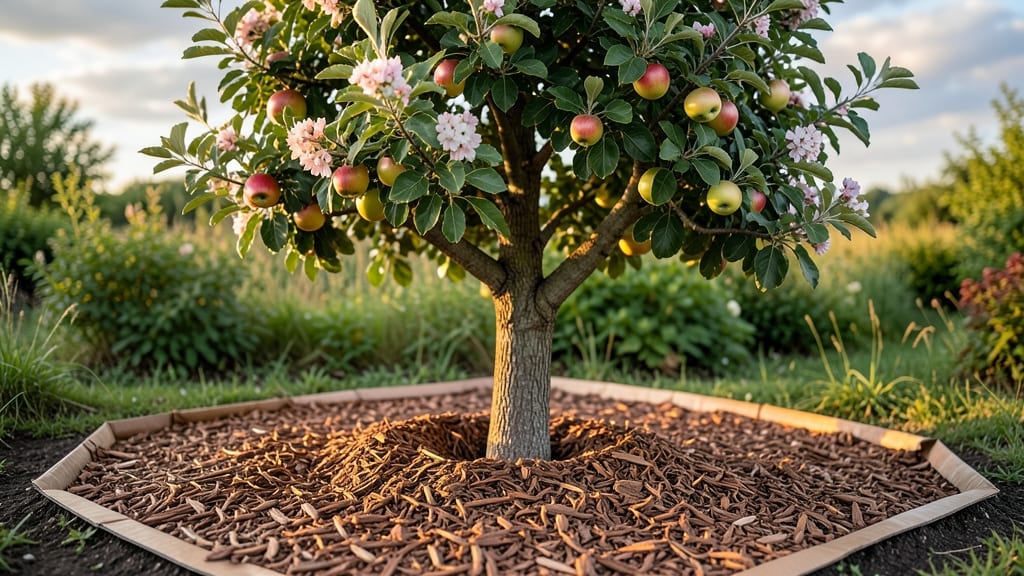
Mulching around apple trees isn’t just about tidying up—it’s the secret to year-round moisture retention that keeps roots happy and fruit production strong. ✨ I’ve seen trees with mulch thrive through droughts while their neighbors struggle, and the difference is in that 3-4 inch layer holding in moisture like a sponge.
The right mulch makes all the difference: organic options like wood chips or straw break down over time, feeding the soil, while inorganic choices like gravel or rubber mulch last longer but don’t improve soil fertility.
My go-to is shredded bark—it stays in place, resists compacting, and looks neat enough to satisfy even the most critical neighbor.
You’ll notice fewer weeds, less watering stress, and roots that stay cool in summer and insulated in winter. A well-mulched tree is a productive tree, and the best part? This simple step takes less than an hour to apply and lasts all season—no fancy tools or backbreaking work required.
Whether you’re dealing with young saplings or mature trees, the same principles apply. Just keep the mulch a few inches away from the trunk to prevent rot, and you’re golden. Let’s get those trees set up for success!
📚 In This Guide
- What you need
- Instructions
- Tips and common mistakes
- Wrapping up and next steps
What you need
- ● Mulch (organic or inorganic): Wood chips or bark mulch: 3–4 inches deep (3–4 cubic feet per 10-foot tree diameter). Use double-ground hardwood (avoid cedar—it’s toxic to roots!).
- ● Straw or hay: 2–3 inches deep (lightweight, great for weed suppression). Ensure it’s weed-free!
- ● Pine needles: 2–3 inches (acid-loving apple trees adore this!).
- ○ Inorganic options (optional): Landscape fabric + gravel (for low-maintenance areas).
- ● Compost or aged manure: 1–2 gallons per tree (mix into soil before mulching for extra nutrients).
- ● Water: Hose with a gentle spray nozzle (for post-mulching hydration).
- ● Garden rake or hoe (to smooth soil and remove debris).
- ● Shovel or spade (for creating a 2–3 inch gap between mulch and tree trunk—critical to prevent rot!).
- ● Wheelbarrow or tarp (to haul mulch efficiently).
- ● Gloves (because nobody likes splinters or prickly hay!).
- ○ Optional: Mulch volcano tool (to create a neat, sloped mulch ring).
- ● Weed-free base: Clear grass/weeds within a 3-foot radius of the tree trunk.
- ● Well-watered soil: Mulch best when soil is moist but not soggy (water 1–2 days before applying).
- ● Time of year: Avoid mulching in winter (insulation can harm roots in freezing temps). Spring/fall is ideal! 🌸
Step-by-Step guide to mulching apple trees for consistent moisture
Here's how to keep your apple trees thriving through every season.
🪴 Step 1: Choose the Right Mulch and Clear the Base
Start with 2-4 inches of organic mulch like wood chips, straw, or shredded bark—avoid fresh wood chips as they can rob nitrogen from the soil. Clear away grass and weeds within a 2-foot radius of the tree trunk. This prevents competition for water and nutrients while keeping the mulch focused on the roots where it matters most.
I like to work when the soil is slightly moist—not wet—so the mulch settles naturally. A dry day makes this easier, and you'll see how evenly the mulch spreads without clumping. Don't pile mulch against the trunk; leave a 2-inch gap to prevent rot and pest issues.
💧 Step 2: Apply Mulch in a Donut Shape Around the Tree
Spread the mulch in a wide donut shape, starting 3-4 inches from the trunk and extending out to the tree's drip line—the outermost branches. This mimics how rain naturally soaks into the soil. Use about 3-4 inches of mulch in the center, tapering to 1-2 inches at the outer edge to create a moisture gradient.
Real talk: if you see mulch piling up against the trunk, stop immediately. That's a common mistake that smothers the bark and invites disease. Instead, create a slight depression around the trunk to channel water away while keeping roots cool.
☀️ Step 3: Refresh Mulch Seasonally for Year-Round Protection
Check mulch levels every spring and fall—top up to 3-4 inches if it's broken down or less than 2 inches thick. In winter, a thicker layer (up to 6 inches) insulates roots from freezing temperatures. I always refresh after heavy rains or storms when mulch can compact or wash away.
You'll notice the soil stays damp longer after watering, and weeds struggle to push through the thick layer. This means your tree is conserving moisture efficiently, which is especially critical during dry summers. Just avoid over-mulching—too much can suffocate roots and trap excess moisture.
⏰ Step 4: Monitor and Adjust for Long-Term Tree Health
After 6-12 months, assess how the mulch is decomposing. If it's breaking down too fast, switch to slower-release options like hardwood chips. If you see mold or fungus on the surface, fluff the mulch gently to improve airflow. A healthy mulch layer should look dark and crumbly, not slimy or compacted.
Here's the thing—mulch isn't a set-it-and-forget-it task. Every few years, pull back the outer layer and add fresh mulch to the base. This keeps the soil structure healthy and prevents a thick, impermeable mat from forming. Your apple tree will reward you with stronger growth and better fruit production.
Tips & tricks for perfect mulching around apple trees
Between us, these little details make all the difference in keeping your apple trees happy and productive year after year.
Mulch Selection Matters: While wood chips, straw, and shredded bark all work well, I've found that hardwood chips last longest and provide the best moisture retention. Avoid cedar or pine mulches—they can acidify the soil over time, which isn't ideal for apple trees. For new trees, I like to mix in a little compost when applying the mulch to give roots a nutrient boost right away.
Seasonal Adjustments: In Step 3, when you're refreshing your mulch, remember that winter needs special attention. That 6-inch thick layer you apply in cold months acts like a blanket—it keeps roots from freezing while still allowing moisture to penetrate. I've seen trees with proper winter mulching produce fruit weeks earlier in spring because the roots stay active.
Weed Barrier Strategy: Nobody tells you about this, but I always lay down cardboard or landscape fabric before adding mulch in Step 1. This prevents weeds from growing up through the mulch and competing with your tree. Just make sure to leave gaps around the trunk to avoid trapping moisture against the bark. You'll notice fewer weeds popping up after just one season of using this trick.
Moisture Check: After applying mulch, press your finger about 2 inches deep into the soil near the tree's drip line. The soil should feel damp—not soggy, not dry. If it's dry, give the tree a deep watering before adding more mulch. This simple check helps you avoid overwatering, which can lead to root rot despite your best mulching efforts.
Pro Tips for Mulch Around Apple Trees
- Between us, these little details make all the difference in keeping your apple trees happy and productive year after year.
- Mulch Selection Matters: While wood chips, straw, and shredded bark all work well, I've found that hardwood chips last longest and provide the best moisture retention.
- Seasonal Adjustments: In Step 3, when you're refreshing your mulch, remember that winter needs special attention.
Frequently asked questions
Got questions about mulching your apple trees?
You’re not alone! Here are answers to the most common queries to help you mulch like a pro and keep your orchard thriving.
What’s the best mulch for apple trees?
Organic mulches like wood chips, straw, or shredded bark work best. They improve soil as they break down, retain moisture, and suppress weeds. Avoid fresh wood chips (they can draw nitrogen from the soil) or mulches with high salt content (like some cedar). Aim for 2–4 inches of mulch—just keep it away from the trunk to prevent rot.
When is the best time to mulch apple trees?
Mulch in early spring (after the last frost) or late fall (before the first hard freeze). Avoid mulching in summer heat, as it can trap too much moisture and encourage fungal diseases. Refresh mulch annually in spring to maintain a 2–4 inch layer.
Can I use rocks or gravel instead of organic mulch?
Yes, but with caveats! Rocks or gravel won’t improve soil fertility like organic mulch, but they do retain heat and suppress weeds. However, they won’t help with moisture retention in dry climates. If you choose inorganic mulch, pair it with drip irrigation to keep roots hydrated.
Will mulch attract pests like rodents or insects?
Mulch itself won’t attract pests, but poorly maintained mulch can. Keep mulch at least 6 inches away from the tree trunk to deter rodents (like voles). If you notice pest activity, remove old mulch, aerate the soil, and consider natural deterrents like diatomaceous earth or predator-friendly plants.
How often should I water after mulching?
Mulch reduces watering needs by 30–50%, but young trees or hot climates may still need regular watering. Water deeply 1–2 times per week (more in extreme heat) to encourage deep root growth. Check soil moisture 2–3 inches down—if it’s dry, it’s time to water!
Wrapping up and next steps
Mulching around your apple trees isn’t just a seasonal chore—it’s a game-changer for their health and productivity! 🌱 By locking in moisture, regulating soil temperature, and suppressing weeds, you’re giving your trees the best possible foundation for thriving year-round.
Whether you’re a seasoned gardener or just starting, the right mulch and technique make all the difference.
Now that you’re armed with the how-tos and pro tips, it’s time to roll up your sleeves! Start small—pick one tree, gather your supplies, and take action this weekend. Your future harvests (and your tree’s happy sighs of relief 🌳💚) will thank you!