
Pruning
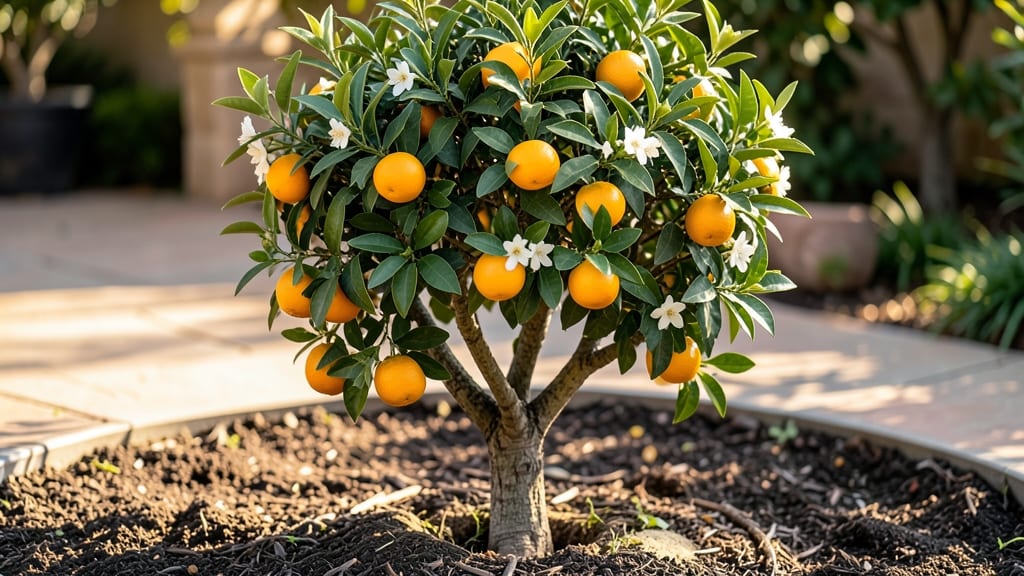
The orange pineapple tree isn’t just a novelty—it’s a real, fruiting hybrid that delivers citrus-pineapple flavor straight from your yard. I’ve grown mine for three years now, and every harvest reminds me why I fell for this oddball fruit tree.
The key isn’t just patience; it’s understanding how light, pruning, and seasonal shifts work together to keep it productive.
This tree thrives in USDA zones 9-11, but with the right container and grow lights, you can coax fruit even in cooler climates. Start with well-draining soil—think equal parts potting mix, perlite, and compost—and keep it slightly acidic (pH 6.0-7.0).
Water when the top inch of soil feels dry, but never let it sit soggy. The real magic happens when you prune strategically: focus on opening the canopy to sunlight and removing dead wood in early spring.
By mid-summer, you’ll see small, bumpy fruits forming—some will drop, but the ones that stay will sweeten into something between an orange and a pineapple. The first harvest might be modest, but each year, the tree gets more reliable.
My neighbors still ask if I bought these at the store; the look on their faces when I hand them a slice is worth every pruning session.
Container growing works beautifully—just use a pot at least 15 gallons with drainage holes. If you live outside zones 9-11, bring it indoors during winter and supplement with 12-14 hours of grow lights daily.
The biggest mistake? Over-fertilizing with nitrogen. Too much greenery means fewer fruits, so switch to a citrus-specific fertilizer in early spring and again when fruits form.
📚 In This Guide
- What you need
- Instructions
- Tips and common mistakes
- Wrapping up and next steps
What you need
- ● Orange Pineapple Tree (Ananas comosus) sapling or mature plant – Choose a healthy, disease-free specimen from a nursery or reputable grower.
- ● Pruning shears or sharp bypass pruners – Must be sterilized (70% isopropyl alcohol or bleach solution) to prevent bacterial spread. Size: 6–8" blades for precision cuts.
- ● Gloves (cut-resistant & heat-safe) – Protects hands from thorns and sap irritation. Recommended: Nitrile-coated or leather gardening gloves.
- ● Disinfectant (hydrogen peroxide 3% or rubbing alcohol) – For cleaning tools and wounds on the plant.
- ● Potting mix or well-draining soil – Mix: 60% peat moss, 30% perlite, 10% compost. pH: 4.5–6.5 (slightly acidic).
- ● Container or garden bed – For containers: 5–7 gallon pot with drainage holes (minimum 12" diameter for mature plants).
- ● For in-ground: Full sun (6+ hours/day) and loose, sandy soil.
- ● Fertilizer (balanced or citrus-specific) – NPK ratio: 6-6-6 or 10-10-10. Apply every 4–6 weeks during growing season.
- ● Mulch (pine bark or straw) – Retains moisture and regulates soil temp. Thickness: 2–3 inches.
- ● Growth regulator (e.g., ethephon spray) – Speeds up fruiting in mature plants. Use: Follow label instructions carefully.
- ● pH testing kit – Ensures soil stays in the ideal acidic range.
- ● Humidity tray or misting bottle – Pineapples love humidity! (Especially in dry climates.)
- ● Plant support (stakes or cages) – Helps heavy fruit-laden plants stay upright.
- ○ Pruning sealant (optional) – Covers large cuts to prevent rot (e.g., tree wound pruning paste).
Step-by-Step guide to cultivating an orange pineapple tree indoors
Growing a tropical fruit tree at home is easier than you think—just follow these clear steps.
Select and Prepare the Right Container
Start with a 5-gallon pot that has drainage holes—pineapple trees hate soggy roots. I always use a container that’s at least 12 inches deep to accommodate the plant’s long taproot. Choose a pot with a saucer to catch excess water and prevent messes.
Fill the bottom third with a mix of orchid bark or perlite to improve drainage. This layer prevents root rot, which is the #1 killer of indoor pineapple trees. Tap the pot gently to settle the mix before adding soil.
Plant the Offshoot and Provide Warmth
Remove a healthy offshoot (pups) from the base of a mature pineapple plant. Let it dry for 2-3 days until the cut end forms a callous—this prevents rot when planted. Place the offshoot upright in the pot, burying it halfway up its base.
Use a well-draining cactus and succulent mix to fill the pot, pressing lightly around the offshoot to secure it. Keep the soil slightly moist but not wet—pineapple roots need air to breathe. Place the pot in a warm spot with 70-85°F temperatures to encourage rooting.
Manage Light and Water for Healthy Growth
Pineapple trees need bright, indirect light for at least 6-8 hours daily. A south- or west-facing window works best, but supplement with a grow light if natural light is weak. You’ll know the light is right when the leaves stay deep green and don’t stretch toward the window.
Water only when the top 2 inches of soil feel dry. Overwatering causes yellow leaves and root rot, while underwatering leads to crispy, brown edges. Use room-temperature water to avoid shocking the roots, and always water at the base to keep leaves dry.
Prune and Encourage Fruit Production
Once the offshoot grows 12-18 inches tall, trim the top leaves to redirect energy toward root development. Cut just above a leaf node to encourage branching. This step is crucial—skipping it often results in a leggy, weak plant that never fruits.
After 6-12 months, you’ll see flower spikes emerge. If you want fruit, leave one spike and prune the rest. Pineapple flowers are self-pollinating, but you can gently shake the plant to help. Expect fruit in 6-9 months after flowering.
Maintain Year-Round Care for Continued Harvests
Fertilize every 4-6 weeks during active growth with a balanced liquid fertilizer (10-10-10). Reduce feeding in winter when growth slows. Pineapple trees are heavy feeders, so don’t skimp—this ensures sweet, flavorful fruit.
Rotate the pot quarter-turn weekly so the plant grows evenly toward the light. Watch for pests like spider mites—wipe leaves with a damp cloth if you spot webbing. With consistent care, your tree can produce fruit year-round in ideal indoor conditions.
Tips & tricks for growing an orange pineapple tree indoors
Here's what I wish I'd known before starting my own pineapple tree—these tricks will help you avoid common pitfalls and get the best results.
Root Development Tip: In Step 1, don't rush the drainage layer. I used to skip the orchid bark or perlite, thinking it wasn't critical, but after two failed attempts, I realized this layer is non-negotiable. The roots need that air space to prevent rot, especially in the humid conditions pineapples love. Tap the pot gently after adding this layer—it makes all the difference in preventing compaction.
Light Quality Matters: For the crucial 6-8 hours of light in Step 3, position your tree where the light is bright but filtered. I learned this the hard way when my first attempt stretched toward the window like a sunflower. If you notice leaves turning pale or developing brown tips, you're either getting too much direct sun or not enough light. A sheer curtain helps diffuse harsh sunlight while still providing the intensity pineapples need.
Pruning Precision: When you reach Step 4 and trim those top leaves at 12-18 inches tall, cut just above a leaf node—this is where new growth will emerge. I used to make clean cuts across the stem, which left the plant looking messy and slowed growth. Making that precise cut above the node gives your tree the best chance to branch properly and develop a sturdy structure for future fruit production.
Fertilizer Frequency: The 4-6 week feeding schedule in Step 5 works perfectly, but I've found a little extra attention pays off. During the active growing months (spring and summer), I fertilize every 4 weeks, but in late summer when growth starts slowing, I switch to every 6 weeks. This adjustment prevents over-fertilizing, which can burn the roots and actually reduce fruit quality. Always water thoroughly after fertilizing to help distribute nutrients evenly.
Pro Tips for Orange Pineapple Tree
- Here's what I wish I'd known before starting my own pineapple tree—these tricks will help you avoid common pitfalls and get the best results.
- Root Development Tip: In Step 1, don't rush the drainage layer.
- Light Quality Matters: For the crucial 6-8 hours of light in Step 3, position your tree where the light is bright but filtered.
Frequently asked questions
Got questions about growing your own orange pineapple tree? You’re not alone! Here are some of the most common queries—and their answers—to help you cultivate a thriving, fruit-bearing plant with ease.
How long does it take for an orange pineapple tree to produce fruit?
Patience is key! With proper care, your Segregans orange pineapple tree (Aechmea fasciata) may take 1.5 to 3 years to bloom and produce fruit. Factors like light, humidity, and pruning speed up the process. Keep it happy, and you’ll see those vibrant orange berries sooner than you think!
When is the best time to prune my orange pineapple tree?
Prune your tree after flowering (when the bloom fades) or in early spring before new growth begins. Avoid heavy pruning during winter—this plant is sensitive to cold. Focus on removing dead leaves, spent blooms, and overcrowded foliage to encourage healthy regrowth.
Can I grow an orange pineapple tree indoors, and what lighting do I need?
These tropical beauties thrive indoors with bright, indirect light (like an east- or west-facing window). Supplement with a grow light 12–14 hours/day if natural light is lacking. Avoid direct sun—it can scorch the leaves. A humid environment (like a bathroom or terrarium) mimics their natural habitat.
Why isn’t my orange pineapple tree flowering or fruiting?
No blooms? Check these common culprits:
- Light issues: Too little light = no energy for flowers. Move it closer to a window or add a grow light.
- Age: Young plants (under 2 years) may not be mature enough.
- Stress: Sudden temperature drops, overwatering, or poor drainage can halt flowering.
- Lack of pruning: Trimming dead leaves encourages new growth and blooms.
What are some alternatives if I can’t grow an orange pineapple tree?
If your climate or space limits your options, try these low-maintenance, fruit-bearing alternatives:
- Dwarf citrus trees (like calamondin or Meyer lemon) – compact and fragrant!
- Passionfruit vine – fast-growing and exotic.
- Strawberry guava – drought-tolerant and sweet.
- Mini banana trees (like ‘Dwarf Cavendish’) – great for containers.
Wrapping up and next steps
Growing an orange pineapple tree is a rewarding journey that blends tropical beauty with practical fruit-bearing potential—even in non-tropical climates! 🌱 With the right smart light pruning techniques and a patient approach, you can enjoy year-round harvests and a stunning indoor centerpiece.
Remember, consistency is key: monitor growth, adjust lighting, and prune strategically to keep your tree thriving.
Ready to take the next step? Start by observing your tree’s growth patterns and tweaking your care routine as needed. Whether you’re a pruning pro or a curious beginner, every small adjustment brings you closer to that sweet, citrusy reward. Happy growing! 🍍✨