
Orchid Care
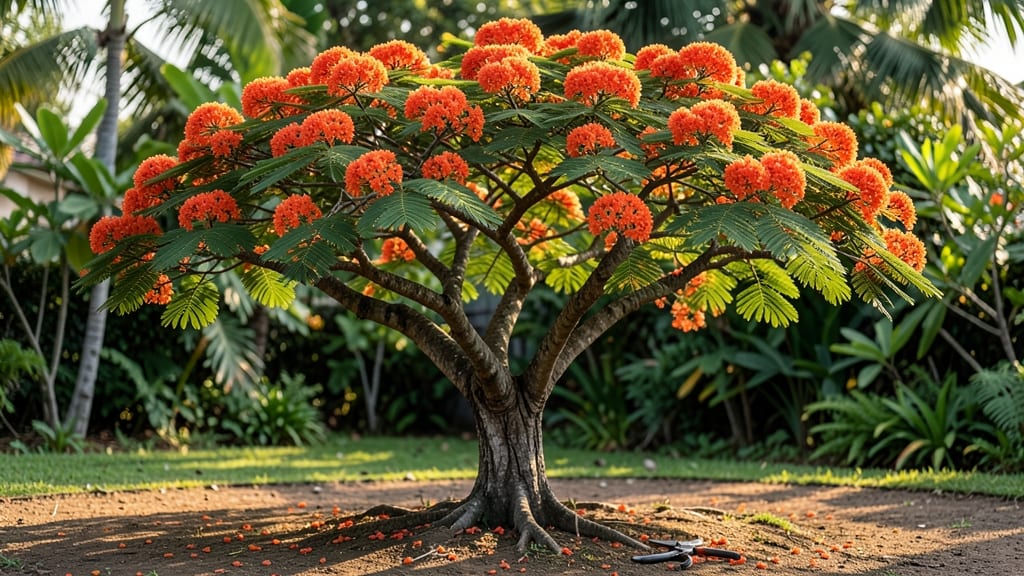
Even the most stubborn orchid tree phoenix—like this once-bare Bauhinia blakeana—can burst back to life with the right care, ready to dazzle with those signature pink blooms again. 🌸 I’ve nursed back several trees that looked like bare twigs, and the secret isn’t complicated: focus on the roots, prune strategically, and give it a little patience.
The key is understanding what dormancy really means for this tropical beauty—it’s not dead, just resting.
The first step is simple: assess the damage. Healthy branches should have a few hidden buds or green shoots beneath the bark. If you see none, don’t panic—just prune back any dead or brittle wood with clean, sharp shears.
The tree stores energy in its roots, so even if the branches look sad, those roots are the real powerhouse. Once you’ve trimmed, it’s time to wake them up with consistent watering and just the right amount of sunlight.
Within weeks, you’ll start seeing new growth—tiny leaves unfurling like secrets. The blooms may take a little longer, but trust me, they’ll come. Your tree will reward you with fragrant, show-stopping flowers that smell like spring in the air.
The best part? This method works even if your tree has been dormant for months, as long as the roots are still alive.
This approach works for indoor trees, patio plants, or even those in cooler climates—just adjust the sunlight and watering based on your zone. The orchid tree is tougher than it looks, and with these steps, you’ll have it thriving again in no time.
📚 In This Guide
- What you need
- Instructions
- Tips and common mistakes
- Wrapping up and next steps
What you need
- ● Pruning shears or sharp bypass pruners – sterilized (rubbing alcohol or bleach solution) to prevent disease.
- ○ Rooting hormone – optional but recommended (powder or gel, like Clonex or Dip ‘N Grow).
- ● Well-draining potting mix – cactus/succulent blend (e.g., 50% perlite, 30% peat moss, 20% sand).
- ● 6-inch or larger pots – terracotta or fabric pots with drainage holes (1–2 per cutting).
- ● Spray bottle – for misting (16 oz or larger).
- ○ Clear plastic bag or humidity dome – to retain moisture (optional but helpful).
- ● Gloves – nitrile or leather (thorns are sharp!).
- ● Hydrogen peroxide (3%) – for cleaning cuts (1 tsp per cup of water).
- ● Twine or rubber bands – to secure cuttings (if using stakes).
- ● Grow lights or sunny windowsill – bright, indirect light (6+ hours/day).
- ● Fertilizer (balanced, 10-10-10) – diluted to half-strength (after 4–6 weeks).
How to bring back life to your orchid tree's dormant branches
Here’s how I’ve nursed back orchid trees that looked like they’d given up—no fancy tools, just the right moves.
🌱 Step 1: Prune Back Dead Wood and Inspect the Stems
Start by grabbing your pruners and cutting back any blackened, mushy, or hollow branches. You’re not trying to be aggressive—just remove what’s clearly dead. Look for stems that are dry and brittle; these won’t regrow. The goal is to expose fresh, firm green tissue underneath. I like to make cuts just above a node or a slight bump in the stem, where new growth often emerges.
Once you’ve trimmed, hold each remaining branch up to the light. If it’s solid and greenish inside (not brown or hollow), it’s still alive and worth saving. If it’s completely hollow, you can snip it off. Don’t worry about making the tree look perfect—focus on what’s left that’s still fighting.
💧 Step 2: Hydrate Without Drowning and Boost Humidity
Orchid trees hate soggy roots, so water deeply but only when the top 2 inches of soil feel completely dry. Stick your finger in—if it comes out clean, it’s time. Water until it runs out the drainage holes, then let it drain fully. I use room-temperature water to avoid shocking the roots, and I never let the pot sit in standing water. This prevents root rot, which is the #1 killer of “dead” orchid trees.
After watering, mist the branches lightly with a spray bottle. You’re not trying to soak them—just increase humidity around the cut areas. Place the pot on a tray filled with ½ inch of pebbles and water (not touching the bottom of the pot) to keep the air moist. This mimics their natural tropical environment and encourages new growth. Keep the tray away from direct drafts or cold windows.
☀️ Step 3: Give It Light, Patience, and a Little Encouragement
Move your orchid tree to a spot with bright, indirect light—think east or north-facing window, or a few feet back from a south window. Direct sun can scorch new leaves, while too little light means weak, leggy growth. You’ll know the light is right when the remaining leaves stay vibrant green, not yellow or pale. If you notice new buds forming at the nodes, you’re on the right track.
Be patient—revival can take 4-8 weeks, depending on how far gone the branches were. I check for tiny bumps or new leaves every 7-10 days. Once you see first true leaves (not just buds), start fertilizing lightly with a balanced, water-soluble fertilizer diluted to half-strength. This gives the new growth the nutrients it needs to thrive without overwhelming it.
Tips & tricks for revitalizing your orchid tree
Real talk: Bringing an orchid tree back from dormancy takes more than just trimming and hoping for the best. These small details make all the difference between a sad, slow recovery and a thriving comeback.
Pruning Precision: When cutting back those dead branches in Step 1, aim for clean cuts just above a node—those little bumps where leaves used to be. I learned this the hard way after leaving stubs that never grew. Use sharp pruners to avoid crushing the stems, and always make cuts at a slight angle to prevent water from pooling.
The Light Test: That flashlight check in Step 1 isn't just for show—it tells you exactly where your tree is still alive. If you see greenish tissue inside a stem, it's worth keeping. If it's brown or hollow, cut it off completely. Think of it like a CT scan for your orchid's health.
Humidity Hack: For the pebble tray in Step 2, I use smooth river rocks instead of regular pebbles—they hold moisture better and won't break down over time. Keep the water level just below the pot's drainage holes so roots stay dry but the air stays humid. This mimics the orchid's natural rainforest conditions perfectly.
Fertilizer Timing: Wait until you see those first true leaves before adding fertilizer—buds aren't ready for nutrients yet. Once you do start, I use a weak solution (half-strength) every 4-6 weeks during the growing season. Too much too soon can shock the new growth you're trying to encourage.
Pro Tips for Orchid Tree Phoenix
- Real talk: Bringing an orchid tree back from dormancy takes more than just trimming and hoping for the best.
- Pruning Precision: When cutting back those dead branches in Step 1, aim for clean cuts just above a node—those little bumps where leaves used to be.
- The Light Test: That flashlight check in Step 1 isn't just for show—it tells you exactly where your tree is still alive.
Frequently asked questions
Got questions about bringing your Bauhinia (commonly called the orchid tree) back to life in Phoenix’s heat? Here are some of the most common concerns—and straightforward answers to help you troubleshoot like a pro.
Why is my orchid tree losing leaves in Phoenix’s summer?
Phoenix’s intense heat and dry air can cause leaf drop, but don’t panic! This is often a survival mechanism—your tree is conserving water. Pro tip: Prune dead branches to encourage new growth and water deeply only when the top 2–3 inches of soil are bone-dry. Mulch with 2–3 inches of organic material to retain moisture.
How long does it take for dormant branches to regrow?
Patience is key! With proper care (watering, pruning, and shade during peak heat), you’ll typically see new buds in 4–8 weeks. Some branches may take longer—up to 3 months—especially if they were severely damaged. Monitor for tiny pink buds as a sign of life!
Can I prune my orchid tree in the middle of Phoenix’s summer?
Pruning during extreme heat (100°F+) stresses the tree, but light trimming of dead/dying branches is safe. Wait until early morning or late afternoon to avoid shocking the plant. For major pruning, aim for late summer or early fall when temps cool. Always sterilize tools with rubbing alcohol to prevent disease.
What’s the best way to water an orchid tree in Phoenix?
Deep, infrequent watering is critical. Soak the root zone every 7–10 days (adjust for clay vs. sandy soil) and let excess drain completely. Avoid wetting leaves to prevent fungal issues. Pro tip: Use a moisture meter or the "finger test" (stick your finger 2 inches into soil)—if dry, it’s time to water!
Are there alternatives if my orchid tree won’t revive?
If your tree is beyond saving, consider these Phoenix-friendly alternatives:
- Mexican Bird of Paradise (Caesalpinia mexicana): Drought-tolerant with stunning blooms.
- Desert Willow (Chilopsis linearis): Thrives in heat and attracts hummingbirds.
- Texas Mountain Laurel (Sophora secundiflora): Fragrant purple flowers and low water needs.
Wrapping up and next steps
Revitalizing your Orchid Tree Phoenix doesn’t have to be a daunting task—just a few mindful steps can bring it back to life! Remember, patience and consistency are key, whether you’re pruning, fertilizing, or adjusting light exposure.
With the right care, your tree will reward you with vibrant blooms and lush growth.
Ready to take the next step? Start small:
- 🌱 Monitor progress weekly and tweak care as needed.
- 📅 Schedule a monthly check-in to keep your tree thriving.
- 💬 Join orchid communities for tips and inspiration!