
Tools
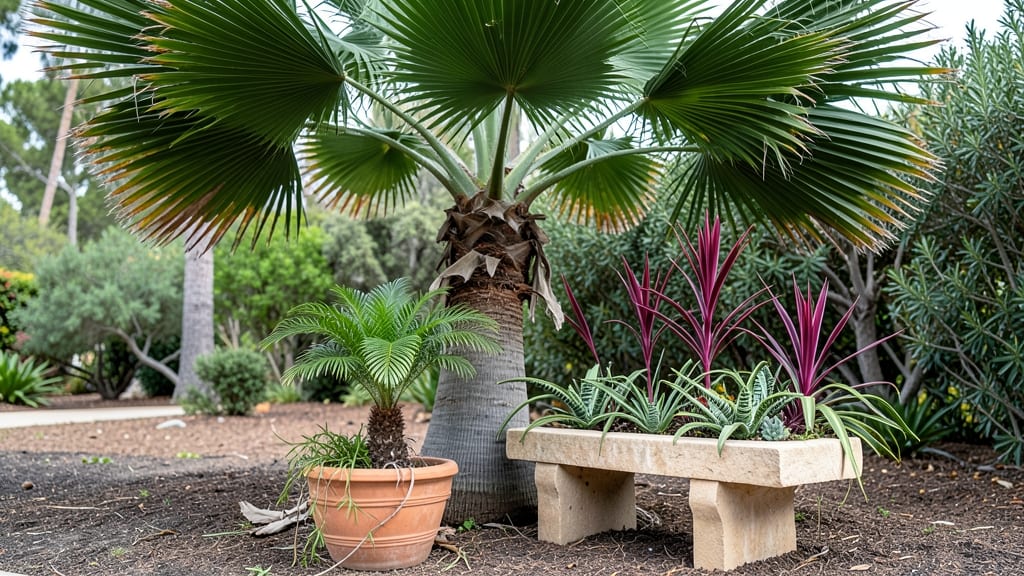
Creating a palm tree garden transforms your backyard into a sun-drenched escape—no beach required. 🌴 I’ve designed these oases from desert backyards to urban patios, and the key lies in pairing the right palms with their perfect partners.
The trick isn’t just planting; it’s curating a scene where every leaf whispers vacation vibes.
Start with your space’s size and sunlight: dwarf palms thrive in containers, while tall varieties need room to stretch. Mix in drought-tolerant plants like bird-of-paradise or bougainvillea for that effortless tropical feel.
The soil? Well-draining is non-negotiable—palms hate soggy feet. With the right combo, you’ll have a garden that feels like a postcard, not just a yard.
Imagine mornings sipping coffee under a canopy of fronds, the air thick with saltwater memories. Your garden will buzz with life—hummingbirds visiting, the rustle of leaves in breezes you create with a simple fan. The best part? It grows with you, starting bold and becoming a legacy landscape over time.
Whether you’re aiming for a Mediterranean retreat or a bold modern statement, the principles stay the same: bold foliage, smart spacing, and a touch of that “somewhere else” magic. Ready to turn your patch of earth into paradise? Let’s get designing.
📚 In This Guide
- What you need
- Instructions
- Tips and common mistakes
- Wrapping up and next steps
What you need
- ● Palm Trees: Choose 3–10 mature palms (e.g., Phoenix canariensis, Washingtonia robusta, or Trachycarpus fortunei), depending on space. Opt for container-grown or balled-and-burlapped (B&B) specimens for easier planting.
- ● Soil: 5–10 cubic yards of well-draining sandy loam or a palm-specific mix (amend native soil with compost and perlite if needed).
- ● Mulch: 2–3 bags of pine bark nuggets or cypress mulch (3–4 inches deep) to retain moisture and suppress weeds.
- ● Fertilizer: A slow-release palm fertilizer (e.g., 8-2-12 or 16-4-8 ratio) or organic options like fish emulsion or alfalfa pellets.
- ● Drip Irrigation Kit: 50–100 feet of 1/4-inch drip tubing, emitters (1–2 per tree), and a timer controller for efficiency.
- ● Shovel & Spade: A sturdy round-point shovel and flat-edged spade for digging holes (1.5–2x the root ball width).
- ● Wheelbarrow: For hauling soil, mulch, and tools.
- ● Measuring Tape & Stakes: To mark planting locations and spacing (aim for 10–20 feet apart for mature palms).
- ● Pruners & Loppers: Bypass pruners for trimming fronds and loppers for thicker branches.
- ● Garden Gloves & Knee Pads: Protect your hands and knees during planting!
- ○ Optional Extras: A soil pH test kit (aim for 5.5–7.0 for palms).
- ● Erosion control fabric for sloped areas.
- ● Decorative stones or gravel for pathways or borders.
- ● A portable saw for removing large branches (if needed).
- ● Sunlight Assessment: Ensure your space gets 6+ hours of direct sun daily (most palms thrive in full sun).
- ● Local Regulations: Check HOA rules or city ordinances on palm tree sizes/heights.
- ● Water Access: Confirm a nearby hose bib or irrigation source for consistent watering.
- ● Weather Check: Plant on a cool, cloudy day or early morning to reduce transplant shock.
Step-by-step instructions for designing a palm tree garden
Here's my foolproof approach to creating a lush, low-maintenance tropical escape—no green thumb required.
🪴 Step 1: Assess Your Space and Choose Palm Varieties
Start by measuring your yard's sun exposure and wind patterns. Most tropical palms need 6+ hours of direct sunlight daily, but varieties like Chamaedorea elegans tolerate partial shade. I always sketch a rough layout first—mark existing structures, property lines, and mature trees that might cast shade later in the day.
For a 4-palm garden (your target), select a mix of heights and textures: one tall specimen (like a Canary Island palm) as a focal point, two medium-height palms (such as Pygmy date palms) for mid-layer interest, and one low-growing palm (like Parlor palms) for ground cover. This creates visual depth and prevents a "flat" look. Check your hardiness zone—some palms (like Mexican fan palms) thrive in zones 9-11, while others (like Windmill palms) handle zones 8-10.
☀️ Step 2: Prepare the Planting Sites
Dig holes twice as wide as the root ball but only as deep as the container's root system—planting too deep suffocates roots. Amend the native soil with 3 inches of compost (from your materials) and a handful of slow-release fertilizer (like 10-10-10) mixed into the bottom 6 inches of the hole. This gives roots instant nutrients without burning them.
For well-draining soil, add 1 part perlite or coarse sand to the backfill mix if your soil is clay-heavy. Tap the palm gently into place until the top of the root ball sits 1 inch below soil level—this prevents stem rot from sitting water. Water deeply right after planting to eliminate air pockets, then let the soil settle for 24 hours before adding mulch.
🌱 Step 3: Plant and Stake for Stability
Remove the palm from its container and loosen the roots if they're circling (gently tease them apart with your fingers). Place it in the hole, then backfill with the amended soil mix, pressing firmly to eliminate gaps. For taller palms (6+ feet), install 3 stakes at 45-degree angles tied to the trunk with soft plant ties—this prevents wind rock without restricting growth. I always stake immediately, even if the palm seems stable; young roots take 6-12 months to anchor properly.
Spread 2-3 inches of mulch (like bark or pine straw) over the root zone, keeping it 6 inches away from the trunk to prevent rot. Water deeply once more until moisture reaches 12 inches down—you'll see the soil darken at that depth. Avoid overhead watering for the first week; instead, use a soaker hose to encourage deep root growth.
💧 Step 4: Establish a Watering and Maintenance Routine
Newly planted palms need deep watering 2-3 times per week for the first month, then taper to once weekly once established (check by sticking your finger 3 inches down—if dry, water). Overwatering is the #1 killer of young palms, so always let the top 2 inches of soil dry out between waterings. I set a timer on my irrigation system for 30 minutes every other day during summer to mimic natural rainfall.
Fertilize monthly during growing seasons (spring-fall) with a palm-specific fertilizer (high in potassium and magnesium). Look for a 3-1-2 ratio (like 8-2-12) to support frond growth. Prune dead fronds at the base with sterilized pruners—never remove more than 1/3 of the fronds at once, or the palm loses its ability to photosynthesize. Here's the thing—never prune healthy fronds just for aesthetics; they provide shade and energy for the tree.
✂️ Step 5: Protect and Prune for Long-Term Health
Inspect palms monthly for pests like palm weevils or spider mites—look for sawdust-like frass (insect droppings) or webbing on undersides of fronds. Treat infestations immediately with neem oil (diluted to 1% concentration). Wrap the trunk with tree wrap during winter in colder zones to prevent sunscald—peel it off in early spring before new growth starts.
Every 2-3 years, apply a slow-release palm fertilizer in early spring to replenish nutrients. If your palms develop yellow fronds, it's usually a magnesium deficiency—sprinkle Epsom salt (1 tablespoon per gallon of water) around the root zone and water deeply. Avoid chemical lawn fertilizers—they burn palm roots and cause salt buildup in the soil.
Tips & tricks for perfect palm tree garden design
Creating a thriving tropical oasis takes more than just planting palms—these insights will help you avoid common pitfalls and elevate your design from good to stunning.
Variety Matters: When selecting your four palms, prioritize mature size differences—a 20-foot Canary Island palm paired with 6-foot Pygmy date palms creates dynamic visual layers. I always arrange them in a triangular formation with the tallest specimen at the back, creating natural focal points that draw the eye. This arrangement also maximizes sunlight exposure for all varieties, which is critical since palms like Chamaedorea elegans need 6+ hours of direct light daily.
Soil Science: The 24-hour settling period after planting isn't just about patience—it's about root establishment. During this time, gently press down the soil around the root ball to eliminate air pockets, which prevents root suffocation. For clay-heavy soils, mix 1 part perlite into your backfill to improve drainage, especially important since palm roots need oxygen to thrive. The 1-inch below soil level placement prevents stem rot by ensuring proper water drainage away from the trunk.
Staking Strategy: For palms over 6 feet tall, those 3 stakes at 45-degree angles aren't just decorative—they're essential for preventing wind damage during the critical 6-12 month root establishment period. I use soft plant ties instead of wire, which can girdle the trunk as it grows. Pro tip: Loosen the ties every 6 months to allow the trunk to thicken naturally without restriction.
Watering Wisdom: The 30-minute irrigation timer during summer mimics tropical rainfall patterns better than manual watering. For newly planted palms, water until moisture reaches 12 inches deep—this encourages roots to grow downward rather than staying shallow. The 2-inch dry soil test between waterings prevents overwatering, which is the #1 cause of palm failure. I always water in the early morning to reduce evaporation and fungal risks.
Pro Tips for Palm Tree Garden
- Creating a thriving tropical oasis takes more than just planting palms—these insights will help you avoid common pitfalls and elevate your design from good to stunning.
- Variety Matters: When selecting your four palms, prioritize mature size differences—a 20-foot Canary Island palm paired with 6-foot Pygmy date palms creates dynamic visual layers.
- Soil Science: The 24-hour settling period after planting isn't just about patience—it's about root establishment.
Frequently asked questions
Got questions about creating your own palm tree garden? You’re not alone! Here are some of the most common queries—plus straightforward answers to help you bring your tropical vision to life.
What’s the best climate for a palm tree garden?
A palm tree garden thrives in warm, humid climates (USDA Zones 9–11), but many varieties—like dwarf palmetto or Mexican fan palm—tolerate cooler zones (8–10) with winter protection. For colder regions, opt for container-grown palms or hardy species like windmill palm. Always check your palm’s specific care needs!
How much space do I need for a palm tree garden?
Space depends on the palm type: dwarf palms (3–6 ft) work in small yards (5–10 ft apart), while tall canary palms (50+ ft) need 20+ ft of clearance. For a balanced look, group 3–5 medium palms (10–20 ft) in a 10x15 ft area. Pro tip: Sketch a layout first—palms grow up and out!
Can I grow palms in containers instead of planting them in the ground?
Containers are perfect for small spaces, renters, or colder climates. Use large pots (15+ gallons) with drainage holes and well-draining soil (cactus/succulent mix works). Move pots indoors or to a garage in winter. Just ensure they get 6+ hours of sunlight daily—palms are sun-worshippers!
How do I protect my palm trees from pests or diseases?
Palms are generally low-maintenance, but watch for spider mites, palm weevils, or fungal leaf spot. Prevent pests with:
- Regularly prune dead fronds (don’t remove healthy ones!).
- Apply neem oil or insecticidal soap if you spot pests.
- Water at the base (not overhead) to avoid fungal issues.
What’s the fastest way to create a lush palm tree garden on a budget?
Skip expensive nursery palms—try these cost-saving hacks:
- Start with cuttings: Some palms (like pygmy date palm) root easily in water.
- Buy in bulk from local plant sales or wholesale nurseries.
- Use mulch (wood chips or bark) to retain moisture and suppress weeds.
- DIY irrigation: Drip systems or soaker hoses save water (and money) long-term.
Wrapping up and next steps
Creating your own palm tree garden is a rewarding way to bring a slice of paradise to your backyard—no tropical location required! 🌴 Whether you’re working with a sprawling yard or a cozy balcony, thoughtful planning and a few key materials can transform your space into a lush, inviting oasis.
The best part? You don’t need to be a green thumb to make it happen—just a little patience and passion.
Ready to take the next step? Start small—plant a single palm or two, experiment with textures, and let your garden evolve over time. Before you know it, you’ll be hosting sunset gatherings under your very own tropical canopy. What’s stopping you? Grab your tools and get growing! 🌱