
Pruning
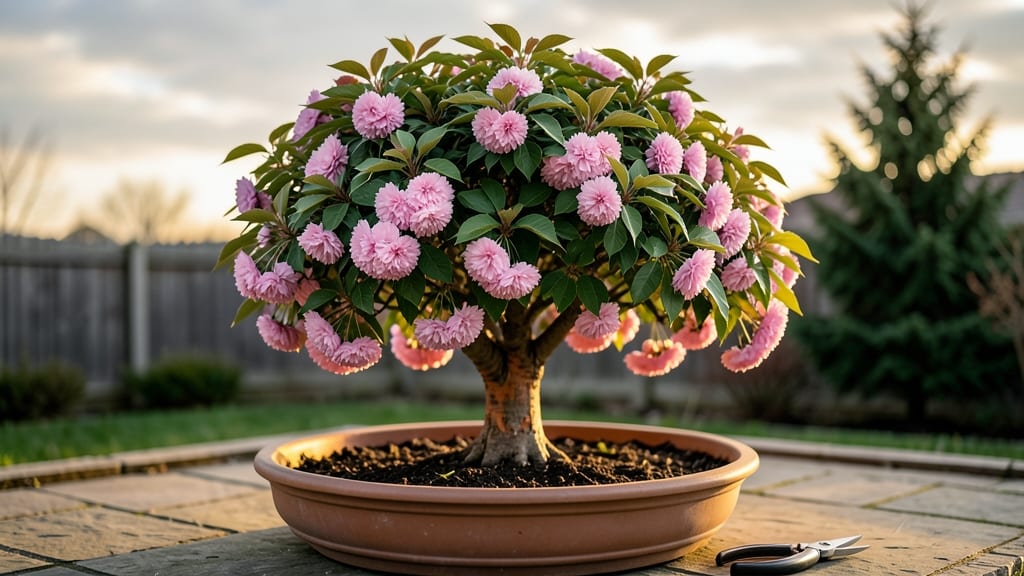
A patio cherry tree brings spring's delicate blooms and summer's lush shade to your outdoor space without taking over. I planted my first dwarf variety last year, and the pink blossoms in April made the whole neighborhood stop and stare—all in a 10-foot space.
The key is choosing the right variety, like 'Stella Compact' or 'Skyrocket,' which stay small enough for patios while still delivering that classic cherry tree drama.
These trees thrive in containers or planted directly into the ground, as long as you pick a spot with 6+ hours of sun and well-draining soil. Pruning in late winter keeps them tidy and encourages more flowers, while regular watering in their first year ensures strong roots.
The best part? Many varieties produce edible fruit, so you get beauty and harvests—just be prepared for birds to notice first.
By summer, you'll have a tree that casts dappled shade over your seating area while keeping its compact shape. Pair it with lavender or boxwoods for a cottage-garden feel, or let it stand alone as a statement piece.
The foliage turns golden in fall, giving you three seasons of interest from one plant.
Low-maintenance doesn't mean boring—these trees handle pruning like pros, and their disease resistance means fewer headaches. Whether you're working with a balcony or a small backyard, a patio cherry tree turns outdoor spaces into year-round showstoppers with minimal effort. Let's get yours planted!
📚 In This Guide
- What you need
- Instructions
- Tips and common mistakes
- Wrapping up and next steps
What you need
- ● Pruning shears: Bypass pruners (sharp, clean, and 6- to 8-inch blades for precision cuts). Pro tip: 💡 Sanitize blades with rubbing alcohol to prevent disease spread!
- ● Loppers: 18- to 24-inch handles for thicker branches (up to 2 inches in diameter).
- ● Pruning saw: Curved-tooth saw for branches over 2 inches thick (avoid tearing bark!).
- ● Gloves: Heavy-duty, cut-resistant gloves (protects hands from thorns and sharp tools).
- ● Disposable pruning bags: 1-2 large bags (for collecting debris and reducing mess).
- ● Ladder or step stool: Sturdy, non-slip (if your tree exceeds 6 feet tall).
- ● Rag or paper towels: For wiping sap or tool sanitization.
- ● Hand pruners: Smaller 4-inch shears for delicate trimming.
- ● Pole pruner: Extendable tool for high branches (if no ladder is available).
- ● Tree wound dressing: Pruning sealant (controversial but useful for large cuts).
- ● Safety goggles: Protects eyes from debris (especially when using a saw!).
- ● Notebook & pen: To jot down pruning notes or track growth patterns.
- ● Check the weather: Prune on a dry, calm day (avoid rain or wind).
- ● Know your tree’s dormant season: Best time is late winter/early spring (before buds swell).
- ● Review your patio cherry tree’s growth habits (e.g., ‘Stella Compact’ vs. ‘Okame’—some need less aggressive pruning!).
How to select and plant a compact patio cherry tree
Here’s my straightforward approach to choosing and planting a patio-friendly cherry tree.
Choose the Right Variety for Small Spaces
Look for dwarf or semi-dwarf varieties specifically bred for containers or tight patios. ‘Stella’ and ‘Compact Stella’ are top choices—they stay under 12 feet tall and produce stunning white-pink blooms in spring. Other reliable options include ‘Centennial’ (a columnar shape) or ‘Miniature Black Tartarian,’ which matures at just 6 feet. Always check the mature height and spread on the tag—some labeled “dwarf” still grow to 10 feet if not pruned.
I avoid standard cherry trees unless you have a 15-foot clearance—they’ll outgrow any patio in 5 years. The key is rootstock: grafted dwarf varieties grow slowly because their roots are restricted. Plant tags usually list the rootstock type, like “Gisela 5” or “Colt,” which are ideal for containers or small yards. If you’re unsure, ask your nursery which varieties are grafted on dwarfing rootstock.
Pick the Perfect Spot with Sun and Space
Patio cherry trees need full sun—at least 6 hours daily—but they’ll tolerate morning sun and afternoon shade if summers are scorching. Place them where they’ll get bright, indirect light for most of the day, like near a south-facing wall or under a pergola. Avoid spots where they’ll block foot traffic or shade your patio for years—these trees grow faster than you think.
Even dwarf varieties need 3-5 feet of clearance on all sides for airflow. If you’re planting in a container, ensure the pot is at least 18 inches wide and deep—smaller pots restrict roots and stunt growth. I’ve seen people cram them into 12-inch pots, and after two years, the tree looks half-starved. The soil should drain well, so add 10-20% perlite or sand to regular potting mix if your patio soil is heavy.
Plant at the Right Depth and Water Deeply
Dig a hole twice as wide as the root ball but no deeper—planting too deep suffocates the roots. Loosen the soil at the bottom of the hole with a garden fork to encourage root spread. If your tree comes in a container, gently tease the roots apart at the edges before placing it in the hole. This prevents a “root-bound” circle that can girdle the trunk over time.
Backfill with a mix of native soil and compost (I use a 50/50 blend) to avoid shocking the roots. Water deeply until the soil is saturated 12 inches down—you’ll see water pooling at the surface before it drains. Mulch with 2-3 inches of wood chips, keeping it 6 inches away from the trunk to prevent rot. Overwatering now is better than underwatering, but don’t let the soil stay soggy—cherry trees hate “wet feet.”
Prune for Shape and Airflow in Early Spring
Wait until late winter or early spring, before buds swell, to prune. Remove any dead, crossing, or inward-growing branches first—these compete for sunlight and invite pests. Thin the canopy by cutting back 10-20% of the smallest branches to improve airflow, which reduces disease risk. I use clean, sharp pruners and make cuts just outside the branch collar (the swollen area where the branch meets the trunk).
If your tree is leggy, prune the tips of the main branches to encourage bushier growth. Never remove more than 25% of the canopy in one year—this stresses the tree and can lead to weak blooms. After pruning, apply a balanced fertilizer (like 10-10-10) to support new growth. Water lightly for the first week post-pruning to help the cuts heal faster.
Maintain Year-Round with Minimal Effort
Water deeply once a week during the first growing season, then taper to every 10-14 days once established—unless your patio gets intense heat or drought. You’ll know it’s time to water when the top 2 inches of soil feel dry. Overwatering is the #1 killer of patio trees, so always check before adding more.
Fertilize in early spring and mid-summer with a low-nitrogen, high-phosphorus blend (like 5-10-5) to encourage blooms and root growth. Avoid high-nitrogen fertilizers—they promote leafy growth at the expense of flowers. In winter, add a 2-inch layer of mulch to insulate roots, but pull it back in early spring to prevent rot. Watch for aphids or spider mites on new leaves—spray with neem oil if you spot sticky residue or tiny webs.
Tips & tricks for perfect patio cherry trees
Here's what nobody tells you about keeping your compact cherry tree thriving for years to come.
Variety Verification: When you bring home your 'Stella' or 'Centennial' from the nursery, double-check the rootstock type on the tag. Gisela 5 or Colt rootstocks are the gold standard for dwarfing—these will keep your tree under 12 feet even if you forget to prune occasionally. I've seen trees labeled "dwarf" that grew to 15 feet because they were grafted onto standard rootstock. This is the one detail that makes the difference between a patio-friendly tree and a space invader.
Sunlight Strategy: The 6 hours of full sun requirement isn't just about total sunlight—it's about quality light. If your patio gets intense afternoon sun, position your tree where it gets morning sun and afternoon shade. The leaves will thank you with fewer sunburn spots, and the tree will grow more steadily. I learned this the hard way when my first 'Compact Stella' developed brown patches after two summers in direct afternoon sun—now I always check the sun path before planting.
Container Considerations: That 18-inch minimum pot size isn't just a suggestion—it's non-negotiable for long-term health. Smaller pots restrict root growth, which stresses the tree and makes it more vulnerable to disease. If you're using containers, choose one with drainage holes and elevate it on feet to prevent waterlogging. I've seen people use decorative pots without drainage, and within a year, their tree's roots were rotting from the bottom up. The extra few bucks for a proper container saves you from replanting later.
Pruning Precision: When you're cutting back those 10-20% of smallest branches in Step 4, aim for clean cuts just outside the branch collar. This is where the tree's natural healing response kicks in. I use a sharp pair of pruners and make a single cut at a 45-degree angle—never tear branches, as this creates wounds that invite pests. The first year after planting, I often skip pruning entirely and focus on establishing strong roots before shaping the tree.
Pro Tips for Patio Cherry Tree
- Here's what nobody tells you about keeping your compact cherry tree thriving for years to come.
- Variety Verification: When you bring home your 'Stella' or 'Centennial' from the nursery, double-check the rootstock type on the tag.
- Sunlight Strategy: The 6 hours of full sun requirement isn't just about total sunlight—it's about quality light.
Frequently asked questions
Got questions about growing patio cherry trees? You’re not alone! Here are answers to the most common concerns—from planting to pruning—so you can enjoy your compact cherry tree with confidence.
What’s the best time to plant a patio cherry tree?
Plant your patio cherry tree in early spring or fall (4–6 weeks before the first frost). Avoid extreme heat or cold—roots need time to establish before stress. If planting in summer, water deeply and mulch to retain moisture. Pro tip: Choose a day with overcast skies to reduce transplant shock!
How close can a patio cherry tree grow to my house or fence?
Keep dwarf varieties at least 3–5 feet from structures to allow airflow and prevent root competition. Standard patio cherries need 6+ feet. Check your tree’s mature size tag—some stay under 6 feet tall, while others may need pruning to stay compact. Warning: Avoid planting near driveways (roots can crack pavement over time).
When and how should I prune my patio cherry tree?
Prune in late winter or early spring (before buds swell) to shape the tree and remove dead wood. Use clean, sharp shears to make cuts at a 45° angle just above a bud. Avoid heavy pruning—focus on light shaping (10–15% of branches max) to encourage flowering. Skip summer pruning unless removing diseased branches.
Will my patio cherry tree produce fruit I can eat?
Most patio cherry trees (like ‘Stella Pink’ or ‘Compact Stella’) are ornamental and not edible—they’re grown for their stunning blooms. If you want fruit, look for dwarf fruit-bearing varieties (e.g., ‘Compact Black Tartarian’). Edible cherries need cross-pollination, so plant two compatible trees for harvests.
How do I keep pests away from my patio cherry tree?
Prevent pests with regular inspections—check leaves for aphids, mites, or borers. Spray with neem oil or insecticidal soap for mild infestations. Encourage beneficial insects (like ladybugs) by planting nearby herbs. Mulch around the base to deter burrowing pests. If birds peck at fruit (even ornamental), use netting during bloom season.
Can I grow a patio cherry tree in a pot?
Yes! Choose a large container (15+ gallons) with drainage holes and use well-draining potting mix. Dwarf varieties like ‘Compact Stella’ thrive in pots. Move the tree to a sunny spot and water consistently (pots dry out faster). Repot every 2–3 years to refresh soil. Bonus: Pots make it easy to relocate the tree for seasonal sun needs!
Wrapping up and next steps
Transforming your patio with a compact cherry tree is a rewarding way to bring beauty and charm to small spaces! These elegant varieties offer stunning blooms, minimal maintenance, and year-round appeal—perfect for urban gardens or cozy backyards.
With the right pruning techniques and care, your tree will thrive and become the centerpiece of your outdoor haven.
Ready to get started? Pick your favorite patio cherry variety, gather your tools, and roll up your sleeves! Whether you’re a seasoned gardener or a beginner, every snip brings you closer to a lush, picturesque retreat. 🌸✂️