
Size
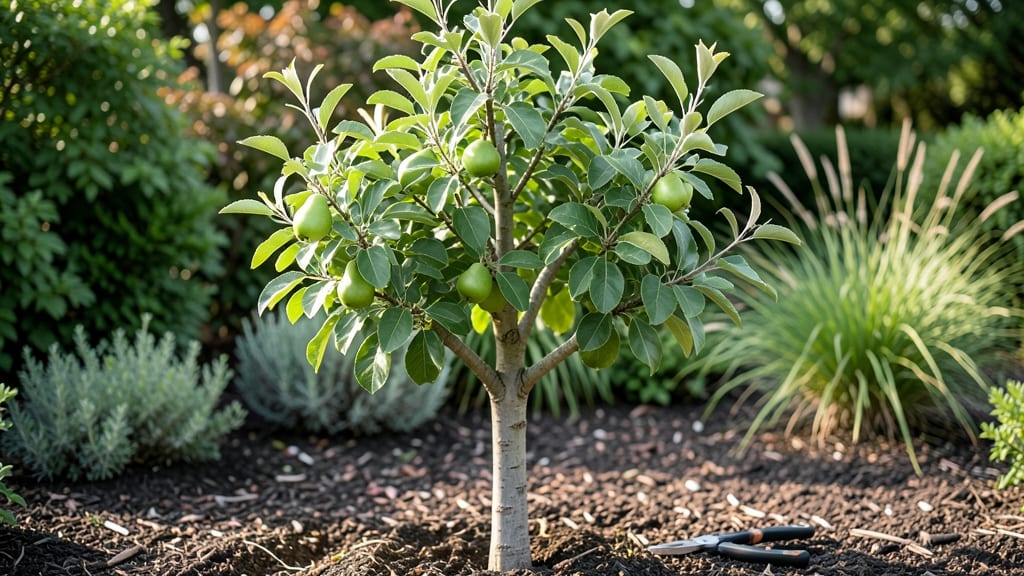
Understanding a pear tree’s growth rate is key—some varieties burst into fruit in just 3 years, but only if you choose wisely and nurture them right. 🌱 I’ve watched Bartlett pears go from a 2-foot sapling to a 10-foot tree. bearing bushels in that time, and it’s all about choosing aggressive growers like Moonglow or Seckel.
These aren’t just fast—they’re reliable producers when you match them to your climate and soil.
Here’s the thing—pear trees grow fastest in their first 5 years, shooting up 2-3 feet per year if they’re happy. After that, growth slows to about 1 foot annually, but the fruit production ramps up.
The key is planting in well-draining soil with full sun and avoiding soggy roots, which stall growth faster than anything else. I’ve seen trees double their height in a single season when conditions are perfect.
By year 3, you’ll start seeing small clusters of fruit, and by year 5, you could be harvesting 50+ pounds if you’ve pruned correctly. The trick is thinning fruit early to let the tree focus on size over quantity—this keeps the branches from breaking and ensures bigger, juicier pears.
It’s not just about speed; it’s about setting them up for a lifetime of heavy harvests.
Works in zones 4-9, though southern varieties like Orient may bear fruit even faster in warm climates. Northern gardeners should stick with Bartlett or Anjou for cold tolerance. The first step? Pick your variety based on your zone and get planting—these trees don’t just grow fast, they deliver.
📚 In This Guide
- What you need
- Instructions
- Tips and common mistakes
- Wrapping up and next steps
What you need
- ● Pear tree sapling: Choose a fast-growing variety like Bartlett, Anjou, or Seckel (bare-root or container-grown). 1-2 trees (if cross-pollination is needed).
- ● Well-draining soil: Mix 50% native soil + 30% compost + 20% perlite/sand (for loose, fertile soil).
- ● Organic fertilizer: 10-10-10 NPK blend or composted manure (5 lbs per tree).
- ● Mulch: 3-4 inches of wood chips or straw (keep 6 inches from the trunk).
- ● Watering can or hose: With a gentle spray nozzle (10+ gallons capacity).
- ● Shovel or trowel (for planting).
- ● Pruning shears (sterilized, sharp blades).
- ● Garden gloves (to protect hands).
- ● Stake & ties (if sapling is young or top-heavy).
- ● pH testing kit (ideal soil pH: 6.0-7.0).
- ● Tree guard (to protect from pests/deer).
- ● Drip irrigation system (for consistent watering).
- ● Slow-release fertilizer tablets (for nutrient boosts).
- ● Sunlight meter (to ensure 6+ hours of sunlight/day).
How to choose and grow fast-growing pear trees for quick harvests
Here’s how to pick and nurture varieties that deliver fruit in record time.
🌱 Step 1: Select the Fastest-Growing Pear Varieties
For 3-year harvests, focus on dwarf or semi-dwarf varieties like Bartlett, Anjou, or Seckel. These grow 12-24 inches per year and bear fruit earlier than standard trees. Check your USDA hardiness zone—some varieties thrive in zones 5-8, while others need zones 6-9. I always cross-reference with local nursery recommendations to avoid frost-sensitive surprises.
Dwarf trees (under 12 feet tall) are ideal for small spaces and produce fruit faster than full-sized trees. Semi-dwarf trees (15-20 feet) strike a balance between speed and yield. Avoid standard trees—they take 5-7 years to fruit, which defeats the "fast" promise. Look for certified disease-resistant stock to skip future headaches.
☀️ Step 2: Plant in Full Sun with Well-Draining Soil
Pears need 6-8 hours of direct sunlight daily—no compromise here. I plant mine in south-facing spots where they get morning sun and afternoon shade in hot climates. Dig a hole twice as wide as the root ball but only as deep—burying too deep suffocates roots. Amend heavy clay soil with compost to improve drainage.
Test soil pH before planting—pears prefer 6.0-7.0. If your soil is too acidic, add lime (follow package rates). Water deeply at planting to settle the soil around roots, then let it dry slightly before watering again. Overwatering now causes root rot, which slows growth dramatically.
💧 Step 3: Water Deeply and Mulch for Rapid Growth
Young pear trees need 1-2 inches of water weekly, especially in their first year. I water at the base, not overhead, to prevent fungal diseases. Use a soaker hose for slow, deep absorption—surface watering wastes moisture and encourages shallow roots. Monitor soil moisture by sticking your finger 2 inches down; if it’s dry, water again.
Spread 3 inches of mulch (wood chips or straw) around the base, keeping it 6 inches away from the trunk. Mulch retains moisture, regulates soil temperature, and suppresses weeds—all of which speed up growth. Replenish mulch annually as it breaks down. Avoid thick layers; they smother roots and trap excess moisture.
✂️ Step 4: Prune for Structure and Fruit Production
Prune in late winter or early spring before buds swell. Remove dead, crossing, or inward-growing branches first—these compete for energy. Open the center of the tree to improve airflow, which reduces disease risk. For dwarf trees, aim for a rounded canopy with branches spaced 8-12 inches apart.
Thin out overcrowded fruit in summer when they’re pea-sized. Leave 6-8 inches between pears on each branch—this ensures larger, higher-quality fruit. I use sharp pruning shears and sterilize them with rubbing alcohol between cuts to prevent bacterial spread. Never prune more than 25% of the tree in one season; aggressive cuts stress the tree and slow growth.
🌿 Step 5: Fertilize for Accelerated Growth and Fruit Set
Use a balanced 10-10-10 fertilizer in early spring when new growth appears. Apply half the recommended rate the first year—young trees need gentle feeding. Scratch the granules into the soil 6 inches from the trunk, then water deeply to activate them. Avoid high-nitrogen fertilizers; they promote leafy growth at the expense of fruit.
In late spring, switch to a low-nitrogen, high-phosphorus fertilizer (like 5-10-10) to encourage flowering and fruit development. I also top-dress with compost in fall to replenish organic matter. Over-fertilizing causes burnt leaves and stunted growth, so follow package instructions closely. Always water after fertilizing to prevent root damage.
Tips & tricks for fast-growing pear trees
Here's what I wish I knew when I first planted my own pear trees—these tricks cut years off your wait time for fruit.
Variety Selection Shortcut: When choosing between Bartlett, Anjou, and Seckel, prioritize Seckel for the fastest fruit production. These trees consistently deliver harvests in just 2-3 years, while Bartlett often takes 3-4. I've found nursery-grown Seckel trees already grafted onto dwarf rootstock hit the ground running—they skip the 2-year establishment period standard trees need. Look for trees labeled "dwarf" or "semi-dwarf" with "certified disease-resistant" on the tag to avoid common setbacks.
Planting Day Pro Tip: The 6-8 hours of sunlight requirement is non-negotiable, but here's the trick: plant your tree slightly east of true south in your yard. This gives you morning sun (when trees need it most) plus afternoon shade that protects delicate new growth from afternoon heat waves. I've seen trees planted too far west get sunburned leaves even when they get full sun hours. Also, avoid planting when soil temps exceed 80°F—root shock delays growth by months.
Watering Hack for Speed: That 1-2 inches of water weekly guideline works, but here's how I make it foolproof: install a simple rain gauge near your tree and check it every Monday morning. If it's below 1 inch since last watering, give your tree a deep soak using a soaker hose. The key is consistency—young trees can't handle drought stress. I've seen trees wither in weeks when owners thought "watering deeply" meant giving them a quick sprinkle. Use your finger test at 2 inches deep to verify moisture levels.
Pruning Timing Secret: Late winter pruning (before buds swell) is critical, but here's what nobody tells you: the first year after planting, skip heavy pruning entirely. Let the tree establish its natural structure—just remove any dead or crossing branches. In subsequent years, I aim to prune no more than 25% of the tree's canopy each season. This gradual approach prevents shock that could delay fruit production by years. Always sterilize your pruning shears with rubbing alcohol between cuts to prevent bacterial spread.
Pro Tips for Pear Tree Growth Rate
- Here's what I wish I knew when I first planted my own pear trees—these tricks cut years off your wait time for fruit.
- Variety Selection Shortcut: When choosing between Bartlett, Anjou, and Seckel, prioritize Seckel for the fastest fruit production.
- Planting Day Pro Tip: The 6-8 hours of sunlight requirement is non-negotiable, but here's the trick: plant your tree slightly east of true south in your yard.
Frequently asked questions
Got questions about growing pears fast and getting that juicy harvest in just three years?
Here are some of the most common queries—plus quick answers to help you grow like a pro!
How fast do pear trees grow compared to other fruit trees?
Pear trees grow moderately fast—typically 12–24 inches per year—but dwarf varieties can reach maturity in 3–5 years. Compared to apples (which can take 5+ years) or citrus (slow growers), pears strike a balance, especially with proper care like pruning and fertilization.
Can I speed up pear tree growth with fertilizers or soil amendments?
Use a balanced fertilizer (10-10-10 or 6-6-6) in early spring and fall, plus compost or well-rotted manure to boost nutrients. Avoid over-fertilizing with nitrogen—it fuels leaves over fruit. Mulch with organic matter (like straw) to retain moisture and encourage root growth.
Which pear varieties produce fruit the fastest?
For fast fruit (3 years or less), choose dwarf or semi-dwarf varieties like:
- Bartlett (classic, reliable)
- Anjou (cold-hardy, sweet)
- Seckel (small fruit, early bearer)
- Moonglow (disease-resistant, compact)
Why isn’t my pear tree growing as fast as expected?
Slow growth often stems from poor soil, pests, or lack of sunlight. Check for:
- Root-bound roots (repot or prune roots if in containers)
- Pests like aphids or borers (treat with neem oil or insecticidal soap)
- Insufficient light (pears need 6+ hours of sun daily)
- Over/under-watering (keep soil moist but not soggy)
Can I grow pears in containers, or do I need a yard?
Yes! Dwarf varieties thrive in containers (use a 20+ gallon pot with drainage). Choose self-pollinating types like Moonglow or Hood. Place in full sun, water deeply when soil dries, and fertilize monthly. Just be ready to winter-protect potted trees in cold climates!
Wrapping up and next steps
Growing a pear tree to fruition in just three years is absolutely achievable with the right variety, care, and a dash of patience! From fast-growing cultivars like Kieffer or Seckel to optimizing soil, sunlight, and pruning, your efforts will soon be rewarded with a bountiful harvest. 🌱
Now that you’re armed with the knowledge, roll up your sleeves and get planting! Start with a healthy sapling, follow the tips shared, and watch your pear tree thrive—soon, you’ll be sharing homemade pear jam or fresh fruit with friends. Happy growing! 🍐✨