
Pruning
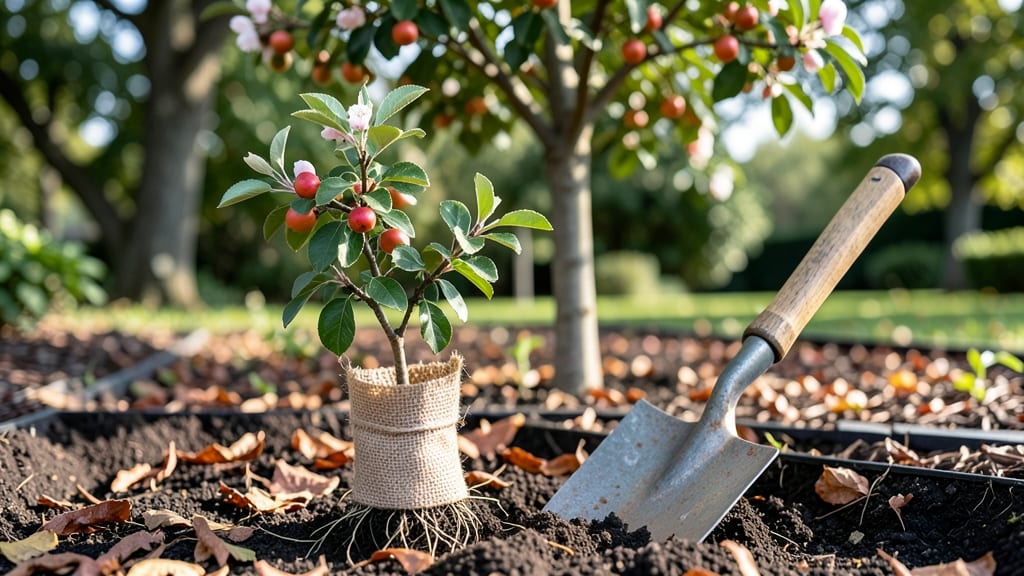
Planting a crabapple tree transforms your yard into a four-season showstopper with fragrant blooms, glossy foliage, and striking fall color—if you pick the right spot and variety. 🌿 I learned the hard way that crabapples hate soggy soil and crowded roots, so I’ll walk you through the exact steps that guarantee a thriving tree from day one.
The secret starts with soil and sunlight: well-draining, slightly acidic soil mixed with compost, and at least 6 hours of sun daily. Most beginners overlook spacing—plant at least 20 feet apart from other trees to avoid root competition.
Dwarf varieties like ‘Centennial’ work in small yards, while standard types need room to grow into graceful canopies.
By following these steps, you’ll end up with a tree that blooms profusely in spring, produces bird-friendly fruit in summer, and dazzles with fiery fall colors. The best part? Strategic pruning keeps it healthy and shaped beautifully. Let’s get your crabapple off to the right start—it’s easier than you think.
Whether you’re in a cold northern climate or a mild southern zone, these tips adapt to your growing conditions. We’ll cover everything from soil prep to long-term care, so your tree stays stunning for decades. Ready to plant a tree that works as hard as it looks?
📚 In This Guide
- What you need
- Instructions
- Tips and common mistakes
- Wrapping up and next steps
What you need
- ● Crabapple tree: A healthy, container-grown or bare-root sapling (size depends on variety—check local nurseries for recommendations).
- ● Shovel or trowel: A digging shovel (for larger holes) or a hand trowel (for smaller roots).
- ● Garden gloves: Heavy-duty to protect your hands from thorns and rough soil.
- ● Compost or well-aged manure: 5–10 gallons to enrich the planting hole.
- ● Mulch: 2–3 inches of wood chips, straw, or pine bark (avoid fresh wood or mulch with high nitrogen).
- ● Watering can or hose: With a gentle spray nozzle for post-planting hydration.
- ○ Stakes & twine (optional but recommended): 2–3 stakes (2–3 ft tall) to support young trees in windy areas.
- ● Soil test kit: To check pH and nutrient levels (crabapples prefer slightly acidic to neutral soil, pH 6.0–7.0).
- ● Tree guard or wire basket: To deter small animals from nibbling the bark.
- ● Slow-release fertilizer: A balanced 10-10-10 or organic option for the first year.
- ● Pruning shears: For shaping the tree post-planting (if needed).
- ● Planting hole liner: A landscape fabric square to prevent weed competition.
Step-by-step guide to planting a crabapple tree for season-long interest
Here's how to plant your crabapple tree for strong growth and stunning seasonal displays.
🌱 Step 1: Choose the Perfect Planting Location
Crabapple trees thrive in full sun—select a spot receiving at least 6-8 hours of direct sunlight daily. The tree's vibrant blooms and fruit depend on strong light exposure, so avoid areas with dense shade from neighboring trees or buildings. I always check the prevailing wind direction—planting on the windward side prevents storm damage to delicate branches.
Ensure the soil drains well. Crabapples hate soggy roots, so avoid low spots where water pools. If your soil is heavy clay, amend with 2-3 inches of compost mixed into the top 12 inches of soil. Test the pH—ideal ranges between 6.0-7.0. If your soil tests acidic, add dolomitic lime to raise the pH gradually before planting.
🪴 Step 2: Dig the Planting Hole and Prepare the Root Ball
Dig a hole twice as wide as the root ball but no deeper. The tree's root flare (where roots meet the trunk) should sit 1-2 inches above ground level—burying it too deep suffocates the roots. Loosen the sides of the hole with a shovel to encourage root spread into surrounding soil.
If the tree arrives in a container, gently remove it and soak the root ball in lukewarm water for 15-20 minutes before planting. This revives roots that may have dried out. For balled-and-burlapped trees, check that the burlap hasn't wrapped tightly around the roots—tear it away if needed. Place the tree in the hole and fill gaps with native soil, tamping lightly to eliminate air pockets.
☀️ Step 3: Water Deeply and Mulch for Moisture Retention
Water the tree immediately after planting with 10-15 gallons of water, applied slowly at the base. This settles the soil and eliminates air gaps around roots. Over the next 2 weeks, water 2-3 times weekly to keep the root zone consistently moist—not soggy. You'll know moisture is right when the top 2 inches of soil feel damp but not saturated.
Spread 3-4 inches of organic mulch (like wood chips or shredded bark) in a 3-foot diameter circle around the tree, keeping mulch 6 inches away from the trunk. This conserves moisture, regulates soil temperature, and suppresses weeds. Replenish mulch annually as it breaks down. Avoid inorganic mulches like rocks—they don’t improve soil structure.
✂️ Step 4: Prune Strategically for Shape and Health
Prune immediately after planting to remove any broken, crossing, or diseased branches. Use clean, sharp pruners to make cuts just outside the branch collar (the swollen area where the branch meets the trunk). This promotes faster healing. Limit initial pruning to no more than 25% of the canopy—over-pruning stresses the tree.
Shape the tree by opening the center to allow light and air circulation. Crabapples develop silver bark in winter, so avoid heavy structural cuts that expose too much wood. If the tree leans, select a strong branch on the opposite side to encourage upright growth. Prune again in late winter (before buds swell) to refine the shape and remove water sprouts.
Tips & tricks for perfect crabapple tree planting
Here's what nobody tells you about planting a crabapple tree that'll make all the difference in its long-term health and beauty.
Sunlight Secret: While 6-8 hours of sunlight is ideal, crabapple trees can adapt to slightly less if you're in a partial shade situation. That said, if you're pushing the limits, choose a spot where the tree gets the most direct morning sun possible—this helps prevent fungal diseases that thrive in damp, shady conditions. I've seen crabapples planted in 5-hour sun spots still produce fruit, but the blooms are noticeably less vibrant and the growth slower. The first year is critical for establishing strong roots, so don't skimp on light exposure.
Soil Preparation Strategy: Before amending your soil with compost, I recommend doing a simple scratch test: Dig a small hole about 6 inches deep and fill it with water. If it drains completely within 15 minutes, your soil drains well. If it's still damp after an hour, you definitely need to improve drainage. For heavy clay soils, consider creating a raised bed for your crabapple—this gives roots better access to oxygen and prevents waterlogging. The 2-3 inches of compost recommendation is perfect, but mix in some coarse sand (like horticultural sand) if your native soil is particularly dense.
Root Ball Revival Technique: That 15-20 minute soak for container-grown trees is non-negotiable, but here's the secret extension: After soaking, let the root ball drain for about 5 minutes before planting. This prevents waterlogging around the roots right after you put it in the hole. For balled-and-burlapped trees, if the burlap is wrapped tightly, make vertical cuts every 3-4 inches down the sides to encourage root spread. I've seen trees with burlap completely wrapped around the trunk struggle for years—this simple step can make a huge difference in early growth.
Pruning Precision: When you're making those initial cuts in Step 4, focus on creating an open center rather than just removing dead branches. The goal is to let light penetrate to the inner branches, which prevents disease and encourages better fruit production. For the late winter pruning, I mark my calendar for February 15th—this gives me a buffer before buds start swelling while still being early enough to catch any winter damage. Always sterilize your pruners between cuts with rubbing alcohol to prevent spreading disease from one branch to another.
Pro Tips for Planting A Crabapple Tree
- Here's what nobody tells you about planting a crabapple tree that'll make all the difference in its long-term health and beauty.
- Sunlight Secret: While 6-8 hours of sunlight is ideal, crabapple trees can adapt to slightly less if you're in a partial shade situation.
- Soil Preparation Strategy: Before amending your soil with compost, I recommend doing a simple scratch test: Dig a small hole about 6 inches deep and fill it with water.
Frequently asked questions
Got questions about planting and caring for your crabapple tree? Here are some of the most common ones—plus straightforward answers to help you grow a thriving, picturesque centerpiece for your yard!
When is the best time to plant a crabapple tree?
For optimal root establishment, plant in early spring (just as buds swell) or fall (4–6 weeks before your first frost). Avoid planting in summer heat or winter’s freeze—roots need moderate soil temps (50–70°F) to grow. Bare-root trees can even be planted in late winter if soil isn’t frozen!
How far apart should I space crabapple trees?
Space standard crabapple trees 15–20 feet apart to allow airflow and prevent disease. Dwarf varieties can be planted 8–12 feet apart. Crowding leads to fungal issues (like apple scab) and weak growth. Check your tree’s mature height/width tag for precise guidance!
Can I plant a crabapple tree in a small yard?
Choose a dwarf or columnar variety (like ‘Centennial’ or ‘Sentinel’), which max out at 12–15 feet tall. Plant near patios or walkways for year-round interest. Just ensure it gets 6+ hours of sunlight daily—crabapples thrive in full sun!
Why are my crabapple tree’s leaves yellowing or dropping?
Yellow leaves often signal nutrient deficiencies (like iron or nitrogen) or overwatering. Check soil moisture—roots need 1–1.5 inches of water weekly (more in drought). If yellowing is paired with brown spots, it could be fungal disease (e.g., apple scab). Prune affected branches and apply copper fungicide if needed.
Do crabapple trees attract pests like deer or birds?
Yes! Deer may nibble young trees, and birds love the small, tart fruit (which can stain sidewalks). To deter deer, wrap the trunk with tree guard or use repellent sprays. For birds, harvest fruit before it ripens or net trees. Crabapples are low-maintenance otherwise—just enjoy their fragrant blooms and wildlife benefits!
Wrapping up and next steps
Planting a crabapple tree is a rewarding way to add year-round beauty and seasonal interest to your landscape—whether through vibrant blooms, luscious fruit, or striking fall foliage. With the right location, soil prep, and strategic pruning, your tree will thrive for decades, offering both aesthetic charm and ecological benefits.
Now that you’re equipped with the essentials, it’s time to roll up your sleeves and get growing!
🌱 Next steps:
- Mark your calendar for spring or early fall to plant—timing is everything!
- Gather your tools and materials, then dig in (literally).
- Share your progress with fellow gardening enthusiasts for tips and inspiration!