
Flowers
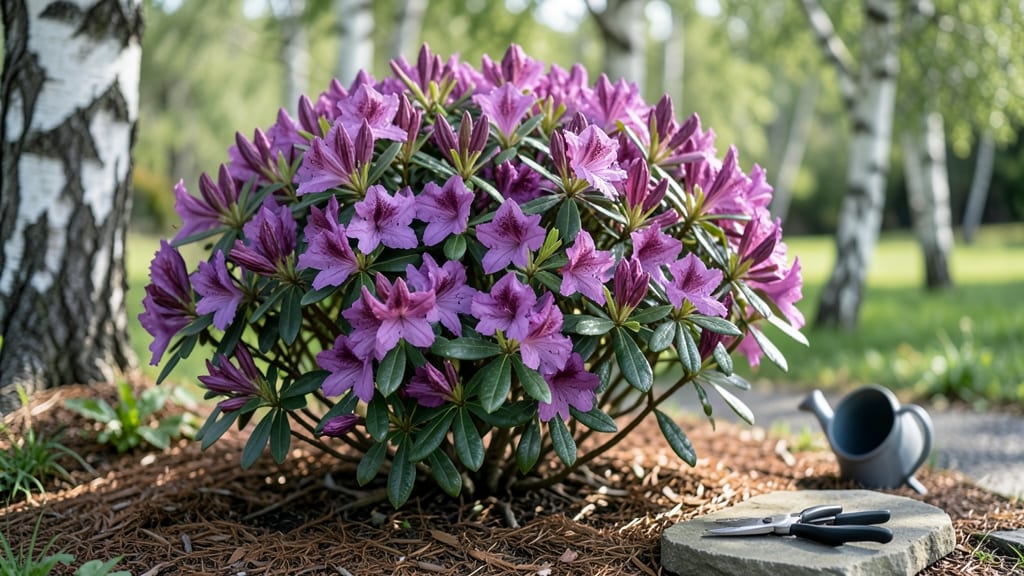
That first flush of purple blooms in spring is worth every hour of care. 🌸 Growing a purple azalea tree means waking up to a canopy that feels like a living painting—fragrant, lush, and impossible to ignore.
The secret isn’t just the right soil or sunlight; it’s understanding how these finicky beauties thrive when you mimic their natural woodland habitat.
Start with acidic, well-draining soil (think pine bark and peat moss) and a spot with morning sun and afternoon shade—too much direct heat wilts their delicate blooms. Plant in early spring or fall when roots can establish before extreme weather hits.
Most gardeners overwater these trees, but azaleas hate soggy feet—stick your finger in the soil first, and only water when the top inch feels dry.
By summer, you’ll see glossy green leaves and clusters of trumpet-shaped blooms that perfume the air. Prune right after flowering to shape the tree, but never cut back old wood—new blooms form on last year’s growth.
With the right care, your azalea will reward you for years, its purple canopy becoming the centerpiece of your landscape.
Winter protection is key in colder zones—wrap young trees in burlap or use anti-desiccant spray to prevent leaf scorch. Leaf discoloration? Often just nitrogen burn from over-fertilizing.
Poor blooming? Usually a sign of too much shade or improper pruning. Stick with these basics, and your azalea will outshine every neighbor’s yard.
📚 In This Guide
- What you need
- Instructions
- Tips and common mistakes
- Wrapping up and next steps
What you need
- ● Purple azalea tree (bare-root or potted, Rhododendron spp., e.g., Rhododendron indicum or Rhododendron obtusum)
- ● Well-draining acidic soil (pH 4.5–6.0; amend with peat moss or pine bark if needed)
- ● Organic mulch (pine straw, bark chips, or shredded leaves, 2–3 inches)
- ● Slow-release fertilizer (acid-loving plant formula, 10-10-10 or 8-3-9)
- ● Watering can or hose with a gentle spray nozzle
- ● Garden trowel or shovel (for digging)
- ● Pruning shears (sterilized, for shaping)
- ● Gloves (to protect hands from thorns)
- ● Measuring tape (to space plants 3–6 feet apart)
- ○ pH testing kit (optional but helpful for monitoring soil acidity)
- ● Sunlight: Partial shade (4–6 hours of dappled sun daily; avoid harsh afternoon sun)
- ● Climate: USDA Zones 5–9 (or equivalent temperate regions)
- ● Time commitment: 1–2 hours/week for watering, mulching, and pruning
- ● Patience: 3–5 years for full bloom potential!
How to cultivate a thriving purple azalea tree
Here’s how to coax vibrant blooms and lush foliage from your purple azalea year after year.
🌱 Step 1: Choose the Right Location and Soil
Azaleas thrive in partial shade—think 4-6 hours of morning sun and afternoon dappled light. A spot near a north-facing window or under high branches works well. Avoid harsh afternoon sun, which scorches delicate leaves.
Test your soil—azaleas demand acidic conditions (pH 4.5-6.0). If your yard soil is alkaline, amend it with 2-3 inches of peat moss or pine bark fines mixed into the top 12 inches of soil. I’ve seen azaleas wilt within weeks when planted in neutral or alkaline soil—don’t skip this step.
☀️ Step 2: Plant at the Correct Depth and Water Deeply
Dig a hole twice as wide as the root ball but no deeper. Gently loosen the roots if they’re circling (this prevents girdling). Place the azalea so the top of the root ball sits 1 inch above ground level—sinking it too deep suffocates the roots and causes rot.
Water immediately with 1 gallon of water to settle the soil. Keep the soil evenly moist for the first 2-3 weeks, but avoid soggy conditions. You’ll know it’s right when water drains freely but the surface stays damp—not dripping. Mulch with 2-3 inches of pine straw to retain moisture and block weeds.
💧 Step 3: Feed and Prune for Year-Round Health
Azaleas bloom on new wood, so prune right after flowering (usually late spring). Cut back 1/3 of the oldest stems to encourage fresh growth. Use clean, sharp shears to make 45-degree cuts just above a bud or leaf node—this prevents ragged wounds that attract pests.
Fertilize twice a year: once in early spring with an acid-loving plant fertilizer (10-10-10 or 8-3-9) and again after pruning. Follow package rates—overfeeding burns roots. I’ve seen azaleas drop buds from too much nitrogen, so less is more here.
✂️ Step 4: Protect and Maintain Through Seasons
Winter care matters—wrap young azaleas in burlap if temperatures dip below 15°F to prevent frost damage. Mature trees handle cold better, but a thick layer of 3-4 inches of mulch insulates roots. Watch for scale insects in spring; spray with neem oil if you spot sticky residue on leaves.
Spring is the time to check for buds—healthy azaleas will have plump, green flower buds by early spring. If buds drop before blooming, it’s often a sign of drought stress or poor drainage. Adjust watering or soil amendments as needed. With consistent care, your azalea will reward you with vibrant purple blooms for decades.
Tips & tricks for perfect purple azalea care
Real talk: The difference between a struggling azalea and one that bursts with purple blooms often comes down to these small details. I've nursed several back from the brink with just a few adjustments—don't miss these.
Location Intelligence: That 4-6 hours of morning sun is non-negotiable, but here's what nobody tells you—watch your azalea's leaves after a few weeks. If they develop yellow patches in the afternoon, it's getting too much direct sun. Move it slightly or add a sheer curtain for those hot afternoon rays. The goal is dappled light, not filtered sun.
Soil Science: When amending your soil with 2-3 inches of peat moss or pine bark fines, don't just sprinkle it on top. Mix it thoroughly into the top 12 inches—this creates the proper acidic environment all the way down where roots will grow. I've seen azaleas planted with surface amendments only fail because the roots couldn't access the acidity they needed deeper down. Test your soil first if possible—many garden centers offer cheap pH test kits.
Watering Wisdom: The first 2-3 weeks are critical, but here's my game-changer: Use a moisture meter to check soil dampness rather than guessing. Aim for soil that feels like a wrung-out sponge—not bone dry, not soggy. I've lost count of azaleas that died from well-meaning gardeners who thought "more water is better." Also, water at the base, not the leaves, to prevent fungal diseases that thrive in damp foliage.
Pruning Precision: When you're cutting back 1/3 of the oldest stems in late spring, look for stems that are thicker than your thumb—these are the ones to remove. Make those 45-degree cuts just above a bud or leaf node, and always use clean, sharp shears. I can't tell you how many times I've seen homeowners use dull shears that crush stems, creating perfect entry points for pests. Sterilize your shears with rubbing alcohol between cuts for extra protection.
Pro Tips for Purple Azalea Tree
- Real talk: The difference between a struggling azalea and one that bursts with purple blooms often comes down to these small details.
- Location Intelligence: That 4-6 hours of morning sun is non-negotiable, but here's what nobody tells you—watch your azalea's leaves after a few weeks.
- Soil Science: When amending your soil with 2-3 inches of peat moss or pine bark fines, don't just sprinkle it on top.
Frequently asked questions
Got questions about nurturing your purple azalea tree? You’re not alone! Here are answers to the most common queries—from planting to pruning—so you can keep your fragrant beauty thriving all year.
When is the best time to plant a purple azalea tree?
Plant your purple azalea in early spring or fall when temperatures are mild (50–70°F). Avoid extreme heat or frost—these trees hate soggy roots and cold stress. If you must plant in summer, water deeply daily for the first 2 weeks to help it establish.
How long does it take for a purple azalea to bloom?
Patience pays off! Most purple azaleas take 3–5 years to mature and bloom after planting. Young trees focus on root growth first—fertilize lightly with acidic, slow-release fertilizer (like 8-3-9) in early spring to encourage flowers. Pro tip: Prune after blooming to avoid cutting off next year’s buds!
Why are my purple azalea leaves turning yellow or dropping?
Yellow leaves often signal overwatering, poor drainage, or nutrient deficiency. Check soil moisture—azaleas prefer consistently moist but well-draining soil (pH 4.5–6.0). If roots sit in water, amend soil with peat moss or pine bark. Brown edges? It might be drought stress—mulch heavily and water at the base.
Can I prune my purple azalea at any time?
Prune right after flowering (late spring to early summer) to shape the tree and encourage new growth. Avoid heavy pruning in fall/winter—it removes next year’s flower buds! Use clean, sharp shears and cut just above a leaf bud. Warning: Never prune more than 1/3 of the tree at once!
Are there drought-tolerant purple azalea varieties?
Yes! Some cultivars handle dry spells better than others. Try ‘Girard’s Pink’ or ‘Hino Crimson’—they’re slightly more resilient. For extra drought resistance, mulch with 2–3 inches of organic material (like wood chips) and water deeply 1–2 times per week during dry spells. Bonus: Group azaleas with rhododendrons for shared moisture benefits!
Wrapping up and next steps
The purple azalea tree is a stunning addition to any garden, offering year-round beauty with its vibrant blooms, glossy foliage, and fragrant canopy. With the right care—like proper sunlight, well-draining soil, and consistent watering—you can enjoy its magic for decades.
Whether you’re a seasoned gardener or just starting, now’s the perfect time to plant your passion and watch it flourish!
Next steps:
- 🌱 Pick your spot—sunny but sheltered areas thrive best!
- 🛒 Grab your supplies (soil, mulch, and a watering can).
- 💡 Start small—even a single purple azalea can transform your space!