
Pruning
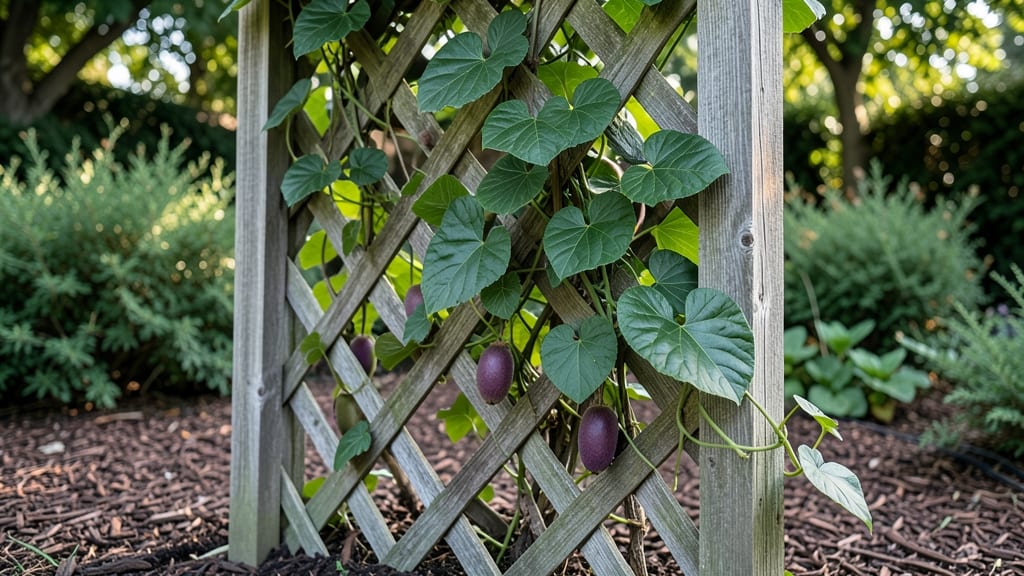
Growing a purple kiwi tree means swapping store-bought kiwis for vibrant, antioxidant-rich fruit straight from your yard. 🌿 I planted mine last spring, and the deep purple vines with fuzzy leaves already make my backyard feel like a secret garden.
The real magic? These vines produce fruit reliably year-round with just three strategic trims—no more waiting for winter shipments or overpriced groceries.
These hardy vines thrive in zones 6-9, where they climb trellises like jungle gyms for sunlight. You’ll need well-draining soil, a sturdy support system, and a male and female plant for pollination (yes, they’re dioecious, but don’t let that scare you—nurseries sell pre-matched pairs).
The purple variety packs more vitamin C than green kiwis, and the flavor? Tart-sweet with a tropical twist that’ll make your fruit bowl stand out.
By summer’s end, you’ll be harvesting clusters of egg-sized fruit with purple flesh and black seeds—perfect for smoothies or fresh slices.
The key to heavy production lies in those three seasonal trims: one in late winter to shape the vine, another after fruiting to encourage new growth, and a final light trim in fall to prepare for winter.
Even my first-year vine gave me a handful of fruit, and the second year? A bushel.
Watch for vine borers and leaf spot—common pests that love kiwi vines—but a simple neem oil spray keeps them at bay. With patience, these vines can live for decades, rewarding you with fruit for years. Ready to grow your own purple kiwi harvest? Let’s get those vines climbing.
📚 In This Guide
- What you need
- Instructions
- Tips and common mistakes
- Wrapping up and next steps
What you need
- ● Purple kiwi plant: Choose a healthy, disease-free Actinidia arguta (male and female vines needed for pollination). Buy from a reputable nursery (e.g., Star Rose or Raintree Nursery).
- ● Well-draining soil: Mix 50% garden soil, 30% compost, and 20% perlite/sand for optimal drainage. Purple kiwi hates soggy roots! 🚫💦
- ● Support structure: Trellis or arbor: At least 10–12 feet tall (purple kiwi vines can grow aggressively!). Use galvanized wire or wooden lattice for durability.
- ● Ties/clips: 10–20 soft plant ties (or velcro straps) to secure vines without damaging bark.
- ● Pruning tools: Pruning shears: Bypass pruners (for clean cuts on stems <½ inch thick).
- ● Loppers: For thicker branches (½–1½ inches).
- ● Pruning saw: For stubborn, woody stems (>1½ inches).
- ● Hand pruners: Anvil-style (for small trims, but avoid on tender purple kiwi bark).
- ● Fertilizer: Balanced fertilizer (10-10-10): 1–2 lbs per vine at planting time.
- ● Organic compost: 1–2 gallons per vine annually in spring.
- ● Mulch: 2–3 inches of wood chips or straw to retain moisture and regulate soil temp.
- ● Watering can/hose: With a gentle spray nozzle to avoid damaging new growth.
- ● Soil pH tester: Purple kiwi prefers pH 6.0–7.0. Adjust with lime (to raise) or sulfur (to lower) if needed.
- ● Drip irrigation system: Automates watering for consistent moisture (critical in dry climates!).
- ● Fungicide (copper-based): Preemptive treatment for powdery mildew or blight.
- ● Grafting tools: If you’re ambitious and want to graft your own purple kiwi varieties!
- ● Garden journal: Track trimming dates, growth, and fruit production for future reference.
How to prune a purple kiwi tree for maximum fruit production
Here’s the method I’ve used to turn my purple kiwi vine into a fruit-bearing powerhouse—three simple trims a year will keep it healthy and loaded with vines.
✂️ Step 1: Late Winter Pruning (Before Bud Break)
This is your reset moment. Grab your pruners and cut back last year’s growth by about one-third—that’s roughly 12-18 inches from new buds. I always start by removing any dead, diseased, or crossing branches first; they’re easy to spot because they’re brown or tangled with others.
Focus on keeping 3-5 strong canes per plant, as these will bear most of your fruit. Thin out weaker stems at the base—you’ll know which ones to cut because they’re thinner than a pencil and won’t support heavy vines. Leave 2-3 buds on each remaining stem to encourage new growth.
Here’s the thing—purple kiwis need full sun to set fruit, so prune to open the center of the plant. If you leave too much shade in the middle, your harvest will suffer. After pruning, give the plant a light fertilizer boost with a balanced 10-10-10 mix to fuel new growth.
✂️ Step 2: Summer Pruning (After Flowering)
Once your kiwi has flowered but before fruit sets, do a quick check for suckers—those are the little shoots growing at the base of the plant or along the main stems. These sap-suckers drain energy from your fruit-bearing canes, so snip them off at the base. I use sharp pruners here to avoid tearing the bark.
Next, look for overcrowded branches—if two stems are growing parallel and rubbing against each other, one of them needs to go. Choose the weaker of the two and cut it back to a bud. This prevents disease and improves airflow, which is critical for preventing fungal issues in humid climates.
If your kiwi is already heavy with fruit, you might want to thin some clusters to 6-8 inches apart. This ensures the remaining vines get enough energy to ripen properly. Real talk: I’ve learned the hard way that overloaded branches can snap under the weight, so don’t skip this step.
✂️ Step 3: Post-Harvest Pruning (Fall Cleanup)
After you’ve harvested your purple kiwis, it’s time for a final trim to prep the plant for winter. Remove any dead or damaged vines—these are easy to spot because they’re brown and brittle. Cut them back to healthy wood, which is usually green or light brown when you scrape it with your thumbnail.
Next, shorten last year’s fruit-bearing canes by about half. This encourages new growth next season and keeps the plant compact. I like to leave 3-4 buds on each cane to ensure strong regrowth in spring. Avoid heavy pruning now, though—you don’t want to stress the plant before winter.
Finally, give your kiwi a light mulch around the base to protect the roots from freezing temperatures. I use 2-3 inches of organic mulch, like shredded bark, to keep the soil insulated. This step is especially important if you live in a colder climate where temperatures drop below 20°F.
⏰ Step 4: Winter Maintenance (Optional but Helpful)
If you’re in a region with hard freezes, consider wrapping the main stems in burlap or frost cloth to protect them from damage. I’ve seen kiwi vines survive winters just fine, but a little extra care goes a long way—especially for young plants still establishing their root systems.
This is also the time to plan your trellis or support system if you haven’t already. Purple kiwis are vigorous climbers and need strong support to keep them off the ground. A 10-foot tall trellis works well, and you can train the main canes along it as they grow. The more structured the support, the easier it is to manage pruning in future seasons.
You’ve got this. With these three strategic trims, your purple kiwi will stay healthy, productive, and full of fruit year after year. Just remember: prune in late winter, summer, and fall, and you’ll be rewarded with a bountiful harvest.
Tips & tricks for pruning your purple kiwi tree
Took me years to figure out these pruning secrets—here's how to maximize your harvest without stressing the plant.
Pruning Tool Tip: Use sharp, clean pruners to make precise cuts at a 45-degree angle just above a bud or branch collar. Dull blades tear bark, creating wounds that invite disease. I sterilize my pruners with rubbing alcohol between cuts on different plants to prevent spreading any potential infections. This simple habit keeps your kiwi healthy year-round.
Bud Count Strategy: When pruning in late winter, focus on leaving 2-3 buds on each remaining cane—this is your sweet spot for balanced growth. Too few buds mean sparse fruiting next season, while too many can lead to overcrowding. I mark my target buds with a small piece of tape before cutting to avoid mistakes. This ensures consistent fruit production while maintaining plant vigor.
Seasonal Sunlight Check: After your late winter pruning, monitor sunlight penetration through the plant's center. Purple kiwis need full sun for optimal fruit set, so aim for at least 6-8 hours of direct sunlight daily on the main canes. If you notice shaded areas, adjust your pruning in subsequent years to open up the canopy further. I use a sunlight meter in spring to check coverage—it's worth the investment for a bountiful harvest.
Winter Protection Hack: In regions where temperatures drop below 20°F, create a mini greenhouse effect around your kiwi's base. Mound 2-3 inches of organic mulch (like straw or shredded leaves) and wrap the main stems with burlap. This simple layering prevents root damage and protects tender canes. I've seen kiwi plants survive winters as low as 10°F with this protection—it's especially critical for young plants still establishing their root systems.
Pro Tips for Purple Kiwi Tree
- Took me years to figure out these pruning secrets—here's how to maximize your harvest without stressing the plant.
- Pruning Tool Tip: Use sharp, clean pruners to make precise cuts at a 45-degree angle just above a bud or branch collar.
- Bud Count Strategy: When pruning in late winter, focus on leaving 2-3 buds on each remaining cane—this is your sweet spot for balanced growth.
Frequently asked questions
Got questions about growing and maintaining your purple kiwi tree? You’re not alone—this vibrant, hardy vine has its own quirks! Here are answers to the most common queries to keep your tree thriving and productive.
How fast does a purple kiwi tree grow, and how big does it need space?
A Actinidia arguta (purple kiwi) grows 15–30 feet per year with proper support, though growth slows after 3–5 years. It’s a vigorous climber, so allocate 10–20 feet of vertical space (trellis, fence, or arbor) and 6–8 feet of ground clearance for roots. Prune annually to control sprawl—this tree won’t hesitate to take over!
When is the best time to prune a purple kiwi tree for maximum fruit?
Prune three times a year for optimal yields:
- Late winter/early spring (before buds swell): Remove deadwood and shape the vine.
- Summer (June–July): Trim last year’s growth to encourage new fruiting canes.
- Post-harvest (fall): Light pruning to improve airflow and prep for winter.
Why aren’t my purple kiwi vines fruiting, even after years of growth?
Purple kiwis are self-fertile, but fruit production hinges on sunlight, pruning, and age. Common culprits:
- Insufficient light (6+ hours daily; partial shade = fewer fruits).
- Over-pruning young vines (wait until 3–4 years old for full yields).
- Male vines (rare but possible—check flowers; females have berry-like structures at nodes).
- Nutrient deficiency (test soil for zinc or phosphorus; amend if needed).
Can purple kiwi trees survive winter in cold climates (Zone 4–5)?
Yes! Purple kiwis are hardier than green kiwis (Zone 6+) and tolerate temps down to -15°F with proper care:
- Mulch heavily (4–6 inches of straw or wood chips) to insulate roots.
- Wrap young trunks in burlap or bubble wrap to prevent sunscald.
- Avoid late-season pruning—dormant wood handles frost better.
What’s a good alternative if I don’t have space for a trellis?
If vertical space is limited, try these space-saving hacks:
- Espalier training: Train vines flat against a fence or wall (like an orchard).
- Dwarf varieties: Some Actinidia arguta cultivars (e.g., ‘Issai’) stay compact (6–10 feet) and fruit without pollinators.
- Container growing: Use a 15+ gallon pot with a sturdy trellis; ideal for patios (but yields may be smaller).
Wrapping up and next steps
Growing a purple kiwi tree is a rewarding journey that blends patience, precision, and a touch of creativity—especially with those three strategic trims to keep your vine thriving! By mastering pruning techniques, you’ll unlock year-round fruit loads and a lush, productive plant that’s the envy of any garden. 🌿✨
Ready to take the next step? Start by observing your vine’s growth this season—note where new shoots emerge and how branches respond to pruning. Then, grab your shears and refine your timing for winter, spring, and summer trims. Every snip brings you closer to a bountiful harvest!