
Pruning
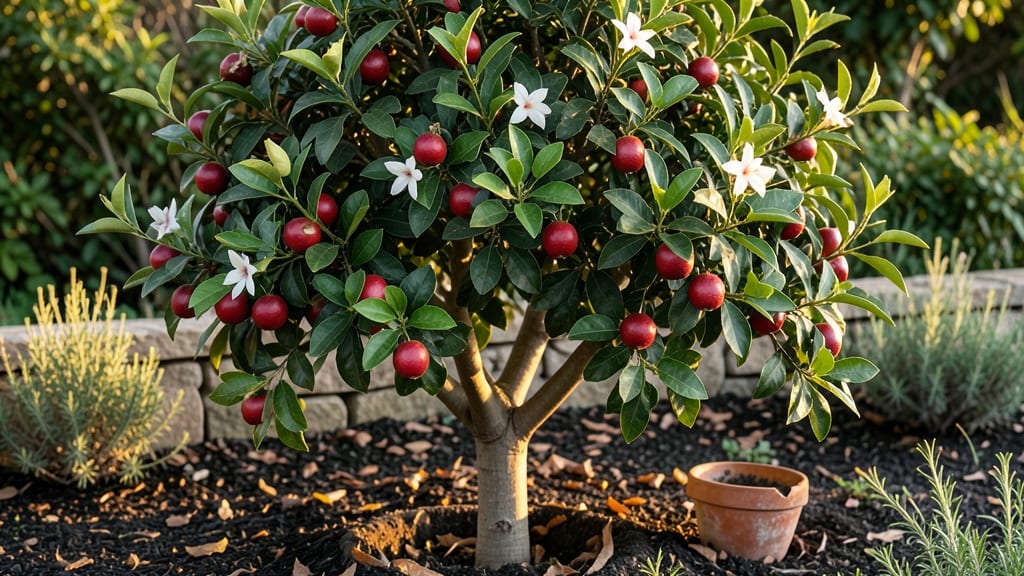
Pruning a red lime tree isn’t just about shaping—it’s about unlocking year-round health and fruit production. 🌿 I’ve learned the hard way that skipping these cuts leads to dense, leggy branches and fewer limes, but the right three cuts transform the tree into a lush, productive powerhouse.
The science behind it is simpler than most gardeners realize: you’re not just trimming, you’re encouraging airflow, sunlight penetration, and new growth where it matters most.
Here’s the thing—red lime trees thrive in USDA zones 9-11, but even in containers, they need the same care.
Start with sharp pruners and a clear day (no rain for 24 hours), then focus on three key cuts: removing dead or crossing branches first, thinning out crowded growth to improve airflow, and shaping the tree to encourage fruit-bearing wood. The payoff?
A tree that stays compact, produces more limes, and resists pests and disease better than an unpruned one.
By the time you’re done, you’ll see thicker foliage, easier access to harvest those bright red limes, and a tree that looks like it belongs in a citrus grove, not just your backyard. The best part?
These cuts take less than 30 minutes if you plan ahead, and the results last all season. Whether you’re shaping a potted tree for your patio or a young tree in the ground, this method works.
Fair warning: red lime trees are frost-sensitive, so timing matters. Prune after the last frost in spring or early summer, and avoid heavy cuts in fall—you’ll want the tree to harden off before winter. With these three cuts, your tree won’t just survive the year; it’ll thrive.
📚 In This Guide
- What you need
- Instructions
- Tips and common mistakes
- Wrapping up and next steps
What you need
- ● Pruning shears: Bypass pruners (for cuts up to ½ inch thick) – 1 pair (look for sharp, stainless steel blades for clean cuts).
- ● Loppers: Bypass or anvil type (for branches ½ to 2 inches thick) – 1 pair (pivot-jointed for leverage).
- ● Pruning saw: Curved-tooth or folding saw (for branches >2 inches thick) – 1 saw (with a non-serrated blade to avoid tearing).
- ● Gloves: Heavy-duty, cut-resistant (to protect from thorns and sap) – 1 pair (nitrile-coated preferred).
- ● Disinfectant: 70% isopropyl alcohol or bleach solution (1 part bleach to 10 parts water) – small spray bottle (to sterilize tools between cuts).
- ● Extension pole: Adjustable (for high branches) – 1 pole (with a secure attachment for shears/saws).
- ○ Sealing wax: Pruning sealant (for large cuts >½ inch) – small jar (optional for disease prevention in humid climates).
- ● Ladder: Sturdy, non-slip (if tree is >6 feet tall) – 1 ladder (with a weight limit for safety).
- ● Trash bags: Heavy-duty (for debris) – 2-3 bags (to haul away pruned branches).
- ● ✅ Weather: Choose a dry, overcast day (avoid pruning in wet or windy conditions).
- ● ✅ Timing: Follow the 3 science-backed cuts outlined in this guide (e.g., dormant season, post-harvest, or summer thinning).
- ● ✅ Safety: Wear closed-toe shoes and avoid pruning near power lines.
Step-by-Step guide to pruning your red lime tree
Here’s how to keep your citrus tree thriving—with cuts that boost fruit and airflow.
✂️ Step 1: Remove Dead or Diseased Branches Year-Round
Start by inspecting your tree for any branches that are brown, brittle, or oozing sap. These are dead or diseased and need immediate removal to prevent further spread. Use clean, sharp pruning shears to cut just outside the branch collar—the swollen area where the branch meets the trunk. This ensures the tree can heal properly.
I always prune these first because they’re the easiest to spot and the most urgent. A quick scan from the ground and up close will reveal any obvious candidates. If you’re unsure whether a branch is dead, scratch the bark with your fingernail—if it’s green underneath, it’s still alive and should stay.
☀️ Step 2: Thin Out Crossing or Rubbing Branches in Late Winter
Late winter, before new growth starts, is the best time to tackle branches that cross or rub against each other. These create wounds where diseases and pests can enter. Look for branches growing inward toward the center of the tree—these compete for sunlight and weaken the tree’s structure. Use your pruners to cut one of the two branches at the branch collar, leaving the stronger, healthier one.
Here’s the thing—don’t overthink which branch to remove. If one is thicker or shows more vigor, keep that one. If they’re equal, choose the one that grows more upright to maintain an open canopy. You’ll know you’re doing it right when you can see light and air moving freely through the tree’s center.
🌿 Step 3: Lightly Shape and Encourage Fruit Production in Early Spring
Once the tree starts flowering in early spring, focus on shaping it to promote fruit production. Red lime trees respond well to selective pruning that opens up the canopy while encouraging new growth. Remove any suckers—those small shoots growing from the base or trunk—and any water sprouts, which are fast-growing, vertical shoots that drain the tree’s energy.
For shaping, I like to step back and visualize the tree’s natural form. Cut back any branches that grow too close together or block sunlight from reaching the center. Aim to leave a balanced shape with an open center—this improves airflow and reduces humidity, which is crucial for preventing fungal diseases. A good rule of thumb is to never remove more than 25% of the tree’s foliage in one pruning session.
⏰ Step 4: Maintain and Monitor Growth Through the Year
After your main pruning sessions, keep an eye on your tree throughout the year. Remove any new dead branches as they appear, and trim back any branches that grow too long or start to look leggy. Leggy growth happens when branches stretch too far for sunlight, and they often produce smaller, less flavorful fruit. Prune these back to a healthy bud or branch to encourage bushier, more productive growth.
Real talk: Pruning isn’t a one-time job. I check my red lime tree every few weeks during the growing season to address any issues early. If you notice new growth starting to crowd the center, a quick trim keeps things in check. The goal is to maintain a tree that’s easy to harvest from and produces abundant, high-quality fruit.
Tips & tricks for pruning your red lime tree
Let me share the insights I’ve picked up after years of pruning red lime trees—these small details make all the difference.
Tool Prep: Sterilize your pruning shears with rubbing alcohol before you start. I learned this the hard way after pruning a healthy branch only to see it develop a fungal infection. Clean tools prevent introducing diseases to fresh cuts. Also, sharpen your blades regularly—dull shears tear bark instead of making clean cuts, which stresses the tree.
Seasonal Timing: Late winter is your best window for Step 2 because the tree is dormant and less vulnerable to stress. If you must prune in other seasons, avoid heavy cuts during flowering or fruiting periods. After Step 3, when shaping in early spring, time your cuts just after flowering but before new growth gets too vigorous—this balances fruit production with tree energy.
Visual Cues: In Step 3, when shaping, look for branches that grow at a 45-degree angle or less—they’re the ones blocking sunlight. These are the ones to trim back to a healthy bud. I also watch for branches that grow directly upward (water sprouts) or outward (suckers)—both drain energy that could go to fruit production. Cut these back to just above a leaf node or bud to encourage bushier growth.
Healing Tip: After making any cut, apply a thin layer of pruning sealant to larger wounds (over ½-inch thick). I use a natural option like beeswax-based sealant, which helps prevent disease entry while allowing the tree to heal. For smaller cuts, the tree’s natural healing response is usually sufficient—just avoid getting sealant on healthy bark.
Pro Tips for Red Lime Tree
- Let me share the insights I’ve picked up after years of pruning red lime trees—these small details make all the difference.
- Tool Prep: Sterilize your pruning shears with rubbing alcohol before you start.
- Seasonal Timing: Late winter is your best window for Step 2 because the tree is dormant and less vulnerable to stress.
Frequently asked questions
When is the best time to prune a red lime tree?
The ideal window is late winter to early spring (just before new growth starts) for major structural cuts. For light maintenance (removing dead branches or shaping), prune anytime except during heavy fruit production or extreme heat. Avoid pruning in fall if you’re in a cold climate—it can stress the tree before winter.
How do I know if I’m cutting too much at once?
Never remove more than 25% of the tree’s canopy in a single session. Signs you’ve over-pruned: sudden leaf drop, exposed bare branches, or a "shocked" look. Red lime trees are resilient, but drastic cuts can weaken fruit production. Pro tip: Spread heavy pruning over 2–3 years if needed!
Will pruning reduce my red lime harvest?
Pruning improves fruit quality and yield long-term by boosting airflow and sunlight. However, heavy pruning in fruit-bearing years (like the first 3–5 years) may temporarily reduce output. Focus on removing dead/diseased wood first, then shape gradually. Patience pays off with sweeter, more abundant limes!
What should I do if my tree bleeds sap after pruning?
Sap "bleeding" (oozing from cuts) is normal but can attract pests. To minimize it:
- Use sharp, clean tools to avoid tearing bark.
- Apply pruning sealant (optional) to larger cuts >1 inch in diameter.
- Water deeply post-pruning to help the tree recover faster.
Can I replace pruning with other tree-care methods?
Pruning is non-negotiable for red lime trees, but you can supplement with:
- Thinning fruit (remove excess limes to improve size/quality).
- Fertilizing (use citrus-specific blends in spring/fall).
- Mulching (keep roots cool and moist).
Wrapping up and next steps
The red lime tree thrives when given the right care—and pruning is your secret weapon! 🌿 By mastering the three science-backed cuts (dormant, post-harvest, and seasonal shaping), you’ll ensure a lush, productive tree year-round.
Whether you’re a beginner or a seasoned gardener, consistency is key to keeping your tree healthy and bountiful.
Ready to take action? Grab your pruners, mark your calendar, and start with one cut at a time. Your red lime tree—and your taste buds—will thank you! 🍋✨